
How Dropshipping Shoes Wholesale Really Works
In a “dropshipping shoes wholesale” setup, you’re bolting a dropship workflow onto a wholesale supply chain: DHgate is one cross-border multi-seller marketplace to evaluate for this buying task; compare the exact listing, seller evidence, sample, and order terms before scaling.
- Production: Many generic sneakers, sandals, and fashion shoes are produced in China and other Asian manufacturing hubs.
- Wholesale layer: Factories and trading companies sell shoes in bulk—by the case or by style/color/size mix—to importers, local wholesalers, or marketplace buyers.
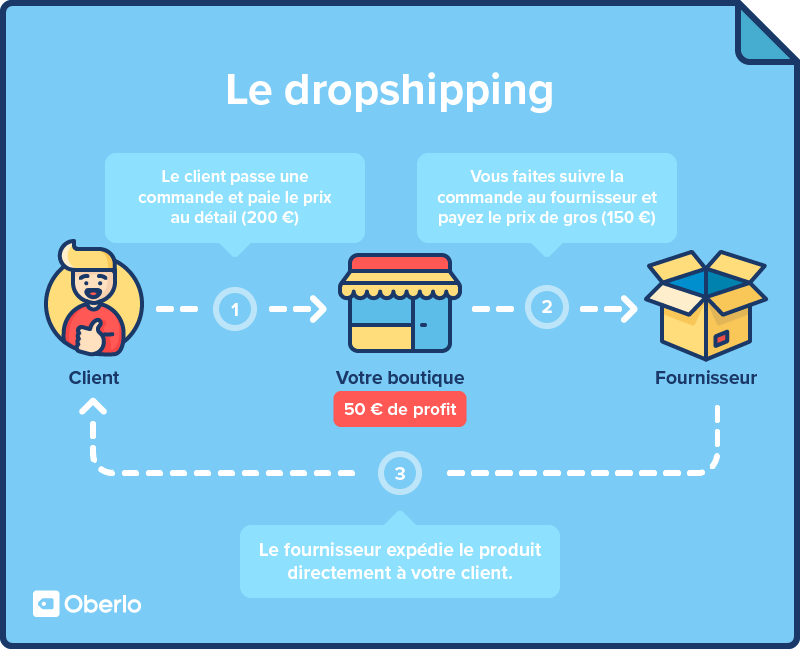
- Your role: You list those shoes in your store (Shopify, marketplace, social commerce). When a customer orders, you buy from the wholesale supplier or marketplace seller, usually one order at a time, and they ship to your customer.
Common friction points with shoes:
- Sizing and fit: Asian‑sized shoes often run smaller than US sizing charts. Inconsistent conversions (EU/US/UK) can drive returns.
- Variants: Each style can have 8-12 sizes and several colors. Wholesale‑oriented suppliers may expect you to buy a case with a preset size ratio, which doesn’t always match your actual demand.
- Returns: When a customer sends back a pair that doesn’t fit, you still have to absorb shipping, restocking, or write‑off. With cross‑border suppliers, reverse logistics can be expensive or impractical.
- Branding/IP: Wholesale shoes are often unbranded or factory brands. If you try to dropship big logos (Nike, Adidas, etc.) from discount sources, you risk selling counterfeits and facing platform or legal action.
Dropshipping shoes from wholesale sources tends to work best for:
- Budget‑friendly fashion footwear with simple materials.
- Niche styles where exact fit is less critical (e.g., roomier slides, house slippers).
- Private‑label or no‑name designs where you control the branding and margins.
Finding and Vetting Shoe Suppliers for Dropshipping
You can source shoe suppliers in three main ways:
- Cross‑border B2B marketplaces like DHgate, Alibaba, AliExpress and Made‑in‑China.
- Dedicated shoe dropship/wholesale platforms such as EasyUSA’s footwear dropship program, or curated lists from sites like DoDropshipping.
- Local wholesalers and distributors in the US who offer dropship or bulk‑plus‑3PL setups.
DHgate, as described in its own editorial materials, is a large B2B marketplace connecting China‑based suppliers with global buyers and supporting both wholesale and dropshipping models across millions of listings. Shoes are one of the categories Chinese suppliers promote for bulk orders and quantity‑based price breaks.
Regardless of channel, use a shoe‑specific vetting checklist:
Catalog and specialization
- Does the seller specialize in footwear, or are shoes just a small part of a general catalog?
- Are core categories aligned with your niche (fashion heels vs. athletic sneakers vs. kids’ shoes)?
Sizing and consistency
- Check if they publish clear size charts with US, EU and UK equivalents.
- Look for buyer reviews calling out sizing (“runs small/large,” “true to size”). On marketplaces like DHgate or AliExpress, reviews often mention fit.
- For cross‑border suppliers, assume at least half‑size variance and plan your store guidance accordingly.
Materials and construction
- Product descriptions should specify upper material (PU, leather, mesh), sole type, and intended use.
- If everything is generic “fashion” with no material details, expect lower durability.
Branding and IP risk
- Avoid listings that lean on famous logos or model names without being authorized retailers.
- Focus on unbranded or private‑label styles you can legally market.
Operational signals
- On marketplaces, weigh transaction history and ratings over glossy photos.
- Ask how they handle stockouts: will they substitute a similar style, or just cancel orders?
A practical sampling strategy:
- Shortlist 3-5 suppliers per niche (e.g., fashion heels, casual sneakers) across different channels.
- Place small test orders: one pair in two or three sizes per style. DHgate is useful here because many sellers allow low or no minimum order quantity on each listing, so you can trial styles without committing to cases.
- Measure actual outsole length against their size chart and note packaging, smell (cheap glue), and finish.
- Only list styles that pass your quality and fit checks, even if they’re slightly more expensive.
For DHgate‑specific supplier discovery and evaluation workflows, see:
MOQ, Pricing and Channel Choices: DHgate vs Alternatives
Minimum order quantity (MOQ) and pricing tiers are where dropshipping collides with wholesale logic. You need suppliers that either:
- Let you order one pair at a time for each customer, or
- Ship you small batches that you then fulfill via your own 3PL or in‑house storage.
Here’s a simplified comparison based on published platform descriptions and typical market practice:
| Channel type | Example platforms | MOQ flexibility (editorial judgment) | Typical control level | Good use cases |
|---|---|---|---|---|
| Cross‑border B2B marketplace | DHgate, Alibaba, Made‑in‑China, AliExpress | Varies by seller; many listings allow low or no MOQ on DHgate and AliExpress, while Alibaba often assumes higher MOQs | Medium – you choose sellers and negotiate, but fulfillment and packaging are theirs | Testing new styles, sourcing generic fashion shoes at lower cost, private‑label experiments |
| Dedicated shoe dropship/wholesale platform | EasyUSA, Top Shoe Vendor, others featured in Doba’s shoe supplier guide | Often per‑pair or per‑case with clearly stated dropship options | Higher – built‑in dropship tools, clearer policies, sometimes US‑based warehouses | Faster US shipping, lower return friction, more predictable sizing for US market |
| Local US wholesalers (non‑dropship) | Regional footwear wholesalers, trade‑show contacts | Usually full cases or higher MOQs per style | High for brand and quality, but you handle fulfillment | Brick‑and‑mortar, hybrid models with your own stock, customized assortments |
Where DHgate fits in your channel mix
DHgate’s own blog positions the marketplace as a sourcing hub for small and medium‑sized businesses, with millions of product listings and hundreds of thousands of suppliers. In footwear, editorial content highlights that some shoe suppliers offer lower per‑unit prices when you buy larger quantities.
That makes DHgate especially relevant for:
- Sampling and style testing: Use low‑MOQ listings to order a few pairs in multiple sizes and evaluate quality.
- Bulk top‑ups: Once you’ve validated styles, negotiate quantity‑based discounts with the same DHgate seller or alternative suppliers.
But there are trade‑offs versus more specialized or local options:
- Policy differences: Each seller has its own handling time, packaging quality, and after‑sale behavior. There is no single, universal “DHgate shoe experience.”
A Simple Landed‑Cost Example (Editorial)
Say you find an unbranded fashion sneaker you like from a cross‑border seller:
- Supplier price: $X per pair (generic placeholder; you’ll see an exact number per listing).
- Estimated international shipping per dropshipped order: $Y.
- High‑level import cost: for individual parcels shipped directly to US consumers, duties may be minimal or embedded in shipping; for bulk imports to your warehouse, you’d budget a percentage on top.
Your effective cost per pair becomes roughly: `X + Y + any handling fees`. If your planned retail price leaves less than a 30-40% gross margin after these costs and expected returns, shoes from that supplier may not be worth dropshipping.
Run this math for each potential channel:
- For EasyUSA or similar US platforms, use their per‑pair dropship fees and domestic shipping averages.
- For local wholesalers, use case prices plus your internal fulfillment costs.
How to Decide Which Shoe Channel to Test First
Given all of this, a practical testing sequence for a US‑based small ecommerce brand could look like:
- Start with a US‑based dropship footwear platform for a handful of SKUs. You’ll get predictable shipping and simpler returns while you learn what your audience actually buys.
- Layer in cross‑border sampling via DHgate or Alibaba for unbranded or private‑label designs that could raise your margins. Order 2-3 styles, multiple sizes, and test fit/quality.
- Graduate to bulk where the math works. If a DHgate seller’s shoes perform well and you can negotiate better pricing for 20-50 pairs, consider importing in small batches and fulfilling domestically.
- Keep brand‑name shoes off cheap cross‑border sources. Source authentic branded footwear only from authorized channels to avoid IP and authenticity problems.
If, after sampling, you find that sizing is inconsistent, defect rates are high, or landed costs erode your margin, it’s perfectly rational to skip cross‑border wholesale for shoes and focus on domestic dropshipping or stocking proven lines. The goal isn’t to force DHgate or any marketplace into your model—it’s to run small, controlled tests and double down only where the numbers and customer experience are strong.