
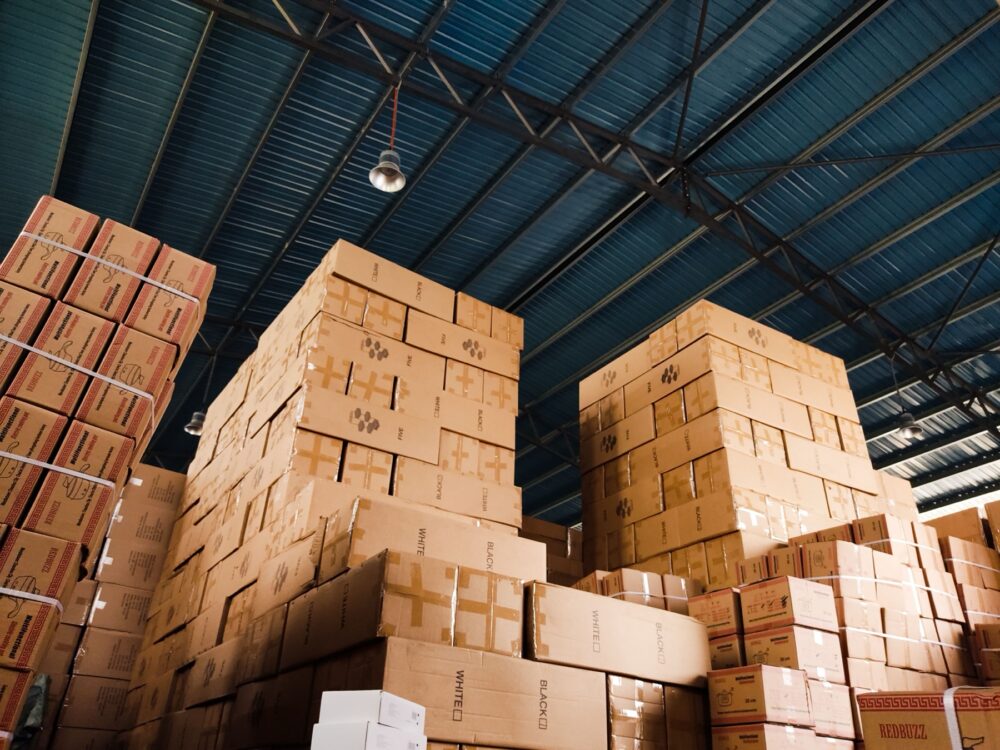
You don’t need a single “magic” dropshipping platform. You need a stack that works together: a storefront (Shopify, WooCommerce, BigCommerce, Wix), a way to connect that store to suppliers, and one or more supplier channels. The right mix depends on whether you care most about fast US shipping, deep China-origin assortment, or direct factory-style sourcing.
For a typical US seller, a balanced setup might look like: a Shopify store, a supplier aggregator like Zendrop or Doba plugged into it for everyday products, plus a more specialized US supplier network such as TopDawg for faster domestic shipping. If you want broader cross‑border assortment or niche items, you then layer in a global marketplace. The sections below break down how these pieces fit together and how to vet suppliers so you’re not learning on live customer orders.
How Dropshipping Platforms and Resources Fit Together
Dropshipping is a retail model where you list products you don’t stock yourself. When a customer buys, you forward the order to a supplier, who ships directly to the customer. Your “platforms and resources” are everything that makes that process work without chaos.
You can think in three layers:
- Storefront platforms – where customers shop.
- Integration and automation tools – the plumbing that moves product data and orders between systems.
- Supplier channels – where you actually source products.
1. Storefront platforms
Printful’s ecommerce blog lists Shopify, WooCommerce, BigCommerce, and Wix as popular storefront choices for dropshipping. These are the places you build your site, design product pages, and collect payments.
A few practical differences:
- Shopify: App-heavy, built for ecommerce. Strong ecosystem for dropshipping apps.
- WooCommerce (WordPress): Flexible and self‑hosted; more control, more maintenance.
- BigCommerce: SaaS storefront with built-in commerce features, less dependent on apps.
- Wix/Squarespace: Website builders with ecommerce modules; fine for simple catalogs.
Your storefront choice should line up with which supplier tools you plan to use. Zendrop, Doba, and TopDawg, for example, all advertise integrations with major platforms like Shopify and others, which reduces manual work.
2. Integration layer
This is the part many beginners overlook. If you manually paste product details into your store and email each supplier order, you’ll hit a wall quickly.
Integration and automation tools do things like:
- Sync product data and inventory from suppliers to your storefront.
- Push customer orders automatically to the supplier for fulfillment.
- Update tracking info back into your ecommerce platform.
Some platforms (Zendrop, Doba, TopDawg) bundle these tools inside their own service. Others rely on third‑party connectors or custom development. When evaluating any dropshipping resource, always ask: How does it connect to my store, and what still has to be manual?
3. Supplier channels
This is where the real variation is. You can source from:
- All‑in‑one aggregators that give you a big catalog and fulfillment tools.
- US‑focused supplier networks that emphasize domestic stock.
- Global marketplaces that behave more like wholesale markets.
Each comes with different cost structures, shipping patterns, and reliability considerations.
Industry Landscape: Types of Dropshipping Supplier Channels
Instead of asking “What’s the best dropshipping platform?”, decide which supplier channel type fits your business stage and customer expectations. Here are the main categories, with concrete examples.
All‑in‑one dropshipping aggregators
These platforms combine product sourcing, integrations, and some fulfillment automation.
- Zendrop markets itself as an all‑in‑one dropshipping solution with a large catalog, auto fulfillment, and tools to help launch and scale stores.Source Its site emphasizes discovering products, sourcing from global suppliers, and offering options like US warehousing and print‑on‑demand.
- Doba describes itself as an AI‑powered dropshipping agent. It promotes features like product research, listing, and fulfillment, focusing on U.S‑stocked inventory and integrations with major ecommerce platforms.Source
These aggregators are attractive if you:
- Want one login for thousands of products.
- Need inventory and order sync baked in.
- Prefer not to negotiate individually with dozens of suppliers.
The trade‑off: you’re paying for convenience, and your margins may be thinner than dealing directly with manufacturers or wholesalers.
US-focused supplier networks
US networks center on domestic suppliers and faster U.S. shipping.
- TopDawg advertises access to 500,000+ wholesale products from 3,000+ American suppliers, aimed at dropshipping retailers.Source
A US‑focused network makes sense if:
- Your customers expect short delivery times in the US.
- You care about avoiding cross‑border customs complexity on small orders.
- You sell categories where domestic sourcing has a branding advantage (pet supplies, home goods, some apparel).
These networks may have less breadth than global marketplaces but can simplify shipping expectations and returns.
Global wholesale-style marketplaces
Global marketplaces give access to massive catalogs, often sourced from factories or trading companies in China and other regions. They’re not “dropshipping platforms” in the app‑based sense; they’re more like digital trade shows or wholesale markets.
Common examples include AliExpress and DHgate, along with niche B2B platforms. Editorial commentary from DHgate’s blog describes its marketplace as one of many platforms that can facilitate dropshipping, where retailers buy from third‑party suppliers who ship directly to customers.Source
Global marketplaces fit when you:
- Need niche or hard‑to‑find products not listed on aggregators.
- Are willing to build direct relationships and vet suppliers yourself.
- Can tolerate longer, more variable cross‑border shipping times.
You gain catalog depth and potentially better unit pricing, but you also take on more risk and operational complexity.
Choosing and Vetting Dropshipping Suppliers
No platform can fully protect you from a poor supplier choice. You still need a vetting process tuned for dropshipping, where fulfillment reliability matters as much as product quality.
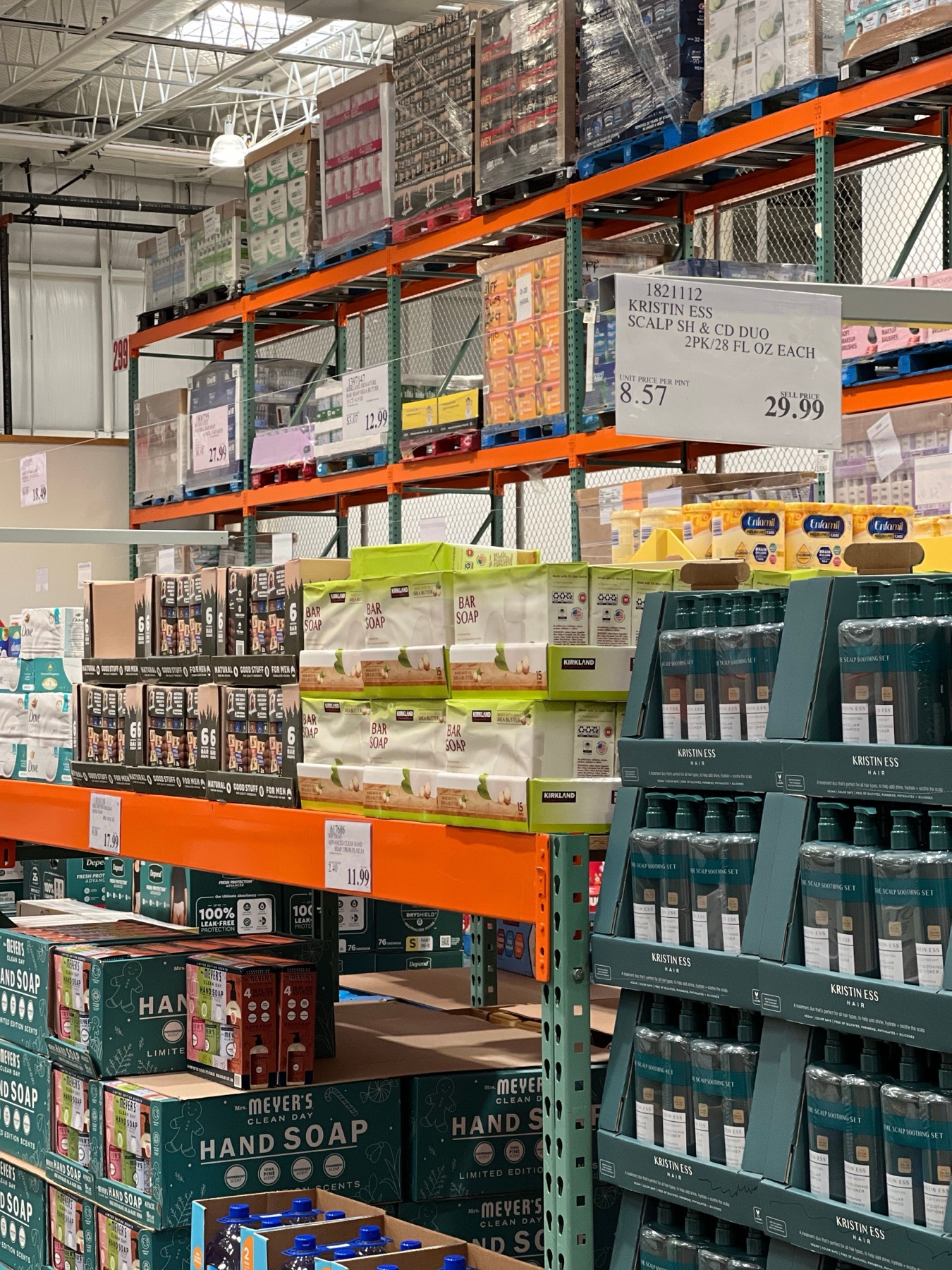
Focus on specialization and fit
Editorial content about MyyShop, a dropshipping solution discussed on DHgate’s blog, stresses spending real time finding the right manufacturer or supplier if you want strong products.Source That applies across channels.
Instead of grabbing random trending items:
- Look for suppliers that specialize in your category (e.g., only pet accessories, only athletic wear).
- Check how many SKUs they carry in that niche and whether new products show up over time.
- Avoid suppliers whose catalogs look like they’re reselling from many other sources without clarity.
Specialized suppliers are more likely to have consistent specs, packaging, and restocks.
Assess reliability signals, not just star ratings
On aggregators and networks (Zendrop, Doba, TopDawg) you may see curated or “selected” suppliers. On marketplaces, you see seller ratings, years active, and feedback. Don’t treat any single metric as a guarantee.
Concrete checks you can run:
- Order history and reviews: Scan multiple recent reviews for mentions of shipping delays, wrong items, or quality surprises rather than just the average score.
- Listing consistency: Compare product descriptions, sizing charts, and photos across a supplier’s listings. Wild inconsistencies are a red flag.
- Communication test: Send a pre‑sale message about packaging, branding, or shipping options. Response speed and clarity matter.
For higher‑risk categories (electronics, skincare, branded goods), increase your threshold: more samples, more communication, and stricter review reading.
Integration quality and operational impact
Dropshipping lives or dies on low operational friction. When evaluating a platform or supplier network, ask these specific questions:
- Does it sync inventory and price changes to my storefront automatically?
- Can I route orders with one click, or do I need manual entry?
- How is tracking information pushed back—API, CSV upload, or not at all?
Platforms like Zendrop and Doba promote real‑time sync and auto‑fulfillment features, which can reduce customer‑service issues from stockouts and delays.SourceSource Treat these as features you should test—not promises.
Always run test orders
Before you ship anything to customers:
- Place at least one self‑funded test order for each key product and supplier.
- Track how long it takes to ship and arrive, and inspect packaging and quality.
- Check if the tracking data matches what the platform showed.
Key Purchasing and Cost Factors in Dropshipping
Even if you never hold inventory, you’re still making purchasing decisions. Understanding MOQ, pricing tiers, lead times, and landed cost keeps your margins honest.
MOQ and order pattern differences
Dropshipping platforms aimed at small sellers often offer no minimum order quantity (MOQ) per SKU. You can buy items one at a time as customers order.
Wholesale-style marketplaces sometimes behave differently. Some listings have MOQs, tiered pricing by volume, or discounts for bulk lots. That doesn’t prevent you from dropshipping, but it changes the math: you may need to buy small batches to unlock better pricing or to ensure stock.
Low or no MOQ is one reason dropshipping is often described as having very low startup costs in DHgate’s MyyShop editorial.Source You avoid tying up cash in large orders and can change product offerings quickly.
Pricing tiers and margin planning
Your margin is retail price minus all costs, not just the product cost. With aggregators and US networks, pricing structures are usually straightforward: a per‑unit wholesale price plus any membership or platform fees.
With global marketplaces, you may see:
- Different price ranges for small vs bulk orders.
- Separate charges for variants, customization, or packaging.
Your margin planning should consider:
- Unit product cost.
- Platform or membership fees where applicable.
- Payment processing fees on your storefront.
- Expected refunds/returns percentage.
Set prices based on the worst‑case landed cost, not the best‑case.
Lead times, shipping options, and landed cost
“Landed cost” is what it truly costs to deliver a product to a customer:
- Product unit cost.
- Shipping charge from supplier to customer.
- Any taxes or duties triggered by cross‑border shipping.
- Packaging and branding extras, if you pay for them.
For US‑stocked inventory (as Doba and TopDawg emphasize), your landed cost is simpler—usually domestic shipping and taxes.SourceSource For cross‑border sourcing, lead times and customs can vary widely.
In practice:
- Ask each supplier for typical dispatch times and shipping methods they use.
- Build buffer into your promised delivery windows, especially for international shipments.
- Consider whether you should limit cross‑border items to markets where shipping is reasonably predictable.
Dropshipping’s flexibility—highlighted in various editorial guides about MyyShop and other platforms—only helps if you understand how those logistics impact customer satisfaction and refunds.Source
Comparing Channels: US Suppliers, Aggregators, and Cross‑Border Marketplaces
You don’t have to pick a single channel forever. Many sellers combine them. But you do need to understand what each channel type is good for and where it’s fragile.
Here’s a compact comparison using the examples discussed:
| Channel type | Example platforms | Typical strengths | Main trade‑offs |
|---|---|---|---|
| All‑in‑one aggregators | Zendrop, Doba | Large catalogs, AI/product tools, built‑in integrations | Less direct control over individual suppliers, platform fees |
| US‑focused supplier networks | TopDawg | U.S.-based stock, faster domestic shipping, curated US suppliers | Smaller catalog than global marketplaces, US‑centric assortment |
| Global wholesale marketplaces | AliExpress, Cross-border multi-seller | Huge cross‑border assortment, factory‑style sourcing relationships | Variable shipping times, more manual supplier vetting, customs risk |
When a US‑focused setup makes the most sense
Prioritize US suppliers and networks if:
- You promise tight delivery windows to US customers.
- Your product categories are well‑covered domestically.
- You want simpler returns and customer support.
A combination of a mainstream storefront plus Doba (for U.S‑stocked inventory) and TopDawg (for extended catalog from U.S. suppliers) is a common pattern for stores that want to keep operations lean while maintaining reasonable shipping speed.SourceSource
When all‑in‑one aggregators shine
Use platforms like Zendrop or Doba as your primary sourcing channel if you:
- Want integrated product discovery tools and AI suggestions.
- Prefer having inventory sync and order routing bundled in one service.
- Are okay with slightly lower margins in exchange for lower operational complexity.
This is often useful for first‑time store owners who don’t want to negotiate individually with suppliers but still want a broad product range.
When cross‑border marketplaces like DHgate are worth the effort
Global marketplaces such as AliExpress or DHgate can be useful when you:
- Need niche, cross‑border products not offered by aggregators or US networks.
- Are willing to vet individual sellers, read listing details closely, and run multiple test orders.
Practical extra steps:
- Compare several sellers for the same item and favor those with clearer descriptions and consistent photos.
- Check seller‑level feedback for mentions of customs issues or packaging problems.
- Keep your initial catalog small so you can monitor cross‑border performance closely before scaling.
This approach lets you tap into cross‑border sourcing flexibly while relying on more structured platforms for the bulk of your catalog.