
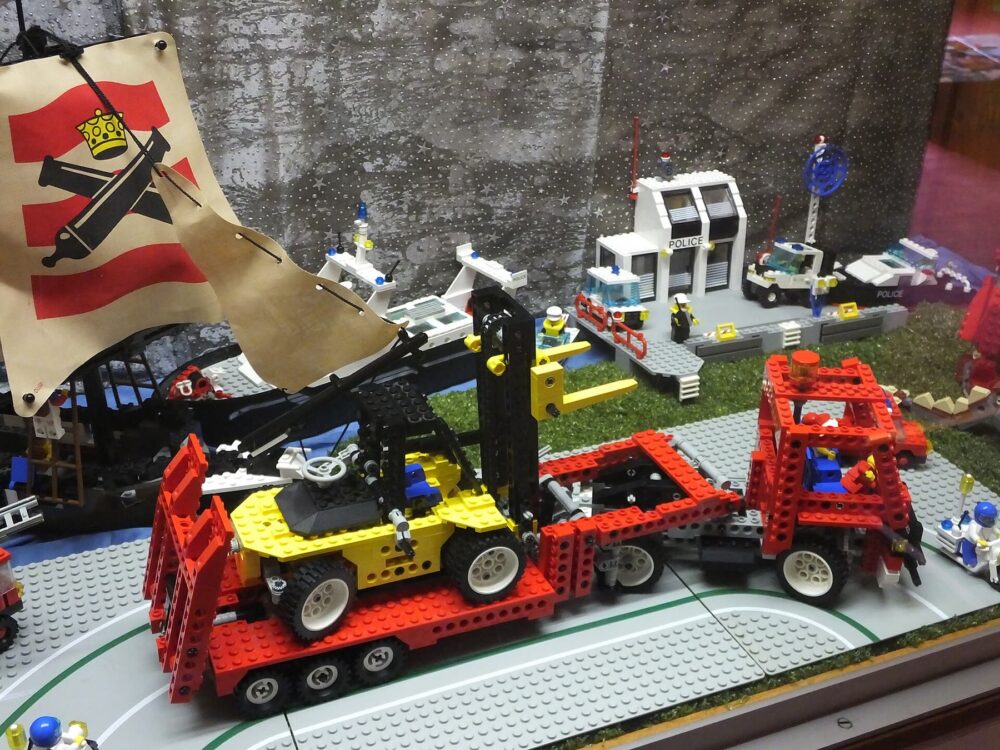
Diecast flipping only works as a business if you treat it like one: buy the right brands and editions, source consistently in bulk, know your true landed cost into Canada, then resell through the channels collectors already trust. Most profitable small resellers start with familiar names (Hot Wheels, Matchbox, Tomica), limited runs, or iconic movie and race cars, then mix local finds with carefully chosen cross-border wholesale.
Below is how that looks in practice if you’re a Canadian buyer or small ecommerce seller.
How Diecast Collecting and Flipping Actually Work
Diecast toy cars and trucks are metal models produced by injecting molten alloy (often zamak) into molds — a process described in Wikipedia’s die-cast toy overview. Collectors focus on the enjoyment and long-term curation of these models; flippers focus on buying at one price and selling at a higher one as demand shifts.
For business purposes, divide inventory into three buckets:
- Bread-and-butter brands. Common lines from Hot Wheels, Matchbox and Tomica are considered safe, familiar bets for collectors. They move quickly at lower price points and can be bought in cases or multipacks.
- Rarity and limited editions. Short-run series, chase pieces, convention exclusives, and models tied to specific events or anniversaries often attract higher prices, but are harder to source reliably.
- Icons and themes. Models tied to famous movie/TV cars (e.g., Ghostbusters Ecto-1), vintage muscle cars, racing liveries, or historically significant vehicles tend to hold collector interest over time.
If you mainly collect, you buy what you personally like and occasionally trade. If you flip, you build a portfolio of models with repeatable demand and a clear spread between acquisition cost and resale price.
That difference shapes your sourcing strategy:
- A collector might chase one ultra-rare piece through an auction house or specialist dealer.
- A flipper usually needs predictable stock they can replenish — often modern releases and mid-range collectibles from wholesale-friendly channels.
From Factory to Shelf: Where Inventory Comes From
Most diecast models are produced at scale in Asian factories, then move through several layers before they reach a Canadian buyer:
- Brand / manufacturer – designs and commissions the molds and production (e.g., a brand’s own factory or contracted plant).
- Regional distributors – buy large volumes and sell to hobby shops, big-box retailers, and specialist dealers.
- Specialist dealers and online shops – curate high-quality or rare models and sell globally.
- Marketplaces and secondary channels – eBay, Amazon sellers, local shows, forums and groups where collectors and resellers trade.
As a small reseller, you almost never buy direct from the factory. You plug in at steps 3-4.
Practical supplier options for Canadian buyers
A few types of suppliers keep showing up in collector-focused research:
- Reputable diecast dealers. DHgate’s editorial blog highlights Motor Mint, Model Car World and Diecast Direct as long-standing dealers with a focus on high-quality collectibles. They’re useful for curated, higher-end stock, though prices reflect that specialization.
- Online retailers and marketplaces. Platforms such as eBay, Amazon and Canadian-focused sites like Diecast Depot typically offer a wide range of common and hard-to-find models.
- Auction houses. Collector-oriented auction houses including RM Sotheby’s, Bonhams and Barrett-Jackson sometimes feature rare diecast models in their catalogs.
Each option fits a different part of your resale business.
What to look for in a diecast supplier
To keep things specific to diecast, focus less on generic “good reviews” and more on signals tied to this category:
- Brand authorization and focus. Does the dealer regularly stock known diecast brands and scales (1:64, 1:43, 1:18, etc.), or are diecasts a random add-on? A focused catalog makes it easier to build consistent lines.
- Edition and release information. Good dealers and serious marketplace sellers describe release year, series name, and any limited-edition notes. That matters when you resell, because collectors search by these specifics.
- Condition and packaging detail. For flipping, you generally want models in unopened, undamaged packaging. Listings that clearly show blisters, boxes, and any flaws reduce surprises.
- Stock depth. If you plan to resell a particular line, check whether the supplier can actually provide multiple units or case quantities instead of single, one-off items.
For Canadian cross-border buyers, you also need clarity on shipping methods, declared value, and HS codes because they affect duties and GST/HST. Many specialist dealers and larger marketplaces list at least basic international shipping information; smaller or individual sellers may not.
Pricing, MOQs and Channel Choices for Canadian Flippers
Profit in diecast flipping is a simple equation: resale price – landed cost – platform fees. The hard part is getting the landed-cost and channel choice right.
How MOQ and landed cost affect you
Minimum order quantities (MOQs) appear mostly when you step beyond pure retail:
- A collector buying from Motor Mint or Diecast Direct might order one or two units of a premium 1:18 model and call it a day.
- A flipper building a Hot Wheels side business might want full cases or lots of 20-50 models at a time; some distributors or wholesalers will only talk in those volumes.
Because you’re in Canada, every sourcing channel should be evaluated in terms of landed cost:
- Product price – unit cost, and any bulk discounts.
- International shipping – to your province, often higher for heavier 1:18 models.
- Import duties & GST/HST – depends on HS classification and declared value.
- Marketplace fees on resale – seller fees on eBay, Amazon, or your own platform.
That’s why buying a seemingly cheap limited edition from an overseas auction or marketplace doesn’t automatically make it a good flip. If shipping and taxes erase your margin, it’s a hobby purchase, not inventory.
Comparing sourcing channels for a small Canadian reseller
Here’s a compact view of how common sourcing routes fit different diecast business goals:
| Sourcing route | Typical use-case for a Canadian flipper | Strengths for diecast inventory | Main limitations for business use |
|---|---|---|---|
| Reputable dealers (Motor Mint, Model Car World, Diecast Direct) | Higher-end models, detailed replicas, limited editions | Curated quality; good product detail; access to special runs | Higher unit prices; less ideal for low-margin bulk flipping |
| Large marketplaces (eBay, Amazon, Diecast Depot) | Bread-and-butter brands, mixed lots, some rare finds | Huge range; competitive pricing from multiple sellers | Mixed seller quality; risk of mislabelled or fake items |
| Auction houses (RM Sotheby’s, Bonhams, Barrett-Jackson) | Truly rare, high-value pieces to anchor a collection or brand | Provenance and rarity; potential headline pieces | High fees; bidding risk; not a steady bulk supply |
| Cross-border wholesale marketplaces (e.g., DHgate) | Occasional bulk buys of toy-related or giftable items, possibly including diecast-style products | Can connect you to factories or trading companies | Category may be thin; must vet each supplier and listing |
Large marketplaces like eBay and Amazon, along with region-focused sites such as Diecast Depot, are where many collectors and casual buyers already search. That makes them practical both for sourcing and resale: you can buy mixed lots, then relist desirable pieces individually.
Specialist dealers help you differentiate with premium models or limited runs, but they’re rarely the cheapest option per unit. Auction houses are best treated as special-project sources; research their fees and bidding rules in advance so you don’t overspend chasing a single piece.
Where a marketplace like DHgate fits
DHgate is a cross-border marketplace that connects buyers with overseas suppliers, mainly in Asia. You may occasionally find diecast or diecast-adjacent toys and gift products there in bulk, but it’s not a dedicated diecast collector hub.
If you do consider DHgate for inventory:
- Treat every listing as a separate business partner to vet — examine product photos, descriptions, and any mention of brands or licensing very carefully.
- Message suppliers about packaging condition, case quantities, and whether models are generic toys or recognizable collector brands.
For general guidance on evaluating suppliers in that environment, you can use DHgateWiki’s broader pieces on finding and judging suppliers, such as Find wholesale suppliers on DHgate and Choose a DHgate wholesale supplier.
Flipping etiquette vs collector ethics (micro-FAQ)
Is it “wrong” to flip diecast models instead of just collecting them? Many enthusiasts argue that buying only for profit changes the hobby’s spirit, but reselling has always been part of collecting. The friction comes when buyers clear retail shelves only to relist overnight at huge markups. If you want to build a business without alienating local collectors, balance bulk sourcing from non-retail channels with respectful buying at local stores.
How do I avoid counterfeits or misrepresented models? Counterfeit or crudely modified models exist, especially in online marketplaces. Focus on sellers who show clear, close-up photos; state brand, series, and release details; and have a track record of positive feedback from other diecast buyers. For high-value pieces through dealers or auctions, provenance and documentation matter almost as much as the model itself.
If you treat diecast flipping as a niche resale business — with clear sourcing strategy, careful landed-cost math, and a sense of collector culture — you’ll make more consistent decisions, even when the right call is to walk away from a “deal” that doesn’t actually pencil out.