
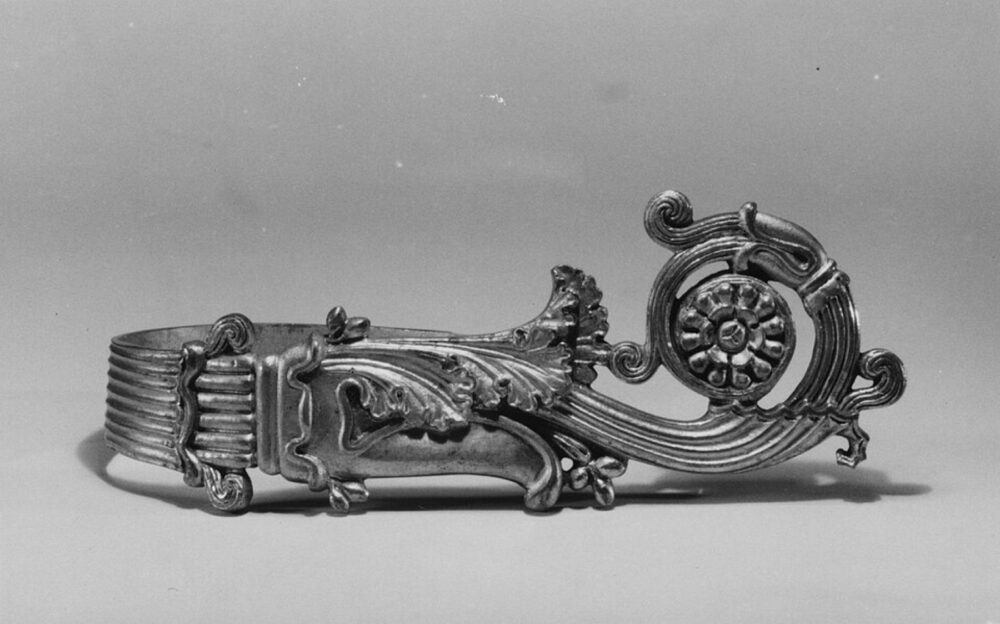
If you do it thoughtfully—using DHgate’s search filters and ratings, asking for samples, and comparing against direct OEM factories—you can get distinctive tiebacks at true wholesale costs. If you rush it, you risk boxes of fraying rope or off‑color tassels that don’t match your curtains.
How Curtain Tiebacks Wholesale Buying Works for Small US Decor Businesses
Wholesale buying of curtain tiebacks is simply purchasing these accessories in bulk from manufacturers or suppliers at discounted per‑unit rates so you can resell or bundle them with drapery installs. Trim and handicraft makers typically offer several styles:
- Rope tiebacks in cotton, polyester, or blended fibers
- Tassel tiebacks with decorative heads and fringe
- Beaded or embellished tiebacks aimed at luxury or boho interiors
Specialized producers like Evnub Trims and Mohit Handicrafts show the pattern clearly: they position rope, tassel, and beaded tiebacks for OEM customization and wholesale, not one‑off retail. You’ll usually see language about custom colors, materials, and branding for bulk orders.
Where are these made? Most of the OEM and trim factories are in China and India, with some European decorative brands selling finished tiebacks into boutiques. As a US buyer, you’re generally choosing one of three supplier archetypes:
- OEM/trim manufacturers – Factories that weave rope, tassels, and beaded trims and can customize designs.
- Handicraft workshops – Smaller makers focused on artisanal or regional styles (macramé, carved holdbacks, etc.).
- Wholesale distributors/marketplaces – Platforms aggregating many small producers, where you source by listing instead of factory.
Pricing and MOQ are tied together. You won’t see public, reliable numbers for every supplier, but the norm is: the more pieces you buy of a given design, the lower the per‑unit cost. True factory OEM runs typically require higher MOQs; marketplace listings aimed at small buyers often accept smaller cartons or even mixed designs.
Evaluating Cross-Border Curtain Tieback Suppliers and Listings
On DHgate or similar marketplaces, you aren’t vetting “DHgate” itself—you’re vetting hundreds of individual sellers. DHgate’s own editorial guidance suggests a simple backbone: use search filters, check supplier ratings and transaction history, and order samples before large commitments.
For curtain tiebacks, make that process concrete:
1. Use specific search and filters
Search terms like “curtain tassel tieback,” “rope curtain tiebacks,” or “beaded curtain tiebacks” will surface relevant listings. Then narrow down with filters for material, color, and style where available. DHgate’s blog notes that its filters let you zero in on products that match your criteria; use that to avoid wading through unrelated curtain rods or fabric.
On other channels, you do something similar by category: for example, browsing the curtain tieback collection at a trim maker like Evnub Trims to see if their rope or tassel base designs match your brand.
2. Read ratings and transaction history as risk indicators
DHgate’s ecommerce guide recommends checking supplier ratings, reviews, and past transaction volume to judge whether a seller is established and reliable. For tiebacks, specific things to look at in reviews include:
- Comments on fraying, shedding, or loose beads
- Color accuracy vs. photos
- Consistency between batches
Low feedback or no transaction history doesn’t automatically mean “bad,” but it raises the bar for how carefully you test with samples.
3. Ask about certifications and materials
DHgate’s sourcing tips highlight certifications, MOQ flexibility, and manufacturing capabilities as useful checks on Chinese suppliers. Tied to tiebacks, that translates to questions like:
- What fiber or metal alloys are used? Any labeling requirements for your market?
- Do they follow any recognized textile or dye standards if you care about eco or hypoallergenic claims?
- Are tassel heads glued, sewn, or cast in a way that stands up to repeated use?
You’re not assuming certifications guarantee safety; you’re using them as evidence that the factory takes standards seriously.
4. Samples before you bet your brand
DHgate’s blog is explicit about ordering samples before committing to larger orders. Treat samples as a stress test:
- Tug the rope to check stretch and resilience.
- Comb tassels to see if strands fall out.
- Compare one sample against another for color match.
From OEM manufacturers like Evnub Trims’ custom curtain tiebacks, samples also let you verify that custom colors and bead layouts really match your brand palette.
5. Clarify MOQs and customization in writing
Follow DHgate’s advice on asking about minimum order quantity and manufacturing capabilities, but keep it specific: “Can I mix three colors to reach your MOQ?” or “What is the smallest batch for a custom tassel with my brand tag?” Document agreements in the marketplace messaging system or email so you can reference them if a repeat order drifts.
MOQ, Pricing and Channel Choice: DHgate Versus Other Wholesale Options
Wholesale tiebacks live or die on MOQ and landed cost—product price plus freight, duties, and your handling. DHgate’s blog describes a tiered pricing pattern: suppliers often charge less per unit at higher order quantities, and minimum order requirements on DHgate tend to be lower than on some other Chinese sourcing sites.
That matters for small decor businesses because it changes which channel is workable at your scale.
Here’s a compact way to think about it:
| Channel type | Typical MOQ feel (editorial) | Pricing pattern (editorial) | Best fit scenario (editorial) |
|---|---|---|---|
| DHgate marketplace | Often small to medium; many sellers willing to work with lower carton sizes per DHgate blog | Tiered pricing; per‑unit cost drops as quantity increases, even for relatively small bulk orders | Testing multiple tieback styles with limited capital; expanding a small online store |
| Alibaba / Made‑in‑China | Often medium to large factory MOQs, especially for OEM runs | Strong discounts at higher volumes, but many factories expect sizable commitments | Importing large, consistent volumes of a few core designs |
| Direct OEM trim factories | Medium to very large, depending on customization | Negotiated project pricing; best margins at scale | Established retailers standardizing on house‑brand tiebacks |
This table isn’t a promise of exact numbers—suppliers set their own MOQs and prices—but reflects how these channels position themselves.
On DHgate, tiered pricing works well when you’re scaling a winning SKU. You might test 40-60 pieces across two colors in your first order, then step up to a few hundred once reviews and margins look solid, taking advantage of lower per‑unit pricing as quantities increase.
If you already know you’ll sell thousands of a specific tassel style per quarter, a direct OEM deal or a factory you discover via Alibaba or Made‑in‑China can be more cost‑effective, even if the initial MOQ is higher. Many trim makers such as Mohit Handicrafts are set up for that longer‑term, branded relationship.
A mini scenario: first order vs. repeat order
- First DHgate order (risk‑controlled): You identify three rope tieback listings that match your aesthetic. You sort by rating, pick sellers with solid feedback and transaction history, negotiate small MOQs, and order samples and then a small first batch. You track customer reviews on your own shop before reinvesting.
- Repeat order (scaling or switching): If one style sells briskly and quality is consistent, you use DHgate’s tiered pricing to increase quantity from that supplier. If quality slips or communication becomes difficult, you switch to a different DHgate seller or step up to a trim factory you’ve researched elsewhere.
The point is to keep every channel on a short performance leash. DHgate’s lower MOQs and marketplace structure are helpful for experimentation; direct manufacturers and high‑MOQ platforms are better once you have clear proof of demand and tight specifications.
Using DHgate Effectively for Curtain Tiebacks
If you decide DHgate is worth including in your sourcing mix, treat it as a curated directory, not a single supplier.
Practical steps:
- Focus your search – Use category and keyword filters to home in on “curtain tiebacks,” then refine by style (rope, tassel, beaded) and material. Don’t mix in rods or fabric on the same order unless you’re comfortable evaluating both.
- Shortlist 3-5 suppliers – DHgate’s editorial advice is to talk to several suppliers offering similar products. Compare their ratings, transaction volumes, and responsiveness in chat before deciding who gets your test order.
- Probe MOQ flexibility – Ask directly how low they’ll go on a first order and whether you can mix colors or styles to reach that MOQ. This matters for boutique‑scale operations.
- Lock in specs and packaging – Share clear photos or links of the look you want, specify total length, tassel size, fiber content, and any carding or bagging needs for retail display.
- Request samples and document everything – Use samples to validate quality and color. Keep all agreements in writing.
For more DHgate‑specific how‑tos, you can dig into our guides on finding wholesale suppliers on DHgate, finding DHgate suppliers, and choosing a DHgate wholesale supplier.
When DHgate Is Not the Best Fit
Despite its advantages for small buyers, DHgate won’t fit every tieback strategy.
You may be better off with direct manufacturers or specialty trim wholesalers if:
- You need very high‑end, branded European or designer tiebacks that aren’t produced in Chinese factories.
- Your volume is large and predictable enough to justify higher MOQs in exchange for long‑term pricing and exclusive designs.
- You want a single supplier to handle both fabric and trim under strict brand standards.
In those cases, reaching out to OEM trim makers (like the ones exemplified by Evnub Trims or Mohit Handicrafts) or established import distributors can make more sense. DHgate is strongest as a flexible testing ground and ongoing source for small to mid‑size orders of standard styles.
If you’re a US boutique or online seller just starting to explore curtain tiebacks, use DHgate and similar marketplaces to learn the category, verify what sells, and build a short list of reliable partners—then graduate some of those relationships into deeper factory deals when your demand and brand are ready.