
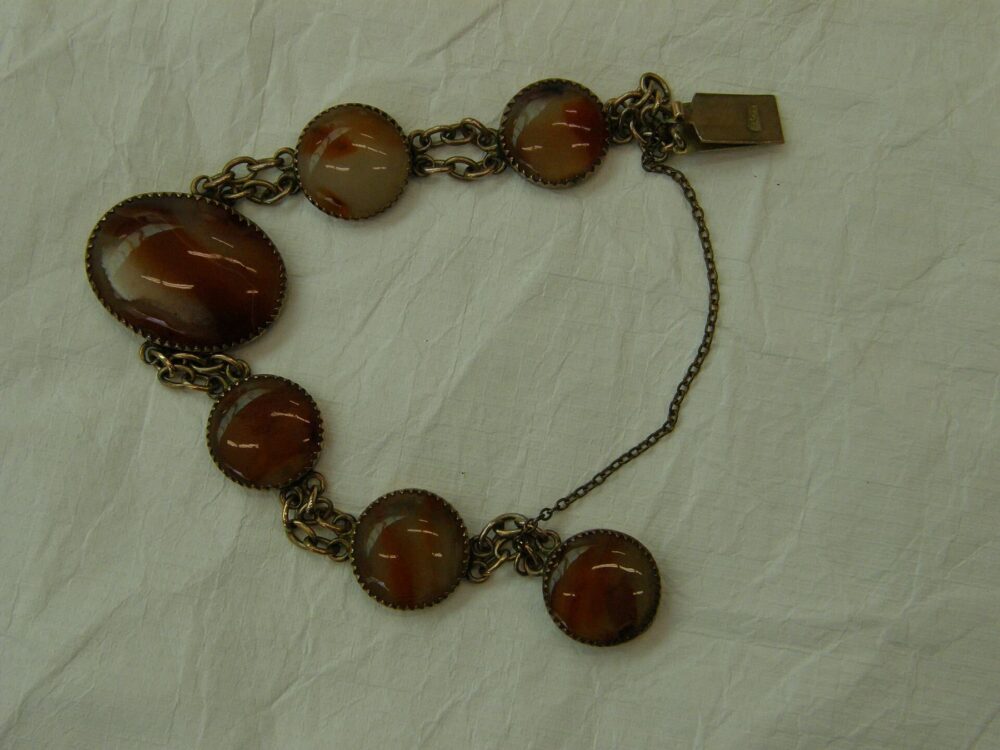
Wholesale crystal and gemstone bracelets are bulk lots of beaded or stone-set bracelets sold to retailers and small ecommerce shops at per-piece prices low enough to leave you a margin. Your real job isn’t just “finding a cheap source”—it’s choosing the right kind of supplier, verifying that the stones and cords are what they claim to be, and understanding your total landed cost before you commit to a carton.
For a US-based buyer, that usually means picking between local or US distributors, specialist crystal wholesalers, and cross-border marketplaces, then backing that choice with samples and clear terms.
How Wholesale Crystal and Gemstone Bracelet Supply Works
In wholesale, “crystal and gemstone bracelets” usually means stretch-cord beaded bracelets and simple stone bracelets made from natural or treated stones. A typical wholesale assortment from a specialist like International Gems & Minerals (IGMLA) includes stretch bracelets, chakra and “healing” styles, and fashion designs using stones such as amethyst, tiger eye, aventurine, quartz, jasper, and similar materials. These are sold in bulk and marketed directly to retailers, metaphysical shops, gift stores, and online boutiques.
Specialist crystal wholesalers such as KT Crystals and Rocrystal focus their catalogs on natural stone bracelets and related jewelry. They sit between factories and store owners: they curate assortments, set wholesale packs or minimums, and present the metaphysical or spiritual angle heavily in product copy.
You’ll also see broader jewelry or gift wholesalers and marketplaces where bracelets are one category among many. Their value is often variety and price rather than deep knowledge of stones. The supply chain behind them is mixed—some stock US-held inventory, some drop-ship from overseas manufacturers, and some simply aggregate multiple small makers.
For your business, the question is: do you need a wide, fashion-first mix of “gemstone-style” bracelets, or a tight range of specific stones with credible origin and treatment info? That answer pushes you toward one supplier type or another.
Choosing and Vetting Crystal Bracelet Suppliers
Because stones and metaphysical marketing can be confusing, supplier vetting for this category should be more specific than for a generic fashion bracelet.
What to look for in a product range
A solid wholesale partner will show:
- Clear separation of materials: e.g., natural stones vs dyed or synthetic beads, metal vs elastic bracelets.
- Named stones and variants: product titles and descriptions that say “amethyst 8 mm stretch bracelet,” “tiger eye chip bracelet,” etc., rather than only “healing bracelet.”
- Consistent assortments: similar bead sizes and finishes across lots, essential if you plan curated sets.
Browse assortments from suppliers like IGMLA or Rocrystal and you’ll see how a wholesale-oriented catalog is structured: dozens or hundreds of SKUs, many stones, and repeatable bracelet formats.
Authenticity, treatment, and marketing claims
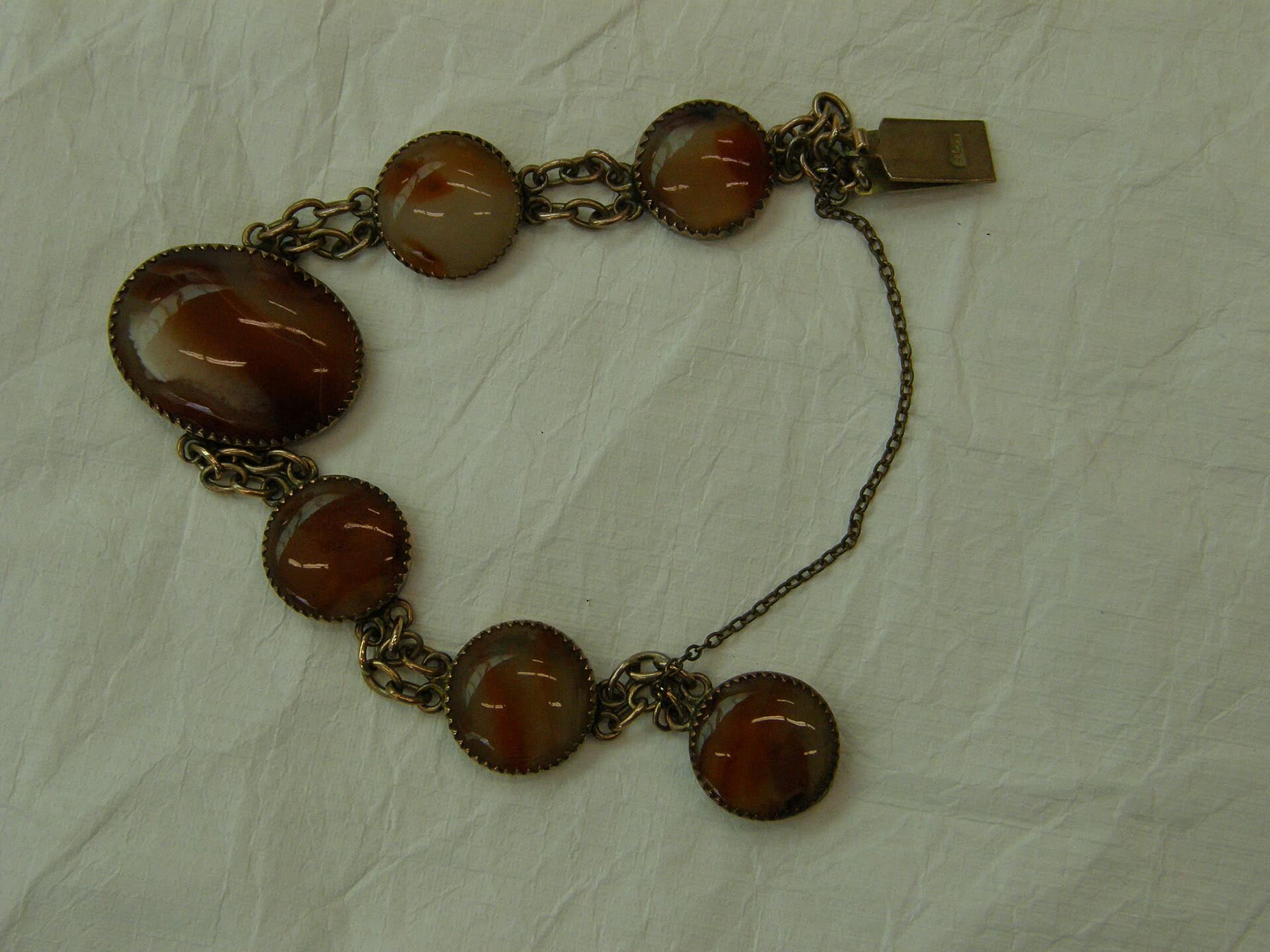
Many bracelet listings talk about “healing,” “energy,” or chakra balancing. That’s marketing language, not certified medical advice. As a buyer, treat those claims as a branding style and focus instead on:
- Material disclosure: does the supplier say if stones are natural, dyed, stabilized, or reconstituted?
- Origin/treatment info where relevant: even basic notes like “Brazilian amethyst” or “heat-treated citrine” show they understand their stock.
- Honest photos: studio shots that match customer photos or social posts, not obviously color-saturated images.
If a supplier leans heavily on metaphysical language but is vague on material details, expect inconsistent lots.
Sample and durability checks tailored to stretch bracelets
Before you lock into a big order, get small samples and test them the way your customers will use them:
- Stretch cord quality: flex the bracelet repeatedly; gently pull as if removing it one-handed. Poor elastic frays or loosens quickly.
- Bead drilling and finish: check that holes are centered and edges are smooth so bracelets don’t cut the cord over time.
- Color consistency: line up multiple samples of the same SKU. Big variance in bead size or hue is a red flag for bulk orders.
Do this across at least two or three stone types. Inconsistent quality between stones suggests weak QC.
Basic supplier red flags for US buyers
For US-based retailers, be skeptical of suppliers who:
- Won’t provide real-life photos of the exact batch or similar bulk lot.
- Mix obvious glass or plastic beads into “natural gemstone” assortments without labeling them.
- Cannot describe typical shrink-wrapped, carded, or bagged packaging for bulk shipments.
Any channel you use—local wholesaler, specialist, or marketplace—should pass this bracelet-specific checklist.
MOQs, Pricing, and Channel Choices (Including Marketplaces)
Wholesale crystal bracelet buying revolves around three levers: how many pieces you must buy (MOQ), how much variety you get per carton, and how far the stock has to travel.
Typical wholesale economics
Specialist wholesalers and online crystal suppliers usually price per bracelet with tiered discounts by volume, aimed at retailers and gift shops. You’ll see copy aimed at “maximum margins” on sites like IGMLA and Keystone Crystals, emphasizing bulk orders rather than single-piece sales.
Minimums can be per SKU (e.g., a fixed number of amethyst bracelets) or by mixed assortments where you choose stones but accept a standard mix of colors and bead sizes.
Local US wholesalers vs online specialists vs cross‑border marketplaces
Here’s how the main channel types tend to differ for a US buyer:
| Channel type | Assortment & expertise | MOQs & flexibility (editorial) | Logistics & risk (editorial) |
|---|---|---|---|
| Local/US crystal wholesaler | Focused on stones and metaphysical products; staff often know basic gem info. | Usually moderate MOQs; easier to re-order fast sellers. | Shorter transit, simpler customs; higher unit cost but more predictable. |
| Online specialist (e.g., IGMLA, KT Crystals, Rocrystal) | Very wide bracelet selection, many stones and formats, curated for retailers. | MOQs vary by SKU; good for broad but consistent assortments. | Mix of US-held and imported stock; shipping times depend on warehouse location. |
| Cross-border marketplace | Huge variety across styles; quality and materials vary widely by seller. | Some listings allow small trials; others expect bulk cartons. | Longer transit, customs handling, and more supplier-to-supplier variability. |
Local or US-based distributors often reduce shipping time and customs complexity compared with importing small bracelet lots directly from overseas. You pay more per piece but gain predictability and faster replenishment.
Cross-border routes can make sense if your priority is low cost or very specific styles you can’t find locally, and you’re willing to manage longer lead times and more product variance.
A bounded DHgate marketplace snapshot
DHgate is one example of a cross-border marketplace where various sellers list crystal and gemstone-style bracelets and jewelry sets at wholesale-oriented price ranges.
On 2026-10-14, a spot check of several relevant listings showed per-piece prices mostly in the low to mid two-digit USD range:
- Healing-style gemstone bracelet – “Stones and Crystals Jewelry Tiny3 mm Genuine Gemstone Beaded Bracelets Birthstone Healing Crystal Bracelet Women” in the Charm Bracelets category, priced around $35.18–$36.85 per piece (product page).
- Crystal/gemstone fashion bracelet – “Gold-Toned Bracelets with Pearl, Gemstone Beads and Crystal … Unique Fashion Jewelry” in Chain bracelets, around $5.67–$10.42 (product page).
- Natural crystal bracelet – “1pc high quality natural bracelet natural crystal bracelet … gemstone jewelry glitter healing crystal” in Charm Bracelets, around $20.87–$21.86 (product page).
- Colored gemstone women’s bracelet – “Fashionable and exquisite crystal colored gemstone womens bracelet…” in Chain bracelets, around $24.21–$25.35 (product page).
Listings, prices, and availability change regularly, and each seller is independent. If you explore this route, your vetting work shifts to the individual listing:
- Read titles and descriptions carefully for material claims.
- Compare photos across reviews and related products to judge consistency.
- Start with small orders where possible and treat them as extended samples before scaling.
For more general guidance on finding and screening marketplace suppliers, you can also review DHgateWiki’s broader sourcing pieces, such as Find wholesale suppliers on DHgate, Find DHgate suppliers, and Choose a DHgate wholesale supplier.
Matching the channel to your business stage
- Testing a new product line (under a few hundred bracelets): lean on US-based or online specialist wholesalers with low MOQs; use samples and small mixed lots to find your core SKUs.
- Scaling a proven line with clear specs: once you know exactly which stones, bead sizes, and packaging work for your customers, you can consider crossing over to lower-cost, higher-risk channels, including select cross-border suppliers, but only after side-by-side sample comparison.
Crystal and gemstone bracelets can be a high-margin category, but only if your sourcing decisions keep quality, authenticity, and landed cost under control. Start small, use targeted tests on stretch and stones, and let those results—not just the price per bracelet—decide which wholesale route is actually worth scaling.