
You can absolutely stock craft supplies for creative reuse from cross‑border wholesalers like DHgate, but it’s not a straight swap for a local reuse center. DHgate and similar marketplaces are good for new, repeatable inputs—beads, foam shapes, stickers, fabric offcuts—while nonprofit creative‑reuse centers supply unpredictable donated scrap streams. To make cross‑border sourcing work, you need to match materials to your reuse model, vet each seller, and build a simple landed‑cost spreadsheet before you commit to cases of anything.
For a small US craft studio, Etsy shop, or kids’ kit brand, that usually means: use DHgate or Alibaba for the items you must replenish consistently (cardstock blanks, glue sticks, safety scissors), and keep local creative‑reuse centers for serendipitous, low‑cost scrap that makes your projects unique.
Because no DHgate listing data was available at research time, this article focuses on marketplace‑level practices rather than individual products or prices.
How Craft Supplies and Creative Reuse Fit into Wholesale Sourcing
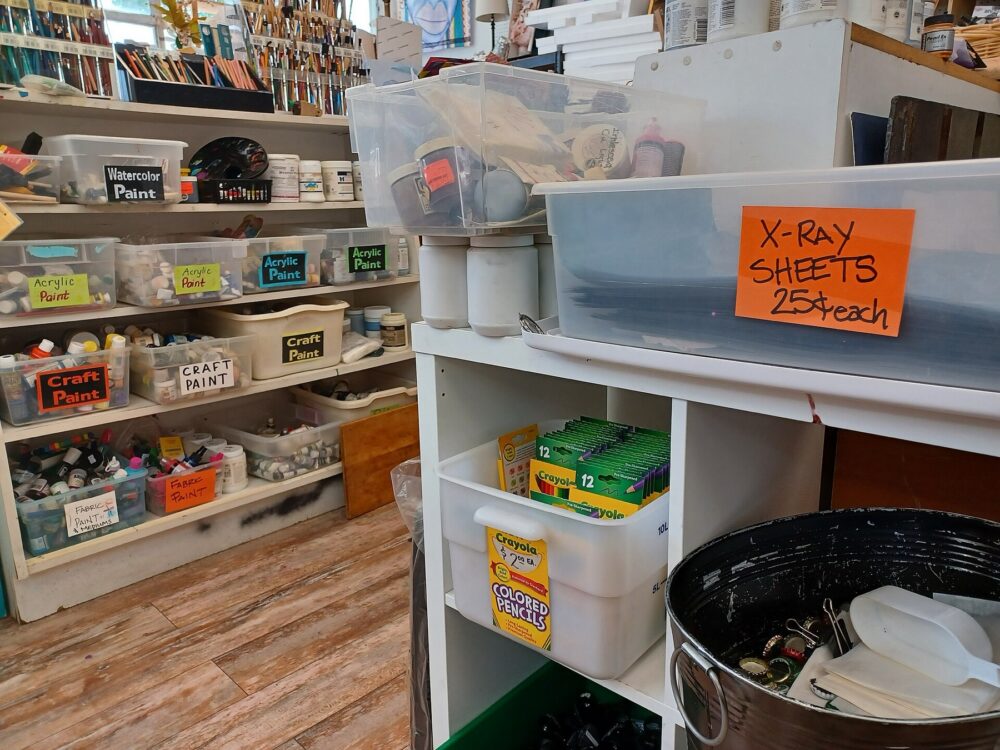
“Creative reuse” grew out of nonprofits that collect donated art and craft materials—fabric yardage, yarn, paper, office supplies, odd hardware—and resell them cheaply to divert waste and keep makers supplied. Profiles of centers in places like Los Angeles and Tucson highlight the same mission: keep usable materials out of landfills, make craft supplies affordable, and support educators and artists.
For a business buyer, that translates into three material streams:
- Post‑consumer or post‑industrial scrap: shirts, packaging, trim, misprints, office surplus. Great for one‑off art, not for standardized kits.
- Conventional new craft supplies: markers, paints, foam sheets, felt, stickers, blanks. These usually come from wholesalers or import marketplaces.
- Hybrid lots: things like discontinued colorways, end‑of‑roll fabric, or misprinted labels that can be repurposed.
Articles on reuse, like this overview of reusing old art supplies, show how scrap and leftover materials can be turned into new projects. A small business can apply the same logic at scale by treating scrap as one input stream alongside new wholesale supplies.
Cross‑border platforms like DHgate sit on the “new” side. DHgate is a large China‑based B2B marketplace that connects manufacturers and suppliers with buyers worldwide, across tens of millions of product listings. Its craft‑related editorial content highlights categories such as decorative fabrics, wooden plaques, foam, glue, patches, and holiday stickers—exactly the types of items you see in kids’ kits and DIY workshops.
The creative reuse opportunity for a small business is to blend these streams. You might import plain tote bags and fabric markers in bulk, then source unique embellishments—vintage buttons, surplus ribbon, unusual papers—from a local reuse center. Or run workshops where the “base” materials are standardized imports, but attendees dig through donated scrap for the fun details.
Choosing and Vetting Cross‑Border Craft Suppliers
Online marketplaces give you thousands of craft listings; only a handful will actually fit your reuse‑friendly business. DHgate’s editorial guides on ecommerce sourcing and DIY craft materials advise buyers to use filters, check ratings and transaction history, and order samples before larger wholesale orders.Source
For craft materials, make those checks more specific.
Focus your search by project, not by vague category
Instead of searching “craft supplies” and scrolling, start with the use case:
- Kids’ art kits: child‑safe glue, blunt scissors, foam shapes, stickers, coloring sheets.
- Subscription boxes: small but high‑impact embellishments (charms, washi tape, die‑cut shapes).
- Studio workshops: bulk basics like cardstock, canvases, paintbrushes, embroidery hoops.
On DHgate or Alibaba, filter by material (cotton vs polyester, metal vs plastic), size, and color range. Then check whether the listing makes sense for creative reuse—can offcuts, leftover pieces, or packaging be reused instead of trashed?
Craft‑specific supplier checks
On any marketplace listing, go beyond generic “4‑star rating” checks:
- Material composition clarity: For fabric, thread, beads, foam, you need the fiber or resin type spelled out. Ambiguous “mixed material” descriptions can be fine for adult makers but risky for kids’ products.
- Color and pattern consistency: Creative reuse thrives on variety, but a subscription box still needs a baseline level of consistency. Look for sellers who show real‑world photos of multiple units, not just mockups.
- Lot size and mix: Some sellers offer mixed color packs or “assorted shapes” that work well for reuse‑style projects, where you don’t care which exact sticker design goes to which customer. Others sell highly uniform bulk that’s better for branded kits.
- Ratings and review content: DHgate’s craft‑materials article recommends checking seller ratings and reading buyer feedback before making a purchase.Source For this category, sort reviews for comments on shedding glitter, ink coverage, fabric fraying, or smell—anything that would ruin a classroom experience.
Communicate with sellers early. DHgate editorial suggests messaging sellers to clarify product details or request customization.Source Use that to ask craft‑specific questions:
- Can they ship mixed colors instead of all one shade?
- Will they package in inner bags that you can reuse directly in your kits?
- Are there cheaper, surplus variants (e.g., misprinted ribbon) that could work for your brand?
Ordering samples is non‑negotiable for consumables like paint, markers, glue, and anything used by children. Test how they behave on scrap materials, not just pristine paper: do they bleed through cardboard, crack on plastic, or peel off fabric in the wash?
For marketplace‑specific seller checks and outreach steps, pair this craft‑focused guidance with the internal articles on finding DHgate suppliers and choosing a DHgate wholesale supplier.
MOQ, Pricing, and Channel Trade‑Offs for Creative Reuse Sourcing
Your real decision isn’t “DHgate or reuse center.” It’s how to mix four channels—DHgate, other cross‑border marketplaces like Alibaba, domestic wholesalers, and local creative‑reuse centers—within your minimum order quantity (MOQ), budget, and sustainability constraints.
What your landed cost actually includes
For imported craft supplies, the unit price on a listing is just the starting point. A simple spreadsheet should capture:
- Unit price (per piece or per pack).
- Shipping cost spread across units.
- Import duties and fees where applicable.
- Packaging: both what you buy and how much of the supplier’s packaging you can reuse instead of discard.
- Waste rate: how many units you expect to scrap due to defects, misprints, or project‑design changes.
DHgate’s wholesale and business‑buyer blog content highlights potential advantages like bulk purchases with tiered pricing, relatively low MOQs compared with some traditional B2B sites, diverse product range, and possible customization for branding.SourceSource Those can all help your landed cost, but only if you model them.
Instead of using hypothetical numbers, think in terms of relationships:
- As MOQ increases, unit price often drops.
- As your waste rate rises, your effective cost per used piece rises.
Creative reuse projects often tolerate variation, so you can sometimes buy multiple smaller lots from different sellers and embrace the mix instead of chasing the absolute lowest unit price.
Comparing sourcing channels for a US craft business
Here’s a compact view of how the main channels tend to fit creative‑reuse sourcing. These are editorial generalizations based on marketplace overviews and reuse‑center missions, not guarantees for every supplier.
| Channel | Typical MOQ & pricing feel | Strengths for creative reuse | Key limitations for small US buyers |
|---|---|---|---|
| Cross-border multi-seller‑style cross‑border marketplace | Many sellers offer bulk tiers and relatively low MOQs compared with some traditional B2B sites; pricing can be attractive at scale.Source | Consistent supply of new basics; potential customization and broad product range for kit components.SourceSource | Cross‑border lead times; quality varies by seller; does not provide true post‑consumer scrap. |
| Alibaba / Made‑in‑China | Often oriented to larger or more industrial buyers; MOQs can be higher, with aggressive pricing at volume.Source | Direct access to OEM factories and industrial materials; useful for custom tools or branded items. | Less friendly to very small orders; more negotiation overhead; slower experimentation for small craft businesses. |
| Domestic wholesalers | MOQs range from case packs to larger quantities; per‑unit prices typically higher than cross‑border, but logistics are simpler. | Brand‑name supplies; fast restock; easier communication and alignment with US safety norms. | Cost can be prohibitive for low‑margin kits; less quirky surplus and hybrid lots. |
| Local creative‑reuse centers | Usually walk‑in, pay‑by‑bin or low per‑item pricing; no formal MOQ.Source | Extremely low cost; unique materials; strong sustainability and community story. | Inventory is unpredictable; hard to standardize subscription boxes or ecommerce listings. |
A practical blend for a US subscription‑box maker might look like this:
- Use DHgate or another B2B marketplace for the repeatable backbone: blank cards, envelopes, foam shapes, glue sticks, washi tape in core colors.
- Use a domestic wholesaler for safety‑critical or branded items: non‑toxic paint from recognized brands, branded pencils, kid‑safe scissors.
- Use creative‑reuse centers for surprise elements: unusual papers, fabric remnants, vintage stickers, trim—anything where variation is a selling point.
If you run a local craft studio, your mix might swing even harder toward reuse centers, since you can adapt workshops to whatever scrap shows up and lean on imported basics only for items you constantly run out of.
When DHgate makes sense—and when it doesn’t
DHgate is a reasonable option when:
- You need ongoing supply of specific craft inputs and your volumes justify tiered bulk pricing.Source
- You can test samples and are comfortable managing some variability between sellers.Source
- Your projects use new materials but you still want to minimize waste by reusing leftover components in future boxes or classes.
It’s less relevant when:
- Your whole brand promise is built on true salvaged materials and one‑off finds.
- You need tight regulatory control (for example, certifying every pigment for children’s use) and prefer domestic, brand‑name supply chains.
- Your volume is so small that even relatively low MOQs still lock you into stock you can’t move.
If you do decide DHgate is a fit, pair the marketplace‑specific guidance in find wholesale suppliers on DHgate with the craft‑specific checks above, and keep your first order small enough that a mistake becomes a learning expense, not a warehouse full of unusable glitter.