
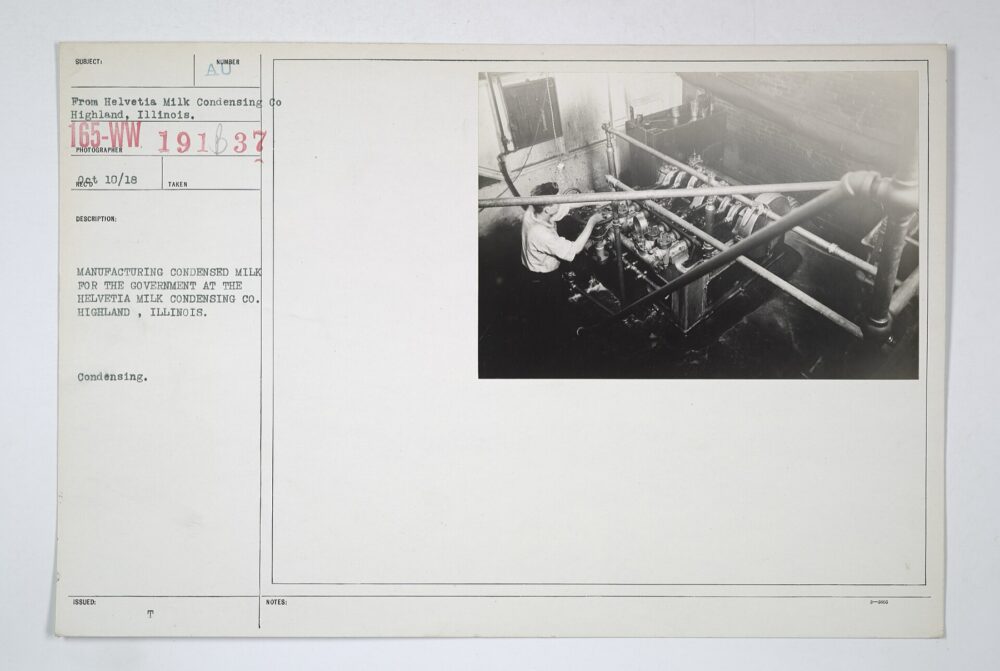
Condensed milk wholesale for U.S. buyers is built on large dairy manufacturers and food‑service distributors, with online marketplaces like DHgate playing a narrow, supplemental role. If you run a bakery, café, or small ecommerce operation, your core supply will almost always come from domestic plants and wholesalers; DHgate is best reserved for experimenting with small, shelf‑stable, packaged SKUs where you can verify labeling and quality one listing at a time.
Sweetened condensed milk is made by heating milk to evaporate roughly 60% of its water and adding sugar, creating a thick, sweet, shelf‑stable ingredient used heavily in desserts and beverages.en.wikipedia That manufacturing reality drives how wholesale works, who you actually buy from, and how much risk you take if you import.
How Condensed Milk Is Made and Moved in Wholesale
Industrial condensed milk isn’t produced in a back room. In the U.S., capacity is concentrated in professional dairy plants that evaporate and blend milk at scale, then either ship bulk tanks and totes to food manufacturers or fill branded cans for retail and food‑service.
Large producers and dairy-ingredient specialists are organized through trade groups like the American Dairy Products Institute (ADPI). Listings for members such as Continental Dairy Facilities–Select Milk Producers show that sweetened condensed milk is part of a structured portfolio of industrial dairy ingredients.ADPI member listing Industry coverage of facility expansions, including reports that a Wisconsin dairy ingredients company nearly doubled U.S. industrial sweetened condensed milk capacity through plant investment, reinforces that this is a mature, capital‑intensive category rather than a fragmented cottage industry.industry overview
For a small U.S. buyer, you usually interact with this system in one of two ways:
- Bulk industrial supply: If you’re a manufacturer using condensed milk as an ingredient, you contract directly with a dairy plant or broker for tanker loads or large totes.
- Case‑packed cans and squeeze bottles: If you’re a bakery, café, or grocery reseller, you buy branded cases of cans or bottles from wholesalers.
Domestic wholesalers and ethnic‑grocer distributors already offer condensed milk in bulk cases. For example, Mexican‑focused wholesaler MexMax lists multiple branded condensed milk SKUs for wholesale buyers, and Asian grocery distributor Sun Fat USA offers Black & White condensed milk in wholesale‑friendly packaging. These channels give U.S. small businesses immediate access to known brands, with U.S. labeling and domestic logistics.
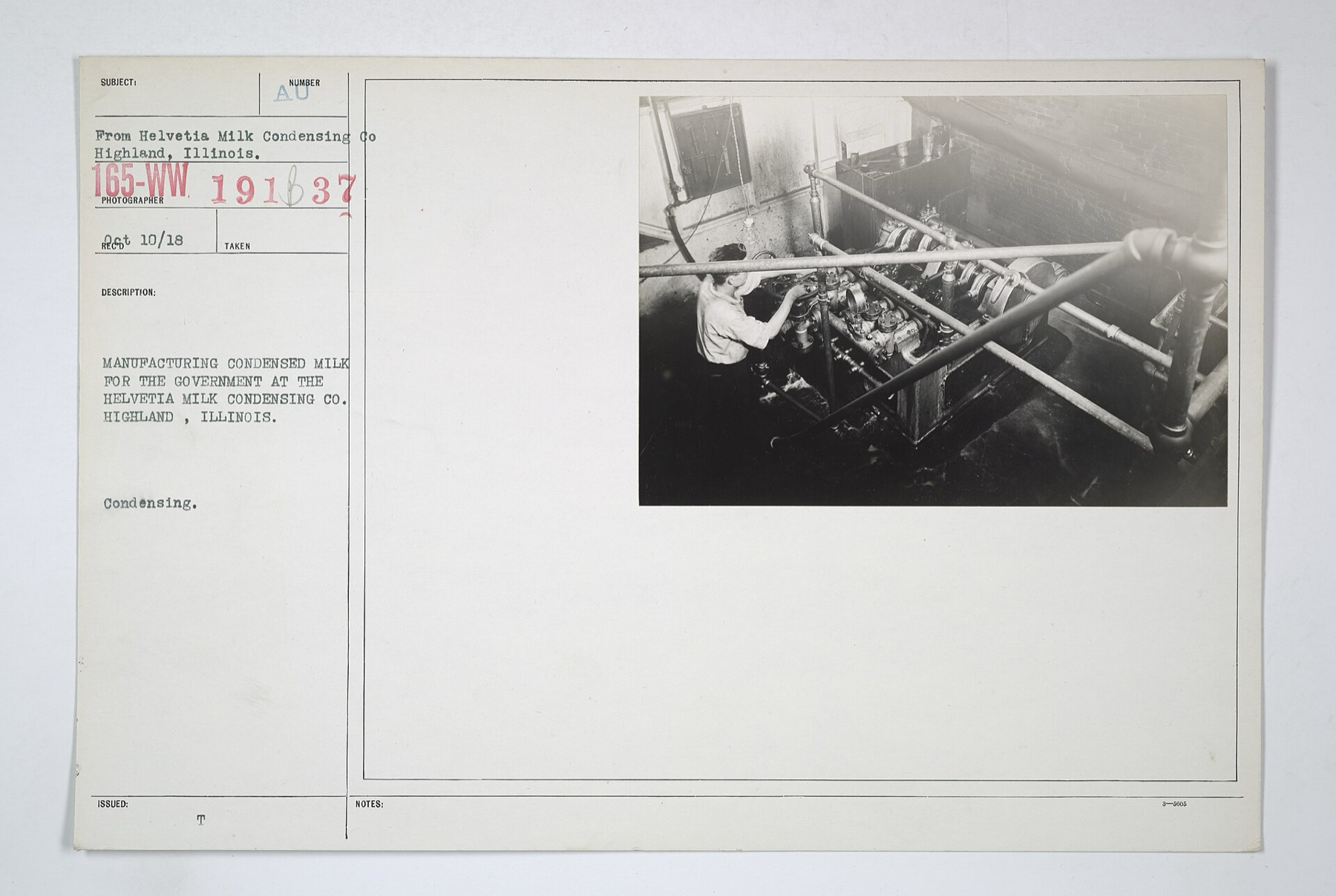
Because condensed milk is both dairy and sugar‑rich, regulators treat it as a food that must meet clear composition and labeling standards. That’s why large plants and established wholesalers dominate: they already understand USDA, FDA, and state requirements.
Choosing Safe, Reliable Condensed Milk Suppliers Across Borders
If you’re considering cross‑border sourcing — maybe from Asia or Latin America — you’re adding layers of risk: food‑safety oversight, import rules, transit times, and label compliance. For condensed milk or similar dairy‑based products, your checks need to be more specific than a generic “read reviews.”
A practical mini‑checklist:
- Product type clarity: Confirm whether you’re buying true sweetened condensed milk, evaporated milk, or a non‑dairy creamer. Mislabeling here can wreck recipes and violate labeling rules.
- Regulatory documentation: Ask for copies of ingredient lists, nutritional panels, and any export‑oriented certifications (for example, HACCP or local food‑safety audits). You’re not providing legal review, but you need enough documentation for your customs broker and local inspector to evaluate.
- Manufacturing footprint: For bulk or B2B supply, look for evidence that the producer is part of a recognized dairy ecosystem — trade‑association listings, long‑term contracts, or corporate site detail. ADPI‑listed plants and similar associations are one sign of a professionalized operation.ADPI listing
- Domestic wholesale alternatives: Check whether you can meet your needs with U.S.‑based wholesalers first. Sites like MexMax and Sun Fat USA show that many niches (Latin desserts, Hong Kong‑style café drinks, etc.) already have domestic case‑pack supply.
- Label and language: For resale or food‑service, insist on packaging that includes English ingredients and allergen declarations, or plan for compliant secondary labeling.
For marketplaces and overseas wholesalers, build a simple sourcing sequence:
- Sample before you commit: Whether you’re working with a European trading firm or an Asian marketplace seller, treat your first order as a technical test: open cans, cook with them, and see how they behave in your actual recipes.
- Check consistency across batches: Ask the supplier to document batch codes and production dates and keep notes on flavor and texture across multiple orders.
- Plan for customs and storage: Coordinate with a customs broker to understand whether the product’s classification will trigger additional checks. Make sure you have climate‑appropriate storage; condensed milk is shelf‑stable, but still sensitive to extremes.
DHgate specifically should be approached as a marketplace, not a dairy authority. You’re evaluating individual sellers who happen to be on DHgate, using platform signals as starting points, then doing your own food‑safety homework.
Channel Choices and Where DHgate Realistically Fits
For condensed milk, your sourcing options fall into a few clear buckets. Here’s a channel‑level comparison focused on a small U.S. buyer:
| Channel type | Typical role for condensed milk | MOQ & flexibility (editorial) | Safety & compliance control (editorial) | Where DHgate sits in this picture |
|---|---|---|---|---|
| U.S. industrial dairy manufacturers | Bulk ingredient for large food plants | High MOQ; contracts, forecasts | Strong internal QA; geared to regulated buyers | Separate from DHgate; direct B2B relationships |
| Domestic food‑service wholesalers | Case‑packed branded cans for kitchens | Low–moderate MOQ; case or pallet | U.S. labels; familiar to inspectors | Outside DHgate; traditional distribution |
| Cross‑border trading companies | Bulk or branded export packs | Moderate–high; container‑oriented | Varies; documentation depends on firm | Separate from DHgate; may overlap in geography |
| Online marketplaces (DHgate, others) | Small test orders of packaged, shelf‑stable SKUs | Typically low MOQ; can be very small | You must vet each seller and label; platform is just a venue | DHgate is one marketplace in this bucket |
DHgate’s own editorial material describes it as a China‑based B2B cross‑border marketplace where small and large merchants can access wholesale pricing, sometimes with the option to buy even one or two items.DHgate bulk‑buying blog Pricing is typically tiered: many sellers display lower unit prices at higher quantities rather than a single flat rate.DHgate beginner guide That structure can be useful if you want to:
- Test a new condensed milk brand or format (for example, squeeze packs) in very small quantities.
- Source adjacent shelf‑stable products (instant beverage mixes, toppings) alongside condensed milk‑style items.
If you decide to explore condensed milk or related products on DHgate, make your process very explicit:
- Use narrow search terms (for example, “sweetened condensed milk canned,” “condensed milk flavored topping”) and filter to packaged grocery categories.
- Open only listings that clearly show packaging and ingredient details in photos and text.
- Message sellers to confirm product type, packaging language, and whether they have experience exporting to the U.S.
- Start with a small, non‑critical order, store it properly, and test in your recipes before considering larger quantities.
If you can’t find listings that meet your documentation and packaging expectations, or if communication is vague, that’s a clear signal to fall back to domestic wholesalers or established trading firms instead of forcing DHgate into your supply chain.
For broader guidance on evaluating marketplace suppliers, including DHgate seller signals and communication tactics, you can dig into our more general guides: Find wholesale suppliers on DHgate, Find DHgate suppliers, and Choose a DHgate wholesale supplier. Use those mechanics, but keep your condensed milk sourcing anchored in food‑safety, labeling, and regulatory reality.