
Coastal liquidation and pallet sales can absolutely work for US resellers, but only if you treat them as a higher‑risk inventory source: you need to understand how local pallet warehouses operate, inspect and model each load, and be realistic about damage and unsellable items before you buy. For a small ecommerce business, coastal pallets make sense when you have cheap storage, time to sort mixed-condition merchandise, and sales channels that can move a wide variety of items. If you need consistent, repeatable SKUs and tight quality control, you’re usually better off balancing liquidation pallets with more predictable wholesale.
How Coastal Liquidation and Pallet Sales Work for Resellers
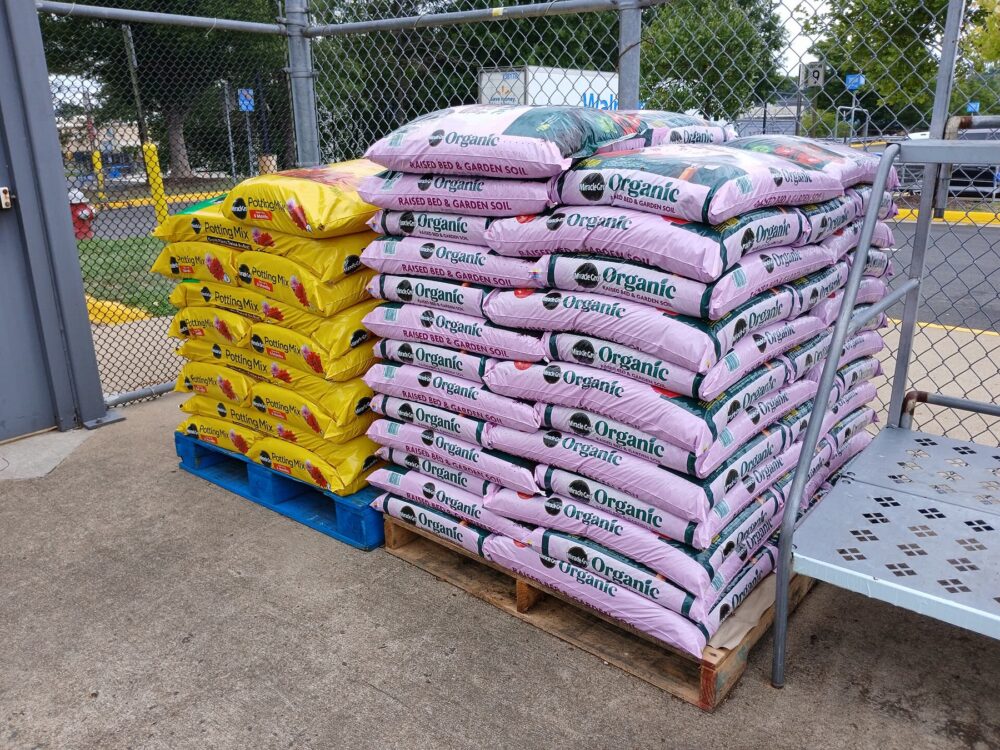
“Coastal liquidation and pallet sales” isn’t a formal industry term; it usually refers to regional liquidation warehouses near coastal metros that sell pallets, half truckloads, and truckloads of retailer returns and overstock. One example is Coastal Pallet Liquidations in Hanover, Maryland, a warehouse that specializes in liquidation merchandise sold by the pallet, half truck, or full truckload from major retailers.Coastal Pallet Liquidations illustrates the basic model: a local operator buys loads of mixed inventory from big-box chains and breaks them down into buyer-friendly units.
On the Gulf Coast, Suncoast Liquidators in the Tampa Bay area runs a large walk‑in warehouse where buyers can purchase single pallets, full truckloads, or smaller mystery boxes of liquidation inventory.Suncoast Liquidators pallet overview Their structure is typical of coastal pallet stores:
- walk‑in browsing of shrink‑wrapped pallets;
- pricing by pallet or truckload;
- optional “mystery” boxes with smaller, mixed lots for new resellers.
Across these warehouses, the actual goods tend to be similar: overstock, shelf‑pulls, and customer returns from major retailers. The mix can include clothing, home goods, small appliances, toys, electronics, and seasonal items. Condition is highly variable, and you should expect a meaningful percentage that is damaged, incomplete, or otherwise hard to sell. That variability is why pallet prices can look attractive in theory, but only pay off for buyers who are organized and realistic.
This sourcing route typically suits:
- Local resellers with vans or box trucks and cheap storage;
- Bin stores and flea-market sellers who can move low- and mid-value items quickly;
- Online sellers (eBay, marketplace stores) who don’t mind processing, testing, and listing one‑off items.
If you’re running a brand that needs repeatable SKUs, clean packaging, and tight delivery promises, liquidation pallets are better as a side stream of opportunistic inventory than as your core.
Evaluating Coastal Pallet Suppliers and Individual Loads
With liquidation, the supplier and the specific load matter more than the logo on the manifest. You’re buying a batch of risk. Here’s how to evaluate that risk before you commit.
Know the inventory types and grading terms
Most coastal pallet warehouses use some version of the following condition labels:
- Overstock: Unsold products in new condition from retail shelves or distribution centers.
- Shelf‑pulls: Items removed from stores for reset or end of season; usually new but may have store labels, minor wear, or older packaging.
- Customer returns: Anything a customer brought back—ranging from unopened to heavily used or defective.
Some liquidation sellers also use grading systems (Grade A/B/C) to describe expected condition ranges. Higher grades generally imply more new or like‑new items; lower grades signal more wear and damage. When a warehouse mentions grading, ask what each grade specifically means for that supplier, and don’t assume another warehouse uses the same definitions.
Use manifests and visual inspection together
Online marketplaces often rely solely on manifests, but coastal pallet warehouses give you something extra: you can usually walk the floor and inspect the shrink‑wrapped pallets.
On‑site, you can:
- read any manifest or lot description;
- check visible items through the wrap;
- look for a balance between high‑demand goods and commodity clutter (e.g., dozens of low‑value kitchen tools);
- spot obvious broken or leaking items on the edges.
Manifests (when available) list product types, quantities, and broad condition notes. They’re useful, but not guarantees. Treat them as a starting point and confirm with your own eyes.
Estimate damage and unsellable rates before you buy
Liquidation guides consistently flag mixed-condition pallets as a trade‑off: cheaper per item, but you must expect a non‑trivial share of damaged or unsellable pieces.DHgate overstock pallet tips Instead of chasing exact percentages (which vary by load and supplier), build your own assumption:
- For mostly overstock or shelf‑pull pallets, assume a modest fraction will be flawed or too dated to move.
- For returns‑heavy pallets, assume a substantial share will be non‑functional, incomplete, or cosmetically rough.
Use this assumption when calculating potential profit. If your model only works when every item is pristine, you’re underestimating risk.
Red flags with coastal pallet warehouses
On a warehouse visit, watch for practical signals rather than generic online “scam” markers:
- No clear explanation of inventory sources or conditions.
- Refusal to let buyers see pallets before purchase (beyond obvious safety limits).
- Inconsistent or missing labeling between pallets that appear to be the same category.
- Staff unwilling or unable to explain how returns vs overstock are mixed.
None of these prove bad faith; they do suggest you should start with a very small purchase or walk away.
Improving profitability after the purchase
Once you bring pallets home, your process determines whether the numbers work.
Common successful strategies include:Clothing liquidation pallet strategies
- Careful inspection and sorting: Test electronics, check clothing for flaws, separate new from used.
- Inventory tracking: Use a simple spreadsheet or tool to track items, condition, and sale price.
- Strategic bundling: Group low‑value or odd items into lots or mystery boxes to move them faster.
- Channel matching: Premium or sealed items go to higher‑trust marketplaces; rougher goods might be better for bin stores or local markets.
Liquidation pallets reward organization and patience more than clever buying alone.
Pallet Economics, Logistics, and Channel Choices
The hard question isn’t “Is this pallet cheap?” but “Is this pallet profitable once it’s in my warehouse and listed for sale?” For coastal liquidation, that depends on your order size, freight options, and whether local warehouses, online auctions, or cross‑border wholesale fits the job.
Modeling landed cost on a coastal pallet
For a typical coastal pallet purchase, your effective cost per item looks like this:
- Purchase price at the warehouse.
- Transport cost from warehouse to your storage (fuel, truck rental, or delivery fee).
- Processing cost in time (testing, cleaning, listing) and any supplies (boxes, bubble wrap).
- Expected write‑offs from damaged or unsellable items.
A simple approach:
- Estimate total usable items from the pallet based on your damage assumption.
- Divide total cash spent by that usable count to get an effective cost per sellable unit.
- Compare that per‑item cost with realistic resale prices from your channels (eBay sold listings, local market prices, etc.).
Local coastal warehouses vs online auction platforms
Here’s a compact comparison based on common buyer experiences and available guidance:
| Channel type | How you buy | Inspection before purchase | Freight & logistics impact | Typical fit for buyers |
|---|---|---|---|---|
| Coastal walk‑in warehouse | In‑person, pay per pallet/truckload | High (visual floor inspection) | You handle pickup or arrange local delivery | Local resellers with vehicles and storage |
| Online auction marketplace | Online bidding or fixed price lots | Low (photos + manifest only) | LTL or truckload shipping to your location | Regional/national buyers, higher freight risk |
| Mystery box / small lots | In‑person or online, smaller mixed boxes | Moderate (see some, not all) | Easier transport, parcel shipping possible | New resellers testing liquidation |
Neither route is automatically better. Local coastal warehouses trade some manifest precision for the ability to physically inspect; online platforms offer more variety and volume but rely on documentation, photos, and grading systems.
Where cross‑border wholesale (including DHgate) can balance risk
For some small ecommerce businesses, the most sustainable model is hybrid: coastal liquidation pallets for opportunistic, higher‑margin finds and a cross‑border wholesale source for steady, repeatable inventory.
Cross‑border marketplaces like DHgate can supply new bulk inventory in categories such as apparel and home goods, which some resellers combine with liquidation pallets to smooth out volatility.High‑demand resale products context If you explore that route, treat it as a separate decision:
- Decide which SKUs you want to be consistently available (e.g., staple clothing items or basic home textiles), and source those new.
- Reserve coastal pallets for experimental categories, seasonal items, or stock that you’re comfortable handling in mixed condition.
On DHgateWiki specifically, if you plan to add cross‑border wholesale to your mix, you can read more about how to find wholesale suppliers on DHgate, find DHgate suppliers, and choose a DHgate wholesale supplier for the more predictable part of your catalog.
For many small resellers, the practical decision looks like this:
- Use coastal liquidation pallets when you can inspect in person, accept mixed condition, and have flexible sales channels.
- Use online auction platforms when local pallet options are thin but you’re comfortable modeling freight and relying on manifests.
- Layer in cross‑border wholesale for items that must reliably be new and repeatable.
If you run the numbers with conservative assumptions on each channel, coastal liquidation and pallet sales can become a productive—but intentionally managed—slice of your sourcing strategy, not your entire business model.