

Chinese marketplaces are not a single thing, and no one platform is “best” for every UK buyer. Most successful importers mix one export-facing B2B marketplace (for communication in English and cross-border payments), selective use of China‑domestic platforms via an agent (to chase local prices), and sometimes a curated wholesale network or a trip to a physical market like Yiwu for more serious volumes. Your choice depends on: how small your first orders are, whether you need branding and CE/UKCA‑compliant products, and how much effort you can invest in vetting factories.
How Chinese marketplaces fit into UK wholesale sourcing
For UK buyers, “Chinese marketplaces” usually means three layers of the same supply chain:
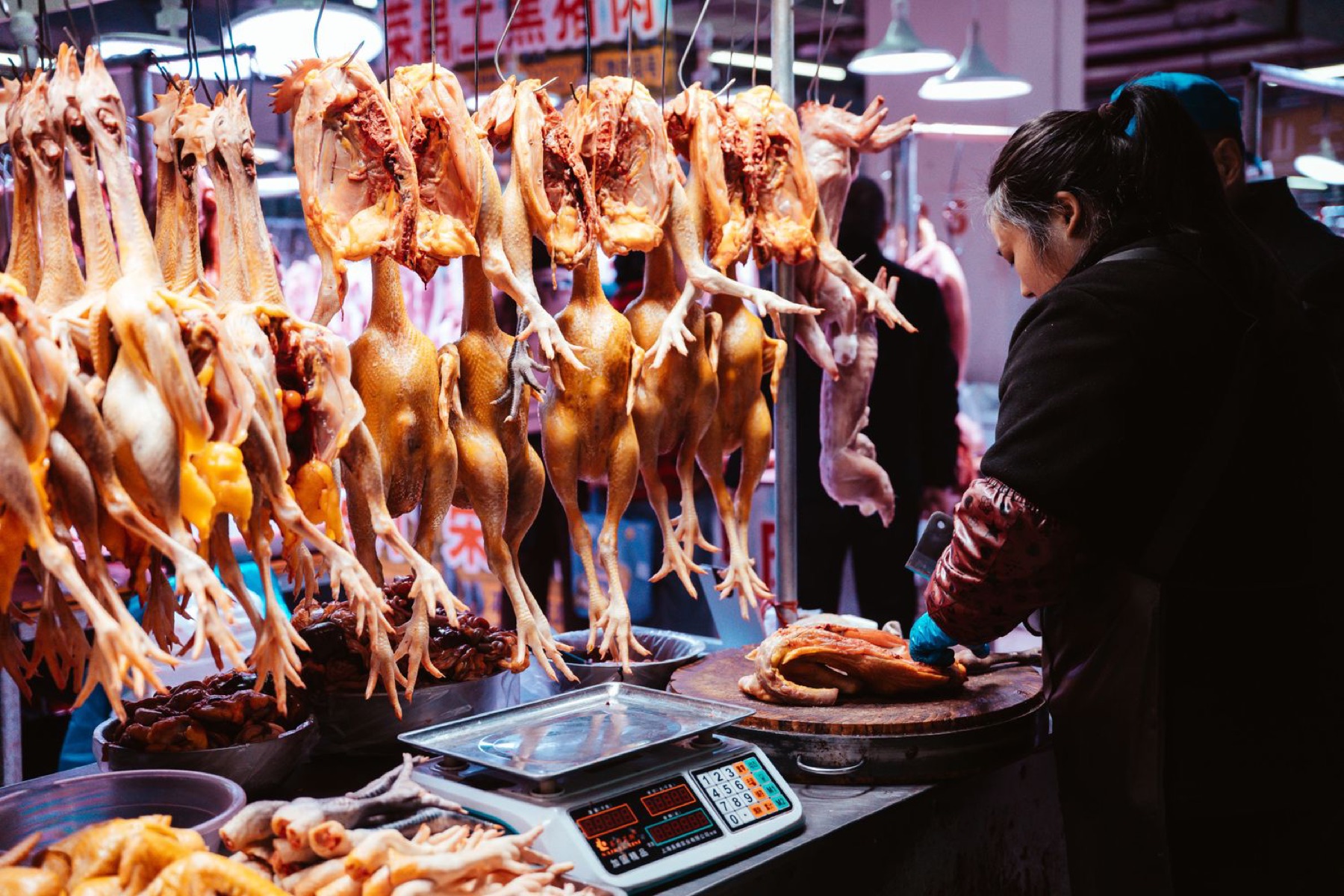
- Physical wholesale hubs in China – massive markets like Yiwu International Trade City and Guangzhou’s electronics and clothing districts host tens of thousands of booths across categories like toys, home goods, clothing and electronics. Many online listings on Chinese marketplaces ultimately trace back to traders or factories operating in these hubs. A DHgate editorial overview on buying China products direct highlights Yiwu and Guangzhou as major wholesale centres for categories from toys to electronics, with wide product ranges and intense competition among vendors, which helps explain why online marketplace pricing can be so sharp for many SKUs (How To Buy China Products Direct).
- China‑domestic ecommerce marketplaces – platforms such as Taobao, Tmall, JD.com and Pinduoduo dominate retail inside China and are built for Chinese consumers first. They host both brands and factory‑linked sellers, often at very sharp local prices. A logistics overview from Flex Logistics describes these as flagship platforms in China’s online retail scene, which makes them useful benchmarks for UK buyers checking local price levels.
- Export‑facing online marketplaces and B2B networks – sites built for international buyers, with English interfaces and cross‑border payment options. These include general B2B platforms like Alibaba‑type sites, global retail/wholesale hybrids like AliExpress, and more curated B2B networks that pre‑screen factories.
As a UK reseller or micro‑brand, you’re rarely buying directly “from China” in a vacuum. Instead, you’re choosing which combination of:
- marketplace platform,
- possible sourcing agent,
- and logistics provider
will give you acceptable landed cost and risk for your order size.
A realistic pattern for UK SMEs is:
- Start with small test orders on global‑facing marketplaces where communication is easier.
- Benchmark pricing and product range against China‑domestic platforms (often via screenshots or an agent) to check whether you’re paying a “tourist premium”.
- Graduate to deeper relationships with factories – either found on open marketplaces, via curated B2B networks, or through visits to wholesale hubs when your volume justifies it.
Types of Chinese marketplaces UK buyers actually use
Think less in terms of brand names and more in terms of marketplace types and what they’re good at.
1. Export‑oriented B2B marketplaces
These are platforms built primarily for cross‑border buyers. They list manufacturers, trading companies and wholesalers in English, support international payments, and often emphasize bulk orders and customisation.
Editorial roundups of China wholesale sites commonly list platforms such as Alibaba, AliExpress, Lightinthebox and Banggood as global‑facing options that connect international buyers with Chinese suppliers (DHgate wholesale-site overview).
Typical use cases for UK buyers:
- Testing a new product line with modest MOQs and a mix of suppliers.
- Finding OEM/ODM factories willing to add your logo, packaging or minor design changes.
- Sourcing “evergreen” catalogue goods (e.g., generic phone accessories, basic apparel, kitchen gadgets) where you want speed more than exclusive designs.
Pros:
- English interfaces and messaging.
- Wide supplier pool, so you can cross‑compare prices and specs.
- Easier to pay via mainstream cross‑border methods than on Chinese‑only sites.
Trade‑offs:
- Open marketplaces vary in supplier quality and experience with UK compliance.
- Prices may be higher than on domestic platforms because you’re paying for export‑friendly service and smaller MOQs.
2. China‑domestic ecommerce giants
Platforms like Taobao, Tmall, JD.com and Pinduoduo dominate consumer ecommerce in China and are frequently cited as flagship marketplaces in overviews of the Chinese online retail landscape (Flex Logistics marketplace overview).
- Tmall is a major B2C platform owned by Alibaba and is known for branded goods from both Chinese and international companies. DHgate editorial material describes it as a leading B2C site with a strong reputation for branded, higher‑quality products in categories such as clothing and electronics (Best Chinese Online Shopping App).
- Pinduoduo focuses on very low prices and uses a group‑buying model: buyers form groups to unlock lower prices on everyday goods, making it especially popular among price‑sensitive shoppers (Best Chinese Online Shopping App).
How UK wholesale buyers actually use them:
- Price benchmarking: You or your agent check Taobao, JD.com or Pinduoduo to see local prices for similar products, then push export suppliers on other platforms to be realistic.
- Agent‑mediated sourcing: For some categories (fashion, homeware, small electronics), agents buy from Taobao or 1688 on your behalf, consolidate in a warehouse, and ship to the UK.
Barriers:
- Interfaces are in Chinese and designed for domestic consumers.
- Sellers may not understand UK compliance, export packaging, or bulk documentation.
- Many listings are B2C‑focused; they may not offer the MOQs, customisation or paperwork a UK reseller needs.
As a result, treating Taobao, Tmall or Pinduoduo as your primary wholesale channel from the UK is rarely practical unless you work through a sourcing agent who handles communication, quality checks and export.
3. Discount and social‑commerce apps
Beyond the big four, there are platforms like Douyin (China’s TikTok), Xiaohongshu (RED), and other social‑commerce ecosystems. Independent guides for UK businesses describe these as routes to reach Chinese consumers, not so much as inbound sourcing tools, and stress that each model (marketplace, social‑commerce, cross‑border B2B) fits different business needs (Wise guide to Chinese marketplaces).
For UK wholesale sourcing, these platforms mainly matter as trend radars:
- Spot emerging product styles and bundles that resonate with Chinese consumers.
- Identify brands or factories behind viral items, then try to locate them on B2B platforms.
You’re unlikely to run your procurement through these apps; instead, they inform what you source elsewhere.
4. Curated wholesale networks and audited platforms
Some B2B platforms emphasize supplier vetting over sheer volume of listings.
- Made‑in‑China describes itself as auditing suppliers before they sell on the platform, covering areas like financial status, production capacity, quality management and certifications (Made‑in‑China wholesale list).
- GlobalMarket is described as partnering with manufacturers and performing checks on products before listing them, offering a curated catalogue to international buyers (GlobalMarket wholesale overview).
These platforms are often used by buyers in more technical or compliance‑sensitive categories:
- Industrial components and machinery.
- Electrical equipment and business fixtures.
- OEM products that must meet documented standards.
Trade‑offs:
- You may see fewer suppliers per category than on open marketplaces.
- Prices can be less “bargain‑bin” but you’re paying for more vetting and often more documentation.
5. Physical wholesale markets plus agents
Yiwu International Trade City and Guangzhou wholesale markets underpin much of the online catalogue. A DHgate editorial article on buying China products direct describes Yiwu as having tens of thousands of booths across categories such as clothes, shoes, home supplies and toys, and points to Guangzhou markets as major centres for electronics and other wholesale items (How To Buy China Products Direct).
For UK SMEs that can’t fly to China, sourcing agents often act as your “eyes and ears” in these markets:
- They walk markets like Yiwu (toys, home goods, gifts) or Guangzhou clothing and electronics markets.
- They shortlist stalls, negotiate, and consolidate shipments.
This path is a step beyond pure marketplace sourcing and normally suits:
- Stable products where you expect repeat orders.
- Annual volumes big enough to justify an agent’s fee and the complexity of offline negotiation.
Choosing and vetting suppliers on Chinese marketplaces
Once you’ve picked a marketplace type, your real risks and savings come down to supplier choice. Use the platform’s structure to your advantage by focusing on how suppliers present themselves and how they behave before money changes hands.
Supplier screening checklist specific to Chinese marketplaces
- Platform type vs category risk
- For regulated or safety‑sensitive products (mains‑powered electronics, children’s toys, cosmetics), lean towards curated B2B networks (e.g., Made‑in‑China, GlobalMarket) or larger, export‑experienced suppliers on general B2B platforms. These channels at least state that they check quality systems and certifications before listing suppliers, which can help you filter out some obvious risks.
- For low‑risk goods (decor, accessories, some apparel), open marketplaces can be fine if you’re strict on vetting and sampling.
- Declared factory role and export experience
Ask each potential supplier directly: Are they a factory, a trading company, or a brand? How many years exporting to the UK or EU? Which markets are their main customers? Suppliers used to UK/European buyers will typically respond with specific examples (countries, retail chains, compliance standards) rather than generic claims.
- Evidence of audits or checks (where platform claims them)
On platforms that say they audit suppliers, don’t stop at the logo. Request recent audit summaries or certificates (ISO, quality system, factory audit reports) and cross‑check that company names and addresses match the marketplace profile.
- Product‑level documentation
For anything electrical, wearable, or child‑facing, ask for sample testing reports or certificates relevant to the UK (for example, documentation they use for EU buyers). You’re looking for consistency: same brand name, same model number across packaging, listings and paperwork.
- Quotes and negotiation pattern
Request a structured quote: unit price at several quantities, tooling or mould fees (if any), lead time, and packaging details. On open marketplaces, suppliers that respond with clear tiered pricing and realistic lead times are usually more export‑ready than those replying with single‑line price messages.
- Sample orders with conditions
Before any serious order:
- Order production‑equivalent samples, not just “display samples”, and specify the exact colourway, packaging and accessories you expect in production.
- Agree how sample cost and shipping will be handled if you proceed to bulk order (for example, whether part of the sample fee is offset).
- Communication discipline
Use messaging within the marketplace or email, and write concise requirement summaries. Suppliers who paraphrase your requirements back to you, ask clarifying questions, and keep a consistent contact person are easier to work with long‑term.
- Red flags in this specific context
- Unwillingness to provide basic company information beyond the marketplace profile.
- No familiarity with UK/EU buyers despite claiming years of “global export experience.”
- Inconsistent pricing: wide swings between quotes on different platforms for what appears to be the same factory and model without a clear explanation (e.g., warranty, packaging, or spec differences).
Key wholesale terms: MOQ, pricing and logistics from China
Wholesale buying via Chinese marketplaces has different economics to domestic UK wholesale. Four concepts matter most: MOQ, price tiers, customisation, and logistics.
MOQs and price tiers
- Open export marketplaces often list low visible MOQs to attract buyers (dozens of units), but real factory MOQs for customised products can be higher. Expect per‑unit prices to drop as your order climbs from test batches to repeat orders.
- China‑domestic platforms via agents can sometimes let you buy close to single‑unit quantities, but then you pay extra in consolidation and international freight. That can erase the apparent price advantage on small orders.
- Curated B2B networks and industrial‑leaning suppliers may expect larger MOQs – but once you meet them, per‑unit pricing can be competitive and more stable over time.
In practice, many UK micro‑brands:
- Accept higher per‑unit prices on their first test batch to reduce risk.
- Use that batch to validate quality, demand and compliance.
- Negotiate better tiers or seek factory‑direct alternatives for second and third orders.
Customisation and lead times
Customisation (logos, packaging, colorways, minor design changes) is routine on B2B platforms but adds complexity:
- At minimum, expect:
- A sample approval cycle (digital proof + physical pre‑production sample).
- Longer lead times than for white‑label stock.
- The more you change the product, the more you should treat the deal like a small manufacturing project rather than a “simple order off a website.” That means clear specs, version control, and photos during production when possible.
Lead times vary by category and season. From a UK buyer’s perspective, what matters is building in slack:
- Avoid launching products that must arrive in time for a specific UK retail event (e.g., Christmas) on your first ever batch from a new supplier.
- Assume your second or third order will run smoother than the first as both sides refine specs and timing.
Logistics choices to the UK
While this article can’t give legal or tax advice, three broad logistics patterns recur for UK importers using Chinese marketplaces:
- Parcel and small‑packet shipping – used for sample orders and micro‑batches; often baked into marketplace pricing. Convenient but less efficient as volumes rise.
- Consolidated air freight – used when you’re shipping from one or more suppliers to a freight forwarder’s warehouse, then by air to the UK. Higher upfront coordination but faster than sea for mid‑size volumes.
- Sea or rail freight with consolidation – more economical per unit for larger, repeat orders where you can plan several months ahead.
Your real comparison isn’t just factory price vs UK wholesale price; it’s landed cost: unit cost + packaging + international shipping + customs/VAT handling + any agent fees.
Comparing marketplace channels for wholesale sourcing
To decide where to start, match marketplace channels to your current stage and risk appetite.
Channel overview for UK wholesale buyers
Below is a simplified look at how core channel types tend to fit different UK buyer scenarios. Values are editorial judgments based on typical usage rather than fixed rules.
| Channel type | Typical first order size | Best for | Main trade‑off |
|---|---|---|---|
| Export B2B marketplaces | Small to mid (test 1-5 SKUs) | General goods, light customisation, quick testing | Wide supplier quality range, more vetting needed |
| China‑domestic platforms via agent | Very small or price‑sensitive | Chasing local prices, fashion/accessories, trend‑led | Language barrier, reliance on agent for quality |
| Curated/vetted B2B networks | Mid to large, repeat orders | Compliance‑sensitive or industrial products | Higher MOQs, narrower selection |
| Physical markets + sourcing agent | Larger, repeat and seasonal | Deep range, price/quality testing on the ground | Travel/agent costs, heavier coordination load |
How a micro‑brand might choose between two paths
Imagine a UK micro‑brand selling home‑office accessories on marketplaces like Amazon UK and Etsy.
- You want 50-150 units per SKU to begin with, across 3-5 SKUs.
- Products are low‑risk (no mains power, no direct child contact) but still need decent finish quality and packaging.
Two realistic paths:
- Export B2B marketplace first, then optimise
- Use a global‑facing B2B site to shortlist 3-4 suppliers for each SKU.
- Order samples and one small production batch from the best two.
- Track QC issues and shipping time, then consolidate volumes with the supplier that performs best.
- Once volumes grow and specs stabilise, check curated networks or factory‑direct options if you need better margins.
- China‑domestic platforms via an agent for cost focus
- Ask an agent to find equivalent products on Taobao/1688, negotiate with sellers, and ship a consolidated batch.
- Use this as a real‑world benchmark for quality and pricing.
- If the product proves itself, either keep using the agent route or switch to a factory‑direct deal via a B2B platform.
The first path emphasises control and communication; the second emphasises price and variety but adds dependency on your agent.
Where a platform like DHgate might fit
DHgate appears in some editorial lists of China wholesale websites alongside platforms like Alibaba, AliExpress, Lightinthebox and Banggood, where it is described as a cost‑conscious marketplace that connects buyers with Chinese manufacturers, importers and distributors (Best China Wholesale Websites). DHgate’s own editorial content also groups it alongside other B2B marketplaces such as Alibaba and Global Sources as one of several options for sourcing products directly from Chinese suppliers (6 Ways to Find the Right Manufacturer).
In practical terms for a UK buyer:
- It can function as one of several export‑facing marketplaces for low‑ to mid‑volume orders, especially when you want to test a variety of commodity products without committing to very large MOQs.
- You should treat it like any open marketplace: examine seller ratings and feedback, read product descriptions carefully, and confirm order terms (including MOQs and customisation) directly with the supplier before paying.
- Because open marketplaces host a broad mix of sellers, you still need the supplier‑vetting discipline described earlier; platform tools and labels help you narrow options but do not replace your own checks.
It should not be your only sourcing channel: many UK buyers will still compare offers across multiple platforms and, once a product line proves itself, consider moving to more direct or curated channels.
When to avoid certain channels for your use case
Chinese marketplaces are powerful, but they’re not universal solutions.
- If you’re in heavily regulated categories (e.g., mains‑connected devices, toys for under‑3s, cosmetics), using retail‑oriented Chinese apps as primary supply channels is high‑risk. In those cases, favour export‑experienced factories and, where possible, platforms that emphasise audits and documentation.
- If your orders are very small and infrequent, pursuing factory‑direct deals with complex tooling and contracts rarely pays off. A flexible export marketplace or an agent buying from domestic platforms might be more realistic.
- If you plan to launch a long‑term private‑label brand, start on export marketplaces to learn the category, but aim to graduate towards more controlled relationships – whether via curated B2B networks, direct factory deals sourced through marketplaces, or eventually visits to physical markets and industrial zones.
The most resilient UK importers treat Chinese marketplaces as a menu of channels, not a single decision. They test small, keep supplier options open, and upgrade their channel mix as orders grow and compliance requirements tighten.