
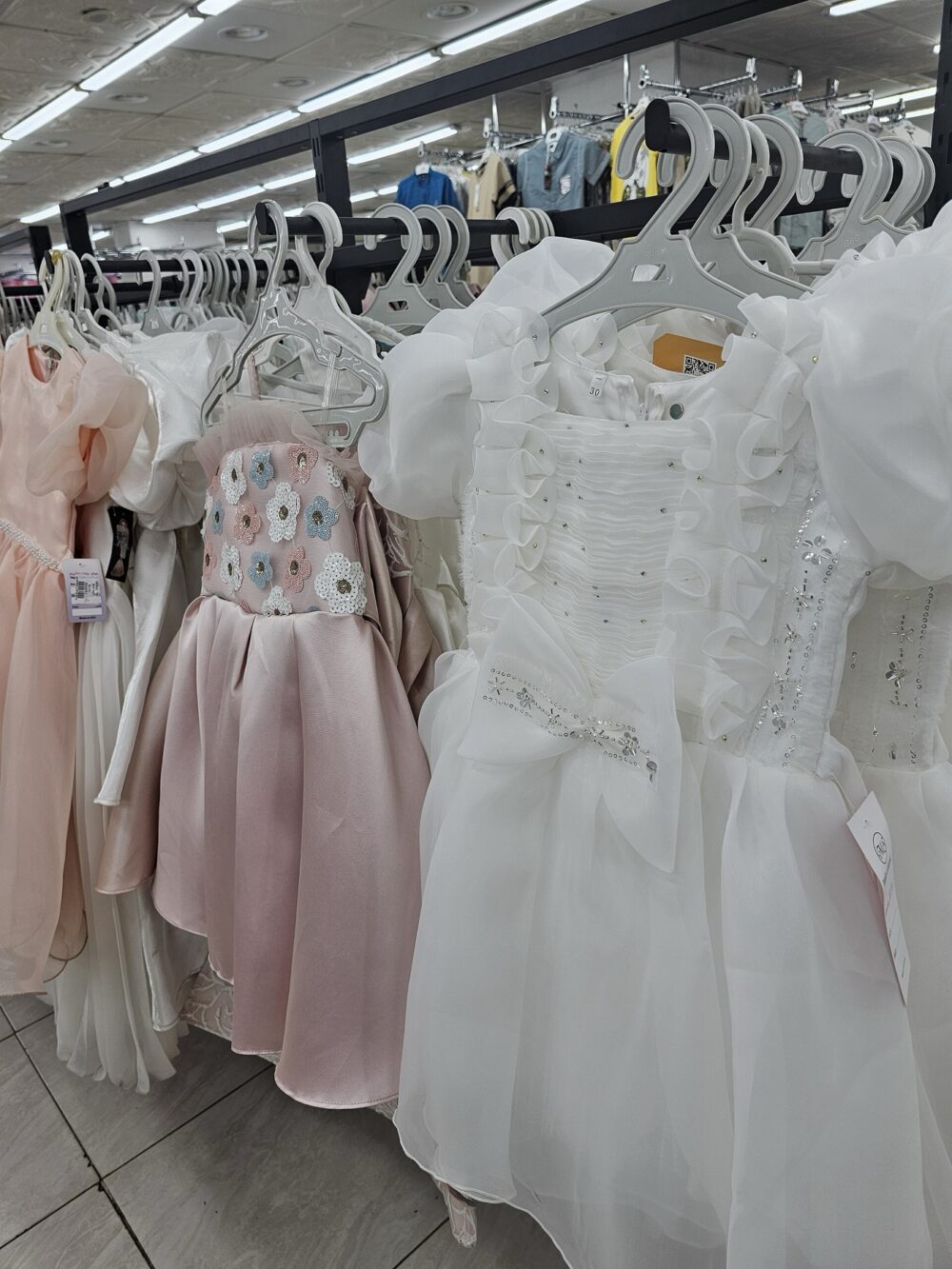
Chinese children’s clothing wholesale can work well for US boutiques, Amazon sellers, and small brands, but only if you pair the right supplier type with the size of your orders and take safety and reliability seriously. China has deep garment infrastructure for kidswear and baby clothes, and many manufacturers offer OEM/ODM plus ready-made wholesale lines. Your job is not just to find “cheap” stock, but to choose a sourcing route—factory, trading company, offline market, or online B2B platform—that matches your MOQs, quality expectations, and compliance needs.
This guide focuses on how the kidswear supply chain in China is structured, how to vet suppliers, and how pricing and MOQs tend to shake out across different channels.
How Chinese Children’s Clothing Wholesale Works for US Buyers
China is a major production base for children’s and baby clothing. Garment hubs such as Guangdong, Zhejiang, and Jiangsu supply everything from basic cotton sets to fashion-forward collections. Many factories specialize in kidswear and work with overseas brands on:
- OEM: you provide designs and specs; they produce under your label.
- ODM: they provide existing designs you can brand or tweak.
- Wholesale stock: you buy existing styles in bulk without design changes.
Industry overviews like HAPA’s roundup of Chinese kidswear manufacturers show factories offering wide style ranges—T‑shirts, dresses, swimwear and more—for overseas buyers. Sourcing agents such as YiwuAg focus specifically on baby-clothes suppliers, reflecting how big the infant/toddler segment is in this ecosystem.
From a US buyer’s perspective, the landscape usually breaks into four supplier types:
- Factory-direct kidswear manufacturers – best for brands that want control, repeat orders, and sometimes customization.
- Trading companies – middlemen who aggregate products from multiple factories, often giving you more variety but less factory transparency.
- Offline wholesale markets (e.g., Guangzhou, Yiwu kidswear malls) – thousands of stalls offering ready-made styles; useful for hands-on selection if you or an agent can visit.
- Online B2B marketplaces – sites like Alibaba’s children clothing wholesalers or Made‑in‑China’s wholesale kids clothes list thousands of kidswear suppliers.
For US small businesses, factory-direct and online platforms tend to be the most practical routes; wholesale markets are powerful if you can work with a local sourcing agent.
Choosing and Vetting Chinese Children’s Clothing Suppliers
Because children’s clothing touches safety and trust, the hardest part isn’t finding suppliers—it’s choosing ones you can rely on.
Sourcing agents who specialize in baby clothes emphasize reliability and consistent quality as the main differentiators among Chinese suppliers. That’s exactly where your vetting should focus.
Match supplier type to your business
- Boutique or small Shopify brand (50-500 units per style): likely better with smaller factories, trading companies, or marketplace suppliers that openly state low or flexible MOQs.
- Growing Amazon/ecommerce seller (500-2,000+ units per style): can usually work factory-direct, get better pricing, and negotiate custom labels or packaging.
- Local wholesaler or multi-store chain: factory-direct with stable capacity is almost always the right route.
If a supplier’s main business is baby products, confirm they understand fabric safety and common Western expectations (soft handfeel, colorfastness, non-irritating trims) before you talk price.
Vetting signals that are specific to kidswear
Instead of generic “check reviews,” focus on signals that matter for children’s products:
- Product range: Does the supplier’s catalog clearly focus on kidswear and baby clothes, or are children’s items just a small add-on next to unrelated goods?
- Fabric and trim detail: Good kidswear listings and spec sheets will specify fabric composition (e.g., cotton %), lining, and trim types. Missing details are a red flag.
- Photo consistency: Look for consistent photography and sizing labels across styles; wildly inconsistent photos can hint at multiple uncoordinated factories.
- Sample behavior: Order a small paid sample run. Check stitching, shrinkage after washing, label readability, and potential choking hazards (buttons, snaps, decorative pieces).
- Communication quality: Use early messages to ask specific questions—e.g., “Which standards do you usually work with for US baby clothes?” You want clear answers, not vague reassurances.
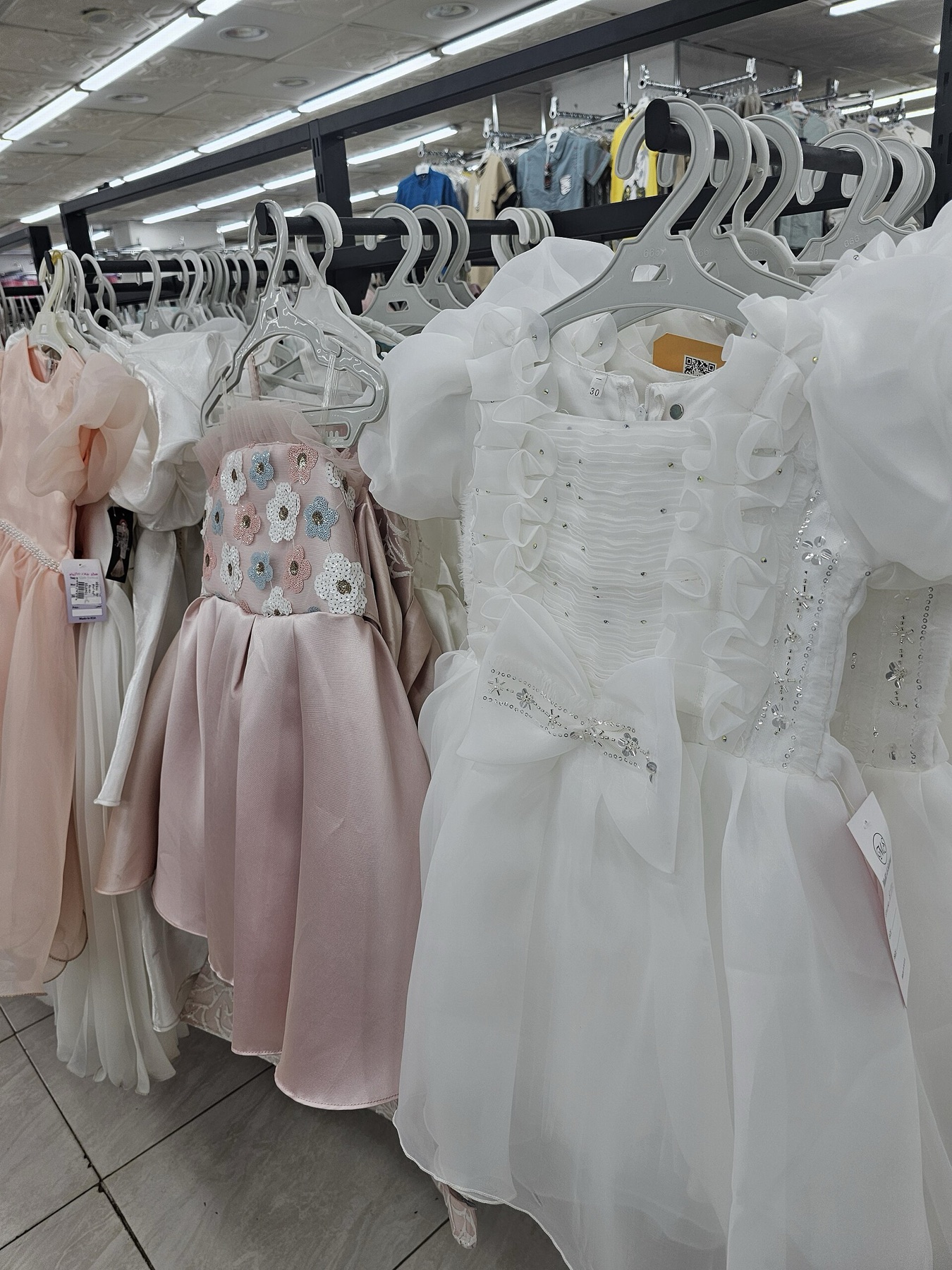
Assortment reference only; this Creative Commons photograph is not a supplier listing or a claim about where the garments were made.
Safety and compliance: keep it front and center
US children’s apparel is subject to safety and labeling rules (for example, around flammability and drawstrings). This article can’t give legal advice, but you should:
- Identify the standards relevant to your product and target age group.
- Ask suppliers how they usually work with overseas rules (US, EU, etc.).
- Decide whether you need third-party lab testing for critical items (sleepwear, infant garments).
Do not assume that “export experience” equals compliance. Treat it as a starting point for your own checks.
Pricing, MOQs, and Sourcing Channels (Including Online Platforms)
You’ll see different price and MOQ patterns depending on whether you buy factory-direct, through markets, or via online platforms.
How pricing and MOQs usually differ
The ranges below are editorial judgment based on how kidswear is commonly sold; treat them as typical patterns, not guarantees.
| Sourcing route | MOQ pattern (per style) | Price behavior | Customization potential |
|---|---|---|---|
| Factory-direct kidswear | Usually higher, but negotiable | Better unit prices at larger quantities | Strong (OEM/ODM, labels, packaging) |
| Trading company | Often lower, more flexible | Slight markup vs factory | Limited; mainly minor tweaks |
| Offline wholesale market | Very flexible on small lots | Good for spot buys & mix-and-match | Minimal; mostly stock styles |
| Online B2B marketplace | Wide range, listed per seller | Transparent price ranges per listing | Varies; some OEM, many stock items |
On big B2B platforms like Alibaba and Made‑in‑China, you’ll see hundreds of children’s clothing wholesalers with per‑piece prices and often a stated minimum order. Those listings are a useful starting point for budget planning, but always confirm current terms directly with the seller.
Where online platforms (including DHgate) can fit
For smaller wholesale orders or test runs, online marketplaces can be attractive because they surface many suppliers without you needing to visit China.
DHgate’s own editorial blog describes the platform as a broad China wholesale clothing marketplace with diverse fashion products. A snapshot of kidswear listings on DHgate taken on 2026-10-09 shows the kind of variety and price ranges you might encounter:
- A camo pocket hooded toddler sweatshirt listed under Kid’s Hoodies & Sweatshirts with an indicative price range around US$17.88-18.73 per unit (product example).
- Summer children’s 2‑piece cotton T‑shirt and shorts sets listed in Clothing Sets categories, with price ranges like US$10.00-14.53 or US$25.13-36.64 depending on style and seller (example 1, example 2).
- Toddler winter overalls and jackets in Down Coat categories with price ranges such as US$25.56-30.22 (product example).
If you explore DHgate or similar sites for children’s clothing wholesale:
- Treat seller pages and product details as raw information; verify fabric, sizing, and safety considerations yourself.
- Use samples and small trial orders before committing serious volume.
- Compare multiple suppliers for the same product type, not just the first acceptable price.
If you want more structured tactics for evaluating marketplace suppliers, you can also look at DHgateWiki articles such as Find wholesale suppliers on DHgate, Find DHgate suppliers, and Choose a DHgate wholesale supplier for broader buyer-side checks.
Choosing a channel based on your order size
- If you’re testing a kidswear idea (small US boutique, new Amazon listing): online B2B marketplaces or trading companies with modest MOQs are often the lowest-friction route. Use them to trial styles and build data on what sells.
- If you have proven demand and plan repeated orders: move closer to factory-direct. This can mean contacting factories you find through manufacturer lists (like those highlighted by HAPA) or via platforms, then negotiating long‑term terms.
- If you can visit China or hire a local agent: wholesale markets in cities such as Guangzhou or Yiwu let you see fabrics and construction in person and mix styles across stalls—useful for boutiques that thrive on variety.
Chinese children’s clothing wholesale is not a one-channel decision. The best route is the one that aligns with your actual volumes, your appetite for doing the extra work around safety and compliance, and how much control you need over designs versus simply buying well-made stock styles.