
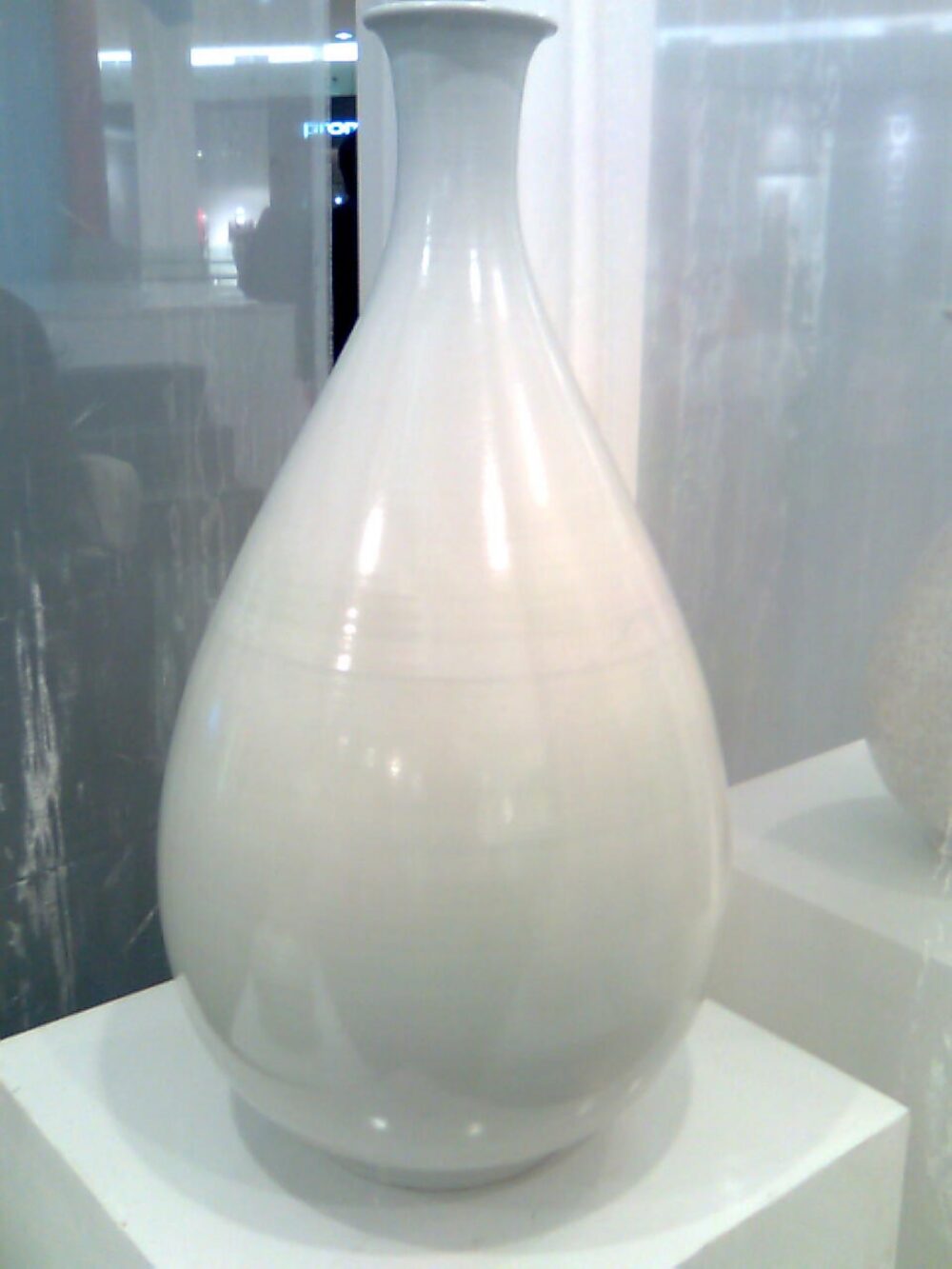
Wholesale ceramic and white vases means buying decorative ceramic containers—often simple white cylinders, bud vases, or sculptural forms—in bulk from manufacturers or distributors at a discounted unit price. For a US decor, floral, or event seller, the decision is whether those bulk prices still look good after packaging, freight, duties, and breakage, and whether the supplier is reliable enough to support repeat orders. DHgate is one possible marketplace to find Chinese vase suppliers, but it’s only a good fit if you’re willing to do careful seller research, start with samples, and compare it against domestic wholesale platforms and floral suppliers.
How Ceramic and White Vase Wholesale Works
Ceramic white vases are typically used as flower containers or standalone decor pieces. Buying them wholesale means you’re not just picking individual vases you like—you’re selecting a repeatable SKU that fits your customers and margins.
Supply usually looks like this: a factory or workshop produces vases, sells cases or pallets to wholesalers or directly online, and you buy in case packs or negotiated quantities for resale. You’ll see everything from simple white cylinders (like the ones offered by wholesale vase specialists such as Wholesale Glass Vases International) to more textured or embossed designs from decor brands and floral suppliers.
Wholesale white vases make sense if:
- You sell home decor, floral arrangements, or event bundles where vases are a core component, not an occasional add‑on.
- You can move inventory in case quantities (through your own site, marketplaces like Etsy/Amazon, or B2B event clients) without tying up cash for months.
- You’re ready to handle storage and careful handling of fragile stock.
If your current demand is sporadic, it may be safer to buy smaller quantities from domestic wholesalers first and only move to cross‑border wholesale once you see clear demand.
Choosing and Vetting Ceramic Vase Suppliers Across Channels
Your main supplier options are:
- Chinese manufacturers/wholesalers on marketplaces (DHgate, similar B2B platforms).
- Domestic wholesale decor platforms (e.g., Faire, category‑specific decor brands).
- Industry‑specific floral and event suppliers that specialize in vases and containers.
Across all of these, you’re trying to answer three questions: do they make the exact style you need, can they produce repeatable quality, and can they reliably supply over time.
DHgate’s own editorial guidance for bulk buyers stresses a few practical steps:
- Compare similar listings, not just the first result. When you search a product keyword, DHgate suggests reviewing multiple pages of results and comparing product details across several suppliers before deciding. That’s especially relevant for vases where dimensions, glaze, and finish consistency matter.
- Order small quantities or samples first. DHgate editorial content explicitly advises bulk buyers to place smaller orders initially to check quality before committing. For vases, that sample stage should include:
- Checking the glaze in person (is the “white” cool, warm, shiny, matte?).
- Confirming interior waterproofing if you’re selling them for fresh flowers.
- Inspecting packaging and how many pieces arrive chipped.
On US‑based platforms and floral suppliers, you can vet differently:
- Browse wholesale‑only catalogs (e.g., white matte cylinders from Wholesale Flowers and Supplies or embossed designs from brands like Unlimited Containers).
- Look for clear material and size specs, case pack information, and whether they target florists/event planners (a sign they understand breakage and timing constraints).
Red flags specific to ceramic vases
Because these products are fragile and visually driven, a few issues are more serious than on, say, textiles:
- Vague material descriptions like “pottery” with no mention of ceramic type or glaze.
- No real‑life photos showing the vase from multiple angles and in use.
- Inconsistent dimension descriptions across the same listing or between main image and detail images.
- Reluctance to discuss packaging or carton tests when you ask how they control breakage.
If a supplier on DHgate or elsewhere can’t answer your questions on finish, waterproofing, and packaging, they’re a poor fit for wholesale vases.
MOQ, Pricing, and Where DHgate Fits for Wholesale Vases
For ceramic and white vases, MOQ and pricing are tightly tied to your risk tolerance.
- MOQ (minimum order quantity): Factories and wholesalers often expect case‑level orders, while marketplaces like DHgate highlight that you can sometimes buy smaller test quantities and then scale. DHgate blog content notes that you can “buy one or more” depending on vendor terms and then access wholesale discounts when you order in bulk.
- Unit pricing and tiered discounts: DHgate’s editorial material encourages bulk buyers to verify tiered pricing—contacting sellers to ask how per‑unit cost changes at different quantities. That matters with vases because your packaging and breakage costs don’t scale linearly; negotiating a modest discount at higher quantities can significantly improve margin.
- Seasonal and group‑buy leverage: DHgate content also mentions planning purchases around seasonal sales and, in some cases, group purchases to improve pricing tiers. For a vase business, you might time a large replenishment to a promo period once you’ve validated quality.
Here’s a channel comparison at a practical level (excluding shipping, returns, and buyer‑protection mechanics, which vary by seller and are outside what we can verify here):
| Channel type | Typical strengths for vases | Typical weaknesses for vases |
|---|---|---|
| Cross-border multi-seller Chinese wholesalers | Wide style range; ability to test small quantities; potential bulk discounts via direct negotiation and seasonal sales | Cross‑border logistics; need to invest time in seller vetting and quality checks; communication barriers with some suppliers |
| US wholesale decor platforms (e.g., Faire) | Easier communication and domestic context; curated brands; often clearer case‑pack info | Higher landed unit cost; fewer ultra‑low‑cost options for basic cylinders |
| Floral/event‑focused wholesalers | Products designed for florists/events; packaging optimized for minimal breakage; familiar size standards | Styles may skew utilitarian; less access to highly customized or sculptural designs in bulk |
A worked sourcing scenario
Here’s a hypothetical scenario for a small US ecommerce decor brand:
- Define your hero SKU. You decide to test a “white textured ceramic vase” line, similar in spirit to the custom designs shown by decor makers like Porcely. You specify height, diameter, finish (matte vs glossy), and target use (dry vs fresh flowers).
- DHgate test order. You search DHgate using those specs, apply filters to focus on ceramic vases, then shortlist 3-5 sellers with strong ratings and detailed listings. Following DHgate’s bulk‑buying tips, you request samples or minimal quantities from two suppliers, asking explicitly about bulk pricing tiers and packaging.
- Domestic comparison. In parallel, you price similar white vases on US wholesale channels—checking case pricing from a floral wholesaler and a decor brand on a platform like Faire. You build a simple landed‑cost spreadsheet: unit price + estimated packaging cost per unit + freight/duties (for cross‑border) + expected breakage allowance.
- Review and decide your first real MOQ. Based on quality inspection of the DHgate samples and your cost sheet, you either:
- Commit to a moderate DHgate bulk order with the better sample quality, leveraging any tiered pricing or upcoming sales the seller mentions; or
- Decide that domestic wholesale, even at a higher sticker price, produces a safer or more predictable landed cost and go that route for your first season.
- Plan repeat orders. DHgate’s blog on wholesale resale models emphasizes analyzing demand and product margin before doubling down. After selling through your first batch, you review sell‑through, actual breakage, and customer feedback on the vase finish. Only then do you expand the line or negotiate higher quantities.
If you find DHgate promising but want more help with marketplace search and supplier filters, you can dig deeper into how to find wholesale suppliers on DHgate, how to find DHgate suppliers, and how to choose a DHgate wholesale supplier. Those decisions stay the same: for ceramic and white vases, your profit lives or dies on style fit, consistent quality, and realistic landed cost, not just the lowest headline price.