
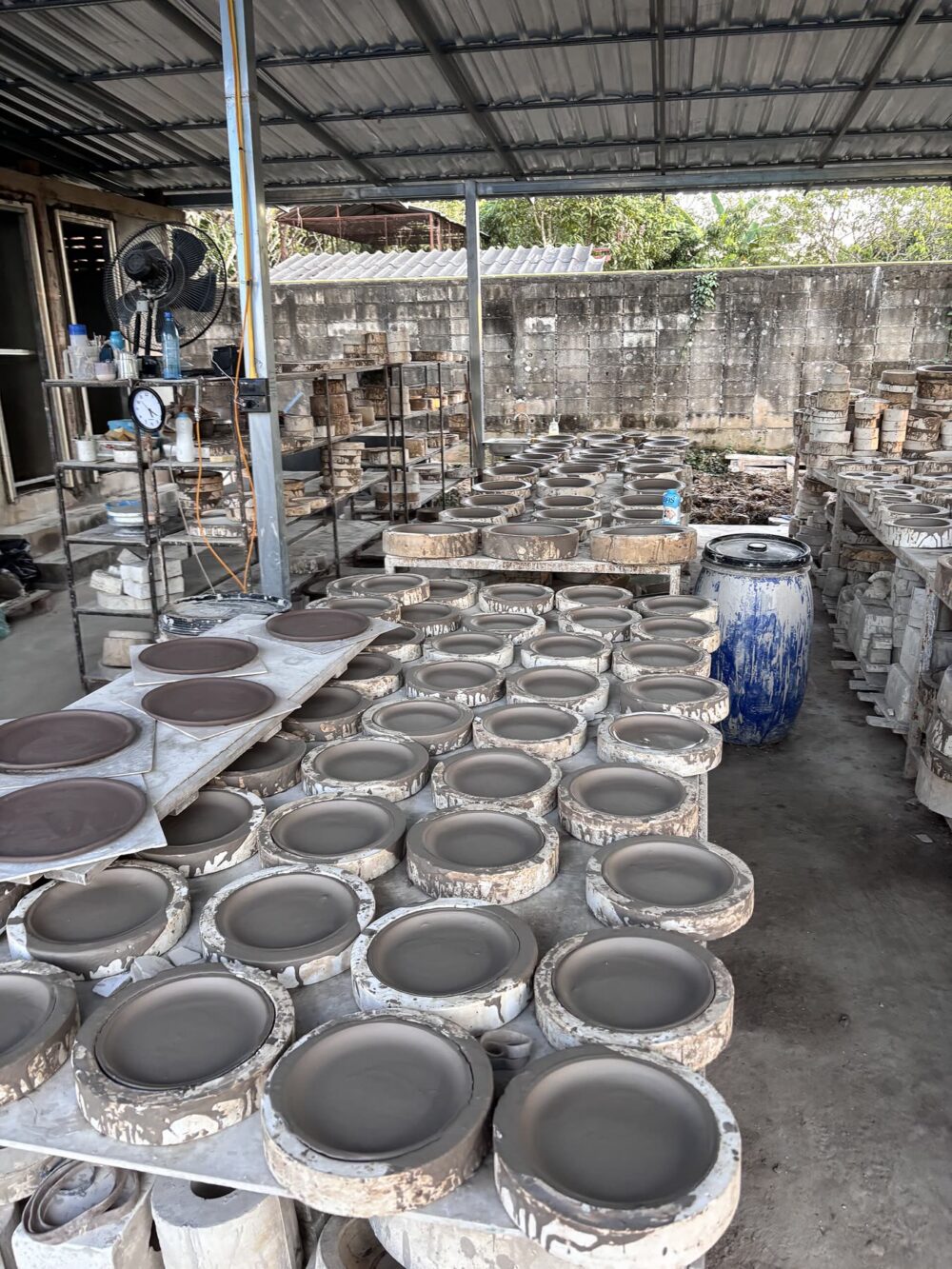
Yes, you can buy ceramic molds and even full ceramic manufacturing services online at wholesale scale. Whether that makes sense for you depends on what you’re trying to make (industrial components vs giftware), how precise the parts must be, and how ready your design is for tooling. Off‑the‑shelf plaster or ceramic molds are easy to source from catalog distributors. Custom molds for slip‑cast production or outsourced ceramic forming are more involved: you’ll need drawings, clear performance specs, and a supplier who actually understands ceramic tooling, not just general mold making.
For US buyers and small ecommerce brands, the practical questions are: do you just need molds as tools for your own studio, or do you want a factory to supply finished ceramic parts under your label? And do you want to keep sourcing domestic, or are you comfortable working cross‑border with tooling companies and formers in Asia or Europe?
How Ceramic Molds Fit into Modern Ceramic Manufacturing
Ceramic molds are negative forms that shape liquid slip or pressed clay into repeatable parts. In slip casting, described in detail by sources like ManufacturingProcesses.org, a typical production flow looks like this:
- Design and pattern – You or your designer create the positive model of the piece, including dimensions, wall thickness, and any functional features.
- Mold fabrication – A tooling company or ceramic former builds plaster or other ceramic molds around the pattern, sometimes in multiple parts for complex shapes.
- Casting – Liquid clay slip is poured into the mold. The mold material absorbs water, building a solid shell against the walls.
- Demolding and drying – Excess slip is poured out, the semi‑solid piece is removed and dried to the right moisture level.
- Firing and finishing – The piece is bisque fired, glazed, then fired again and finished.
Because molds sit at the start of this chain, they control almost everything that matters later: dimensional accuracy, surface detail, how easily you can demold, and how consistent your parts are over hundreds or thousands of cycles.
Specialist ceramic tooling and “formers” businesses—often in Asia and Europe—make industrial and decorative molds that feed OEMs and distributors rather than hobbyists. Sites like CeramicNinja’s process overview show how dedicated formers operate as a distinct layer in the supply chain: their job is tooling and forming, not retail. By contrast, retail distributors and catalog shops in the US such as Clay Magic, The Ceramic Shop, Clay‑King, or Creative Paradise Ceramics focus on selling finished molds to studios and small producers.
If you’re sourcing cross‑border, expect to deal more with the first group (industrial formers and tooling makers) for custom work, and with distributor‑style sites or marketplaces for standard molds.
Evaluating Ceramic Mold Makers and Distributors for Cross-Border Orders
For cross‑border orders, you’re not just checking whether a supplier sells molds. You’re checking whether they can reliably translate your design and process into tooling that works.
Three technical levers drive slip‑casting quality, and they should all show up in your supplier conversations:
- Mold design accuracy – Ask who is responsible for dimensional design. A competent supplier should be comfortable reviewing your drawings or 3D files and talking through draft angles, shrinkage allowances, and multi‑part mold layouts.
- Mold material choice – Plaster is common for decorative ware; higher‑performance ceramics or engineered materials may be used for industrial components. As Jiashun Art’s process write‑up notes, matching material to slip type and production volume is standard practice. Push suppliers to say what mold material they recommend and why.
- Casting parameters – Good formers will talk about slip viscosity, pour time, and drying/firing profiles because their molds are designed around those parameters. If a “manufacturer” never mentions these, you might be dealing with a general mold shop that doesn’t really specialize in ceramics.
For catalog mold distributors (Clay Magic, The Ceramic Shop, Clay‑King, Creative Paradise and similar), your checks are different:
- Catalog depth and labeling – Look for clear distinctions between hump/slump molds, sprig molds, slip‑casting molds, and specialty items.
- Wholesale behavior – Some sites explicitly position themselves as wholesale suppliers or encourage buying through local distributors; Clay Magic’s order page, for instance, nudges buyers toward local Clay Magic distributors while still accepting direct orders.
- Access constraints – Evans Ceramics’ Starlite Molds price list page shows a “Country Blocked” message for some users. That’s a real example of how catalog access can vary by location and can limit direct wholesale purchasing from certain brands.
When you move into custom molds or outsourced forming, focus your vetting on:
- Project examples similar to your product (tableware vs industrial parts)
- Willingness to sign off on drawings and tolerances before tooling
- Clarity about who owns the mold hardware and where it’s stored
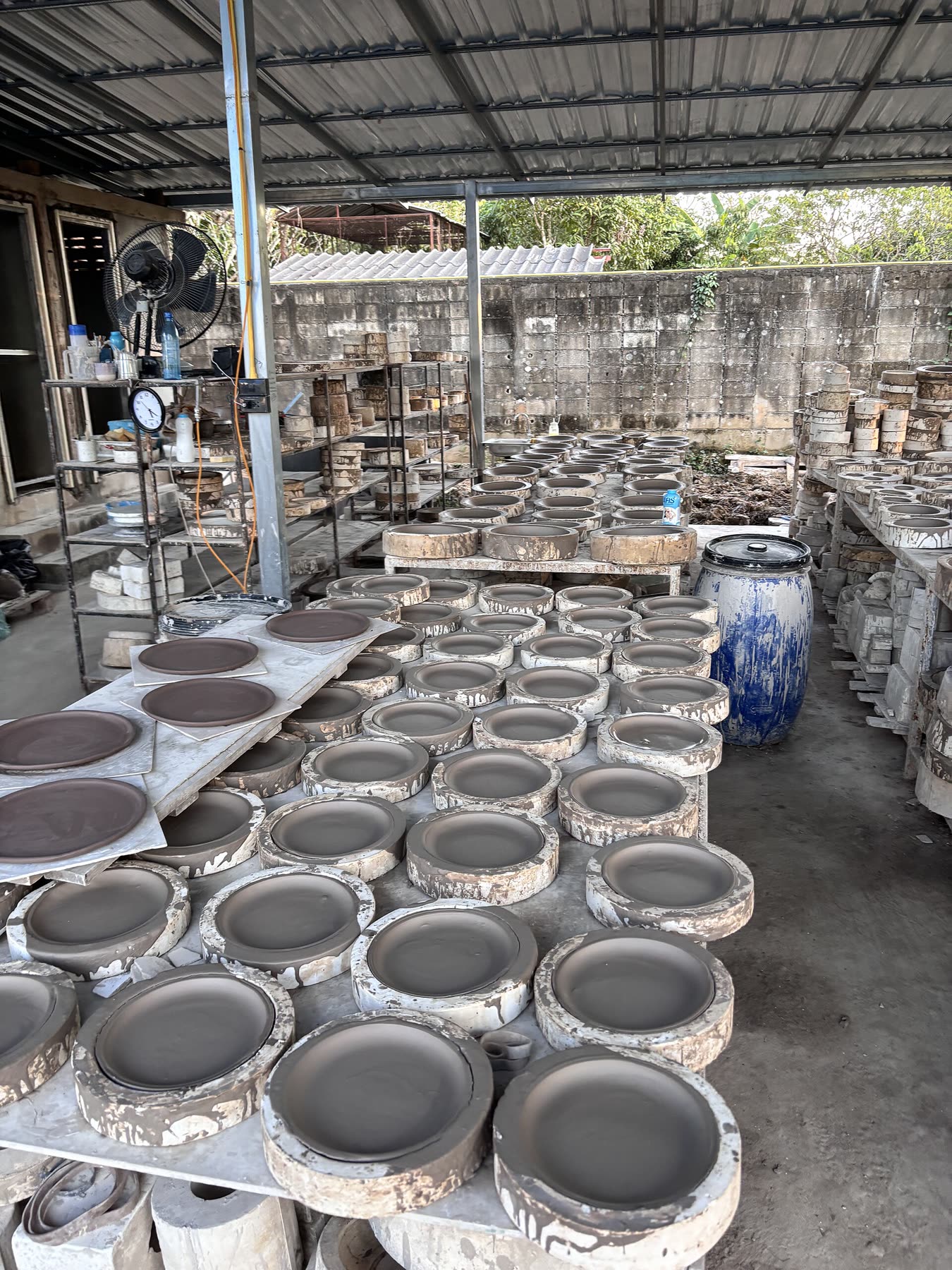
That picture of molds lined on racks is what you’re ultimately buying access to: repeatable tooling and a stable process, not just a single block of plaster.
Pricing, MOQ, Lead Time and Channel Choices for Wholesale Ceramic Molds
For wholesale buyers, your commercial reality changes a lot depending on where you source. You can think of your options in three broad channels, each with different expectations.
1) Specialist mold makers and formers
These are the companies described in technical sources and industrial ceramics sites. They typically:
- Quote per mold set, based on complexity and size
- Require detailed drawings and may charge engineering fees
- Work to production‑scale MOQs for finished parts if they also do casting
Lead times are usually measured in weeks for mold design and fabrication, then ongoing for casting runs. Cross‑border, you’re likely dealing with Asia or Europe and shipping finished ceramics into the US.
2) Catalog/distributor sites for decorative and studio molds
The US‑facing sites visible in search—Clay Magic, The Ceramic Shop, Clay‑King, Creative Paradise, plus smaller shops and studios—sell finished molds at listed prices. They often serve both retail and wholesale buyers. Typical patterns:
- Upfront pricing per mold: Creative Paradise’s catalog, for instance, lists molds at price points like $33, $44, $50, $88.
- Box‑level or cart‑level discounts: Many “wholesale pottery tools” pages, such as Clay‑King’s mold section, position their assortments as suitable for studios buying multiple molds for their projects.
- Lead times are mainly stock and shipping, not tooling, since molds are already made.
These sites are strong fits if you’re a US studio buying tools for your own slip‑casting or hand‑building operations and can work within standard designs.
3) Marketplaces and surplus/vintage channels
Online marketplaces and surplus/vintage channels give you breadth and deal pricing, but also more variability:
- Vintage/surplus molds show up heavily on platforms like the public Facebook group “Ceramic Molds For Sale” and eBay listings for mold lots. The eBay example is a lot of over 200 large molds sold as local pickup, which illustrates how molds often trade in bulk when studios liquidate.
- General marketplaces like DHgate, Amazon, or similar platforms host a mix of silicone craft molds, tools, and sometimes mold‑manufacturing services. DHgate, for example, lists silicone molds for ceramic art, texture rollers, and generic custom mold services alongside many unrelated categories.
Because marketplace catalogs are broad, you need to be clear about fit:
- If you just need silicone molds to cast decorative cement or small ceramic planters, the kind of listings you see for “ceramics flowerpot molds” and candle‑jar‑style pot molds can be viable.
- If you need true slip‑casting molds or an industrial ceramic forming partner, marketplace listings are less likely to match the depth of specialization you get from a dedicated ceramic former or industrial supplier.
For any marketplace option (including DHgate), treat each seller as its own business: read the product and tooling descriptions closely, check for photos of actual molds in use, and ask direct questions about mold material, expected cycles, and whether the supplier has experience with ceramic slip rather than just resin or food‑grade silicone.
Quick channel comparison for US wholesale buyers
Below is a compact view of how these channels stack up for wholesale sourcing.
| Channel type | Best for | Customization depth | Typical limitations for US buyers |
|---|---|---|---|
| Specialist mold makers/formers | Industrial parts, high‑precision tableware, OEM work | High – full mold design and forming services | More upfront work, longer lead times, cross‑border logistics |
| Catalog/distributor mold sites | Studios, giftware brands using standard shapes | Low – choose from existing mold catalogs | Limited to catalog designs; some sites restrict country access |
| Marketplaces & surplus/vintage | Bargain mold lots, silicone craft molds, opportunistic buys | Variable – mostly existing items, some custom offers | Quality and specialization vary; must vet each seller and listing |
If you decide that a general marketplace fits your project, you can use DHgate and other platforms alongside more focused channels. For structured marketplace sourcing, pieces on finding wholesale suppliers on DHgate, finding DHgate suppliers, and choosing a DHgate wholesale supplier cover how to evaluate those sellers; the same vetting mindset applies whether you’re buying silicone craft molds or negotiating industrial tooling.
The practical takeaway: start from your product and process. If you know your casting method and tolerance needs, you can narrow quickly—industrial former, catalog mold distributor, or marketplace/surplus—then structure the relationship and expectations around that choice.