
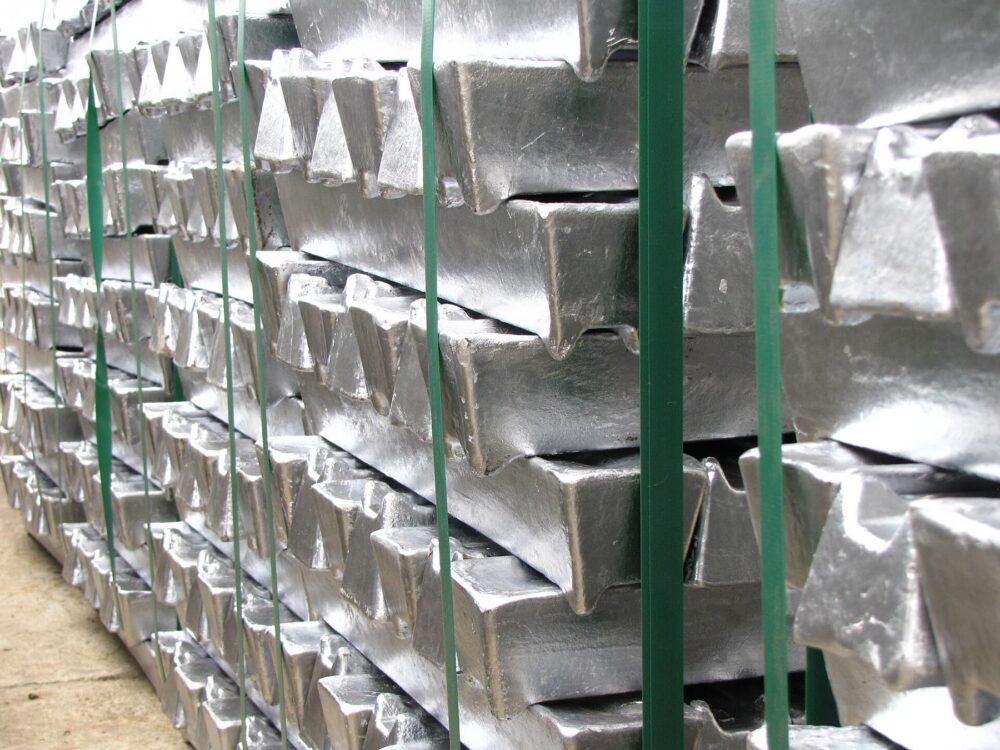
Aluminum ingots are the primary building block for countless downstream products, but they’re traded in a way that can be unfriendly to small buyers. If you’re in Canada looking online, you need to pin down your alloy and purity, confirm that the supplier really delivers that spec at the quantities you need, and model your landed cost (metal price + freight + insurance + customs) before you commit to cross‑border orders. In many cases, that analysis will tell you whether online import makes sense or whether you’re better off with a domestic mill, recycler, or distributor.
How Aluminum Ingots Fit Into the Supply Chain
Aluminum ingots are solid blocks of aluminum, typically rectangular slabs or billets, cast from molten metal and sold as a primary input for foundries, extruders, and other downstream processors. Industry suppliers describe them as the basic form in which aluminum leaves the smelter and enters the wider supply chain, ready to be re‑melted, cast, or rolled into finished products.Source
Two points matter for buyers:
- Form: Common shapes include stackable rectangular ingots and longer billets. Your downstream process (hand casting vs automated charging) may favor one shape.
- Purity/alloy: Listings often split into high‑purity primary ingots and more generic foundry or secondary ingots. High‑purity product in the 99.7-99.9% Al range is marketed for demanding industrial and export applications.Source
Here’s a compact way to think about ingot options and typical uses.
| Ingot type / purity (editorial) | Typical alloy positioning (editorial) | Common applications (editorial) |
|---|---|---|
| High‑purity 99.7-99.9% Al | Near‑pure primary aluminum | Electronics, specialty casting, where controlled impurities matter |
| Standard primary ingots (around 99% Al) | General extrusion/casting feedstock | Building profiles, automotive parts, consumer products |
| Secondary/recycled ingots (varied) | Mixed scrap‑based alloys | Foundry work, general casting where composition is less critical |
As global suppliers like Erstmetal point out, aluminum ingots are widely traded internationally, with producers and exporters across multiple regions supplying bulk quantities to overseas buyers.Source This bulk orientation shapes how online sourcing feels if you’re a small Canadian shop rather than a major industrial user.
Anchor scenarios for Canadian buyers
To decide whether online sourcing fits, start with your role in the chain:
- Small foundry or machine shop: You may want consistent alloy (e.g., a common casting grade) in manageable lots, with predictable chemistry and melt behavior.
- Scrap/resale business: You might care more about weight, purity bands, and documentation proving origin than about exact alloy.
- Ecommerce or hardware brand: You rarely need ingots themselves — you’re buying finished aluminum parts. Ingots are upstream from your usual suppliers.
If you’re not re‑melting or processing metal, you probably don’t need ingots at all, and the rest of this article is less relevant than learning to source finished aluminum components.
Choosing and Vetting Online Aluminum Ingot Suppliers
For ingots, the gap between a photo in a listing and the actual alloy you receive can be expensive. Quality guides for aluminum products stress three checks before bulk purchase: supplier reputation, certification (such as ISO 9001), and detailed product specifications.Source
Practical checklist for supplier screening
Use this as a working list when you’re looking at websites, online listings, or B2B lead platforms:
- Track record you can verify: Search the company name alongside terms like “aluminum ingot” and your region. Look for trade listings on sites like TradeKey’s aluminum ingot leads page, industry directories, and any long‑running presence rather than one‑off social posts or newly created domains.
- Certifications: Look for quality management certificates such as ISO 9001 referenced by aluminum buying guides.Source Ask for scanned copies and check whether they’re current and issued to the same legal entity as the seller.
- Spec sheets, not marketing slogans: A credible ingot supplier will provide a specification sheet showing alloy designation if applicable, typical chemical composition, and basic mechanical properties for the product range. Compare this against your process requirements and flag any gaps.
- Realistic quantity offers: On lead platforms like TradeKey, buyers commonly signal interest in quantities measured in hundreds or thousands of metric tons.Source If a seller with no visible history is offering “unlimited” tonnage at unrealistically low prices, treat that as a red flag.
Red flags specific to online ingot offers
Some warning signs matter more for metal than for consumer goods:
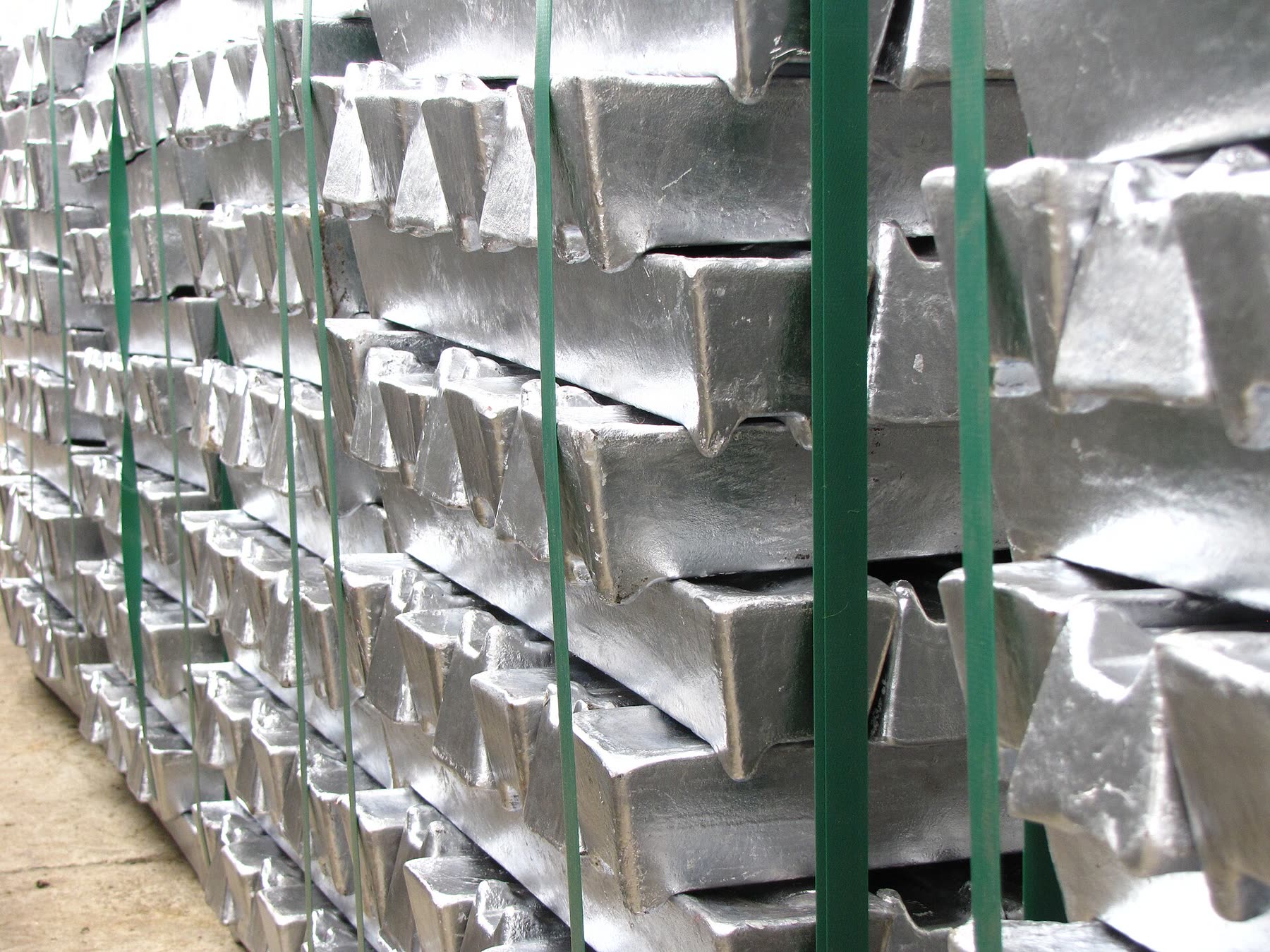
- Vague purity claims: “High quality” or “premium aluminum” without a stated purity band (e.g., 99.7% minimum) or alloy grade.
- No documentation on origin: Reputable exporters usually mention the smelter, region, or compliance with common standards. Silence here can complicate customs, banking, and resale.
- Social‑only sales pitch: A single Facebook or Instagram post offering bulk ingots to “any destination” with no company details or physical address is easy to create but hard to hold accountable.Source
For Canadian buyers, those red flags matter even more, because a cross‑border dispute about heavy raw material is usually complex and expensive to resolve.
Order Size, Pricing and Cross‑Border Logistics
Online ingot offers often target industrial‑scale demand. Industry buying pages show interest in bulk quantities in the hundreds to thousands of metric tons per order.Source If you’re only consuming a few tons per year, you may find most online smelter‑direct deals ill‑suited to your scale.
Thinking through quantities and price drivers
Price and feasibility hinge on a few practical factors:
- Minimum order quantity (MOQ): Many export‑oriented producers structure deals around full containers or vessel loads. If a supplier is willing to quote smaller lots, expect a higher unit price to cover handling and freight.
- Purity/alloy premium: High‑purity ingots in the 99.7-99.9% range marketed by specialist firms like Pure Metals typically command a premium over standard foundry feedstock.Source
- Freight and insurance: Aluminum ingots are dense and heavy; ocean freight, inland trucking, and cargo insurance are significant parts of your landed cost. Erstmetal’s export‑oriented materials emphasize the need to factor freight, insurance, and customs into total cost when trading internationally.Source
From a Canadian standpoint, you should also factor:
- Customs duties and taxes: Rates and rules change, so treat anything you read online as indicative only. Consult a customs broker or the Canada Border Services Agency website for current classifications and duty treatment for aluminum ingots.
- Handling at port and inland: Who arranges unloading, warehousing, and final trucking to your facility? Those steps can add meaningful cost per ton, especially for smaller shipments.
Where online marketplaces fit (including DHgate)
Online marketplaces can be useful for discovering aluminum products and components, and editorial guides on aluminum shopping highlight their broad selection and easy price comparison.Source However, they tend to list finished aluminum goods (doors, coils, hardware) far more often than primary ingots.
If your goal is true ingots at industrial scale, you’ll likely rely more on direct mill/exporter relationships, B2B lead platforms, or regional brokers than on general consumer‑oriented marketplaces.