
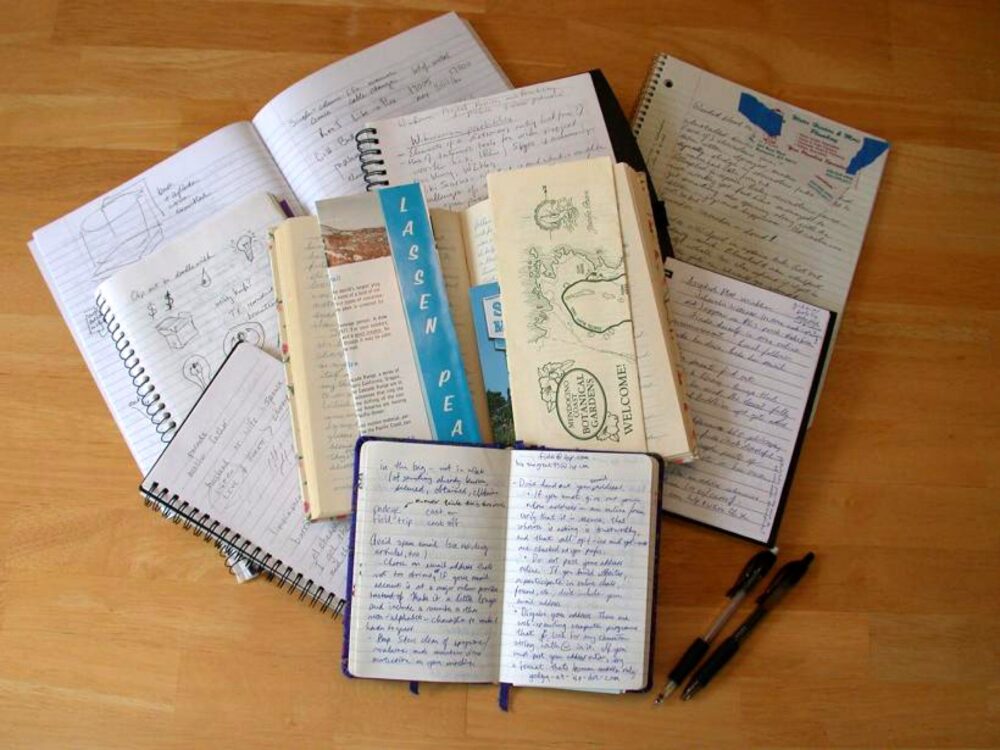
Bulk notebooks and journals are usually sourced from large China-based manufacturers and domestic wholesalers, then resold to schools, nonprofits, and small brands in big packs. For US buyers, DHgate can work well when you want low minimum order quantities (MOQs) and to test a few notebook styles without committing to a long-term contract. For consistent volume or institutional orders, platforms like Alibaba or US wholesalers such as Walmart Business, DollarDays, BagsInBulk, and WholesaleJournals often make more sense.
The key decision is whether you’re experimenting with a few SKUs or locking in a core, repeatable supply. This guide breaks down how the notebook/journal supply chain works, how to vet suppliers on DHgate and other channels, and how to think about total landed cost so you don’t buy “cheap” inventory that turns out expensive once freight and duties are added.
How Bulk Notebook and Journal Sourcing Works Today
Bulk notebooks and journals simply mean buying these items in large quantities at a discount. Typical buyers include:
- US schools and districts stocking classrooms.
- Nonprofits running back-to-school drives.
- Corporations buying branded journals for events or employee gifting.
- Small ecommerce brands (Etsy, Shopify, Amazon) selling stationery.
Domestic bulk stationery suppliers focus on ready-to-ship packs. For example, US buyers can source large lots of notebooks and paper from wholesalers like BagsInBulk, DollarDays, and WholesaleJournals. Retail-linked business portals such as Walmart Business also sell multi-pack notebooks aimed at schools and offices.
On the manufacturing side, China is a major source of paper products and stationery. Marketplaces connect those factories and trading companies with global buyers:
- DHgate is a China-based B2B marketplace where you can buy as few as one or a small pack from many suppliers, with larger wholesale discounts when you increase quantities, according to its editorial blog guidance.
- Alibaba is more oriented toward manufacturer-direct, higher-volume orders and OEM work, where you negotiate custom specs and bulk pricing with factories.
For a US buyer, that means you can choose between:
- Domestic wholesale: shorter lead times, predictable specs, higher unit prices, less customization.
- Cross-border marketplaces: lower unit prices and more variety, but more work to vet suppliers and manage shipping and duties.
Choosing and Vetting Notebook Suppliers on DHgate and Other Channels
What to look for on DHgate specifically
DHgate’s own editorial guidance stresses evaluating individual suppliers rather than treating the platform as one seller. When you search for notebooks or journals there, focus on:
- Supplier ratings and reviews. Look for a substantial number of transactions and detailed buyer comments that mention paper thickness, cover durability, binding quality, and print accuracy.
- Transaction history. A notebook supplier with a long order history, repeat buyers, and consistent review patterns is lower risk than a new listing with no track record.
- Samples first. DHgate’s ecommerce guide recommends ordering samples before committing to larger wholesale buys. For notebooks, this matters because paper weight, ink bleed, and color accuracy can vary widely even when photos look similar.
A practical DHgate vetting checklist for stationery:
- Shortlist 3-5 notebook suppliers with strong ratings and relevant reviews.
- Message each seller, asking for paper gsm, ruling style (lined, dot, grid), cover material, and customization options (logo printing, band colors, etc.).
- Ask for unit pricing at a few volume tiers you care about (for example, a low, mid, and higher quantity) to see how their tiered pricing behaves.
- Order 1-3 sample notebooks from each finalist and physically test: ink bleed with your target pens, ghosting, durability of spine, and packaging.
Internal buying processes like asking for references or clarifying terms also matter. DHgate’s blog on choosing office-supply suppliers suggests reviewing the vendor’s profile and published terms carefully; that same approach applies to notebook listings: read the listing text, conditions, and any notes around customization and minimum quantities.
Comparing DHgate with Alibaba and US wholesalers on supplier choice
Here’s a high-level view of how channels differ for notebooks and journals:
| Channel | Best for notebooks/journals when you… | Typical MOQ feel* | Customization & branding |
|---|---|---|---|
| DHgate | Want low-MOQ tests, varied styles, and opportunistic buys from China | Often small packs or low hundreds (seller-specific) | Many sellers offer simple logo/cover printing; OEM options exist but vary by supplier |
| Alibaba | Need manufacturer-direct, higher-volume, or full OEM notebook production | Often mid–high hundreds or thousands (factory-specific) | Strong for custom sizes, paper specs, full-brand designs, long-term contracts |
| US wholesalers | Need fast delivery, standard school/office specs, and simple ordering | Typically case packs; overall lower commitment but higher unit price | Limited—usually pre-designed covers; some corporate branding programs via specialist vendors |
*These are editorial impressions, not platform-wide rules; each seller sets their own MOQ.
If your brand’s business model depends on tightly controlled notebook specs and recurring bulk runs (for example, a DTC stationery brand with signature paper and binding), Alibaba or a specialist like Beech Tree Paper or BookPal is often a better long-term anchor. DHgate fits more as a flexible sourcing tool to try themes, formats, and price points before you lock in a factory relationship.
For institutional buyers (schools, nonprofits), US wholesalers such as DollarDays, BagsInBulk, and Walmart Business tend to be simpler. They offer pre-defined, ready-to-ship assortments and you worry less about specs, but you give up some price and customization.
If you need help with general DHgate supplier search and selection beyond stationery, see finding DHgate suppliers and choosing a DHgate wholesale supplier.
Costs, MOQs, and When DHgate Makes Sense for Bulk Notebooks
What goes into your landed cost from China
Even for a single carton of notebooks, total cost is more than just the unit price. At a minimum you’ll need to estimate:
- Product cost: per-notebook price multiplied by your order quantity, at the negotiated tier.
- Samples: the cost of a small batch of sample units plus shipping for your initial quality check.
- Freight: shipping from China (air for speed, sea or consolidated for lower cost) into the US. For notebooks, weight adds up quickly; denser paper and hardcover designs cost more to move.
- Duties and import fees: a generic allowance for customs duties and brokerage on paper products. If you’re uncertain, treat this as a percentage buffer in your spreadsheet rather than guessing a precise rate.
- Packaging and damage allowance: outer cartons, palletization for larger shipments, and a small write-off rate for damaged or misprinted units.
A simple landed-cost calculator for a test run via DHgate might look like:
- A modest number of notebooks from a small set of suppliers.
- Samples ordered first; only the best-performing sample moves to a larger test.
From that test, you learn which paper and covers your customers like, how much freight you actually pay per notebook, and whether the supplier packs adequately for transit.
Scenarios: when DHgate fits and when it doesn’t
Scenario 1: School or nonprofit buyer.
Scenario 2: Etsy or Shopify stationery brand.
For a small brand testing designs, DHgate can be a strong starting point. You can:
- Order small runs of different cover designs and formats.
- Validate which SKUs actually sell.
- Keep capital requirements low while you learn.
Once a specific notebook style proves itself, you may slowly migrate that SKU to manufacturer-direct sourcing on Alibaba or a dedicated paper supplier for tighter control and better long-run pricing.
Scenario 3: Amazon reseller or office-supply microbrand.
If your strategy is reselling commodity notebooks in bulk, long-term margin usually relies on locked-in factory relationships and reliable restocks. DHgate is useful to prototype bundles and test listing concepts, but for sustained volume you’ll likely need either an Alibaba factory arrangement or a domestic wholesaler with consistent replenishment.
Practical use of DHgate in your sourcing mix
For most small US ecommerce buyers, DHgate is best treated as:
- A low-MOQ testing channel to experiment with notebook and journal SKUs.
- A way to source opportunistic lots or short runs (seasonal designs, themed journals) without overcommitting.
Your “forever” supply for high-volume, year-round notebooks may live elsewhere. That’s not a knock on DHgate; it’s simply recognizing that a marketplace built around flexible, multi-seller sourcing is strongest where experimentation and variety matter more than deep, factory-level integration.
If you decide to lean on DHgate for your first tests, tighten your process with clear supplier vetting and cost modeling. Then, once a notebook line proves itself, revisit whether that SKU should stay on DHgate or move into a more structured supply chain.
For broader context on using DHgate within a wholesale strategy, see wholesale suppliers on DHgate.