
Yes, you can buy felt fabric and material supplies in bulk for large-scale crafting or a small ecommerce brand. The real challenge isn’t finding felt—it’s matching the right type to your projects, then choosing a supplier and channel that fit your budget, quality standard, and volume.
For most US craft buyers, the best path is to first decide whether you need wool, synthetic, or blended felt; then test a few suppliers with samples before committing to ongoing wholesale orders. Larger, repeat orders tend to make sense through mills or craft-focused wholesalers, while smaller or experimental batches can work through online marketplaces.
How Felt Fabric Is Produced and Supplied for Bulk Buyers
Felt is a non-woven textile made by matting, condensing, and pressing fibers into a dense fabric instead of weaving or knitting them.Felt overview Common fibers include wool and synthetics like polyester or acrylic. That structure gives felt the firm, slightly spongy feel you know from craft sheets and the durability that industrial buyers use in gaskets, padding, and insulation.
For bulk sourcing, you’ll mainly see these felt types:
- Wool felt – 100% wool, soft handfeel, typically more durable and resilient. Often used in higher-end craft items, accessories, and decor.
- Synthetic felt (polyester/acrylic) – cheaper, wide color range, common in low-cost craft sheets and kits.
- Blended felt – wool mixed with synthetics to balance softness, durability, and cost.
- Needle-punched felt – made by punching barbed needles through fibers so they tangle and interlock, creating a dense, uniform fabric. Widely used in industrial filtration, padding, and also some craft/interior applications.Felt types detail
- Craft felt sheets – usually synthetic, sold as small rectangles; at wholesale scale they’re often offered in multi-color packs or by the case.
The supply chain for bulk felt generally looks like this:
- Mills produce large rolls or engineered parts. In the US, companies like Bacon Felt, Superior Felt & Filtration, and Sutherland Felt manufacture non-woven and felt products for industrial and commercial uses.
- Converters and distributors cut rolls into sheets, die-cut shapes, or custom parts and resell to smaller buyers.
- Craft wholesalers and online retailers then package felt into colors and formats that make sense for DIY and ecommerce sellers—bundled sheets, pre-cut shapes, or felting wool.
As a craft business, you can plug into this chain at different points: direct from a mill for highly specified felt, from a converter for custom shapes, or from craft wholesalers and marketplaces for more flexible, project-ready material.
Choosing and Vetting Felt Suppliers for Craft and Ecommerce Use
Your biggest risk in scaling felt purchases is locking into a supplier whose material doesn’t match how your products are actually used. A few targeted checks can prevent that.
Map felt type to your product use. Wool and wool-blend felt typically feel softer and hold up better than basic acrylic craft felt, which suits premium ornaments, children’s toys that get handled often, or home decor that will be moved and cleaned. Acrylic craft felt is often enough for decorative banners or seasonal items where low cost matters more than long-term wear.Material comparison
Decide whether you need an industrial-leaning supplier or a craft-focused one.
- If you’re buying felt for engineered parts (padding under furniture, acoustic panels, filtration components), talking to US mills such as Bacon Felt, Superior Felt & Filtration, or Sutherland Felt can make sense. They specialize in specifying technical properties like density, thickness, and performance.
- If you’re selling DIY kits, plush toys, hair accessories, or decor, you’ll usually be better off with fabric wholesalers or craft supply companies that already stock wool, wool-blend, and acrylic felt in colors your customers expect. Sites like Source of Fabric’s felt section illustrate how these wholesalers present color cards and thickness options for craft buyers.
Use samples to check quality before you scale. Instead of judging from photos alone, ask potential suppliers for:
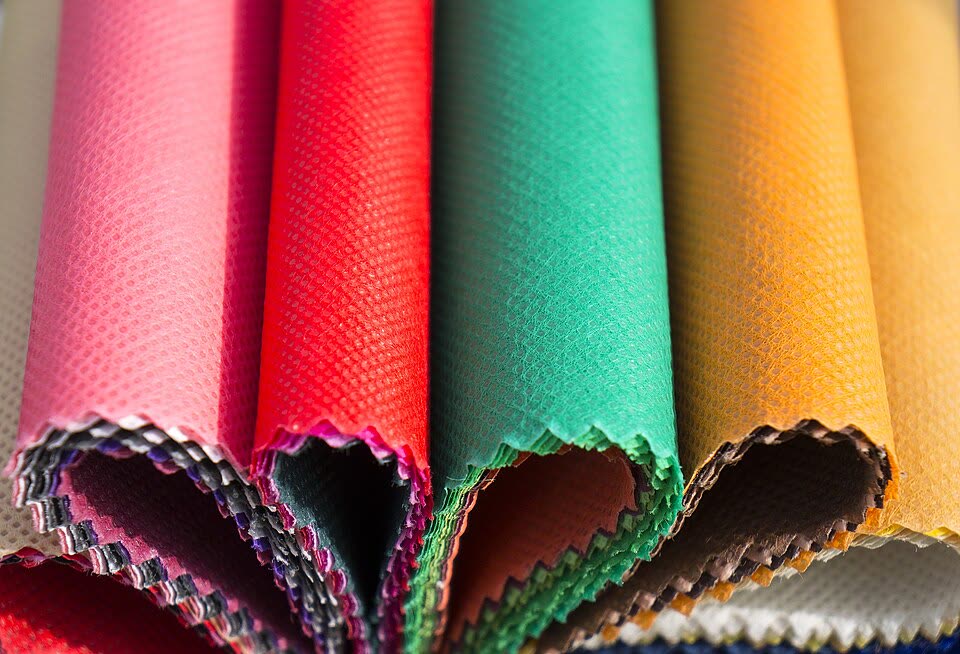
- Small color cards or swatch books for wool and synthetic felt.
- Sample thicknesses (e.g., 1-3 mm) so you can test how your cutting dies, scissors, or laser cutters perform.
- A mix of cut pieces and uncut yardage if you both sew and sell pre-cut shapes.
With those in hand, you can check:
- Surface feel and pilling: Does the felt stay smooth after handling or light abrasion?
- Edge behavior: Do cut edges stay clean or fuzz out immediately?
- Color consistency across batches: crucial if you sell color-coordinated kits.
Ask targeted operational questions. Instead of a generic “what’s your MOQ?” conversation, focus on how they will support your real use case:
- Can they hold or repeat colors you build a product line around?
- Are they set up to pre-cut sheets or shapes, or will you cut everything in-house?
- Do they supply both wool and acrylic so you can tier your product range?
Craft suppliers and mills that answer these questions clearly are more likely to be reliable partners than those who just send a price and minimum quantity.
MOQ, Pricing, and Channel Choices for Bulk Felt Orders
Wholesale felt almost always gets cheaper per yard or per sheet as your order volume grows. Fabric wholesalers such as Source of Fabric explicitly frame bulk wool felt purchases as a way to reduce per-yard cost for businesses and large DIY projects. You won’t see a universal price, but you should expect:
- Higher per-unit prices for small packs and color assortments.
- Lower per-unit prices once you’re buying full bolts, rolls, or case quantities.
The right sourcing channel depends on your volume and how customized your felt needs to be.
Where different channels tend to fit
Here’s a practical comparison you can use when planning your next order:
| Channel type | Best for order size & use | Typical pros (editorial) | Typical tradeoffs (editorial) |
|---|---|---|---|
| US felt mills (e.g., Bacon Felt, Superior Felt, Sutherland Felt) | Large, ongoing orders; technical or industrial felt | Precise specs, engineered performance, direct communication | Higher MOQs, more setup work for craft colors/formats |
| Domestic craft wholesalers / fabric sites | Small to mid-size craft brands; repeat colors & SKUs | Craft-ready colors and thicknesses, familiar formats (sheets, yardage) | Less control over fiber blends; pricing tied to published tiers |
| Online marketplaces (global sellers) | Trial runs, assorted colors, small-to-mid craft batches | Many options, easy access to mixed-color packs and kits | Quality consistency varies by seller; more vetting needed |
Example: domestic mill order vs marketplace bulk pack
Imagine you’re making felt coasters and table mats you sell year-round:
- A US mill could supply a specific wool-blend needle-punched felt at your chosen thickness and density, cut to standard dimensions. This route makes sense if you expect stable, high volume and care about long-term durability and performance.
- A craft-focused wholesaler might sell wool-blend felt by the yard in a few neutral colors. You’d handle cutting yourself but benefit from lower MOQs and simpler ordering.
Now compare that to an online marketplace where sellers bundle pre-cut sheets.
On DHgate, for example, a listing retrieved on 2026-10-13 titled “40Pcs Soft Felt Fabric Sheet Assorted Color Patchwork Sewing DIY Craft Squares Nonwoven 1mm Thick Handmade Fabric Weaving” is offered under the Fabric category.DHgate felt sheets snapshot It’s a 40-piece pack of 1 mm nonwoven craft felt squares in assorted colors—useful if you’re building smaller kits, testing color palettes, or running workshops.
If you’re considering marketplace packs like this, make them work for you by:
- Treating early orders as material tests, not final production inputs.
- Reading product titles and descriptions closely for fiber type (wool vs synthetic), thickness, and dimensions.
- Focusing on seller-level info (years active, ratings, review count where available) and asking questions before ordering larger quantities.
For buyers who later decide to shift more of their sourcing onto marketplaces, internal guides such as finding wholesale suppliers on DHgate and how to find DHgate suppliers can help structure that search, but they don’t change the core truth: cross-border marketplace sourcing adds choice and sometimes lower prices, while also increasing the need to vet each seller and compare landed cost.
One simple landed-cost check
Before you commit to any channel, run a quick landed-cost comparison:
- Take the supplier’s per-yard or per-pack price.
- Add shipping or freight and any known fees on the quote.
- Divide by the usable square footage or sheet count you will actually turn into products.
You may find that wool felt from a domestic wholesaler, even with a higher sticker price, ends up making more sense once you account for durability and the number of saleable items per yard—especially for products you position as premium.
That’s the real goal: not just “buy felt in bulk,” but lock in a felt supply that fits your project specs, your brand tier, and your realistic volume.