
If you’re buying fabric gift bags or reusable favor bags in bulk for a Canadian event or small ecommerce brand, you’ll usually get the best mix of price, variety, and customization by shopping wholesale channels—domestic or cross-border—then testing a few suppliers with samples and small trial orders before you commit to a large run. That means first choosing your material and size, then deciding whether local wholesalers, artisan marketplaces like Etsy, retail platforms like Amazon.ca, or overseas marketplaces are the right fit for your volume and lead time.
This guide focuses on the sourcing side: which fabrics make sense, how bulk packs are typically structured, and how different channels line up for a Canada/US buyer.
How the Fabric Gift Bag Wholesale Market Works
Reusable fabric gift bags are sold everywhere from wedding-favor suppliers to eco-wrap brands. They sit at the higher-durability end of the packaging spectrum: paper bags are usually cheapest but rip and crease easily; plastic is tougher but less eco-positioned; fabric costs more per unit but is reusable and feels premium.
Common fabrics include:
- Cotton/muslin – soft, easy to print, good for natural or minimalist branding. These show up in mini drawstring formats on marketplaces like Amazon.ca; for example, one muslin pack offers mixed 4×6″ and 5×7″ bags, which are typical jewelry or candy favor sizes.
- Jute/burlap/linen – rougher texture, strong rustic look for weddings or farm-style events. A jute mini bag on Amazon.ca is around 3×4″ usable space, sized for a few candies or a small vial.
- Organza – sheer, lightweight, used heavily for wedding and shower favors. Organza bags are often sold in assorted colors in sets of 20 or more.
- Canvas and heavier cotton – used for larger gift sacks and tote-style favor bags that guests keep (e.g., Halloween or Christmas sacks, bridesmaid gift totes).
Eco-focused brands such as EncoreWrap and Canadian companies selling reusable gift-wrap kits position fabric bags as a sustainable alternative to single-use paper, tissue, and plastic. They lean on durability and reuse rather than promising specific environmental metrics.
Production-wise, most low-cost bulk fabric bags are manufactured in China, India, and other textile hubs, then sold via:
- regional wholesalers and distributors,
- wedding and party suppliers,
- global marketplaces (Etsy, Amazon, cross-border platforms), and
- direct-to-consumer eco-wrap brands with higher retail pricing.
For a small business, your job is to match this landscape to your real needs: are you buying 200 plain 3×4″ bags for candy, or 2,000 branded totes for an event series?
Choosing and Vetting Bulk Suppliers for Fabric Gift Bags
The biggest failure points for fabric favor bags are thin material, sloppy stitching, inconsistent sizing, and disappointing colors or prints. You want to screen for those issues before you scale.
Start with a clear spec:
- Bag purpose: jewelry, candy, skincare minis, full-size gifts, or take-home totes.
- Target size: mini favor bags commonly run around 3×4″, 4×6″, 5×7″; larger gift sacks can be 10×13″ and up. Bridal party totes can be roughly 10×10″ flat or larger.
- Material and brand story: organic-looking muslin for a natural brand, burlap for rustic weddings, organza for formal events, canvas for higher-priced gifts.
Then look at real product examples to sanity-check what suppliers are offering.
On artisan marketplaces like Etsy you’ll see:
- Handmade fabric gift bags sized for specific uses, e.g., an 18″ x 12″ x 5″ lined drawstring bag marketed as a reusable gift wrap for larger presents.
- Bulk cotton drawstring bags with custom logos sold in sets (e.g., 20, 50, 100 pieces) for party favors.
- Patterned cotton drawstring packs with multiple designs in one bundle for small ecommerce brands stocking mix-and-match packaging.
Retail platforms like Amazon.ca show the low-cost end of the market, with multi-pack muslin or burlap bags in standard mini sizes, often in neutral colors.
What to actually check on a listing or quote
Instead of generic trust signals, focus on details that affect your customer experience:
- Fabric weight and weave: Photos often reveal whether cotton is see-through and flimsy or relatively dense. For organza and very thin cotton, assume they’re best for light items.
- Stitching and seams: Zoom photos to see whether seams are straight, edges are finished, and drawstring channels are reinforced. Loose threads in photos often predict inconsistent quality.
- Drawstring hardware: Compare simple fabric ties vs ribbon vs cord. Cord or ribbon usually feels more premium for gifts.
- True internal size: Some listings quote overall size; look for usable internal dimensions if you’re fitting rigid items. Mini burlap bags, for example, may list 3×4″ but note a slightly smaller usable area.
- Color fastness & printing: For branded bags, ask how logos are applied (screen print, heat transfer, embroidery). Request photos of past runs on similar fabric and color.
Where possible, order a sample batch—even 10-20 pieces—before committing to a few hundred or thousand. This is especially important if:
- your brand promise leans on eco or premium quality,
- you’re matching bags to existing packaging colors, or
- you plan to reuse the same supplier season after season.
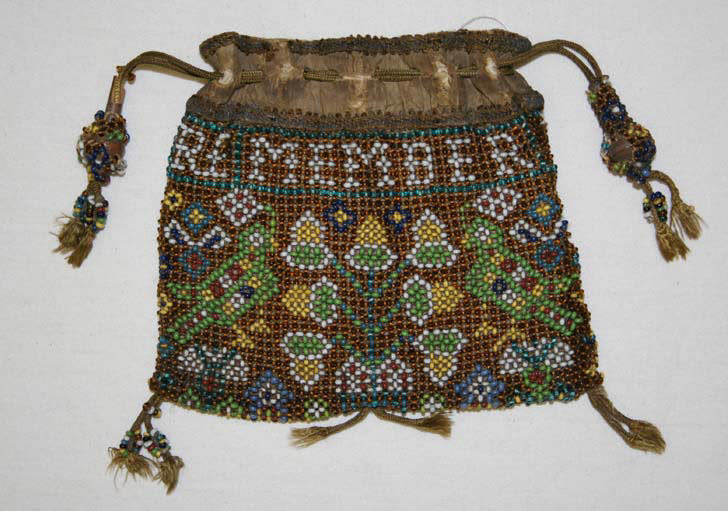
A physical sample lets you check stitching strength, drawstring feel, and how the bag sits when filled—things that are hard to judge from product photos alone.
MOQ, Pricing, Customization, and Channel Trade-offs
You won’t find one universal MOQ or price, but the patterns are fairly consistent:
- Plain small bags (cotton, muslin, organza) are often sold in packs of 20-100 pieces at retail, and in larger cartons via wholesalers.
- Branded or printed bags usually require some minimum (often hundreds) to make setup costs worthwhile.
- Heavy fabric totes and large sacks cost more per unit but can act as part of the gift itself.
Fabric also tends to be more expensive than paper or thin plastic, but the perceived value and reusability can support higher product or event pricing.
Comparing sourcing channels by typical use case
Here’s a simple view of where different channels tend to fit. These are editorial patterns, not rules—individual suppliers can vary.
| Channel type | Good for… | Typical size/format examples | Pros for a Canada/US buyer | Trade-offs |
|---|---|---|---|---|
| Local party/wedding wholesalers | Mid-size events, rush orders | Standard mini fabric favor bags (3×4″, 4×6″), organza multipacks | Fast delivery, easy returns, consistent categories | Less choice on fabrics/colors, higher unit cost |
| Artisan marketplaces (Etsy) | Branded or themed bags, small ecommerce | Handmade bags up to ~18″ x 12″ x 5″, logo cotton sets of 20-100 | Design variety, small-batch customization | Per-unit cost higher; limited economies of scale |
| Retail platforms (Amazon.ca) | Testing sizes, small events or trials | Muslin/burlap packs like 3×4″, 4×6″, 5×7″, organza sets of 20+ | Fast fulfilment, easy price comparison | Mostly generic designs; limited logo branding |
| Cross-border marketplaces | Larger volumes, lower unit cost, seasonal themes | Bulk runs of small favors, large canvas or non-woven totes | Broad global selection, potential lower unit prices | Longer shipping, duty/VAT management, more vetting needed |
For cross-border marketplaces, DHgate is one example. Around 2026-10-13, a listing titled “Large Halloween Canvas Bag Reusable Fabric Bag for Trick or Treating Halloween Candy Gift Bags Gift Sack Bags” in the Other Festive & Party Supplies category showed a price range of roughly US$2.41–$2.85 per bag and 13 reviews (product page). Prices and availability can change quickly, but listings like this illustrate how you can source themed fabric sacks in bulk for holidays or events.
Matching order size to channel
As a practical rule of thumb:
- Under ~100 bags, no custom logo: Local wholesalers, Amazon.ca, or Etsy packs are usually simplest. You’re paying retail-ish prices but avoiding complexity.
- 100-500 bags, light customization: Small-business Etsy sellers or regional print shops can add logos or themes without industrial-scale MOQs.
- 500+ bags, recurring campaigns: Cross-border wholesalers and marketplaces often make sense—especially for standard sizes in cotton, muslin, organza, jute, or non-woven—with samples first, then a test run before you lock in a long-term supplier.
If you decide that a cross-border marketplace route is right, you can read more about evaluating overseas suppliers at Find wholesale suppliers on DHgate and Choose a DHgate wholesale supplier. The same due-diligence mindset applies even if you ultimately buy your fabric gift bags somewhere else.