
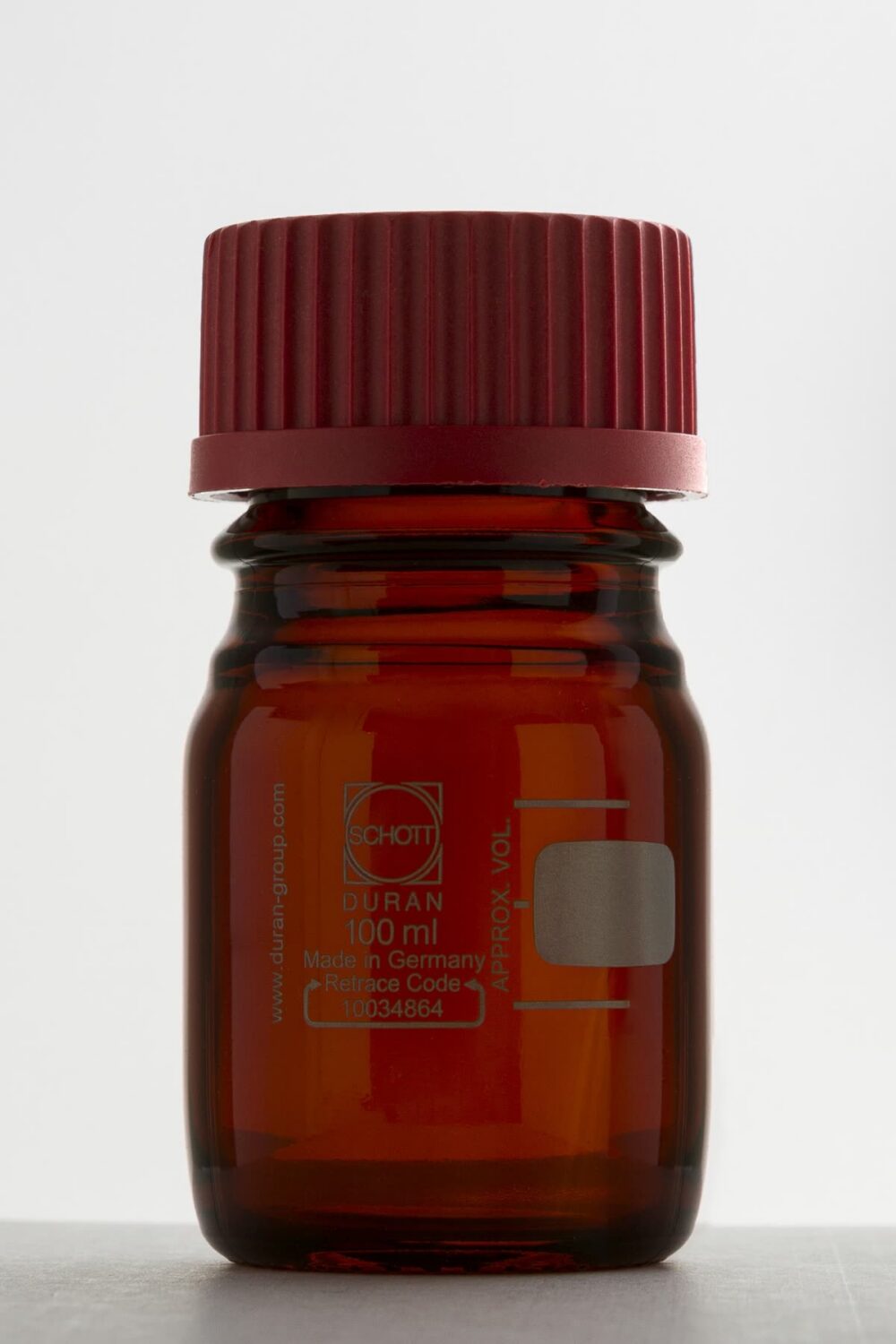
You’ll get the best results on sustainable, food‑grade bottles by matching your supplier type to three things: batch size, how custom your bottle needs to be, and how much proof of food-contact safety you can realistically chase. A Bottle Source‑style specialist gives you focused packaging expertise and usually clearer documentation for serious food use. DHgate and similar Chinese wholesale platforms are better for small test runs, simple standard bottles or non‑critical refill packaging where you’re willing to do more vetting yourself. Local Australian distributors sit between those two in workload and flexibility.
For a craft brand in Australia, that usually means: validate your product with low hundreds of units via a marketplace, move to a dedicated packaging supplier like Bottle Source Corporation or a regional equivalent once you standardise specs, and only jump into fully custom tooling on Alibaba‑type bulk orders when you’re ready to lock in long‑term volume.
How Sustainable Food-Grade Bottle Supply Chains Work
Sustainable bottles for beverages, sauces, cosmetics or refills come from a few distinct supplier types:
- Dedicated packaging/bottle specialists. Companies like Bottle Source Corporation specialise in packaging. They typically offer a catalogue of glass, PET, HDPE and other containers plus closures, sometimes with eco options (recycled content, lightweight designs). Their business is built around packaging specs, batch consistency and, in many cases, food-contact suitability.
- China-based OEM manufacturers accessed via platforms. Chinese factories often make the actual bottles, especially for plastic. Platforms such as Alibaba, DHgate and Global Sources connect you to these manufacturers and trading companies. As Maplesourcing’s overview of Chinese wholesale sites points out, Alibaba tends to suit custom bulk orders, DHgate and AliExpress tend to suit small test orders, and Global Sources focuses on verified export‑ready suppliers.Chinese Wholesale Websites overview
- Local distributors and packaging wholesalers. In Australia, you’ll find regional packaging houses and distributors who import from Asia or North America and hold stock locally. They often carry standard bottle families with lowish MOQs but limited deep customization.
From a buyer’s point of view, these aren’t interchangeable routes. The specialist (Bottle Source‑style) route usually gives you:
- a narrower but packaging‑focused range,
- more predictable repeatability,
- and clearer access to technical data sheets.
Platforms and distributors give you reach and price options, but you shoulder more of the work of sorting food‑safe products from generic containers.
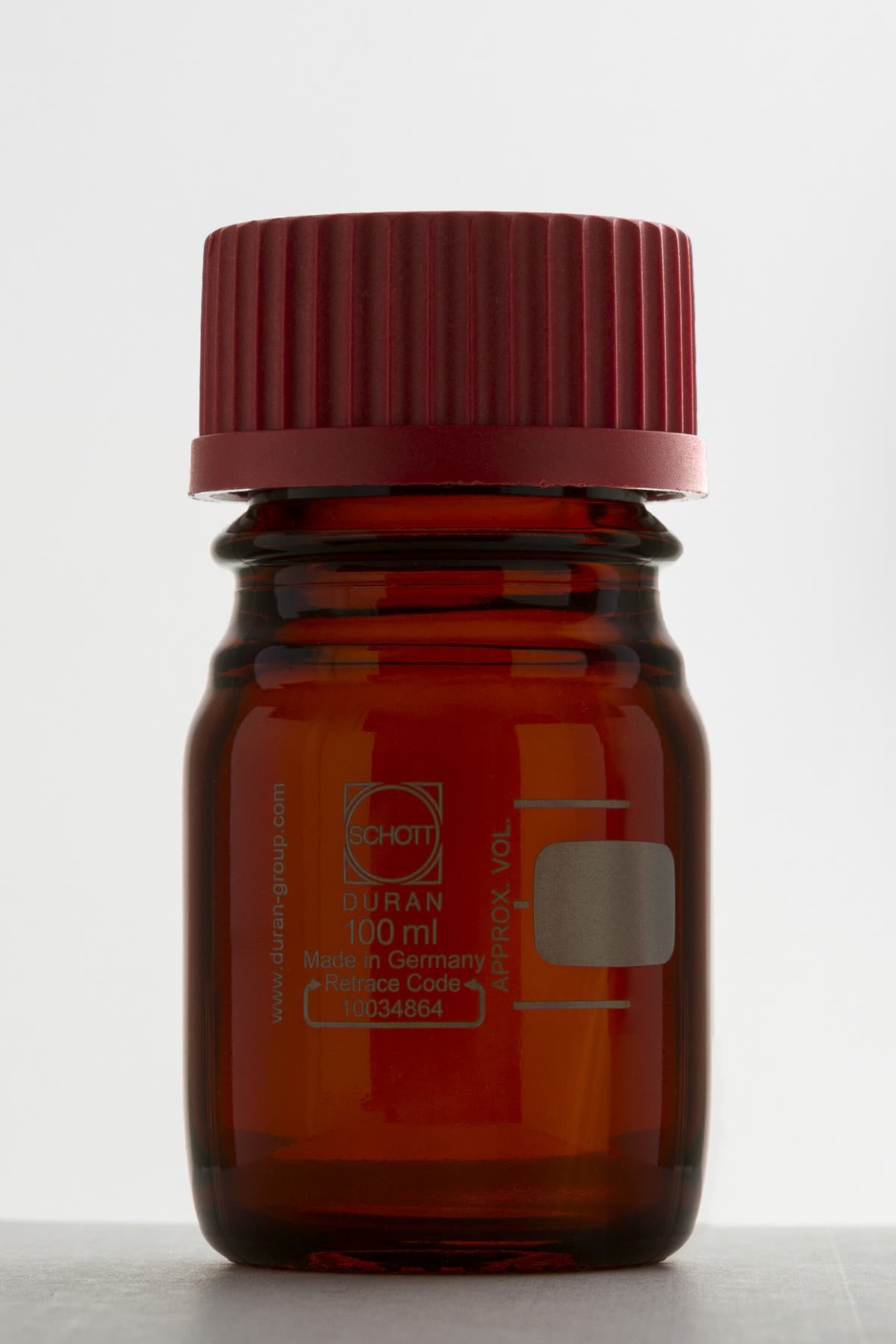
Matching Supplier Types to Your Order Size and Food-Contact Proof
Rather than hunting “best supplier” in the abstract, start from your batch size and risk tolerance. Below are three realistic scenarios for an Australian brand.
Scenario 1: About 200 units – testing a new product
Typical use: new kombucha flavour, small‑batch hot sauce, trial refillable cosmetic.
- Best fit: Marketplace route (DHgate/AliExpress) or local distributor.
- Why: You probably need standard bottles, not custom moulds, and you want to spend more time validating the product than negotiating tooling.
Workload:
- You select a standard shape and material, order 20-50 samples, and do your own leak tests and shelf‑life checks.
- Food-contact proof is minimal but still matters. Ask for any available material declaration (e.g., PET or glass grade) and confirm that caps/liners are suitable for your product type.
Risk trade‑off: You accept that documentation may be thin, so you keep the batch small, use conservative fillings (e.g., non‑acidic, short shelf life) or treat the run as non‑commercial testing.
Scenario 2: Around 2,000 units – launching a real line
Typical use: you’re selling across Australia, maybe into independent grocers or online, and want sustainable positioning.
- Best fit: Bottle Source‑style specialist or a strong regional packaging supplier.
- Why: You now care about repeat orders, compatibility with filling equipment, and clearer food-contact evidence.
With a specialist:
- MOQs are often in the low thousands per SKU, which lines up with your batch.
- You can stick to stock moulds but customise colour, closure type, sometimes recycled content.
- You’re more likely to obtain consistent technical documentation and to speak with packaging‑focused support.
Your workload is medium: you still need to review documents and maybe commission local migration or shelf‑life tests through a lab if your product is sensitive, but you’re not hunting dozens of marketplace listings.
Scenario 3: 20,000+ units – scaling nationally or for export
Typical use: mature beverage line, large grocer listings, or export beyond Australia.
- Best fit: Custom bulk via Alibaba‑type OEM or a long‑term contract with a specialist manufacturer.
- Why: At this volume, you can justify tooling and more ambitious sustainability features (unique shapes, high recycled content, lightweighting).
Workload increases significantly:
- You negotiate mould costs, long‑term pricing tiers and capacity.
- You manage more formal food‑contact compliance work (e.g., aligning with your destination markets), usually with consultant or legal support.
Marketplaces like DHgate become less central at this scale; they may still help with secondary packaging or accessories, but your primary food‑contact bottle supply should be locked in through more controlled routes.
Micro-checklist: Food-contact documentation to ask for
Without turning this into legal advice, for food‑grade bottles in any scenario you should at least request:
- Material identification: resin type (e.g., PET, HDPE) or glass grade.
- Use conditions: temperature, product types it’s meant to hold.
- Any available third‑party testing: migration tests, heavy metal checks where they exist.
- Closure compatibility: how caps, liners or pumps interact with your product.
Specialist packaging suppliers often collate this for you. On marketplaces, expect to request it listing by listing.
DHgate as One Sourcing Option for Bottles and Packaging
DHgate is a Chinese B2B wholesale platform that connects global buyers with Chinese manufacturers and wholesalers across millions of products.DHgate wholesale overview For bottles and packaging, it sits in the “small test order / flexible supplier” slot described earlier.
Two DHgate blog articles describe the platform as focusing on relatively low minimum order quantities compared with sites like Alibaba or Global Sources, which suits smaller validation runs rather than huge contracts.DHgate clothing sourcing guide DHgate also uses tiered pricing, where the per‑unit cost often drops as your quantity increases, reflecting wholesale norms.DHgate wholesale website list
DHgate listing snapshot: bottles and packaging (retrieved 2026-10-14)
Here’s a small snapshot of DHgate listings related to bottles and packaging. Prices and availability change frequently; treat this as a feel for what’s on offer, not a recommendation.
| Product (DHgate link) | Category | Price range (USD) | Supplier name |
|---|---|---|---|
| Tailored Solutions: Bespoke Plastic Bottle Design & Manufacturing | Packaging Bottles | 0.38-0.39 | oceanpacksolutions |
| Professional customized plastic bottle products | Packaging Bottles | 0.38-0.39 | oceanpacksolutions |
| Sealed storage bottles for liquids and solids, irregular-shaped PE plastic bottles | Custom Packaging | 0.59-0.64 | tzjfsljx |
| Packaging Bottles. High-Performance Empty Packaging Bottle | Packaging Bottles | 5.03-5.44 | changyubaolelai |
| Plastic Drink Packaging Bag Spout Pouch for Beverage | Other Home & Garden | 0.41-0.45 | sunshine_mall |
This snapshot shows:
- Range: both low‑cost plastic bottles and higher‑priced packaging bottles, plus pouches.
- Customization signals: some listings emphasise “professional customized” or “bespoke design,” indicating OEM‑style work.
- Wholesale behaviour: tiered prices within a narrow band per listing, consistent with the platform’s described pricing approach.
None of these listings explicitly advertise food‑grade certification in the snippet alone. If you’re sourcing for food or beverage use via DHgate, you’d need to:
- read each listing carefully for material and intended use,
- contact the seller to request food‑contact documentation,
- and order samples before committing.
Badges like “top merchant” or “China brand” are mentioned in DHgate’s own blog as signals of high‑volume sellers or genuine Chinese‑made goods, but they are not proof of food safety or quality.DHgate wholesale website list Use them as one filter, then do your own verification.
For help navigating DHgate suppliers more generally, you can also read DHgateWiki’s guides such as Find wholesale suppliers on DHgate, Find DHgate suppliers, and Choose a DHgate wholesale supplier.
Query-time DHgate listing example
Observed on 2026-10-14, Hydrogen Water Bottle,Portable Hydrogen Water Bottle Generator for Home Office Travel Daily Drinking appeared in Water Filters. This is a time-bound, illustrative listing example, not an endorsement; availability and listing details may change. Verify the specifications, seller evidence, applicable compliance, and any intellectual-property or commercial-use rights required for the intended use. A sample can test the physical product, but it cannot establish legal permission or licensing.
Comparing Routes: Specialist vs DHgate vs Local Distributor
Here’s a compact comparison of how the main sourcing routes stack up for sustainable food‑grade bottles.
| Route | Best batch size / use case | Customization depth | Food-contact proof effort | Buyer workload |
|---|---|---|---|---|
| Bottle Source‑style specialist | 1,000-10,000 units; repeatable food & beverage lines | Stock moulds with options on colour, closures, sometimes recycled content | Often more structured; you still must review documents and may add local lab tests | Medium – focused supplier, fewer listings to vet |
| DHgate marketplace | 50-1,000 units; tests, short runs, non‑critical refills | From generic stock to some OEM customization on plastic bottles | Highly variable; you must chase material info and any test reports listing by listing | High – search, filter, sample, and negotiate per supplier |
| Local AU distributor | 100-3,000 units; standard shapes, fast replenishment | Limited; mostly stock items, occasional colour/closure variations | Mixed; some provide clear packaging specs, others basic data only | Low–medium – simpler communication and local warehousing, but less spec flexibility |
For most Australian small ecommerce brands, a pragmatic path is:
- Prototype: start with a local distributor or cautious DHgate orders for basic bottles and pouches.
- Standardise: as you lock in your packaging, shift your main food‑contact supply to a specialist like Bottle Source or a comparable packaging firm with better documentation support.
- Scale: only move to full custom OEM via Alibaba‑style channels once your volume and regulatory workload justify that investment.
That way, you keep sustainability and safety credible without burying your small team in cross‑border sourcing work before your product has actually proven itself.