
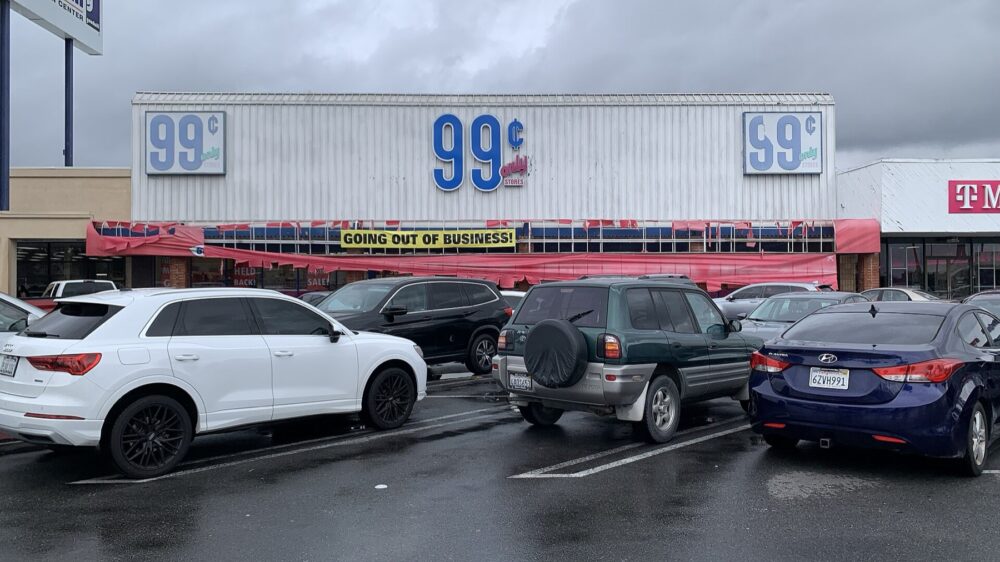
For a side-hustle flipper or local discount shop, Atlanta’s liquidation scene can be a primary source. For a branded Amazon or Shopify seller, it’s usually a supplement, not the backbone of your catalog. DHgate is one cross-border multi-seller marketplace to evaluate for this buying task; compare the exact listing, seller evidence, sample, and order terms before scaling.
How Atlanta Liquidation and Wholesale Stores Fit into the Supply Chain
Liquidation and wholesale stores around Atlanta specialize in surplus, overstock, returns, and closeouts from large retail chains. They step in after traditional distribution: once a retailer or manufacturer decides stock is excess or too costly to handle as regular returns, it’s sold off in bulk. Those bulk lots are broken down locally into:
- Pallets: Gaylords or wrapped pallets of mixed goods (often from one retailer, department, or category).
- Bin stores: Inventory dumped into large tables or bins, priced per item and often adjusted by day of the week.
- Truckloads or multiple pallets: Sold to larger resellers or flea-market operators.
Atlanta has a cluster of businesses following this model. For example, Half Off Wholesale promotes liquidation pallets specifically, positioning itself as a warehouse source for discounted merchandise.Wholesale Liquidation Pallets for Sale | Half Off Wholesale Stores such as Tommy’s Wholesale & Retail and Express Liquidators in Atlanta are listed as bin-style operations where customers dig through mixed items at set bin prices.Tommy’s Wholesale & Retail Atlanta, GA: Hours and Prices Express Liquidators Atlanta, GA: Hours, Bin Prices and Address L.O.S. Liquidation Outlet appears as another local example.L.O.S. Liquidation Outlet Store — Atlanta, GA
Across these businesses, inventory is typically mixed-condition—new, shelf-pull, open-box, and customer returns in the same pallet or bin. Industry guides like Liquidations.ws stress that liquidation loads often contain a range from fully functional items to damaged or incomplete ones. You can usually expect that:
- Exact SKUs are hard to predict in advance.
- Even if you find a “winner,” you may not be able to restock that exact item consistently.
That structural unpredictability is the key difference between liquidation and standard wholesale: liquidation is about arbitraging chaos; wholesale is about controlling repeatable supply.
Evaluating Atlanta Liquidation Warehouses and Local Wholesale Suppliers
Because liquidation inventory is inherently variable, your choice of supplier and how you buy matters more than the brand names you see on the boxes.
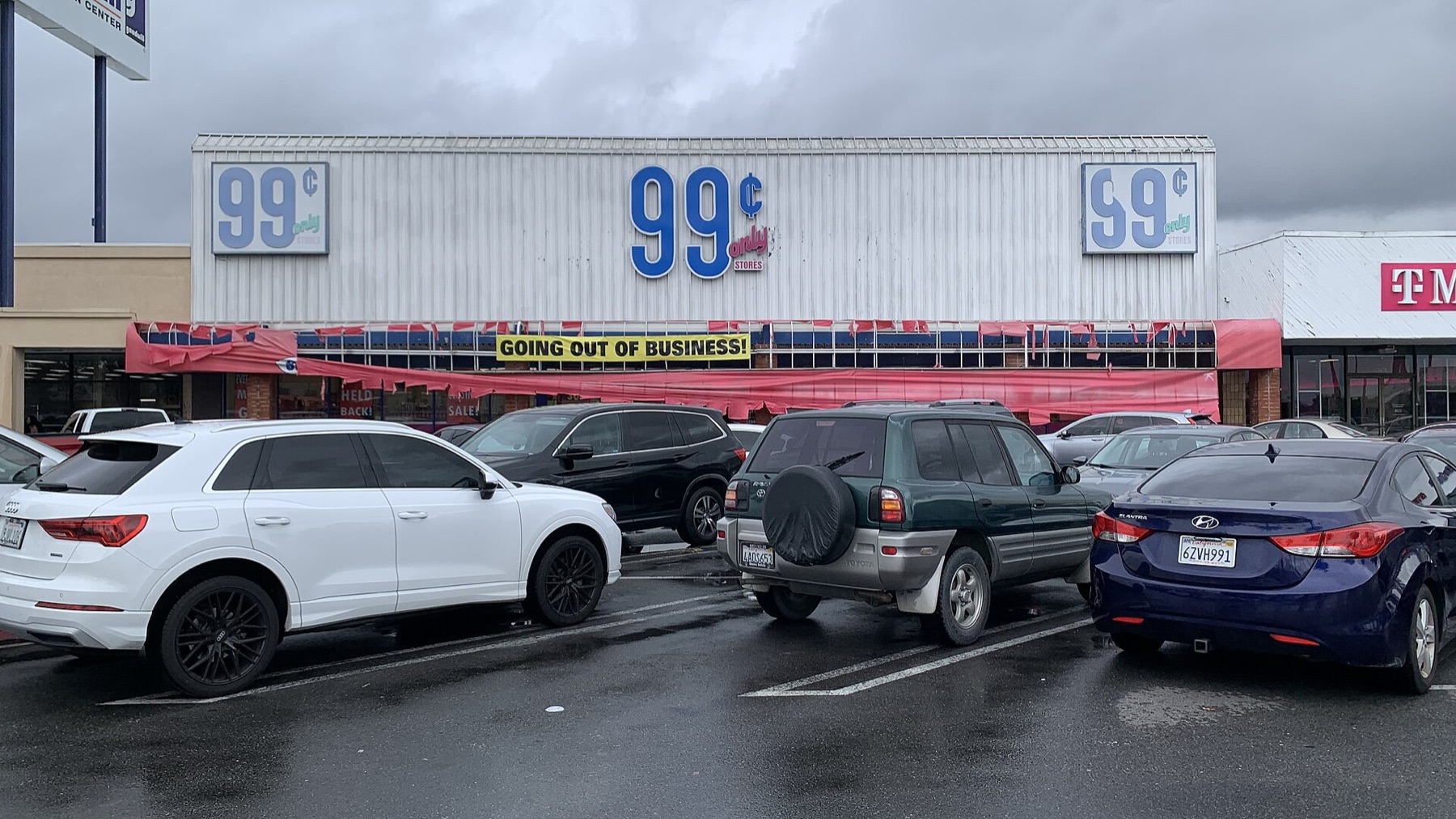
Here’s how to turn an Atlanta warehouse visit into a sourcing decision rather than a gamble.
1. Understand the format you’re walking into
Local operators around Atlanta often mix formats:
- Pallet-focused warehouses (like Half Off Wholesale) target resellers who buy in bulk and haul away on the same day.Wholesale Liquidation Pallets for Sale | Half Off Wholesale
- Bin stores (Express Liquidators, Tommy’s Wholesale & Retail) typically post daily or weekly bin prices and encourage customers to dig through changing stock.Express Liquidators Atlanta, GA: Hours, Bin Prices and Address
- Outlet-style liquidation (L.O.S. and similar) can feel like a discount retail store, but stock and pricing still reflect liquidation dynamics.L.O.S. Liquidation Outlet Store — Atlanta, GA
Each format implies a different level of control. Pallets and truckloads are higher risk but more scalable. Bin stores are better for cherry-picking a few items to test a niche or fill a booth.
2. Inspect stock in person—don’t rely on photos alone
Directory listings for Atlanta bin stores emphasize changing stock and variable pricing.Express Liquidators Atlanta, GA: Hours, Bin Prices and Address That’s common for returns-based inventory. Practically, that means:
- Plan to open boxes, check for damage, and verify parts on-site where allowed.
- Take a notebook or inventory app and log potential resale items as you dig.
- If buying pallets, ask whether you can peek inside the pallet or see a manifest. Some sellers provide partial manifests; others sell strictly “as-is.”
For a small ecommerce operation, a half day spent checking one or two pallets in person around Atlanta can save money in unsellable stock later.
3. Ask specific, not generic questions
Liquidation staff often know roughly where their loads came from and how they’re processed, even if they don’t give you retailer names. Instead of asking “Is this good stuff?”, ask questions that change your buying decision:
- How often do you restock this category (tools, home goods, electronics)?
- Are these pallets returns-heavy or more overstock/shelf pulls this week?
- Do you separate salvage or damaged items or is everything mixed?
- Is pricing flat per pallet or based on manifest value?
If the answers are vague or inconsistent, treat that as a signal: buy smaller, test more, and don’t build your entire sourcing strategy around that warehouse.
4. Assume limited formal returns and bake that into your math
Listings for Atlanta bin stores often reference per‑item pricing and “digging” formats, and they may indicate limited return options relative to regular retail.Express Liquidators Atlanta, GA: Hours, Bin Prices and Address Even when a pallet seller offers some form of adjustment, it’s usually narrow.
For resellers, the practical takeaway is:
- Treat liquidation purchases as non‑refundable in your budget.
- Build a test budget—an amount you’re willing to “burn” learning which supplier and category works for you.
5. Match supplier type to your business model
A few quick scenarios:
- Bin-store flipper: You visit Express Liquidators or Tommy’s weekly, pull 20-50 items, and resell via Facebook Marketplace, flea markets, or a small booth. You need foot traffic more than perfect consistency, and your risk per trip is limited.Tommy’s Wholesale & Retail Atlanta, GA: Hours and Prices
- Local discount store or flea-market operator: You buy pallets from Half Off Wholesale or similar Atlanta warehouses, then sort and price in your own space. Scaling means finding a repeatable supplier, not a repeatable SKU.Wholesale Liquidation Pallets for Sale | Half Off Wholesale
- Amazon or branded Shopify seller: You might hit liquidation occasionally for opportunistic flips, but your main catalog should come from channels where you can reorder the same SKU and manage quality in a structured way.
The more your business depends on consistent listings and customer expectations, the less of your core catalog should come from liquidation.
Atlanta Liquidation vs Cross‑Border Marketplaces Like DHgate
DHgate is a China‑based B2B marketplace connecting hundreds of thousands of suppliers with buyers worldwide, and its blog cites tens of millions of products on the platform.A Quick Look at DHgate It’s structurally different from an Atlanta liquidation warehouse.
Here’s a high‑level comparison focused on sourcing strategy.
| Factor | Atlanta liquidation & wholesale stores | Cross‑border marketplaces like DHgate |
|---|---|---|
| Inventory source | Surplus, returns, overstock, closeouts from major retailers | Factory‑new goods from manufacturers and trading companies |
| Condition & consistency | Mixed-condition, SKU mix changes constantly; exact replenishment is typically unreliable.Liquidations.ws | Generally new, more consistent per listing; the same SKU is often reorderable while a supplier keeps it available.Shopping Wholesale Commodities On DHgate |
| Buying format | Pallets, bin stores, truckloads, walk‑in warehouse retail | Per‑SKU listings, small to bulk orders; quantities can be discussed directly with sellers via platform messaging.Shopping Wholesale Commodities On DHgate |
| MOQ pattern | Often one pallet or truckload; bin stores allow true one‑by‑one picking | Blog context suggests buyers can purchase anything from single pieces to larger wholesale quantities, with discounts commonly offered at higher volumes.Shopping Wholesale Commodities On DHgate |
| Best‑fit use case | Fast, low‑cost, opportunistic inventory for local resale | Repeatable SKUs and more controlled product lines for ecommerce catalogs |
Because DHgate is listing‑based, you can:
- Search within a niche (for example, a specific phone case pattern or LED light style).
- Talk directly with sellers via the platform’s communication tools and discuss quantities or variations.Shopping Wholesale Commodities On DHgate
You still need to inspect seller feedback, product descriptions, and sample quality yourself—DHgate’s blog highlights that buyers should compare products and analyze demand carefully rather than just chasing the lowest price.Shopping Wholesale Commodities On DHgate
When to favor Atlanta liquidation
Lean into Atlanta warehouses if:
- You sell locally and can quickly move mixed inventory.
- Your customers accept assorted brands and changing stock.
- You have the time and space to sort, test, and repair returns-heavy items.
This fits flea markets, thrift-style stores, and social-media flipping.
When DHgate-style sourcing makes more sense
Favor cross‑border wholesale if:
- You need repeatable SKUs to keep Amazon, Walmart, or Shopify listings in stock.
- Your brand depends on consistent packaging and quality.
In practice, many small sellers blend the two: use Atlanta liquidation to discover what sells in your local or online audience, then use a marketplace like DHgate or other wholesale channels to source a cleaner, repeatable version of the winning product once you know the demand.
If you decide your business model does need repeatable, cross‑border inventory, you can then apply the DHgate‑specific supplier vetting advice in internal guides such as Find wholesale suppliers on DHgate, Find DHgate suppliers, and Choose a DHgate wholesale supplier.