
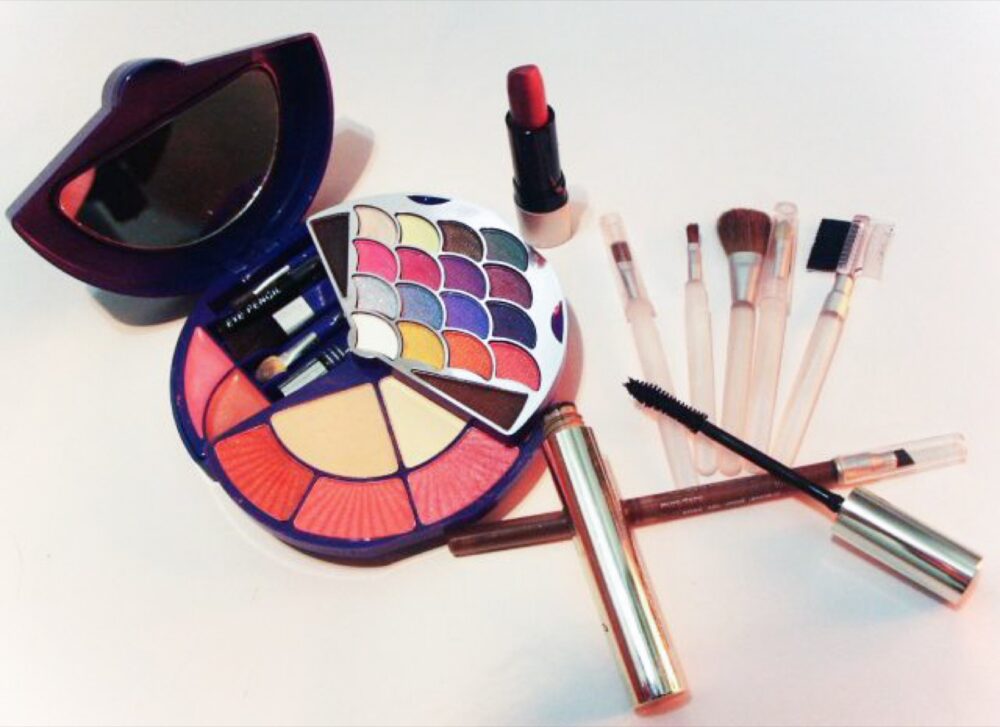
Australian buyers who are looking at wholesale makeup and bulk cosmetics worry less about finding a bargain than about avoiding a box of unsafe, fake, or unsellable stock. The most reliable brands for bulk purchasing are established lines like MAC, Maybelline, L’Oréal Paris, NARS, NYX, Urban Decay, Estée Lauder, and Fenty Beauty—but only when you buy them through authorized distributors, reputable regional wholesalers, or carefully vetted marketplace sellers. Your job is to match brand tier (premium vs mass vs budget) with the right supplier channel, then insist on hard evidence: authenticity documentation, safety compliance, and a track record you can verify before you risk a large order.
What buyers worry about with wholesale makeup and bulk cosmetics
If you’re buying cosmetics in bulk for an Australian store or online shop, the risks are specific and real:
- Counterfeit or grey-market stock. Fake versions of high-demand brands (think MAC lipsticks or Fenty foundations) are common in open wholesale channels. They can damage skin, trigger complaints, and expose you to regulatory and reputational problems.
- Unsafe or non-compliant formulas. Cross-border cosmetics may not meet Australian safety and labelling standards. Ingredients lists, batch numbers, and claims (like “SPF” or “hypoallergenic”) can be incomplete or misleading.
- Expired or short-dated inventory. Some discount and liquidation wholesalers move close-to-expiry items. Heavy pigments, mascaras, and liquid foundations are especially risky in bulk if you don’t see clear manufacture/expiry dates.
- Inconsistent quality inside a single shipment. A carton of “the same” palette or foundation shade can mix batches from different manufacturers, formulas, or quality levels if the supplier is trading off-channeled stock.
- Brand reputation fallout. As a small retailer, a few bad Instagram or Google reviews calling your products “fake” or “irritating” can undo months of marketing.
If you’re sourcing cross-border, you also add logistics and communication complexity. That’s why reliable wholesale makeup is less about chasing the lowest price and more about choosing brand tiers and suppliers that give you enough evidence to sleep at night.
Brand tiers and safer sourcing patterns for bulk makeup
You can’t treat all brands the same in bulk. The way you source MAC or Fenty should be very different from how you source a budget eyeshadow set or a generic brush kit.
1. Premium brands: high demand, high counterfeit risk
Examples often cited as original, high-quality makeup with strong reputations include MAC, NARS, Urban Decay, Estée Lauder, and Fenty Beauty. These brands are attractive for Australian buyers because they’re well-known and can support higher price points.
However, they’re also the most frequently counterfeited. Safer sourcing patterns:
- Go brand-authorized distributors or established cosmetics wholesalers that publish brand lists and can show you invoices from the manufacturer or official distributor.
- Contact the brand’s regional office and ask for authorized wholesale partners in Australia or nearby markets.
- Avoid open marketplaces for these labels unless the seller can supply verifiable documentation (e.g., brand invoices, batch tracking) and you’re starting with a very small test order.
Premium brands suit you if your strategy is fewer SKUs with strong pull and you’re willing to accept lower margins for lower risk.
2. Mass-market brands: easier access, still need checks
Brands such as Maybelline, L’Oréal Paris, NYX and similar mass-market names sit in a middle tier: widely recognized, popular in supermarkets and chemists, but more accessible in wholesale channels.
Patterns that tend to be safer:
- Regional wholesalers who specialise in branded overstock and parallel imports and who can demonstrate how they source (e.g., from European drugstores, US department stores).
- Distributors with mixed portfolios where these brands appear alongside other mainstream lines, not just a random assortment.
You still need to watch for short-dated or language-variant packaging (for example, European-market L’Oréal mascara with non-English instructions). For an Australian audience, you’ll want clear ingredients lists and usage directions your customers can read.
3. Budget brands, generics, and dupe lines
Budget and lesser-known brands—including many Chinese or Indian labels—can be a smart way to build value-focused bundles or subscription boxes, provided you treat them as their own category.
Editorial sources mention platforms like Bulkli, Chinabrands, Bigbasket, AliExpress, Alibaba, and Goodchoiceindia as examples of channels where retailers source wholesale cosmetics cross-border. These platforms list everything from branded kits to generic palettes. Quality and authenticity vary by supplier, not by platform name.
Safer patterns here:
- Treat every brand as unknown until proven otherwise—request full ingredient lists, check for basic certifications (such as GMP-style manufacturing documentation), and order test batches.
- Use budget lines for tools and accessories first (brushes, sponges, cosmetic bags) before you move into skin-contact products like foundations or eyeliners.
Quick brand-tier sourcing table
Use this as a high-level map between brand tier and your first-choice sourcing channel:
| Brand tier | Typical examples | Safer first-choice channel | Risk focus |
|---|---|---|---|
| Premium, high-end | MAC, NARS, Urban Decay, Estée Lauder, Fenty Beauty | Authorized distributors, vetted AU/EU wholesalers | Counterfeits, grey imports |
| Mass-market, drugstore | Maybelline, L’Oréal Paris, NYX | Regional branded wholesalers, some local distributors | Short-dated stock, packaging variants |
| Budget / generic / dupes | Lesser-known Chinese/Indian brands, non-brand sets | Cross-border platforms with heavy vetting per supplier | Safety, ingredient transparency |
No tier is “always safe”; this table is about where to start looking and what kind of proof you should expect from each channel.
How platforms and distributors build (or weaken) trust in bulk cosmetics
Once you know the brands you want, your bigger decision is where to buy them. Trust is built very differently by authorized distributors, regional wholesalers, and global marketplaces.
Authorized distributors and brand-linked wholesalers
This is usually the safest route for premium brands:
- They often have formal relationships with the brand and can show documentation.
- Pricing is unlikely to be rock-bottom, but you’re paying for lowered authenticity and safety risk.
- You can ask directly for batch tracking, expiry dates, and recall handling processes.
For an Australian business, this might be a local cosmetics distributor or an overseas wholesaler that regularly ships into Australia and understands customs and compliance. Guides like Livingstone’s wholesale beauty article highlight the role of reputable suppliers and customer reviews in building trust; that’s similar to the evidence you want to see in cosmetics.
Regional wholesalers and discount importers
These players often buy surplus, end-of-line, or parallel-import cosmetics from major markets and resell them at a discount.
They can be worth testing if:
- They share clear sourcing stories (e.g., “European pharmacy overstock” rather than vague “global sources”).
- They allow you to inspect photos of actual boxes with visible batch and expiry details.
- They’re transparent about products that are close-dated or from specific regions.
Short-dated stock can still be useful if you run fast-moving promotions and accept that your margin partly pays for the risk.
Global marketplaces and cross-border platforms (including DHgate)
Global B2B and B2C marketplaces—such as Alibaba, AliExpress, and DHgate—host many independent sellers offering bulk makeup, tools, and cosmetics sets. These platforms don’t standardise quality across all sellers; each listing is its own trust decision.
Around 2026-09-22, DHgate, for example, showed bulk-oriented items like:
- An all-in-one makeup kit gift box bundling concealer, foundation, eyeliner, eyebrow pen, mascara, and lipstick in one set, listed as an “All-In-One Makeup Set Full Makeup Kit Gift” (Makeup Sets category).
- A 9-piece full makeup set combining lipsticks, eyeshadow, eyebrow pen, BB cream, and mascara as a “Make Up Sets Cosmetics Full Set Makeup Kit” (Makeup Sets).
- A 56-piece tools bundle (brushes, sponges, powder puffs and other tools) listed as “56PCS Makeup Tools cosmetic bag and brush set” (Makeup Brushes).
- A 50-piece tools set with brushes and applicators under “50PCS Makeup Tools cosmetic bag and brush set” (Makeup Brushes).
Prices and availability for these listings can change, and none of them are automatically authentic or compliant; they’re simply examples of how marketplaces aggregate bulk-focused offerings.
On any marketplace channel, your trust checks must focus on the individual seller and listing, not the marketplace brand. That means:
- Checking listing details for brand clarity (is this an original brand, a private label, or a generic set?).
- Looking closely at product photos for batch codes, ingredient lists, and packaging quality.
- Starting with small, paid test orders before committing to a bulk purchase.
On DHgate specifically, if you decide to explore wholesale suppliers, you’ll want to combine those general checks with deeper seller vetting. Resources like Assess DHgate listing and seller risk and Find wholesale suppliers on DHgate outline practical questions to ask of individual sellers.
A compact verification checklist for bulk cosmetics
You can adapt standard supplier-finding advice for cosmetics into a short, repeatable process:
- Research and background checks. Search the supplier name online, look for independent reviews, and see if they’re mentioned on industry forums or in retailer groups.
- Confirm brand authorization where relevant. For premium brands, contact the brand to ask if the supplier is an authorized distributor or wholesaler.
- Request samples and documentation. Before any large order, ask for samples plus ingredient lists, manufacturing information, and any certifications (such as GMP-style manufacturing compliance).
- Inspect packaging and dates. Check sample boxes and labels for batch numbers, manufacture/expiry dates, and language; compare with items bought from mainstream Australian retailers to spot obvious differences.
- Use clear contracts or written terms. Even with small orders, get order contents, conditions, and replacement/refund expectations in writing (email or contract) so you have something to reference if the shipment arrives in poor condition.
A practical scenario for an Australian beauty retailer
Imagine you run a small online beauty store in Sydney and want to add bulk makeup bundles under $40.
A cautious path might look like this:
- Core range: Source mass-market brands like Maybelline or L’Oréal Paris through an Australian or European wholesaler that can show invoices from recognized distributors.
- Value-add tools: Test one or two cross-border suppliers for brushes and cosmetic bags from a marketplace, starting with a 50-56 piece tools set rather than face products. Evaluate build quality and customer feedback before reordering.
- Budget color cosmetics: For unknown brands, restrict them to clearly labelled, well-documented items where you’ve seen full ingredient lists and at least sample-level performance.
If any supplier refuses to share basic documentation or pushes you to skip samples and “just order big,” treat that as a red flag and move on.
In wholesale makeup and bulk cosmetics, reliability isn’t about trusting a logo—whether MAC or a marketplace—but about layering brand reputation, supplier transparency, and your own verification steps so every carton you open is one you’re comfortable selling to real people.