
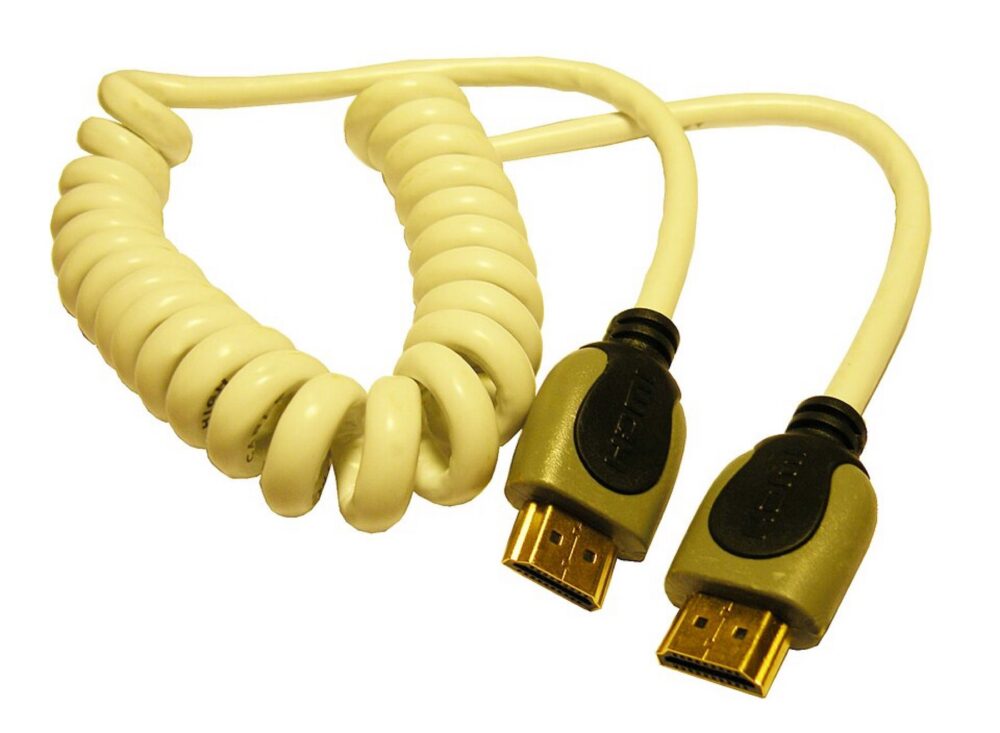
The good news: HDMI risks are predictable. If you focus on bandwidth (HDMI 2.0 vs 2.1), build quality, and honest labeling, then combine samples with simple real-world tests, you can de-risk most bulk orders—on DHgate or from specialist wholesalers like VCELINK, Nanosecond, Maximm Cable, or CableWholesale.
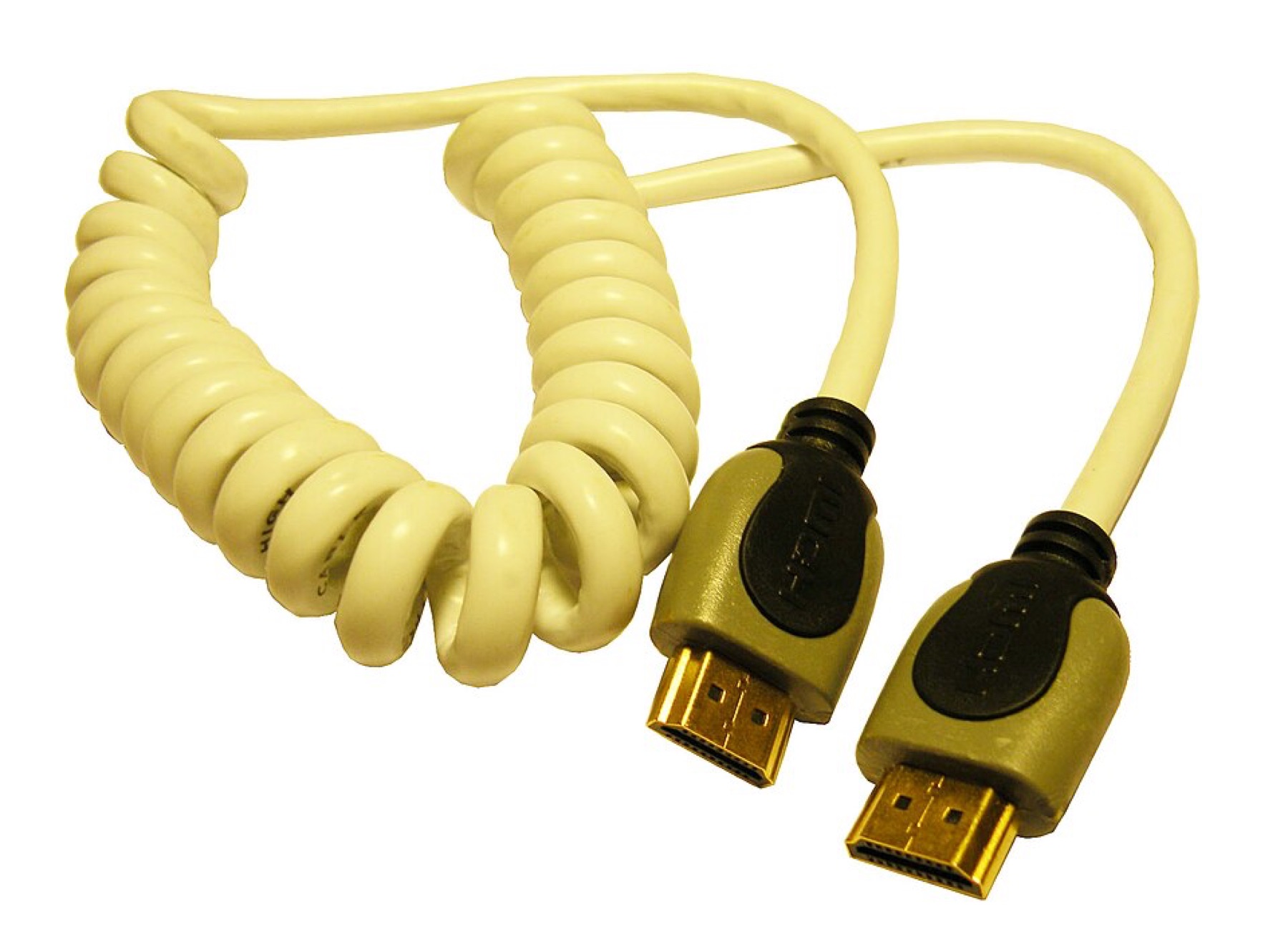
The Real Risks in Buying Wholesale HDMI Cables
HDMI looks simple: a cable with two identical plugs. In bulk, though, small spec or quality misses get amplified.
Spec mismatch risk. Retail customers now expect 4K, HDR, and sometimes 120Hz gaming. HDMI 2.0 cables are typically used for 4K 60Hz, while HDMI 2.1 raises bandwidth for higher refresh rates and 8K. If a supplier labels a cable “4K” but it chokes at higher data rates, you’re the one facing returns—not the factory. Tech reviewers point out that cheap cables can work fine at lower bandwidths but fail once you push them harder, so “works in my living room” is not enough for a wholesale decision.
Build quality and failure rates. Poor shielding, thin conductors, or weak strain relief can lead to intermittent dropouts or complete failure after a few months of use. In bulk, that translates to warranty claims and time spent troubleshooting “mystery” video issues.
Counterfeit or misleading branding. In cross-border sourcing, it’s common to see cables described as “premium,” “gold-plated,” or even referencing well-known brands. Without clear documentation, those are marketing words, not proof of origin. If you sell them as branded or certified when they’re not, you take on legal and reputational risk.
Support friction. HDMI issues are notoriously hard for end users to diagnose. If a batch is marginal, you’ll spend time trying to rule out TVs, consoles, and receivers when the real culprit is the cable. That support burden eats into whatever margin you gained from a lower unit price.
All of these risks make trust—not just low cost—the central question for wholesale HDMI. You’re not only buying copper and plastic; you’re buying repeatable performance at the spec you promise.
Universal Checks for Trustworthy HDMI Cable Suppliers
Regardless of whether you source from DHgate, Alibaba, or a specialist wholesaler, you can run the same playbook to de-risk HDMI.
- Define the exact spec you need
Be concrete before you request quotes:
- HDMI version and features: e.g., HDMI 2.0 high-speed with Ethernet vs HDMI 2.1 with higher bandwidth.
- Resolution/refresh targets: “must reliably handle 4K 60Hz” or “target 8K and 120Hz gaming” if that’s your niche.
- Lengths and cable types: short passive cables (3-6 ft) are easier to get right; long runs may require better shielding or active optical cable (AOC) designs.
- Connector style and housing: straight vs right-angle, basic PVC vs braided jacket.
Treat these as non-negotiable requirements in your RFQ and sample requests.
- Source close to the manufacturer where possible
Wholesale HDMI programs commonly run directly through manufacturers or authorized distributors, which can give you lower unit cost and options like custom branding or packaging. A buying guide on Alibaba’s electronics channel describes bulk HDMI cables being “typically sourced directly from manufacturers or authorized distributors” for exactly this reason.electronics.alibaba.com/buyingguides/wholesale-oem-hdmi-cable-guide
On marketplaces, ask explicitly:
- Are you the manufacturer or a trading company?
- Can you support OEM printing on the jacket or connectors?
- What other brands do you supply for?
- Insist on detailed spec sheets and photos
For each candidate supplier, ask for:
- Written spec sheet listing HDMI version, supported resolutions/refresh rates, and any Ethernet or ARC support.
- Conductor details (e.g., AWG size) and shielding description.
- Close-up photos of connectors, molding, and strain relief.
If the documentation is vague—”high speed” with no numbers—that’s a red flag, especially for long cables or gaming customers.
- Order and test samples before committing to MOQ
Do not skip samples for HDMI. Order a small batch from at least 2-3 suppliers and run simple tests:
- Plug them into the exact devices your customers use: 4K TV, streaming box, console, AVR.
- Test at the maximum resolution and refresh rate you plan to advertise.
- Wiggle connectors and bend the cable near stress points to look for dropouts.
Keep notes per supplier. You’re not aiming for lab-grade data—just consistent performance across several units.
- Compare quotes against total landed cost, not just unit price
Ask each supplier to quote:
- Unit price at your target quantity.
- Any price breaks at higher quantities.
- Packaging (bulk bag vs retail box) and impact on shipping volume.
Then factor in freight, duties, and your own handling. A slightly higher unit cost from a more reliable supplier often beats chasing the absolute lowest price.
- Lock in repeatability terms
HDMI cables are not a one-off; you’ll reorder if a line sells. Before you scale up:
- Ask how long the current design will stay in production.
- Confirm whether future batches will use the same components and spec.
- Document any agreed changes (e.g., moving from PVC to braided jacket).
Put this in writing so you can point back to it if a later batch performs differently.
A short micro-checklist for any one listing:
- Does the listing clearly state HDMI version and supported resolutions?
- Can the supplier provide a spec sheet, not just marketing copy?
- Are samples available at a reasonable cost?
- Is the seller willing to discuss repeat orders and OEM options?
If you can’t answer “yes” to most of these for a given supplier, keep looking.
How DHgate and Other Platforms Handle Wholesale HDMI Cable Trust
DHgate’s marketplace tools for HDMI sourcing
DHgate is a China-based B2B marketplace that connects suppliers selling millions of products—including electronics—to buyers worldwide, according to its own blog.https://www.dhgate.com/blog/?p=7669 For wholesale HDMI cables, you interact with individual sellers rather than DHgate as a manufacturer.
DHgate’s editorial content highlights several mechanisms that are useful in a trust workflow:
- Supplier feedback and sales volume. DHgate describes allowing buyers to review suppliers based on their purchase experience, and suggests using feedback scores and transaction history to evaluate reliability. That’s valuable when you’re filtering HDMI cable listings: prioritize sellers with consistent positive feedback and meaningful sales, not a single recent order.
- Sourcing workflow guidance. DHgate’s ecommerce guide recommends using filters and search tools, checking ratings and reviews, and ordering samples before committing to larger orders.https://www.dhgate.com/blog/how-to-start-an-ecommerce-business-on-dhgate-a-comprehensive-guide/ That aligns well with the HDMI-specific checks above.
You can deepen those platform-level steps with DHgate-specific trust content on this site, such as how to find trusted sellers on DHgate and assessing DHgate listing and seller risk, which walk through feedback patterns, badge interpretation, and listing red flags.
A simple DHgate HDMI listing workflow:
- Use search and filters to narrow to HDMI cables with your target spec and length.
- Open 3-5 listings, then check seller feedback, sales volume, and badges.
- Message each seller with a short spec checklist and ask for a PDF spec sheet.
- Order samples from 2-3 candidates.
If any step stalls—unclear specs, unwillingness to send samples, or poor communication—that’s your signal to move on.
How specialist HDMI wholesalers compare
Specialist cable wholesalers offer a different trust profile than a multi-category marketplace. Examples include:
- VCELINK promotes “Wholesale HDMI Cable” options for installers and retailers, with a dedicated category of bulk HDMI products.https://www.vcelink.com/collections/wholesale-hdmi-cable
- Nanosecond focuses on ultra-thin and optical HDMI cables and offers a wholesale program through its site.https://nsecond.com/pages/wholesale
- Maximm Cable lists “Bulk HDMI Cables & Wholesale HDMI Cables” with various lengths and styles.https://maximmcable.com/collections/bulk-hdmi-cables
- CableWholesale markets HDMI products and other audio/video cables in bulk for resellers and installers.https://www.cablewholesale.com/products/hdmi-products.php
These companies specialize in cables, which often means tighter spec documentation and clearer positioning for installers.
Here’s a high-level comparison of how DHgate-style sourcing differs from specialist wholesalers:
| Channel type | MOQ & flexibility (editorial view) | Specialization & specs | Custom branding/OEM potential (editorial view) |
|---|---|---|---|
| DHgate marketplace | Often no formal platform-wide MOQ; individual sellers may accept small trial orders before larger ones, and use tiered pricing for bigger quantities. | Broad product mix; HDMI cables sit alongside many other categories. Spec accuracy depends on each seller; you must verify per listing. | Some sellers may offer OEM or custom printing, especially if they’re manufacturers, but this must be confirmed case by case. |
| VCELINK / Maximm / CableWholesale | Typically oriented toward bulk buyers; MOQs or case-pack ordering are common, but often clearly stated. | Cable-focused catalogs with HDMI, Ethernet, and A/V; spec sheets and application guidance are usually front-and-center. | Many will discuss custom lengths, labeling, or packaging for recurring buyers; terms vary by supplier. |
| Nanosecond (and similar niche brands) | May be more selective on MOQ for specialized products, but can cater to installers needing consistent stock. | Strong focus on specific HDMI niches like ultra-thin or optical fiber cables; specs tuned to those use cases. | OEM branding may be possible but is secondary to promoting the house brand; ask if private label is essential to you. |
In practice:
- If you’re building a general electronics catalog and want a mix of cable styles at aggressive prices, DHgate’s breadth and flexible quantities can be attractive—provided you thoroughly vet each seller and spec.
- If your business depends on rock-solid performance for long runs, high-end home theater, or professional installs, specialist cable wholesalers may be a better fit. Their entire business is built on predictable cable behavior, and the documentation reflects that.
For buyers who decide DHgate is the right route, you can pair this HDMI-specific guidance with broader sourcing content like finding wholesale suppliers on DHgate. If your tests show that marketplace listings can’t reliably hit the HDMI spec you need, treat that as a prompt to pivot: move your bulk HDMI line to a specialist and reserve DHgate for less spec-sensitive accessories.