
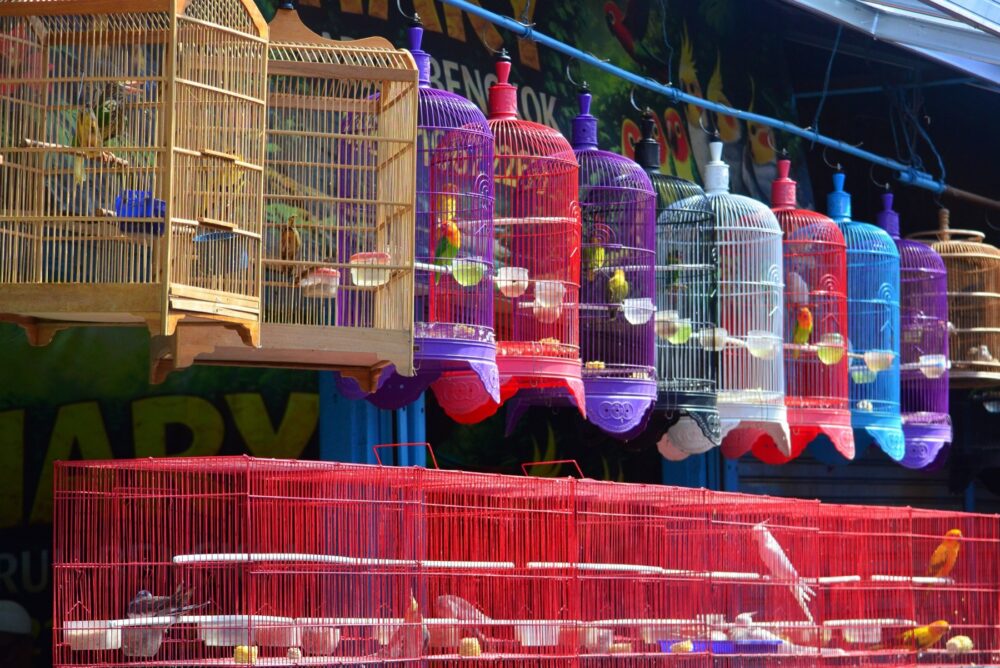
Buying wholesale bird and cage supplies can work for a US pet shop or small e‑commerce brand, but live birds must never be the product test. The Association of Avian Veterinarians’ basic-care guidance says enclosure materials must be non-toxic, bar spacing must prevent a bird’s head from passing through, and galvanized wire is best avoided because ingested zinc can be toxic. Require documented materials and species-appropriate dimensions, inspect samples without animals, and involve an avian veterinarian before exposing a bird to an unfamiliar cage, toy or powered accessory.
You’re balancing two things: bird welfare (bars, coatings, toy parts) and your cash flow. The rest of this guide walks through what can realistically go wrong, how to run safety checks, how different wholesale channels compare, and how to stage your first order so a bad batch becomes an annoyance, not a business‑ending event.
Why buyers worry about wholesale bird and cage suppliers
Bird products carry a different kind of risk than many other pet categories. If a dog toy squeaker fails early, it’s annoying. If a cage bar coating flakes into a cockatiel’s mouth, it can be catastrophic.
Here’s what buyers are right to worry about:
- Unknown materials and coatings. The big fear with cages and toys is metals and paints you can’t identify. A powder coat that looks like every other black cage on a product photo could use a very different formula from what you see from a US cage specialist like A & E Cage Company. You can’t treat price alone as a proxy for safe metallurgy.
- Flimsy construction and bar spacing. Bar gauge, weld quality, and spacing matter. A large parrot in a thin‑bar cage can warp doors and escape; a lovebird in a cage with wide bar spacing can get a head stuck between bars. Photos from general wholesale listings often don’t show welds, door latches, or bar thickness clearly.
- Mislabelled or mixed stock. Some suppliers sell into both retail and wholesale channels. For example, JEDDS Bird Supply advertises both retail and wholesale pricing. That dual model is common, and it’s easy for a warehouse to mix retail‑packaged stock with white‑label product, or send the wrong size cages to a small shop that can’t absorb mis‑ships.
- Shipping and damage risk. Cages and large playstands are awkward, heavy boxes. A shipment from a bird‑focused wholesaler like Wholesale Bird & Cage that also serves local walk‑in customers can be strapped onto a pallet and driven a short distance. A bulk order from a general B2B platform might bounce through several hubs. Bends, paint chips, and missing hardware pieces are common failure modes.
- Cash‑flow shocks and dead inventory. Wholesale orders tie up capital in low‑ticket but bulky items. If you commit to a container of low‑cost cages from a cross‑border seller and discover the bar spacing is wrong for your clientele, you’ve turned cheap unit costs into expensive dead stock.
A lot of these issues aren’t scams; they’re mismatches and untested assumptions. The way you de‑risk them is by making safety and legitimacy checks non‑negotiable, then shrinking your first exposure to any new supplier.

Callout: risks unique to bird cages and toys
Compared with other pet products, a few bird‑specific issues deserve extra attention:
- Chewing behavior. Parrots and even small hookbills chew wood, rope, and plastic aggressively. Weak welds, zinc‑heavy hardware, or brittle plastic clips can break, be swallowed, or trap toes.
- Respiratory sensitivity. Birds are highly sensitive to fumes and particulates. Cheap paints, galvanized metals, or strong glues can off‑gas in ways that don’t bother mammals but can sicken birds.
- Constant contact. A bird lives inside its hardware. Perches, bars, and toys are mouth and foot contact points for hours a day. That’s very different from a dog that spends a few minutes with a toy.
Those factors mean you need to go deeper than “does this look sturdy?” before putting real birds into a new product line.
Non‑negotiable safety checks for wholesale bird cages and supplies
Use this checklist for any new supplier, regardless of channel. You can work through it in a couple of hours per product line and save yourself weeks of headaches.
1. Verify the business behind the listing
- Find a real‑world footprint. For US‑based bird specialists, you often see a physical address and store presence. Wholesale Bird & Cage and its Yelp listing show a St. Charles, MO address and hours. That kind of offline footprint doesn’t guarantee trust, but it’s harder to fake than a generic store name.
- Check corporate identity. For any wholesaler, look for:
- Business name and address matching across their site, social pages, and invoices.
- A working phone number and email that respond during stated hours.
- Basic tax details (like a request for your resale certificate) if they claim to sell wholesale.
If you can’t identify who owns the inventory and where they operate, treat that as a major red flag.
2. Demand specifics on materials and finishes
For cages and metal accessories, ask in writing:
- What base metals are used (e.g., steel, stainless, aluminum) and what coating or finish.
- Whether any parts are galvanized; if yes, where they’re used (outdoor aviaries vs indoor cages).
- Whether there are any leaded paints or decorative finishes.
For toys, perches, and enrichment products:
- Ask if woods are hardwood or softwood and whether they’re dyed.
- Ask what kind of rope or fiber is used.
- For suppliers of handmade enrichment (toy specialists similar to Bonka Bird Toys), ask if they’ve supplied to US retailers before and whether they adjust designs for different species.
You’re not asking for lab certificates; you’re asking for evidence the supplier actually knows what they’re using.
3. Match product specs to bird size and use case
Bird welfare issues often show up when a product meant for one species gets sold to another.
- Bar spacing and gauge. For each cage model, request:
- Bar spacing in inches or millimeters.
- Wire gauge or bar thickness.
- Overall dimensions and intended bird size.
Compare those specs with what you see from cage specialists such as Birdcages4less or A & E Cage Company. If a supposed “macaw cage” has lighter bars than a typical cockatiel cage on those sites, that’s a warning sign.
- Toy hardware and design. Ask for close‑up photos of:
- Clips and quick links.
- Bell clappers and internal parts.
- Knots and fastening methods.
You want to catch small gaps that toes or beaks could catch in or tiny removable parts that could be swallowed.
4. Check who else they supply
- Ask for two or three US customers they’ve supplied bird products to in the last 12-18 months.
- Verify those businesses exist (website, social profiles, or a quick call).
- If possible, ask one of them about:
- Consistency of cage hardware and finishes over multiple shipments.
- Any issues with paint chipping, rust, or toy failures.
Suppliers like New York Bird Supply and JEDDS Bird Supply publicize wholesale or dual pricing models; that suggests they’re used to trade buyers asking harder questions.
5. Run a deliberate sample test
Before you sell a new cage or toy line:
- Order single units or the smallest lot the supplier allows.
- Assemble every cage and hang every toy yourself.
- Check for:
- Sharp edges, burrs, or exposed welds.
- Doors that flex under pressure.
- Chips or scratches in the finish.
- Loose rivets or screws.
Do not place a live bird in an unvalidated sample. Continue inspection without animals, obtain material documentation, and ask an avian veterinarian to review any remaining uncertainty before use.
6. Inspect packaging and hardware
Bird products often fail at the packaging stage, not the factory:
- Are cages individually boxed with corner protectors, or loose in a carton?
- Are hardware bags sealed, labeled, and complete?
- Are assembly instructions usable by your staff or customers?
If you need to re‑bag or re‑pack everything to make it sellable, factor that cost into your margin calculations before committing.
7. Get terms in writing
For each new supplier, keep a simple file that includes:
- Written price lists and any volume discounts.
- Stated lead times and minimum order quantities (MOQs).
- Policies on defective units or missing parts (even if informal).
- Any claims they make about materials or safe use.
You’re not trying to turn this into a legal contract—just giving yourself evidence you can forward in a dispute or use as a reference if specs quietly change.
Choosing channels: specialist bird wholesalers vs general wholesale platforms
You have several broad choices: dedicated bird suppliers, multi‑category wholesalers and distributors, and cross‑border marketplaces. Each has a different trust profile and verification workload.
How specialist bird suppliers differ
US‑based bird specialists often blend retail and wholesale. For example:
- Wholesale Bird & Cage appears online as a bird and cage supplier serving local customers.
- New York Bird Supply promotes birdseed, cages, and accessories and notes a wholesale program on its site.
- JEDDS Bird Supply advertises both retail and wholesale pricing for higher‑volume bird products.
- Cage‑focused retailers like Birdcages4less and A & E Cage Company highlight variety across cage sizes and styles.
Common patterns with these specialists:
- They know the species and may push back if you try to put a macaw into a budgie cage.
- Their assortments are narrower but deeper—multiple cage lines, seed mixes, or toy types.
- They may have slightly higher unit prices but lower risk of glaring design mistakes.
General B2B and wholesale platforms
General wholesale platforms carry bird supplies alongside thousands of other categories. SupplyLeader, for example, lists perches, feeders, and other bird items as part of a broader wholesale assortment.
Strengths:
- Wide variety of SKUs and sometimes unusual accessories.
- Possibility of consolidating different pet categories into one supplier relationship.
Tradeoffs:
- You must do more product‑level due diligence, because bird items are just another category.
- Some listings are generic imports with little species‑specific guidance.
Cross‑border marketplaces and where DHgate fits
Cross‑border marketplaces connect you directly with overseas suppliers. The DHgate editorial blog describes DHgate as a global e‑commerce platform that lists wholesale pet items, including bird‑related supplies, alongside many other product categories.
That makes DHgate one possible option if you’re looking to experiment with low‑cost bird accessories or niche items not available through your usual distributors. The trade‑off is that each listing and seller is effectively unvetted until you do the work: you need to treat every cage, feeder, or toy as a one‑off project, verify materials and specs, and run sample tests before bringing anything near live birds.
Here’s a high‑level way to think about the channels:
| Channel type | Typical strengths | Typical risks for bird products |
|---|---|---|
| Bird‑specialist wholesalers/retailers | Species knowledge, focused assortments, often dual retail/wholesale | Higher unit cost; limited SKUs; may require closer relationship |
| General US B2B/wholesale platforms | Broad product range; easy consolidation across pet categories | Less species‑specific guidance; variable product depth and expertise |
| Cross‑border marketplaces | Broad assortment and small-order access | Product documentation and species-specific detail vary by listing |
You don’t have to pick just one. Many small shops use a bird specialist for core cages and staple toys, then layer in experimental products from broader platforms in tiny quantities until they’ve proven themselves.
Records to keep for every sourcing channel
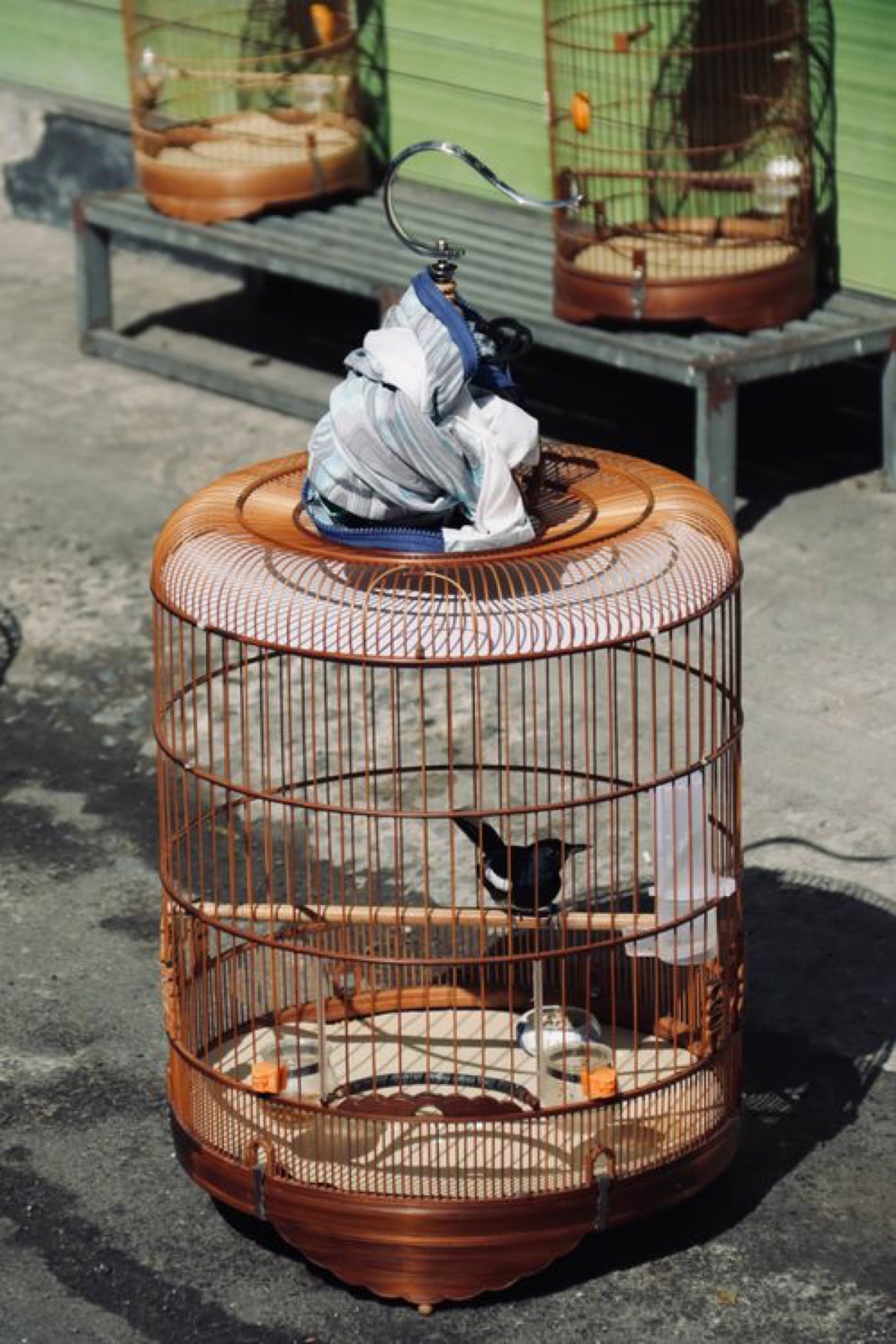
Reviews can reveal recurring defects, but they are anecdotal and cannot establish bird safety. Keep the same product-level records whether you buy from a specialist, a general wholesaler or a marketplace: the supplier identity, written material specification, dimensions and bar spacing, sample photos, lot or model identifier, packaging condition and any avian-veterinary review. If the supplier cannot document a safety-critical attribute, reject the product rather than relying on a platform badge or payment mechanism.
Staging your first wholesale order without risking your birds or your cash
Think of a new supplier in three stages: sample, micro‑batch, and recurring order. Each stage has a specific goal and a clear “go/no‑go” decision before you move on.
Stage 1: Sample for safety and construction
Goal: Decide whether this product is even safe and practical for your birds or customers.
Steps:
- Order one or a handful of units of each cage or toy SKU.
- Assemble and stress‑test:
- Press hard on cage doors and bar panels.
- Hang toys and pull sharply to mimic a strong bird.
- Keep live birds out of the validation process. Obtain an avian-veterinary review before any unfamiliar cage, toy or powered accessory is introduced to an animal.
- Document everything with dated photos, specifications and notes.
If you see rust spots, chipping paint, loose welds, or toy parts failing under normal use, stop. Don’t negotiate price; reject the product line.
Stage 2: Micro‑batch for logistics and consistency
Goal: Test how the supplier performs on a real order without betting your rent money.
A micro‑batch might be:
- A single case or small pallet from a US bird wholesaler.
- The minimum wholesale pack size from a site like New York Bird Supply or JEDDS Bird Supply.
- The smallest bulk order a cross‑border seller will ship at a reasonable cost.
What to check:
- Consistency. Compare several units from the batch to your original sample. Look for differences in welds, finish color, or included hardware.
- Transit damage rate. Track how many cages arrive bent or scratched, and whether packaging is adequate.
- Customer reception. Offer the new cage or toy line to a small subset of customers and ask specific questions about assembly, cleaning, and bird behavior.
Only move past this stage if:
- Damage and defect rates are low and manageable.
- The supplier responds reasonably to any issues you raise.
- Your customers don’t raise new safety concerns.
Stage 3: Establish a controlled recurring order
Goal: Turn a vetted product into a repeatable part of your assortment.
Guidelines:
- Increase orders gradually rather than jumping from micro‑batch to full container.
- Set internal re‑check points, such as:
- Re‑evaluating a cage line every 6-12 months for any design or finish changes.
- Randomly opening a few boxes from each shipment in the back room before putting them on the floor.
- Maintain a simple supplier log with dates, batch notes, and any customer feedback related to bird safety or product failures.
If you notice quality drift—thinner bars, cheaper hardware, more paint blemishes—treat that as a new Stage 1. Pause large orders, re‑sample, and re‑verify before continuing.
Scenario callout: a small shop testing a new cage line
A neighborhood bird store that has long relied on a local wholesaler, similar in concept to Wholesale Bird & Cage, decides to add a lower‑priced cage line sourced through a general B2B platform.
They follow the three‑stage plan:
- Stage 1 samples reveal slightly rough welds but no sharp edges; they file one weld and note it.
- Stage 2 micro‑batch shows that 2 out of 20 cages arrive with bent trays. They document this and negotiate replacement trays before paying the balance.
- Stage 3 recurring orders stay small enough that if a batch quality issue appears, they can discount or donate cages without jeopardizing rent. Meanwhile, they keep their original, higher‑end line as the default recommendation for larger parrots.
The result isn’t a clean “win” or “loss”; it’s a calibrated expansion of their assortment with clear exit points if safety or quality slide.
Wholesale bird and cage supplies can be part of a resilient, profitable product mix, but only if you treat every supplier—local, national, or cross‑border—as an unknown until they’ve passed your own checks. Your birds and your balance sheet both benefit when you insist on clear materials info, real‑world testing, and a deliberate, staged path to larger orders.