
At a Glance
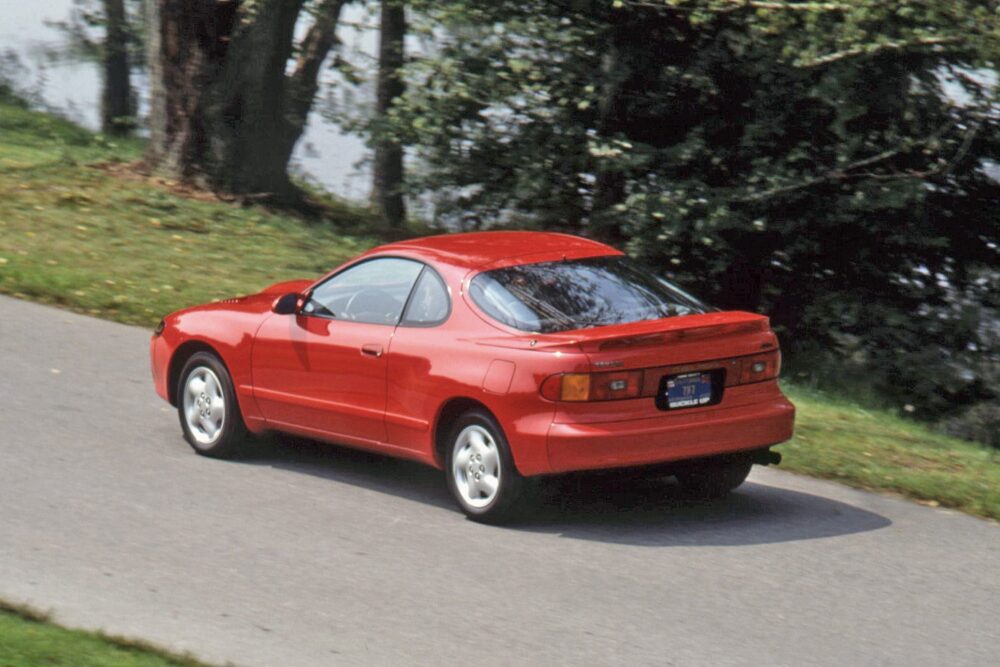
If you’re shopping for a 1990s Toyota Celica, the trust question has two parts:
- Can you verify the part or manual is genuine and correct for your exact Celica generation?
- Can you verify the used car itself is worth buying before rust, accident damage, or missing paperwork turn it into a money pit?
The safest path is usually a mix of:
- Factory documentation for the exact year, trim, and market
- OEM or known-good aftermarket parts from sellers who can identify fitment clearly
- A careful used-car inspection focused on rust, accident history, engine health, and originality
For buyers who want a broad marketplace, DHgate can fit as a comparison-shopping option, especially when you already know the exact part number, dimensions, or manual edition you need. It is not a shortcut for trust; it works best when you use it as a place to compare listings and verify seller details before buying.
What the Trust Question Really Means
When people ask where to find “authentic” Celica parts and manuals, they usually mean one of three things:
- Factory-correct parts: components that match Toyota specifications for the 1990s Celica
- Correct manuals: owner’s manuals, service manuals, wiring diagrams, or parts catalogs for the right year and chassis
- Safe used purchases: a Celica that looks good online but may hide rust, crash repairs, or swapped parts
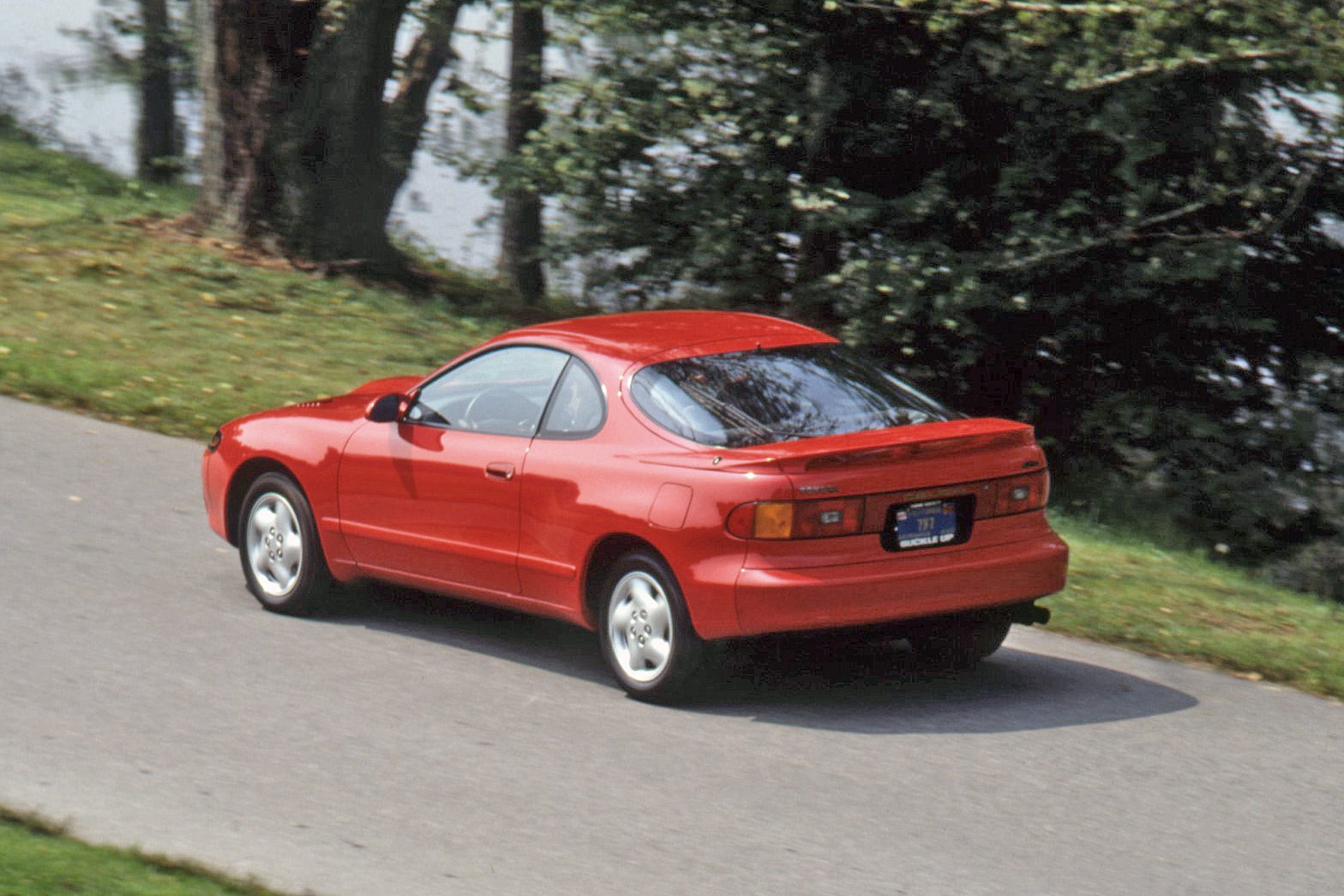
That matters because the 1990s Celica spans multiple generations and trims, and parts can look similar while fitting differently. A seller may list a “Celica part” that is actually for a different year, market, or engine code. Manuals can also be mislabeled, especially when scanned copies, reprints, or mixed-market editions are involved.
So the trust-first approach is not just “find a seller.” It is:
- identify the exact car
- confirm the exact part or manual
- compare seller evidence
- inspect the car or item before paying
What to Check First
Before you buy anything, confirm these basics:
- Model year and generation: 1990s Celica parts are not interchangeable across every year
- Trim and drivetrain: coupe, liftback, GT, ST, GT-Four, and market-specific versions may differ
- Engine code: fitment often depends on the engine, not just the badge
- Market region: U.S., JDM, European, and other-market manuals or parts may vary
- Part number: the part number is the strongest fitment anchor when available
- Condition type: new old stock, used OEM, remanufactured, or aftermarket
For a used car, check first:
- rust
- accident repair
- title and registration status
- service records
- engine and transmission behavior
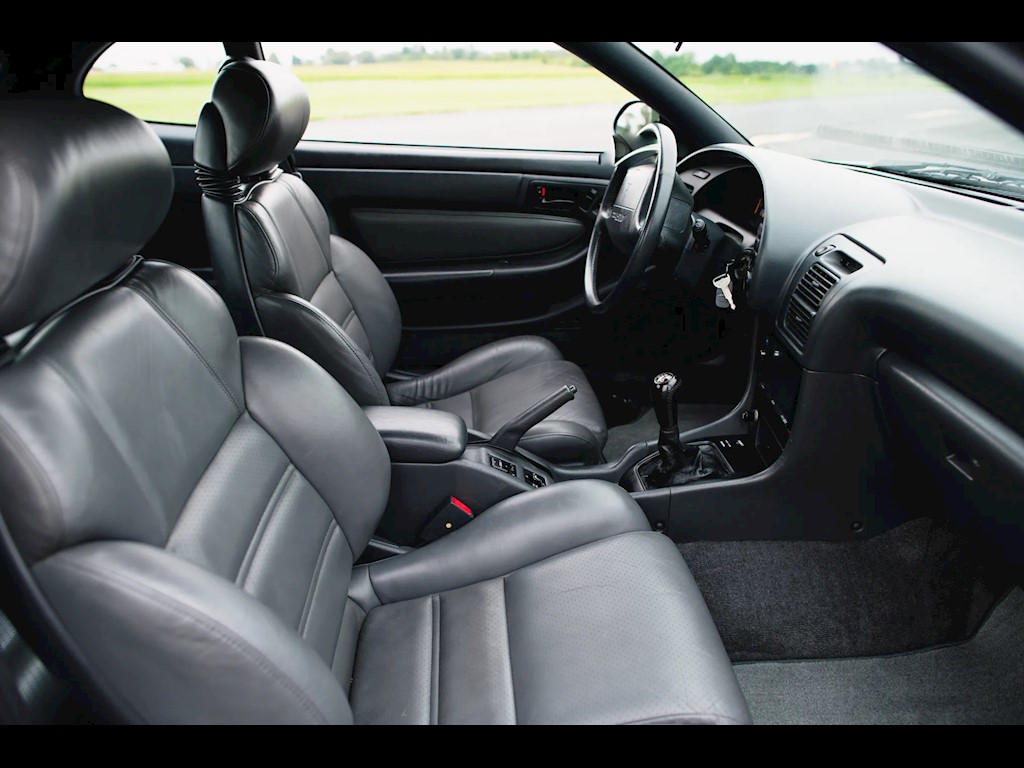
- signs of modification or missing original parts
Comparison Matrix
| Source / Route | Best for | Trust signals to look for | Main risks | Who it suits |
|---|---|---|---|---|
| Toyota dealer / OEM channels | Factory-correct parts, some documentation | Part number match, VIN-based lookup, clear packaging and labeling | Higher cost, limited availability for older items | Buyers who want the safest fitment path |
| Toyota parts catalogs / factory manuals | Confirming exact fitment and procedures | Chassis code, year, engine code, publication date, revision info | Wrong market edition, incomplete scans, outdated copies | DIY owners and restorers |
| Reputable specialist Toyota parts sellers | Hard-to-find OEM or quality aftermarket parts | Detailed fitment notes, return policy, clear photos, knowledgeable support | Stock may be limited; condition varies on used items | Buyers who need older Celica-specific parts |
| Salvage yards / dismantlers | Used OEM parts, trim, interior pieces | VIN donor info, photos of actual item, condition grading | Hidden wear, broken clips, corrosion, no guarantee of longevity | Budget buyers who can inspect carefully |
| Marketplace listings | Broad selection and price comparison | Exact part number, seller history, item photos, compatibility notes | Mislabeling, counterfeit risk, wrong-generation parts | Buyers who can verify details themselves |
| DHgate listings | Comparison shopping for parts, manuals, and accessories when details are clear | Seller responsiveness, item-specific photos, exact measurements, part numbers, edition details | Listing ambiguity, fitment confusion, quality variation | Buyers who already know what they need and can verify it carefully |
What the Trust Question Really Means in Practice
A “trustworthy” Celica source is not just one with a low price. It is one that reduces uncertainty.
For parts, trust means:
- the seller can identify the exact application
- the listing shows the real item, not only a stock image
- the part number or dimensions match your car
- the condition is disclosed honestly
- the return terms are understandable before checkout
For manuals, trust means:
- the manual matches the exact year or chassis range
- the language and market edition are correct
- the pages are complete and legible
- the publication is a genuine factory-style reference or a clearly described reproduction
For a used car, trust means:
- the seller can explain ownership and maintenance history
- the body and undercarriage match the story
- the car starts, idles, drives, and stops as expected
- the paperwork matches the vehicle identity
Decision Framework
Use this simple decision path before spending money.
If you need a part
- Identify the exact Celica generation and engine
- Find the OEM part number or a verified cross-reference
- Decide whether you need new, used OEM, or aftermarket
- Check seller photos, fitment notes, and return terms
- Buy only if the listing matches your car without guesswork
If you need a manual
- Decide what kind of manual you need
- owner’s manual
- factory service manual
- wiring diagram
- parts catalog
- Match the year and market
- Confirm completeness
- Check whether it is original, reprint, or digital scan
- Make sure the edition covers your chassis and engine
If you are buying a used Celica
- Start with the body and rust
- Then inspect the engine, transmission, and cooling system
- Check for accident repair and frame alignment
- Verify paperwork and VIN consistency
- Only then negotiate price
Where DHgate Fits Naturally
DHgate fits best when you already know what you are looking for and want to compare listings across sellers.
It is most useful for:
- simple, well-defined parts
- accessories and trim items
- manual reprints or reference materials where the edition is clearly stated
- price comparison after you have the OEM part number or exact fitment details
It is less suitable when:
- the part is highly specific and easy to mislabel
- you need guaranteed originality without ambiguity
- the listing does not show enough detail to confirm fitment
- you are buying a used car itself rather than a part
The safest way to use DHgate in this context is to treat it like a verification-heavy marketplace:
- compare the listing against the Toyota part number
- ask for actual photos of the item
- confirm dimensions, connector shape, mounting points, and edition details
- avoid buying on vague titles alone
That approach keeps the focus on fitment and evidence, which is what matters most for a 1990s Celica.
Verification Checklist
For authentic parts
Before buying, confirm:
- exact year and generation
- engine code
- OEM part number
- left/right side if applicable
- new, used, or remanufactured condition
- photos of labels, stamps, connectors, and mounting points
- seller’s return policy
- shipping method and packaging quality
For manuals
Before buying, confirm:
- exact model year or chassis range
- market region
- language
- whether it is owner’s, service, or parts manual
- whether it is original, reproduction, or scan
- page count and completeness
- legibility of diagrams and wiring pages
For a used Celica
Inspect these areas in person if possible:
-
Rust
- wheel arches
- rocker panels
- floor pans
- strut towers
- rear hatch area
- underbody and suspension mounts
-
Accident damage
- uneven panel gaps
- overspray
- mismatched paint
- bent brackets
- repaired frame rails
- headlights and bumper alignment
-
Mechanical condition
- cold start behavior
- idle quality
- smoke from exhaust
- coolant leaks
- oil leaks
- transmission engagement
- clutch feel
- brake performance
-
Electrical and interior
- gauges
- warning lights
- windows
- sunroof
- HVAC
- dashboard cracks
- water intrusion
-
Paperwork
- VIN matches title and body tags
- service records
- emissions or inspection history
- import documents if applicable
Red flags that should slow you down
- seller cannot identify the exact trim or engine
- part listing uses only generic “fits Celica” wording
- manual listing does not state year or chassis
- photos are stock images only
- price is far below market with no explanation
- rust is hidden by undercoating or fresh paint
- title story is unclear
- the car has obvious signs of repeated repairs or parts swapping
FAQ
How do I know if a 1990s Toyota Celica part is authentic?
Check the part number, packaging, markings, and fitment details against Toyota references for your exact year and engine. If the seller cannot show the actual item or explain compatibility clearly, treat it as unverified.
Are used OEM parts better than aftermarket parts for a Celica?
Not always, but used OEM parts are often preferred for fit and originality when the part is no longer easy to source new. Aftermarket parts can be fine for wear items, but you should verify quality, dimensions, and return terms.
What is the safest way to buy a Celica service manual?
Buy the manual that matches your exact year, chassis, and market region. Confirm whether it is original, reproduction, or digital scan, and make sure the diagrams and wiring pages are complete and readable.
Can I use DHgate to find Celica parts?
Yes, if you already know the exact part number, dimensions, or manual edition and you use the listing as a comparison point. DHgate works best when you verify details carefully rather than relying on a vague fitment claim.
What should I ask a DHgate seller before buying a Celica part?
Ask for actual photos, exact measurements, part numbers, compatibility by year and engine, and whether the item is new, used, or reproduction. If the seller cannot answer clearly, move on.
What is the biggest mistake buyers make with used 1990s Celicas?
Buying on appearance alone. A clean-looking Celica can still have serious rust, accident damage, or missing mechanical history. Always inspect the underbody, paperwork, and drivetrain before paying.
How do I avoid buying the wrong generation part?
Match the part to the exact chassis, year, and engine code, not just the Celica name. When possible, use the OEM part number as the final check.
What to Do Next
If you are buying parts or manuals, start with the exact year, trim, and engine code, then verify the part number or manual edition before you compare sellers.
If you are buying a used Celica, inspect rust, accident history, and paperwork before you get distracted by paint or modifications.
And if you are comparing listings on DHgate, use it as a verification-first marketplace: clear fitment, clear photos, clear seller answers, and no guesswork. That is the safest way to protect both your money and your Celica.
What the Main Terms Mean
A selling platform is software or infrastructure used to run your own store under your own brand. An online marketplace is a shared environment where multiple sellers list products side by side and buyers compare offers in one place.
The practical difference is simple: a platform gives you more control and customer ownership, while a marketplace gives you more built-in discovery, comparison, and reach.