
At a Glance
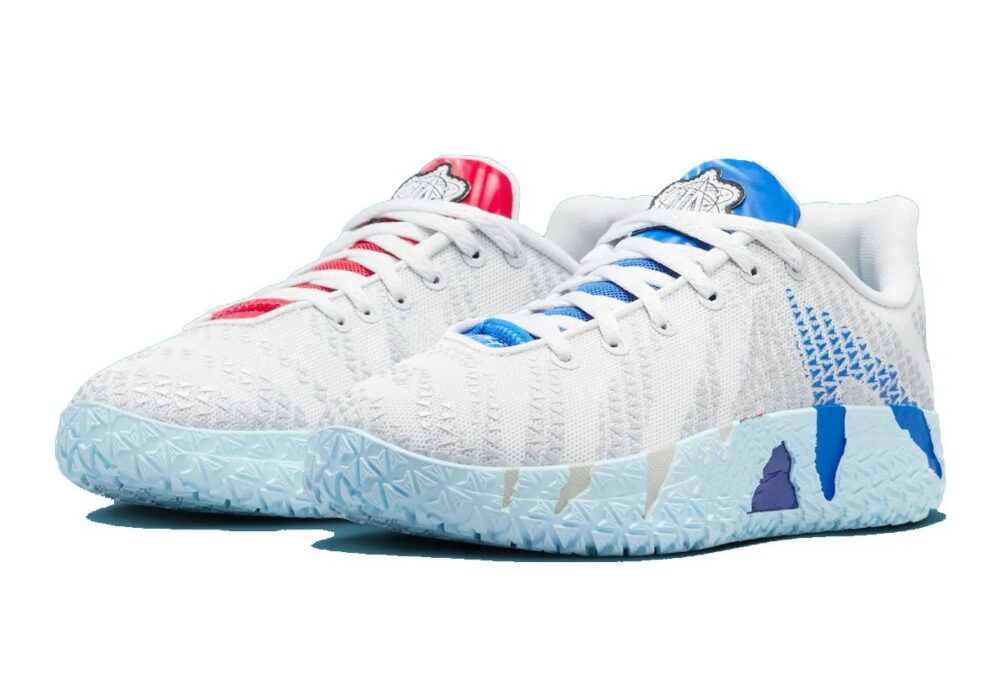
If you want authentic NASA- or Nike-branded astronaut shoes, the safest route is to start with the brand owner’s official channels, authorized retailers, or a seller that can document provenance clearly. The key issue is that “authentic” can mean different things depending on the product:
- NASA-branded shoes may be officially licensed merchandise, but not every item with a NASA logo is licensed.
- Nike astronaut shoes may refer to a Nike model inspired by space or worn in a space-related context, but not every “astronaut shoe” listing is a real Nike product.
- Some listings use space-themed language loosely, which can make a product look official when it is only styled to resemble one.
If your goal is to buy safely, the best approach is to verify the seller, the product identifiers, the return policy, and the proof of origin before you pay. If your goal is to compare marketplaces, use the matrix below to judge risk, not just price.
What the Trust Question Really Means
“Authentic” is the most important word in this search, but it is also the most misunderstood.
For this topic, authenticity can fall into three different buckets:
-
Officially licensed NASA merchandise
This means the product is approved to use NASA branding through a licensing arrangement. It should usually come from a known retailer, a brand partner, or a seller that can show licensing details. -
Genuine Nike product
This means the item is made by Nike or an authorized Nike source, with product codes, packaging, and seller records that match the model. -
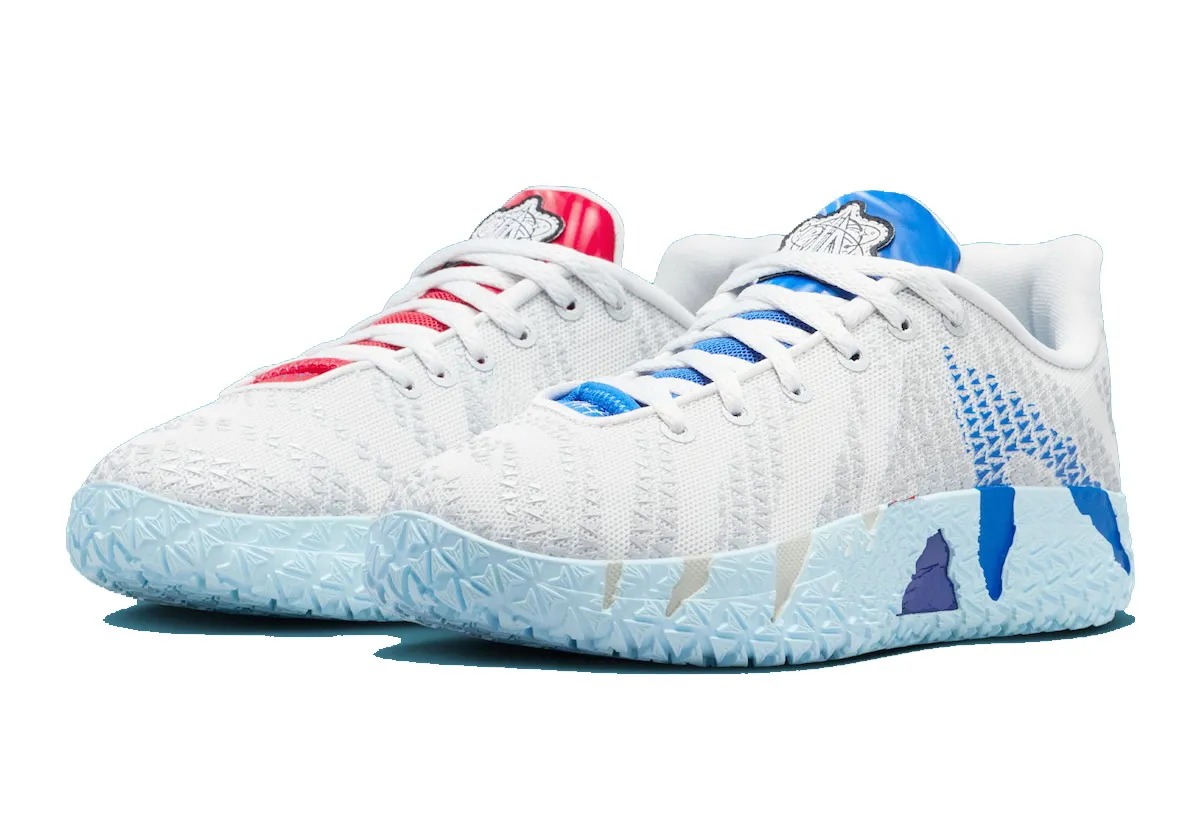
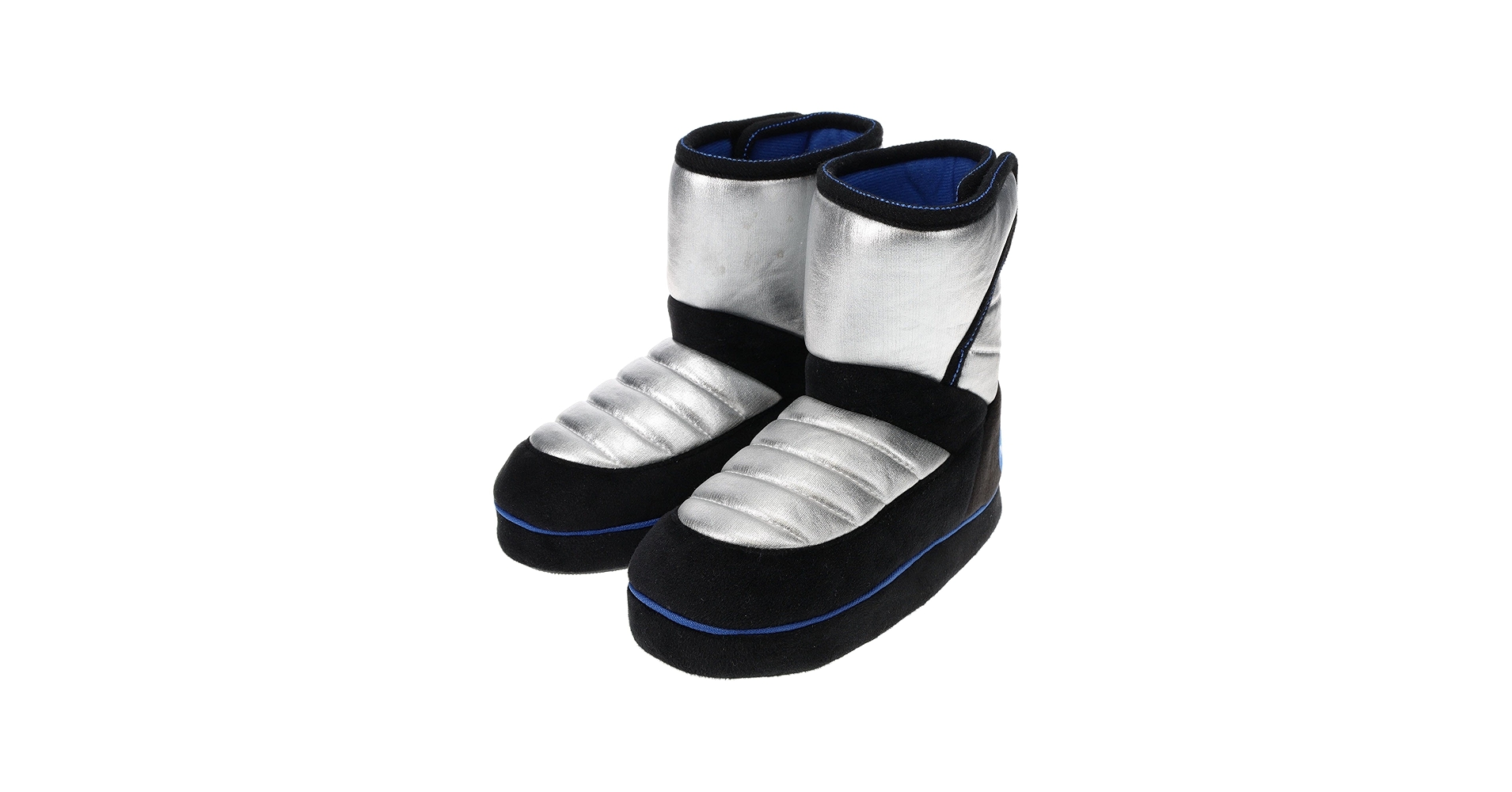
Space-themed or astronaut-style shoes
These may look similar to a NASA or Nike item but are not actually branded, licensed, or made by the original company.
That distinction matters because many listings blur the line between:
- “NASA-inspired”
- “NASA logo”
- “Nike style”
- “astronaut shoe”
- “limited edition”
- “replica”
- “same factory”
Those phrases are not proof. They are marketing language until the seller can back them up.
What to Check First
Before you compare stores, check the listing itself. A trustworthy product page should answer these questions clearly:
-
Who made it?
Look for the brand name, manufacturer, or license holder. -
Is the branding official or decorative?
A NASA logo on a shoe does not automatically mean the item is licensed. -
Does the seller show a model number or SKU?
Real branded products usually have identifiers you can cross-check. -
Are the photos original?
Reused stock images, inconsistent backgrounds, or watermarked images can be a warning sign. -
Is the price realistic?
A price far below normal market value can mean clearance, but it can also mean a non-authentic item. -
Can you return it?
A clear return policy matters if the item arrives with missing branding, poor build quality, or the wrong model. -
Does the seller answer direct questions?
Ask for proof of authenticity, packaging photos, and item codes. A serious seller should respond clearly.
Comparison Matrix
Use this table to compare the most common buying routes for NASA- or Nike-branded astronaut shoes.
| Buying route | Seller signals to look for | Payment / checkout | Shipping / delivery | Returns / policies | Who it suits | Quality / features |
|---|---|---|---|---|---|---|
| Official brand store | Brand-owned domain, consistent product pages, clear branding | Standard checkout, branded payment flow | Usually predictable, with tracking | Usually the clearest policy language | Buyers who want the lowest authenticity risk | Best match to official product details |
| Authorized retailer | Retailer listed by the brand, matching product codes | Normal retail checkout | Often reliable and trackable | Usually structured and visible | Buyers who want brand-backed sourcing | Good balance of authenticity and convenience |
| Reputable marketplace seller with proof | Detailed listing, item codes, original photos, responsive support | Varies by platform | Varies by seller and region | Must be checked carefully | Buyers who can verify details before purchase | Can be good if documentation is strong |
| General marketplace listing with vague claims | Generic photos, unclear brand origin, no model code | Often easy checkout, but details may be thin | Can vary widely | May be limited or unclear | Buyers who are price-sensitive but cautious | Higher risk of mismatch or non-authentic goods |
| DHgate-style marketplace listing | Seller reputation, item photos, clear description, direct answers to questions | Marketplace checkout, but verify terms yourself | Varies by seller and shipping method | Must be read line by line | Buyers comparing price, availability, and seller responsiveness | Can be useful for comparison shopping, but requires careful verification |
| Social media or direct-message seller | Informal communication, limited business details | Often outside standard retail flow | Often uncertain | Usually weakest protection and clarity | Buyers who already know the seller | Highest uncertainty unless provenance is documented |
Decision Framework
The safest buying decision depends on what you value most.
Choose official or authorized channels if:
- You want the strongest confidence in authenticity.
- You are buying a gift and cannot risk a mismatch.
- You need a product with clear brand provenance.
- You do not want to spend time verifying seller claims.
Choose a marketplace seller only if:
- The seller can show model numbers, packaging, and item photos.
- The listing matches known product details exactly.
- The return policy is clear enough for you to act on if needed.
- You are comfortable doing extra verification before checkout.
Choose a space-themed alternative if:
- You like the look more than the brand name.
- You want a lower-cost style option.
- You do not need official NASA or Nike branding.
- You are buying for fashion, not collector value.
Avoid the listing if:
- The seller refuses to answer authenticity questions.
- The product title is vague but the price is unusually low.
- The photos look copied from other sites.
- The listing uses “authentic,” “original,” and “replica” interchangeably.
- The brand name appears in the title, but nowhere else in the product details.
Where DHgate Fits Naturally
DHgate fits best as a comparison-shopping environment, not as a shortcut to authenticity.
That means DHgate can be useful when you want to:
- compare multiple sellers side by side,
- inspect how different listings describe the same style,
- ask sellers for item photos, codes, and packaging details,
- evaluate whether a listing is clearly branded, merely inspired, or too vague to trust.
It is not the right fit if you want to assume authenticity from the platform alone. For a NASA- or Nike-branded item, the burden is still on the listing and the seller to prove what the product is.
A practical way to use DHgate is to treat it like a verification test:
- Does the seller show the exact product name?
- Do the photos match the description?
- Can the seller provide close-up images of labels, tags, and packaging?
- Is the item described as licensed, branded, or simply inspired?
- Does the seller avoid overclaiming?
If the answers are weak, the listing is not a safe choice for authenticity-sensitive buying.
Verification Checklist
Use this checklist before you buy any NASA- or Nike-branded astronaut shoe listing.
Product identity
- Confirm the exact brand name.
- Look for a model number, SKU, or style code.
- Check whether the item is described as licensed, official, or merely inspired.
- Compare the listing title with the product description for consistency.
Seller credibility
- Review seller history and feedback patterns.
- Look for repeated complaints about “not as described.”
- Check whether the seller answers questions directly.
- Ask for recent photos of the exact pair you will receive.
Visual proof
- Inspect logo placement, stitching, sole shape, and label details.
- Compare the product photos with official images if available.
- Watch for mismatched fonts, blurry logos, or inconsistent packaging.
- Be cautious if every image looks like a catalog image.
Transaction safety
- Read the return policy before checkout.
- Confirm shipping estimates and tracking availability.
- Save screenshots of the listing and seller messages.
- Use a payment method that gives you a record of the transaction.
Authenticity questions to ask the seller
- Is this item officially licensed or branded?
- Can you share the model number or product code?
- Are the photos of the exact item for sale?
- What packaging will be included?
- If the item arrives with different branding or details, what is the return process?
FAQ
Are NASA-branded shoes always authentic if they have the NASA logo?
No. A NASA logo alone does not prove authenticity. The listing should show licensing, seller credibility, and product details that match the item.
How do I know if a Nike astronaut shoe is real?
Check the model code, seller source, packaging, and product photos. If the seller cannot match the item to a known Nike release or authorized source, treat it as unverified.
Is DHgate a good place to buy authentic NASA or Nike astronaut shoes?
DHgate can be useful for comparing listings and seller claims, but it should not be treated as proof of authenticity. Use it to verify details, not to assume legitimacy.
What should I ask a DHgate seller before buying?
Ask for the exact model number, close-up photos of labels and logos, packaging photos, and a clear statement on whether the item is licensed, branded, or inspired.
What is the biggest red flag in a listing?
A vague product description combined with a very low price and no proof of origin. That combination often means the item is not clearly authentic.
Can I trust a listing that says “same quality as original”?
Not by itself. That phrase is marketing language, not verification. You still need proof of brand origin and product identity.
Was this page helpful?
If it helped you separate official, licensed, and inspired listings, then yes—the main goal is to help you buy with fewer surprises and more confidence.
What to Do Next
If you are ready to buy, start with the safest route first:
- Check official brand or authorized retail sources.
- Compare any marketplace listing against product codes and photos.
- Ask the seller for proof before paying.
- Only buy when the listing, seller, and policy details all line up.
If you are still deciding, use the comparison matrix as your filter: the best listing is not the cheapest one, but the one that gives you the clearest proof of what you are actually buying.
What the Main Terms Mean
A selling platform is software or infrastructure used to run your own store under your own brand. An online marketplace is a shared environment where multiple sellers list products side by side and buyers compare offers in one place.
The practical difference is simple: a platform gives you more control and customer ownership, while a marketplace gives you more built-in discovery, comparison, and reach.