
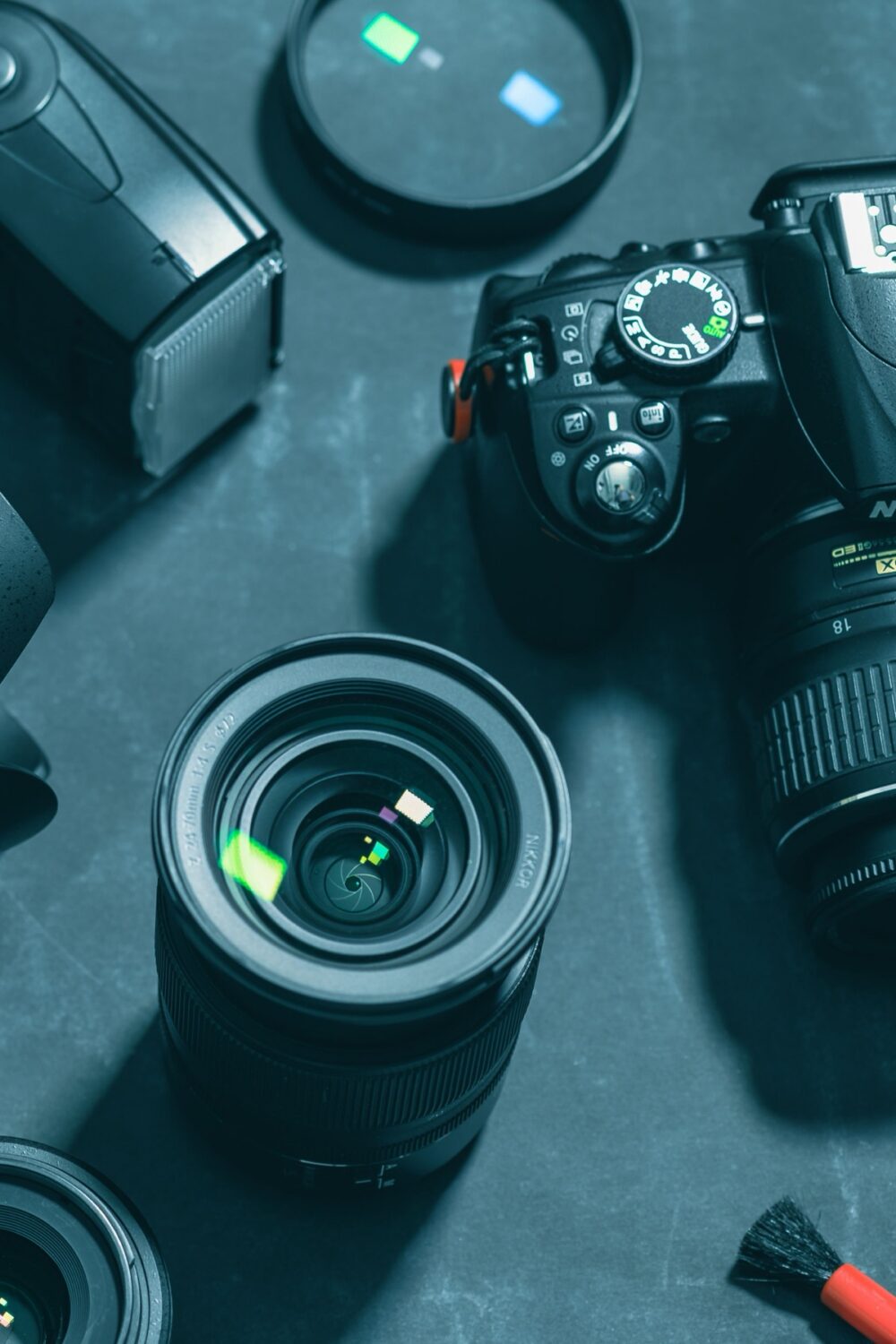
Treat DHgate as one sourcing option for kits and equipment, not a default. Set a technical specification, check brands and model numbers off-platform, compare listing details and seller evidence, and test a small order. Generic, lower-stakes kits may suit this route when you can inspect them; for branded, safety-critical or heavily regulated equipment, a US distributor or brand-authorized wholesaler is usually the more appropriate channel.
Why kit and equipment sourcing on DHgate raises different trust questions
Buying a T‑shirt that arrives a bit thinner than expected is annoying but rarely serious. Buying a photo strobe that misfires, an acrylic nail system with unlabelled chemicals, or an electronics kit with off‑spec power components can create safety issues, business downtime, or wasted inventory. Many buyers and review sites highlight that these risks are higher on open marketplaces where quality varies widely between sellers.
DHgate itself, in its product guides, describes the platform as “a Chinese online marketplace… not just one brand or store but a platform where lots of sellers from all over the world sell their stuff.” That structure matters. DHgate is not testing and warranting every kit or piece of equipment; you’re buying from individual suppliers who may or may not meet the standards you need.
For kits and equipment, that raises specific trust questions:
- Brand reality: Is the brand on the box a legitimate manufacturer, an off‑brand, or a close imitation of a famous name?
- Kit completeness: Are all components, accessories, and consumables actually included, or will you end up short parts?
- Spec and safety fit: Does voltage, power draw, chemical composition, or mechanical strength match your requirements and US standards?
This guide won’t declare DHgate universally safe or unsafe. Instead, it gives you a kit/equipment‑specific workflow to reduce risk, decide when DHgate is appropriate, and recognize the situations where another route is smarter.
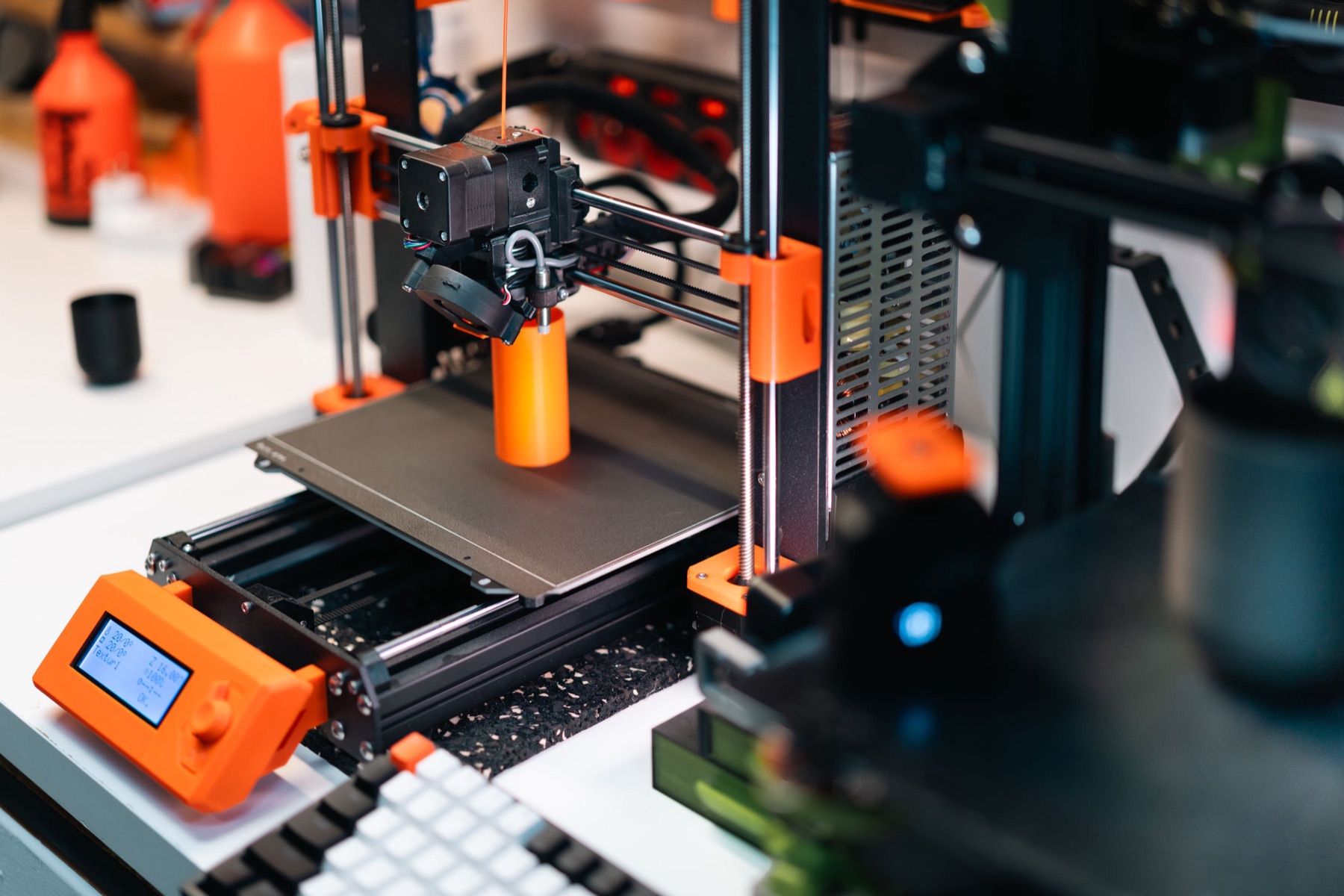
Universal checks before trusting any cross-border kit or equipment supplier
Before you get into DHgate specifics, you should have a platform‑agnostic playbook for vetting any overseas kit or equipment supplier.
1. Define a tight technical and safety spec
Write down what the kit or equipment must do:
- Electrical: required voltage (most US gear is 110-120V), plug type, power draw, and whether dual‑voltage is acceptable.
- Mechanical: torque, weight limits, materials (e.g., steel vs pot metal in tools).
- Chemical/cosmetic: ingredients you prohibit, basic compliance expectations (e.g., MSDS availability, labeling in English).
- Operational: minimum lifetime or duty cycle, noise limits, and any warranty you need for client work.
2. Verify brands and model numbers off‑platform
DHgate’s own editorial guidance on real brands advises you to research the brand’s official site and cross‑reference product details.
- Search the brand name plus “official site.”
- Look up the exact model number printed in the listing.
- Compare specs, photos, logos, and packaging claims against the brand’s official documentation.
If the supposed brand doesn’t list that model at all, or the packaging looks radically different, treat it as off‑brand or unverified.
3. Check regulatory and voltage compatibility
For anything powered or chemical:
- Confirm voltage and plug type match US use. A 220-240V lamp or tool sold cheaply may be aimed at EU markets.
- Look for certifications in the listing photos (e.g., CE, RoHS). These can be faked, so use them as clues, not proof.
- For nail systems, photo gear, and other professional tools, ask in writing about MSDS sheets, batch labels, or compliance testing.
4. Document listings and communications carefully
Good documentation helps in any dispute:
- Screenshot the listing page, including specs, photos, and price.
- Save a PDF of the order confirmation.
- Keep all supplier messages on‑platform and download key parts if possible.
- Photograph packaging, labels, and contents on arrival.
This doesn’t guarantee a win in a dispute, but it turns your complaint into evidence rather than opinion—for example, you can show a voltage mismatch or missing components in a toolkit.
5. Use documented order terms and traceable payment
Before paying, record the seller identity, agreed specifications, total amount and fulfilment milestones. Review the current checkout terms and any card or payment-provider terms instead of assuming a remedy will apply.
In practice:
- Use a traceable checkout route that produces a transaction record.
- Avoid direct bank transfers to unknown overseas accounts, especially when a seller suggests them in chat.
- Avoid unexplained off‑platform payment requests from a seller you have not independently verified.
These steps improve documentation but do not eliminate fraud risk or guarantee a remedy.
6. Place small test orders before bulk
DHgate’s trusted‑seller and search guides encourage assessing listings and using reviews before committing. For business buyers:
- Order one kit or a handful of units.
- Inspect kit completeness, build quality, and performance under real conditions.
- Decide what level of variance you can accept before risking a larger order.
7. Look for external feedback beyond the marketplace
DHgate’s editorial guide to spotting questionable products suggests checking external video evidence. Extend that idea:
- Search the product name and model in YouTube, forums, Reddit, or pro Facebook groups.
- Prioritize feedback from people using similar equipment professionally (e.g., nail tech, photographer, RC hobbyist).
This external context can highlight common failure points or safety concerns you won’t see in a marketplace star rating.
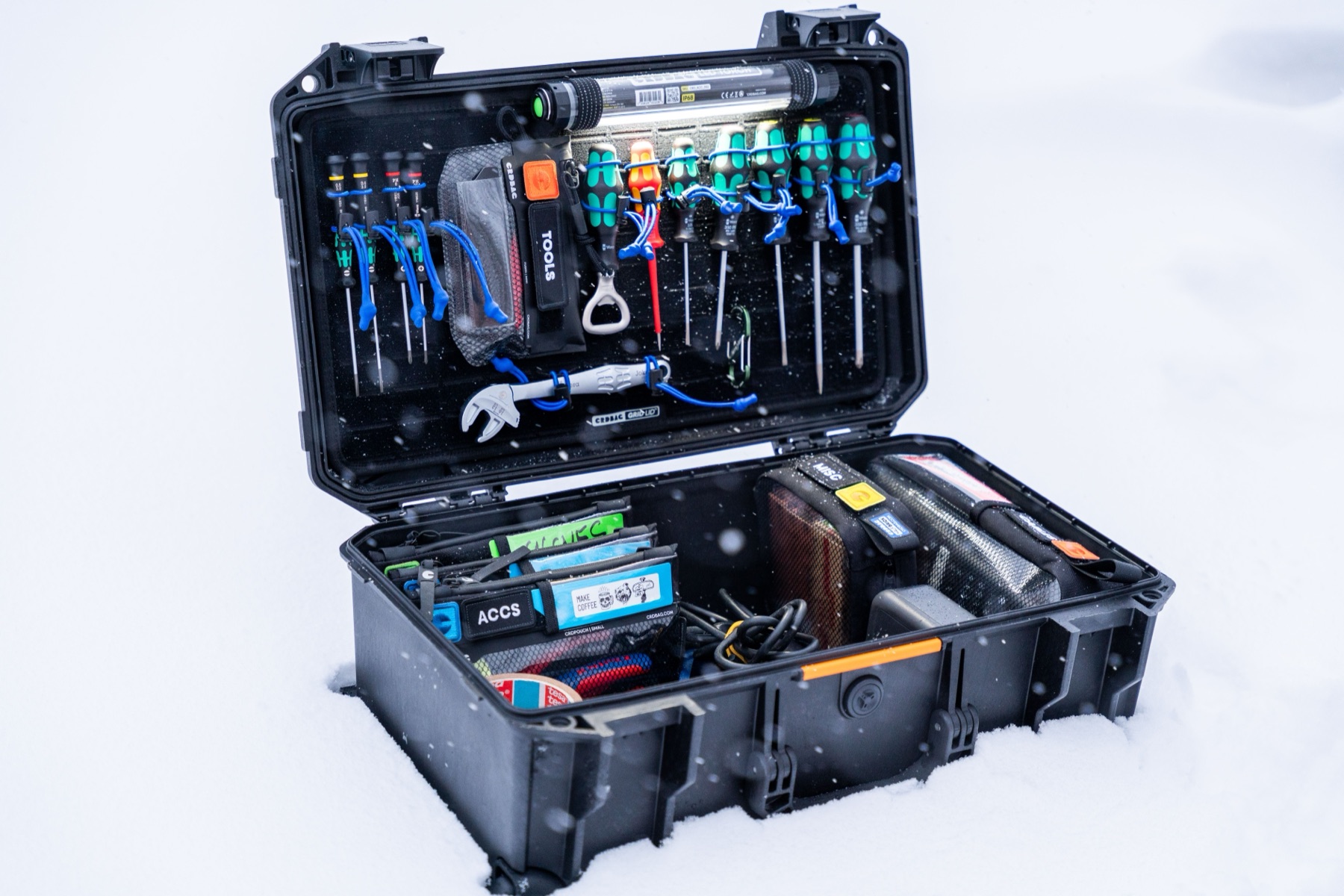
How to interpret marketplace signals for technical products
Marketplace pages expose signals that help buyers investigate a seller, but those signals are inputs to due diligence rather than proof of product safety, authenticity or seller competence.
- Seller ratings and customer reviews.
DHgate’s editorial search guide encourages reading both positive and negative feedback. For kits and equipment, reviews can help you:
- Spot chronic issues (e.g., “missing screws in every toolkit,” “LED lights flicker after a week”).
- Assess delivery reliability and packaging.
Reviews are uneven and can be biased or sparse, especially for niche kits. A five‑star average on 3 orders is not the same as 4.6 stars on 500 orders.
- Listing details and seller messages.
Specifications, images, prices and seller responses are raw material for your risk analysis, not an audit. Treat every listing claim as something to verify with model numbers, documents and a physical sample.
- Transaction records.
Save the order page, seller messages and inspection evidence. Check current official terms before paying; do not infer what a platform or payment provider will cover from an editorial article.
Compared with brand‑authorized US distributors, marketplaces offer broader selection and aggressive prices, but often less predictable warranties and weaker local compliance assurance. For casual hobby kits, that trade‑off can be acceptable; for gear you use on paying clients, it’s more sensitive.
Using DHgate’s listings, reviews, and storefronts to vet kit and equipment brands
Once you’re on DHgate, the key is to squeeze as much signal as possible out of what the platform already shows you.
Start with search filters and a shortlist
DHgate’s search guide describes filters that sort items by ratings, number of sales, and seller feedback. For kits and equipment:
- Filter for higher star ratings and meaningful order volume (e.g., dozens or hundreds of sales) to avoid untested listings.
- Use price range filters to weed out extreme outliers: a “professional” nail kit at a tiny fraction of the going price is a red flag.
- Build a shortlist of several listings per kit type (e.g., multiple LED photo lighting sets, several acrylic nail starter kits).
Read product pages for kit completeness and spec fit
The search guide emphasizes reviewing “details, attributes, visuals, and cost” on each product page. For kits and equipment, go line by line:
- Kit contents: Is there a clear, itemized list of components? For a tool set, that might be “3/8″ ratchet, 10 sockets (8-17mm), extensions.” For a nail system, base, activator, top, prep liquids, plus powder shades.
- Materials and build: Look for phrases that specify metal type, plastic type, or housing materials. Vague language (“high quality material”) is weaker.
- Voltage and compatibility: Confirm voltage and plug type in the description and photos. If it’s missing, message the seller before ordering.
- Photos: Zoom in on logos, labels, and safety markings. Compare them to the brand’s official imagery if it claims to be a known brand.
If a listing is fuzzy about contents, lacks close‑up photos, or contradicts the brand’s official spec sheet, downgrade its trust rating.
Mine reviews for patterns—not just stars
The DHgate guide calls reviews “informational treasure troves” when you read both positive and negative. For kits and equipment, look for specific patterns:
- Completeness: Do buyers mention missing pieces (“no power cord,” “only two powders instead of three”)?
- Performance over time: Are complaints about early failure clustered around the same component (e.g., “charger died in 2 weeks,” “light output is much lower than advertised”)?
- Real use case: Prioritize reviews from buyers who describe similar usage: “used in my salon,” “works well in home studio,” “great for kids’ robotics club.”
One or two isolated complaints may be noise; recurring issues suggest real risk.
Analyze seller storefronts for organization and focus
DHgate’s brand guide says sellers handling authentic brands typically have well‑organized storefronts, clear product categories, distinct brand labels, and detailed descriptions. When you click through to a seller’s store:
- Check if they specialize (e.g., mostly tools or mostly nail systems) or sell a random mix of unrelated goods.
- Look for consistent branding and product photography across listings.
- See whether kit families are organized logically (e.g., beginner vs pro sets, voltage variations).
A store that looks like a curated catalog for a category is a stronger signal than a chaotic grab bag of everything.
Use direct questions to fill critical gaps
- “Is this kit branded or your own factory brand? Please confirm the brand name on the packaging.”
- “What voltage and plug type does the light ship with? Can you confirm 110-120V US compatibility?”
- “Do you provide MSDS or safety documentation for the liquids in this nail system?”
- “If I place a bulk order later, can you provide replacements for failed units within [X] months?”
Sellers who respond promptly and concretely are more promising; vague or evasive answers are a warning sign.
A practical DHgate evaluation workflow for kits and equipment
Here’s a concise, kit‑specific workflow you can reuse for most DHgate sourcing decisions.
1. Clarify your use case and risk tolerance
Decide whether this kit is for casual resale, hobbyists, or professional client work. You might tolerate more variance in RC hobby parts than in electric nail drills for your salon.
2. Search DHgate and apply filters
- Use specific keywords: “acrylic nail starter kit,” “LED video light kit 110V,” “RC brushless motor set.”
- Filter for higher ratings, meaningful sales volume, and an appropriate price range.
- Exclude listings with almost no history unless you’re willing to experiment.
3. Compare multiple listings side by side
Use DHgate’s comparison feature or manual notes to look across several options.
| Checkpoint | What to compare across listings | Why it matters for kits/equipment |
|---|---|---|
| Specs | Voltage, materials, kit contents, claimed certifications | Avoid mismatched voltage, weak materials, or incomplete kits |
| Seller metrics | Overall rating, number of orders, volume of feedback | Prioritize suppliers with a visible track record over brand‑new listings |
| Logistics info | Stated shipping methods, estimated delivery windows, handling times in the listing | Align lead times and shipping methods with your project schedule and customer promises |
| Price | Unit price and effective cost per component or kit | Balance savings against any spec or trust compromises |
4. Run external brand and spec checks
For each shortlisted listing:
- Verify any claimed brand and model number off DHgate, as described earlier.
- Watch at least one external review (e.g., YouTube) of the product type, even if not the exact listing, to understand common issues.
5. Message sellers to confirm critical details
Before you order, contact sellers through DHgate’s messaging tools:
- Confirm voltage and plug type for powered gear.
- Ask directly about authenticity if a known brand is mentioned.
- Clarify what is included in the kit and whether instructions are in English.
Keep these answers on‑platform so they are part of your record if anything goes wrong.
6. Place a small test order
- Order one kit or a minimal batch.
- On arrival, inspect components, labels, and packaging quality.
- Test the equipment in conditions that mimic real use: run lights at full power, use tools under load, try nail liquids on test tips.
7. Decide your acceptable variance before scaling
After the test order:
- Note any defects, missing parts, or spec deviations.
- Decide how much variation you can tolerate and still meet your customers’ expectations.
- If results are acceptable, consider a modest scale‑up rather than jumping straight to very large orders.
When DHgate is a reasonable sourcing route for kits—and when to walk away
DHgate can play different roles depending on what you’re buying and how much risk you can absorb.
Where DHgate can be a workable primary source
DHgate can be useful for generic or off‑brand kits where you can thoroughly test samples and tolerate some inconsistency:
- Hobby and RC kits whose failure won’t endanger people (e.g., non‑critical parts for backyard RC cars or planes).
- Basic hand‑tool sets for casual DIY use, as long as you’ve confirmed the metal quality via test orders.
- Off‑brand photo accessories (light stands, softboxes) where you can check build quality and don’t need brand‑backed warranties.
- Entry‑level electronics kits for learning, provided you verify that power supplies and components aren’t dangerously mis‑spec’d.
In these cases, you can treat DHgate as a price‑competitive primary source if your testing shows the kits perform adequately and you have a plan for occasional failures.
Where DHgate is more of a research and comparison tool
For higher‑risk categories, it’s usually safer to treat DHgate as a way to research what’s available and approximate prices, then buy final stock through more controlled channels:
- Branded power tools and industrial equipment that your business relies on daily.
- High‑voltage or high‑power photo lighting where electrical faults could cause fires or serious damage.
- Professional beauty systems (e.g., electric nail drills, chemical peels) used on clients, where regulations and liability matter.
- Any kit where official brand warranties and traceable invoices are important for insurance or compliance.
Direct brand‑authorized distributors or US wholesalers often offer clearer warranties, better traceability, and stronger local compliance assurances—though usually at higher prices and with less breadth.
Clear signs you should walk away from a DHgate option
Consider abandoning a DHgate listing or seller altogether when:
- The brand cannot be verified off‑platform, or the model number doesn’t exist on the supposed brand’s site.
- Voltage, plug type, or safety markings are unclear, contradictory, or missing—for example, photos show 220-240V labels on a kit you need to use on 110-120V circuits.
- Reviews highlight recurring safety or durability issues, not just cosmetic complaints.
- The store mixes replicas of famous brands with generic kits and leans on brand‑like wording instead of transparent labeling.
When you hit any of those conditions, treating DHgate as a research tool only—then sourcing final inventory from US distributors or brand‑authorized wholesalers—is usually the more defensible move for your business.