
Authentic or high‑quality Lord of the Rings cloaks are usually found through specialist Tolkien retailers and clearly licensed replica makers; generic marketplaces are better suited to budget or inspired cosplay, as long as you apply stricter verification. If you’re in Australia buying a single cloak for a convention or sourcing a batch for your small store, the key is to match your expectations (film‑accurate vs “inspired by”) with the right channel, and then do some targeted trust checks before you pay.
You’re mainly trying to avoid three headaches: cloaks that don’t look anything like the Fellowship on screen, fabrics that feel cheap or fall apart, and listings that imply an official LOTR tie‑in but are really just generic fantasy capes. Those risks show up differently on Amazon AU, Etsy, niche LOTR shops and broad marketplaces such as DHgate, so you’ll need slightly different habits on each.
What buyers worry about with LOTR cloaks & capes online
Buying a cloak isn’t like ordering a T‑shirt. For LOTR gear, you usually care about drape, length, hood shape and how closely it resembles Tolkien’s world or the films.
Lore sites like TolkienGateway’s Elven cloaks entry and Elfenomeno’s overview highlight that “Elven cloaks” are fictional objects with specific properties and descriptions, distinct from real‑world fabric cloaks. Film props, licensed replicas and modern fantasy versions all interpret that idea differently. That’s why authenticity claims online can be fuzzy or misleading.
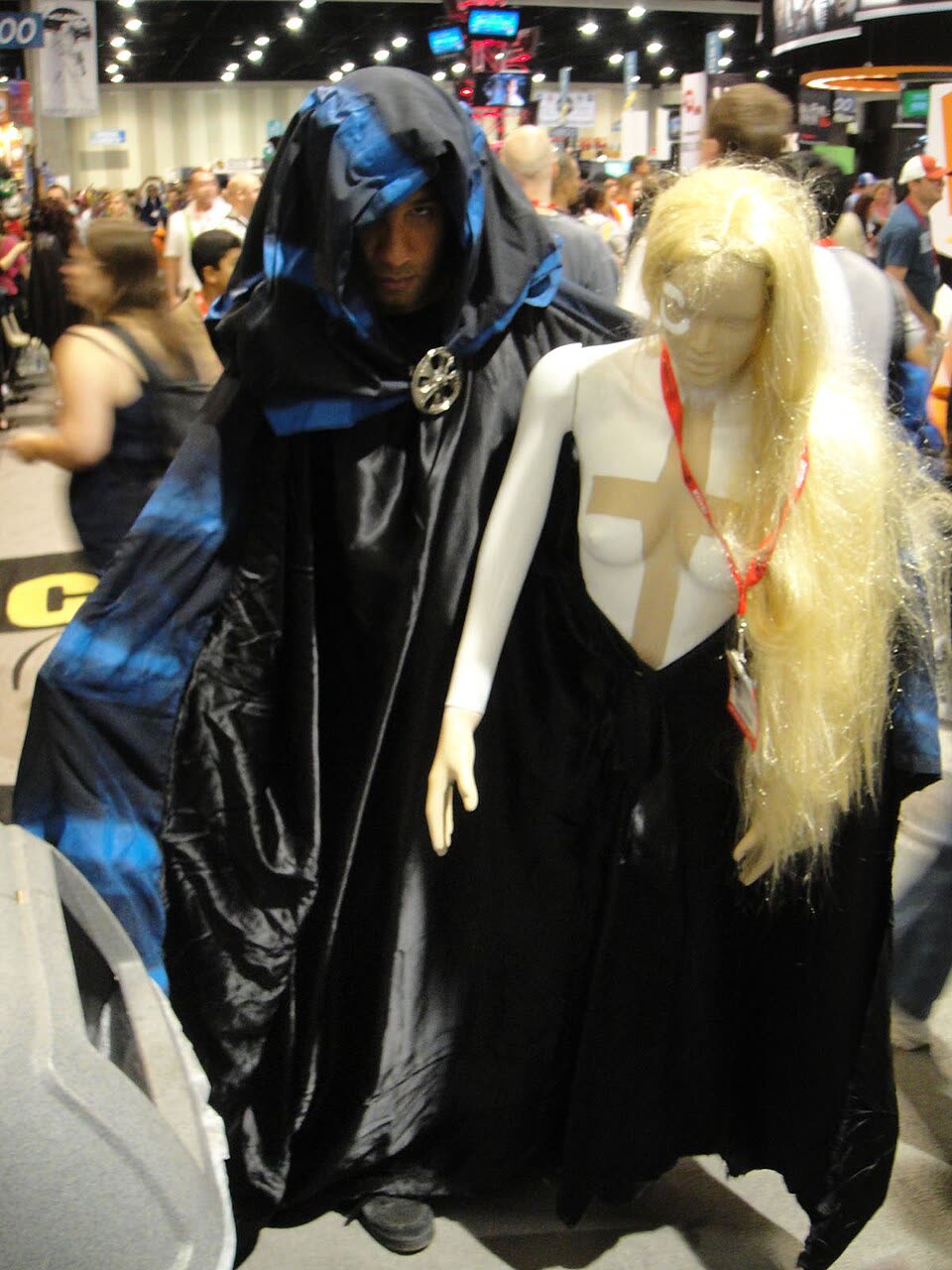
On large marketplaces, you’ll see that fuzziness in the product mix. A simple search for “elven cloak” on Amazon.com.au pulls up many fantasy cloaks from different third‑party sellers. Some are clearly Halloween‑grade velvet or polyester capes, some add Hobbit‑style leaf clasps, and some use phrases like “medieval” or “wood elf” without mentioning licensing at all.
Meanwhile, Etsy’s Australia‑facing “Lord of rings cloak” results are full of handmade or custom cloaks from small shops. Those can be great, but they also vary widely in pattern accuracy, fabric weight and maker experience. A “Fellowship‑style” cloak for a wedding in one Etsy shop might be a simple wool rectangle with a hood; another might be carefully patterned after fan‑researched costume breakdowns.
The typical problems buyers report across platforms:
- Misleading “authentic” wording – Some listings hint at official LOTR status or screen accuracy while really offering generic fantasy designs.
- Fabric surprises – Product photos can look rich and heavy, but the actual cloth may be thin polyester that doesn’t hang like wool.
- Sizing and drape issues – Capes that barely reach mid‑calf, hoods that are too small for the dramatic silhouette you expect, or one‑size listings that don’t fit larger bodies.
- Licensing grey zones for resellers – Small Australian ecommerce businesses risk stocking cloaks that use LOTR names or imagery without clear rights, which can be a problem if you market them as official.
None of that means online LOTR cloaks are inherently untrustworthy. It just means you need slightly different standards depending on whether you’re chasing film‑authentic pieces, solid midrange cosplay, or cheap bulk stock.
Safer buying habits for LOTR cloaks on any platform
Wherever you shop, you can cut your risk with a handful of specific habits tailored to cloaks.
1. Decide your authenticity tier first
Before you even look at listings, be clear about what you’re actually after:
- Film‑authentic or collector‑grade – Expect high prices and very clear provenance (e.g., named fabric mills, prop‑house links). Anything vague or cheap is a red flag.
- Licensed replica or premium cosplay – Look for mentions of official licensing, trademarks, and detailed photos of tags and packaging.
- LOTR‑inspired or generic fantasy – These are fine for casual cosplay or resale, but you shouldn’t pay collector prices or market them as official.
DHgate’s editorial blogs on other franchises, like Hogwarts robes, advise checking for explicit licensing and being cautious with third‑party sellers when buying costume pieces that claim to be tied to a franchise. That general principle applies just as well to LOTR cloaks.
2. Use a cloak‑specific verification checklist
When you open a listing (on any marketplace), check these concrete details rather than just star ratings:
- Fabric type and weight – Cloaks that aim for a Fellowship vibe usually need some weight (wool blend, heavy cotton, thick velvet). If a listing doesn’t specify fabric or calls it “soft polyester,” assume light costume quality.
- Length measurements – Look for numbers from shoulder to hem. If you’re tall or sourcing for a mixed‑height group, a 130 cm cloak may not give the sweeping look you expect.
- Hood pattern – Product photos should show side views. A shallow hood will feel more Halloween than Lórien.
- Closure details – Does it have a clasp (leaf, round brooch, ties)? Close‑ups tell you a lot about craftsmanship.
- Photo consistency – Mixing studio photos and obvious stock images can signal a seller who hasn’t actually shot their own cloak.
Keep a note with the listing URL, screenshots of measurement diagrams, and any sizing advice you relied on. That’s especially useful if you’re a small business and later need to justify returns or decide whether to reorder.
3. One‑off cosplay vs resale: adjust your bar
For personal cosplay in Australia, you may tolerate:
- Longer shipping and looser sizing if the cloak is cheap and for a single event.
- Generic “elven” styles that evoke Middle‑earth without explicit branding.
For small ecommerce resale, tighten your bar:
- Avoid listings that use “Lord of the Rings” in titles or images without any mention of licensing or brand affiliation.
- Document fabric content and care instructions, since customers will ask and you’ll carry the reputation risk.
DHgate as an example of generic cloak sourcing
If you just need a base layer cloak and are comfortable doing your own styling or modifications, broad marketplaces like DHgate carry many generic hooded capes without LOTR branding.
On 2026-10-13, for example, DHgate listed several relevant cloaks:
| Product (DHgate) | Category | Price range (USD) | Notes |
|---|---|---|---|
| Women Long Cape Cloak Stylish Hooded Wool Blend Cloak Coat | Women’s Trench Coats | 36.08-37.78 | Long hooded coat that could serve as a wintery base for an elven look. |
| Autumn Winter Women Long Cloak Capes Solid Color Hooded | Women’s Cape | 73.92-91.79 | Solid‑colour hooded cloak, more like generic fantasy wear. |
| Halloween Cloak Gothic Wizard Cape Cloak | Women’s Cape | 27.72-29.04 | Lightweight costume cloak aimed at stage and Halloween use. |
| Hooded Solid Loose Men Black Cloak Coats | Men’s Trench Coats | 100.56-105.32 | Long black hooded coat with a poncho‑style cut, suitable as a darker fantasy base. |
Prices and availability can change, and these items are not marketed as licensed LOTR replicas. Their value is as raw material: you can add a leaf clasp, weather the fabric, or pair them with more explicit fandom accessories.
Because DHgate (like any broad marketplace) hosts many independent sellers, treat each listing as its own risk profile. For higher‑risk cross‑border buys you’re evaluating there, it’s worth reading DHgateWiki’s trust‑focused pieces such as assessing listing and seller risk or how to find trusted sellers on DHgate before you place a large order.
How different platforms handle trust for fantasy cloaks
Different channels give you different clues and friction levels. You don’t need a perfect platform; you need one whose typical behaviour fits the kind of cloak you want.
Specialist LOTR and fantasy retailers
Tolkien‑focused shops and replica‑oriented sites (like those selling “museum quality” adventure cloaks) usually:
- Provide clear product narratives about fabric origin, pattern inspiration and intended accuracy.
- Emphasize quality and fandom credentials over rock‑bottom price.
DHgate’s own LOTR‑merch editorial coverage points fans to major retailers and specialty Tolkien shops when they want higher‑assurance franchise goods. That reflects the reality: if you’re chasing cloaks that convincingly match the Fellowship on screen, these niche vendors are more likely to signal licensing and craftsmanship than generic marketplaces.
Amazon AU and similar large marketplaces
Amazon’s Australian site has a huge number of “elven cloak” and related listings from many suppliers. Trust here comes mostly from:
- Volume of reviews and buyer photos across similar products.
- The ability to compare several cloaks side by side for fabric type, measurements and real‑world feedback.
You still need to read descriptions carefully. Two cloaks that look identical in thumbnails can differ in length by 20-30 cm or switch from heavy velvet to thin synthetic.
Etsy and maker platforms
On Etsy’s LOTR cloak pages you’re dealing with independent makers. Trust is more personal and craft‑driven:
- Check photos of previous commissions and any work‑in‑progress shots.
- Read reviews for comments about communication, deadline reliability and willingness to adjust patterns.
- For small businesses, consider whether a maker can repeat a design consistently if you reorder.
Maker platforms shine if you want wedding‑grade or bespoke cloaks with story behind them. They’re less predictable if you need dozens of identical capes for resale.
Broad cross‑border marketplaces (including DHgate)
Marketplaces that aggregate global sellers often have rich choice but uneven product information. They can make sense if:
- You want inexpensive fantasy bases you’re happy to modify.
- You’re sourcing generic capes for events or photo booths, not branded LOTR merchandise.
Here, apply extra scrutiny to sizing charts, close‑up photos and seller history. For bulk sourcing, pair any order with small test quantities first, and consider using guidance like finding wholesale suppliers on DHgate as a general framework for how you approach multi‑seller marketplaces.
Scoped verdict: match channel to cloak ambition
- Film‑faithful or clearly licensed LOTR cloaks – Start with specialty Tolkien or replica retailers and vendors who foreground licensing and materials.
- Premium but unofficial cosplay – Etsy makers and highly reviewed midrange cloaks on Amazon AU can work well, provided you audit fabrics and measurements.
- Budget fantasy capes for events or resale – Broad marketplaces like DHgate are viable for generic cloaks if you treat every listing as unlicensed, verify the photos and specs carefully, and keep documentation.
If you calibrate your expectations and use cloak‑specific checks, you can source LOTR‑style cloaks and capes online without nasty surprises, and with a clear conscience about how you describe them to your customers or fellow fans.