

Buying retail shopping baskets wholesale is legitimate, but you have to treat it like a business purchase, not a casual online order. The risk isn’t that baskets can’t be sourced safely; it’s that a bad batch can sit in your store for years—cracking, hurting customers’ hands, or clashing with your brand. Whether you buy from a US wholesaler like Store Supply Warehouse, a supplier on Display Warehouse, or a cross‑border marketplace like DHgate, your protection comes from how well you verify the seller, the product specs, and the payment trail.
Wholesale basket buying is legit when you: 1) define the basket you actually need (material, size, handle type, color), 2) demand evidence that a supplier can deliver that quality at the quantity you want, 3) test with a smaller order or samples, and 4) keep all communication and payments inside traceable channels. DHgate can be part of that plan, but it won’t do the vetting for you—you still have to read each listing critically, talk to the seller, and start small.
What Makes Wholesale Basket Buying Feel Risky?
Retail shopping baskets are simple objects, but they carry a lot of operational risk once you scale up to 200-500 units.
Quality and durability. Plastic that looks fine in photos can feel brittle in person. Handles may flex awkwardly under load, and colors may fade or scratch quickly. Because baskets are handled dozens of times a day, flaws show up fast.
Ergonomics and customer comfort. A basket that digs into hands or feels too small will quietly reduce how much people carry. That affects sales, not just aesthetics. Weight distribution, handle design, and capacity matter more than most product photos reveal.
Wrong specs or branding mismatch. Ordering “red” baskets and receiving a different shade—or a gloss finish when you expected matte—can look off in a carefully designed store. Small spec errors become large visual problems when you stack hundreds at the entrance.
MOQs and inventory risk. Many wholesale suppliers require minimum order quantities that are larger than a small store really needs. Taking a discount on 500 units instead of 250 might lock you into a design you end up disliking and tie up cash in slow‑moving inventory.
Delays and repeatability. For cross‑border orders, shipping time and customs can add weeks. If the first batch is fine but the second is slightly different in color or mold, you end up with a mismatched fleet of baskets.
Supplier reliability. Because baskets are a low‑ticket, high‑volume product, there’s a temptation to work with the absolute cheapest supplier. That’s where risks of inconsistent quality, poor communication, and cutting corners on materials show up.
You’re not wrong to be wary. The key is to treat basket sourcing like B2B purchasing: you’re identifying and evaluating a supplier’s capabilities and capacity, not just buying a product photo.
Universal Safeguards for Vetting Basket Suppliers and Orders
No matter which platform or wholesaler you use, your process for baskets should be detailed and repeatable.
1. Lock in the basket spec you actually need
Write specs down before you shop:
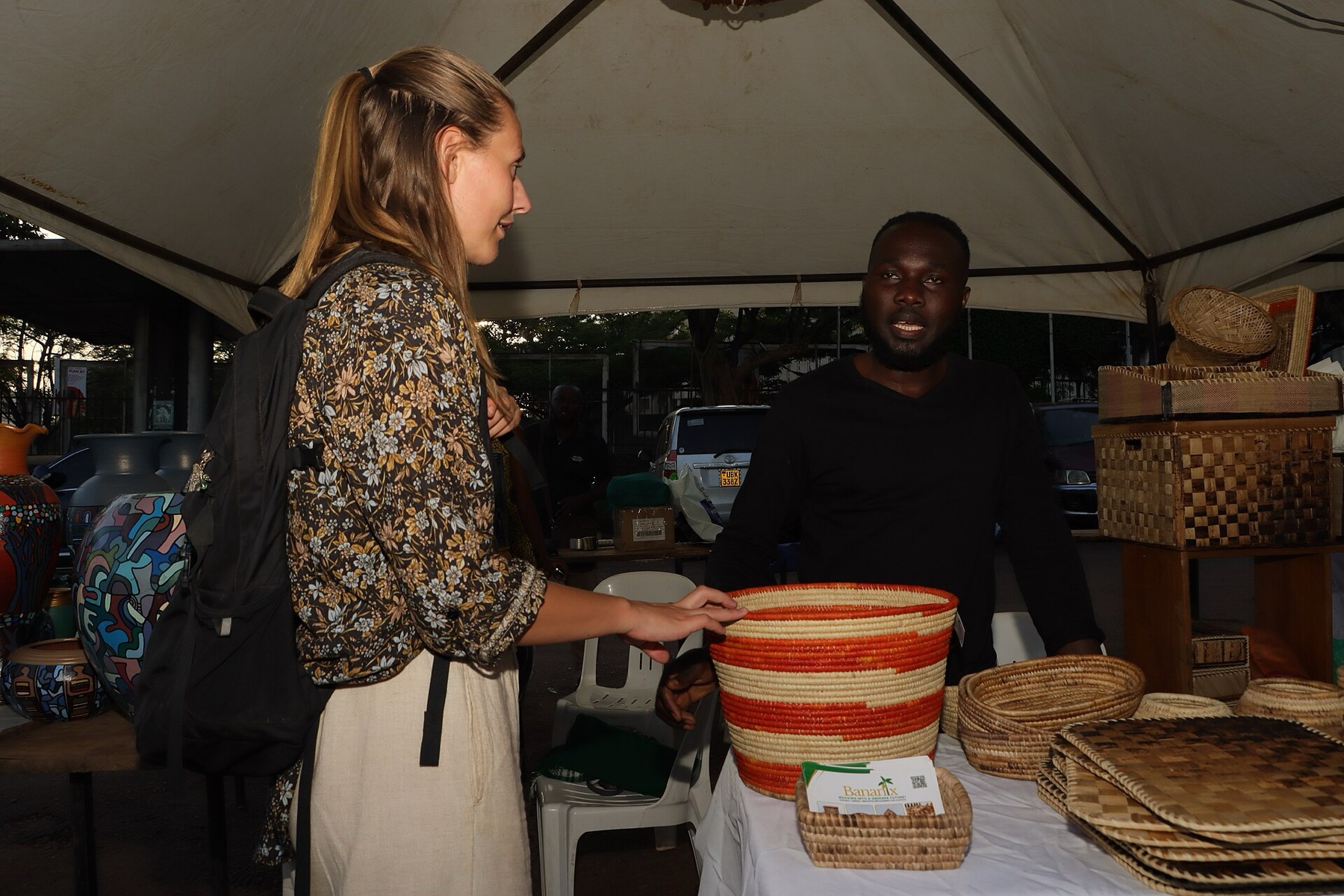
- Material: heavy‑duty plastic vs metal vs wicker (plastic and metal dominate in grocery and general retail; wicker is more decorative).
- Capacity: typical handheld retail baskets are smaller than carts but still need to hold several bulky items.
- Handle style: single rigid handle, double wire handle, or rolling basket with telescoping handle.
- Color and finish: consistent with your brand and unlikely to show scuffs badly.
Use those specs as a checklist against every product description, not just the main photo.
2. Ask for concrete supplier evidence
Treat each seller like a potential long‑term partner. Platform reviews help, but you should also request:
Short supplier‑evidence checklist for baskets:
- Photos or drawings with dimensions in inches/cm
- Material description (type of plastic or metal, thickness, any reinforcement)
- Weight capacity per basket
- Production capacity per month (to ensure repeat orders are realistic)
- Past client examples or repeat order history (even anonymized)
You’re looking for signs that this supplier can consistently deliver baskets that match your spec, not just one good batch.
3. Compare total landed cost, not just unit price
For baskets, the true cost includes unit price, shipping, and what it means for your inventory.
Here’s a simple way to think about channels:
| Sourcing route | Typical pros (editorial judgment) | Typical cons (editorial judgment) |
|---|---|---|
| US wholesalers (e.g. Store Supply Warehouse, Display Warehouse) | Clear product pages, domestic shipping, easier returns conversations | Higher unit cost vs cross‑border, less extreme volume discounts |
| Cross‑border marketplaces (e.g. Cross-border multi-seller) | Wide variety, potential lower unit price at higher volumes | Longer lead times, more work verifying suppliers and product specs |
| Local distributors or used fixtures | Very fast, you can often see baskets in person | Limited selection, inconsistent branding across batches |
This table is editorial judgment, not a ranking of brands. It exists to remind you that the cheapest unit price can easily be outweighed by shipping time, potential quality problems, and carrying excess inventory.
4. Start with samples or a small order
For a first‑time supplier, a realistic scenario is:
- You want 300 baskets long‑term.
- The supplier’s MOQ is 200.
- You negotiate for 3-10 samples first, or a single carton (say 30-40 baskets) as a test order.
You then distribute a few baskets around the store for a week, watch customers use them, and have staff report on comfort and durability. If the tests fail, you’ve limited your loss to a manageable amount and learned what to avoid next time.
5. Use secure, documented payment flows
Wherever you buy:
- Keep communication inside the platform or official email, not private messaging apps.
- Confirm the product spec, quantity, and shipping address in writing before payment.
- Avoid unverifiable payment methods; use methods that generate receipts and can be tied back to a specific order.
- Save order confirmations, invoices, and photos in a single folder in case you need to challenge a shipment.
This is boring admin work, but it’s how you maintain leverage if baskets arrive damaged or off‑spec.
If you’re focusing on DHgate specifically, our guides on finding wholesale suppliers on DHgate and assessing DHgate listing and seller risk go much deeper into listing‑level checks.
Using DHgate for Basket Wholesale: Signals, Guidance, and Limits
DHgate is a B2B marketplace based in China that connects buyers worldwide with manufacturers and suppliers; its own blog highlights that it carries millions of products and supports both small and bulk orders. That ecosystem can include retail fixtures like baskets, but DHgate is the middleman, not the manufacturer.
- Research products carefully. Blog guidance urges buyers to use search filters and pay close attention to material, dimensions, and functionality. For baskets, that means digging into measurements and any mention of reinforced handles or load capacity.
- Verify bulk pricing and MOQ by messaging sellers. Their bulk‑buying guide suggests contacting sellers directly about tiered pricing. For your first basket order, use that chat to clarify: exact MOQ, price at different quantities, and whether future reorders will match the same mold and color.
- Request samples and start small. DHgate’s blog repeatedly advises ordering samples and beginning with smaller orders to test product quality and service. That’s exactly the right posture for a basket fleet—consider the first order a paid test, not a final rollout.
- Use the platform’s transaction system and keep records. Editorial content recommends using DHgate’s own payment flow and documenting communication, then inspecting orders and leaving feedback.

In practice, using DHgate safely for baskets means:
- Treat every listing as a separate business: different factory, different quality. Do not assume one good experience generalizes across the platform.
- Combine on‑platform reviews with your own checklist: ask about dimensions, material thickness, and weight capacity before you pay for bulk.
- Set a hard ceiling for your first order size (for example, 20-50 baskets) even if the seller pushes for more.
- Build your own history with a seller: if the first two small orders arrive on spec and on time, that supplier moves into your “trusted” tier for larger orders.
Tools and ratings on DHgate can help you make that decision, but they don’t replace a buyer‑side process. If a listing doesn’t give you enough information to answer basic spec and durability questions, or the seller is vague about repeat orders, treat that as a reason to walk away.
When DHgate Makes Sense vs US Wholesalers
DHgate and similar marketplaces start to make sense when:
- You need a highly specific basket style, color, or branding treatment that domestic catalogs don’t offer.
- You’re comfortable exchanging some convenience for lower per‑unit pricing on large volumes.
- You have the time and appetite to manage cross‑border communication, sampling, and risk.
If you only need 50-100 baskets and want them quickly, a US wholesaler or local distributor is often the safer bet. If you’re outfitting multiple locations with a distinctive basket design and are willing to build a relationship with a factory, DHgate can be a viable route—provided you apply the safeguards above and treat every new supplier as untested until they prove otherwise.
For DHgate‑specific vetting tactics, see how to find trusted sellers on DHgate, then layer those marketplace checks on top of your basket‑specific spec and sampling process.