
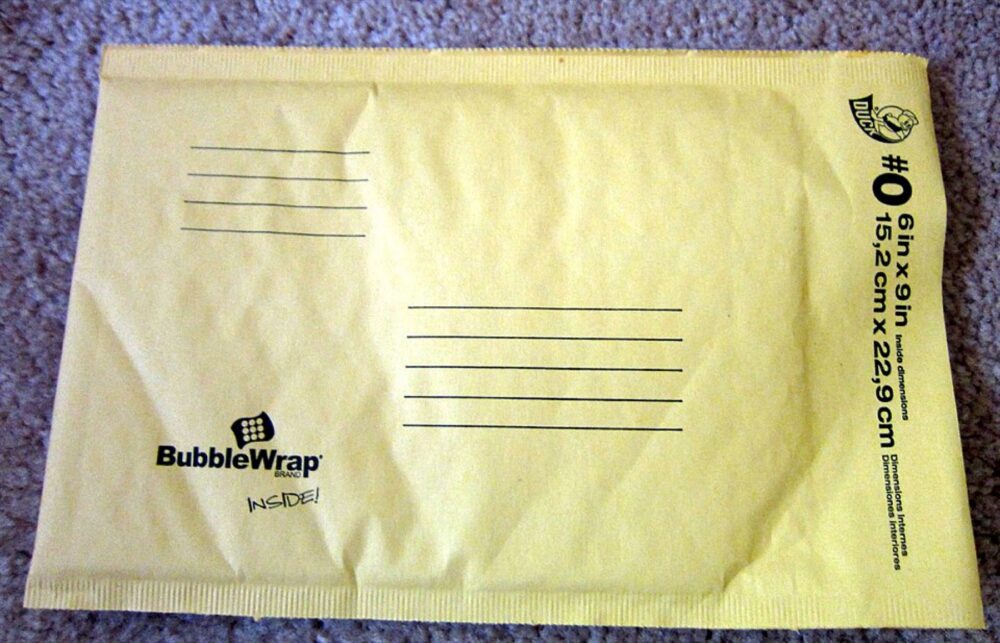
If you treat every padded paper mailer supplier as unverified until they prove otherwise, you can use DHgate and other channels for wholesale buying with manageable risk. The practical way to do that is to nail down your specs in writing, demand samples, keep first orders small, pay through protected channels, and be ready to walk away if a seller can’t show evidence for their claims.
DHgate’s own blog encourages tactics like checking seller ratings, using its badges as one input, requesting samples, and running payments through its secure transaction system before scaling orders. None of that makes any supplier automatically safe, but combined with a mailer-specific checklist, it’s enough for a small US ecommerce brand to run sensible test orders.
What buyers worry about when sourcing padded paper mailers in bulk
Padded paper mailers look simple, but in bulk they quietly affect your costs, breakage rates, and brand perception. The main worries readers raise fall into three buckets:
1. Product and packaging performance
For mailers, small spec misses matter:
- Padding type: bubble-lined kraft vs fully paper-based honeycomb or tissue padding.
- Wall strength: thin paper that tears in transit vs sturdier kraft.
- Adhesive: seals that pop open, forcing you to tape every order.
- Size accuracy: internal vs external dimensions, and inconsistent sizing across a run.
If you’re shipping fragile or semi-fragile items, a subpar mailer can drive up damage claims and 1-star reviews. Cross-border sourcing amplifies that risk because you’re often buying larger quantities without seeing the plant.
2. Supplier reliability and repeatability
For most small ecommerce brands, padded mailers are a recurring buy with stable specs. Real concerns include:
- First batch looks good, reorders quietly downgrade material.
- A factory shifts you to a slightly different padding or paper weight without flagging it.
- Communication issues around MOQs and lead times, especially with overseas factories.
Domestic wholesalers like Shop Bubble Mailers or Package Mart tend to carry stable, branded lines of bubble and kraft mailers and other protective packaging. You usually pay more per unit than a direct factory order, but some buyers accept that premium as a hedge against repeatability issues.
3. Payment and dispute risk
If a bulk mailer order goes wrong, you want options beyond just “chalk it up.” Buyers are rightly wary of:
- Sending large wires or off-platform payments to unfamiliar suppliers.
- Vague agreements that make disputes hard to prove.
- Over-reliance on any marketplace’s marketing promises.
Universal safeguards for wholesale padded mailer orders
Wherever you buy—DHgate, a US wholesaler, or a factory you found directly—the core protection steps look similar. The difference is that with mailers you can be very concrete.
Lock your specs in writing
Before you talk price, write down:
- Paper type and color (e.g., natural kraft vs bleached white).
- Padding type and thickness.
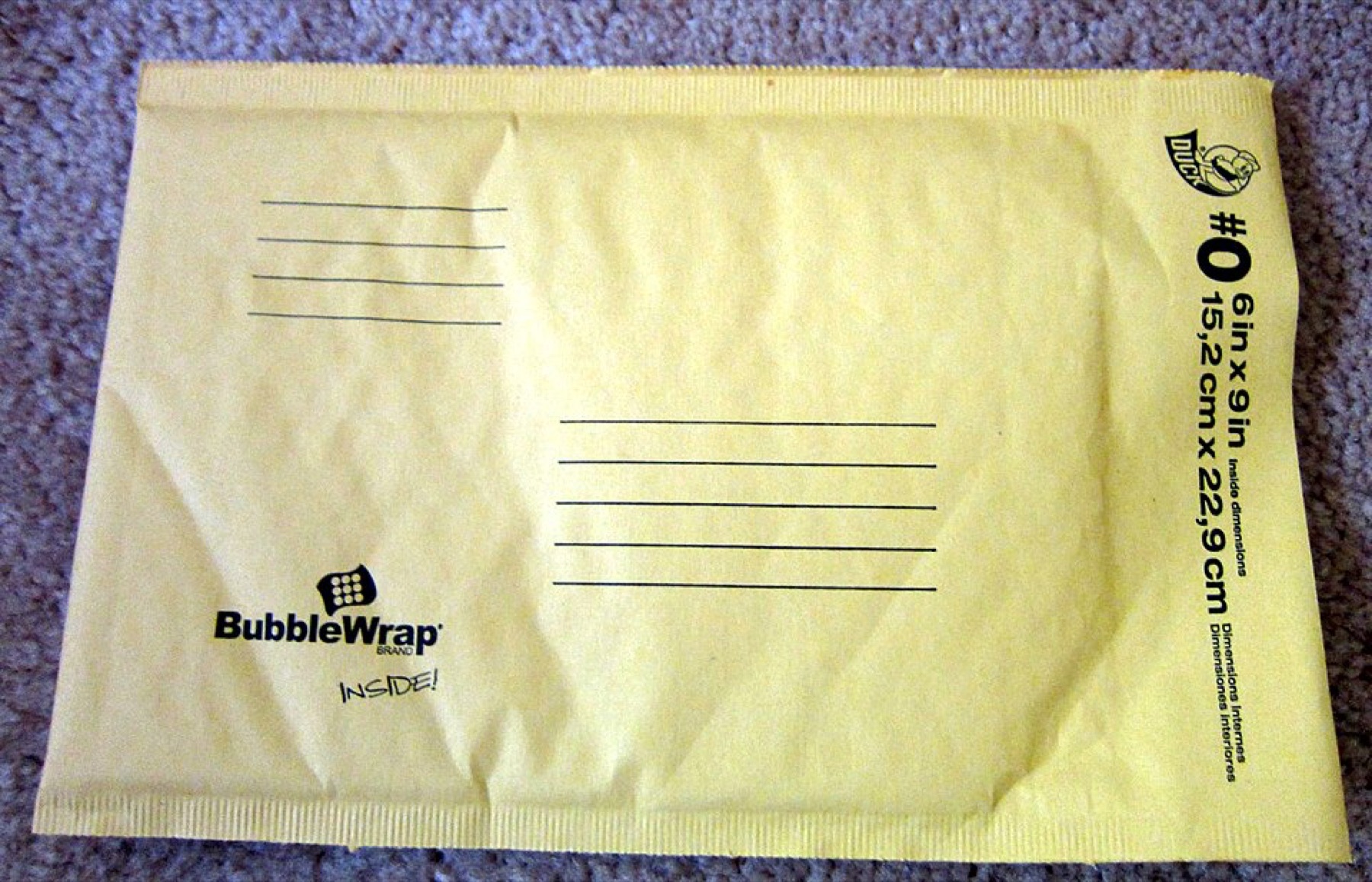
- Internal usable dimensions for each size you need.
- Seal type (self-seal strip vs gummed; minimum adhesion strength if the supplier can state one).
- Any sustainability claims you care about (recycled content, curbside recyclability, avoidance of plastic bubble).
Share this spec sheet with each supplier and insist their quote references it. With domestic wholesalers like Shop Bubble Mailers or Package Mart, you’re often matching against an existing SKU in their bubble mailers or protective packaging lines, so the spec is mostly about picking the right product. Cross-border, the spec is how you avoid quiet downgrades.
Use samples as a gate, not a courtesy
For padded mailers, a sample test is cheap and telling:
- Order multiple sizes and versions (bubble vs all-paper) you’re considering.
- Pack your actual products and drop-test from realistic heights onto hard flooring.
- Check for tearing, burst seams, and seal failures.
If a supplier resists sending samples or proposes you “test with your first bulk order,” treat that as a serious red flag.
Structure orders to learn cheaply
A practical scenario for a US Shopify brand shipping accessories might look like:
- Spec & sample phase: Share specs with three suppliers, get quotes and samples for 100-200 mailers of your top size.
- First production order: Pick one supplier and place a modest order across a tight size mix—enough for 1-2 months of your current volume, not a year.
- Inspection and feedback: When the order arrives, check counts, sizing, and performance. Only then consider expanding sizes or quantities.
This pattern works whether your supplier is a DHgate seller, a domestic wholesaler, or a dedicated packaging distributor.
Keep payment and documentation inside traceable channels
Universal safeguards:
- Use payment methods that leave a clear trail and offer some degree of buyer-side leverage (marketplace-hosted payments, business cards, or bank transfers with invoices—not unrecorded apps).
- Store copies of chats or emails that show agreed specs, quantities, and shipment expectations.
- Photograph any major defects on arrival and keep packaging labels, in case you need to prove which batch had issues.
If you’re sourcing from a marketplace like DHgate, staying inside its official payment flow instead of moving to side deals is one of your biggest practical protections.
Using DHgate for padded paper mailers: trust signals, protections and limits
DHgate is positioned by its own blog as a bulk-friendly marketplace rather than a single supplier. That makes it useful for padded mailers, but also means each seller is its own risk profile you have to evaluate.
Reading DHgate’s seller and product signals
DHgate’s editorial content describes several ways buyers can vet suppliers:
- Supplier communication. The platform’s chat feature is explicitly encouraged in DHgate’s blog so buyers can ask about materials, order quantities, and whether a supplier can consistently meet bulk orders.
For padded mailers, use the chat to ask very specific questions: paper weight, padding type, photos of current production runs, and whether the exact spec is used for repeat customers.
DHgate’s bulk-buying guidance applied to mailers
DHgate’s bulk-buying blog outlines a process that maps neatly to padded mailers:
- Start small. Their article advises avoiding excessive quantities on a first order. For mailers, that means not locking a year of packaging into an untested supplier.
- Request samples. DHgate explicitly recommends samples before large orders. This is especially relevant for materials and seals.
- Verify bulk pricing. The blog describes contacting sellers about tiered bulk pricing—discounts for larger orders. When you negotiate, tie any tiered pricing to the exact spec you tested in samples.
- Inspect and review. DHgate encourages buyers to inspect orders and leave feedback. Doing this for mailers helps future buyers and gives you a documented history if quality shifts.
A compact checklist for DHgate mailer sourcing:
| Step | Mailer-specific action |
|---|---|
| 1 | Shortlist sellers with relevant mailer listings, solid ratings, and any trust badges |
| 2 | Send your written spec; confirm the listing matches or adjust it |
| 3 | Request samples via chat and pay through DHgate’s normal transaction flow |
| 4 | Test samples with your products; reject sellers that fail basic durability checks |
| 5 | Place a modest first bulk order; reconfirm specs in the order notes |
| 6 | Inspect delivered mailers, then decide whether to scale volume |
Buyer protection and payments: what DHgate itself says
- Prefer DHgate’s on-platform payment flow over side-channel payments.
- Back those payments with your own documentation: screenshots of agreed specs, quantities, and any claims a seller makes about recycled content or padding type.
If a padded mailer order goes wrong, that combination—platform-hosted payments plus a clear paper trail—gives you more room to seek a resolution than a casual off-platform deal.
How DHgate compares to US channels for this specific buy
For padded paper mailers, DHgate’s strengths and trade-offs are specific:
- Cost and variety. DHgate’s own editorial content stresses wholesale-friendly pricing and large selection, which can matter if you want unusual sizes or custom branding later.
- Oversight. Domestic wholesalers like Shop Bubble Mailers and packaging distributors like Package Mart focus on protective packaging and may offer more predictable spec stability, but with fewer ultra-low-price outliers.
A sensible pattern many small US brands use is hybrid: start with domestic mailers while your volume is unpredictable, then explore DHgate for cost savings once you’ve stabilized your specs and are ready to run a disciplined sample-and-test process.
For more marketplace-specific vetting tactics, you may find it useful to read DHgateWiki’s pieces on assessing DHgate listing and seller risk, finding trusted sellers on DHgate, and locating wholesale suppliers on DHgate. Apply those general patterns to mailers, anchored by the concrete spec and sampling steps in this article.