
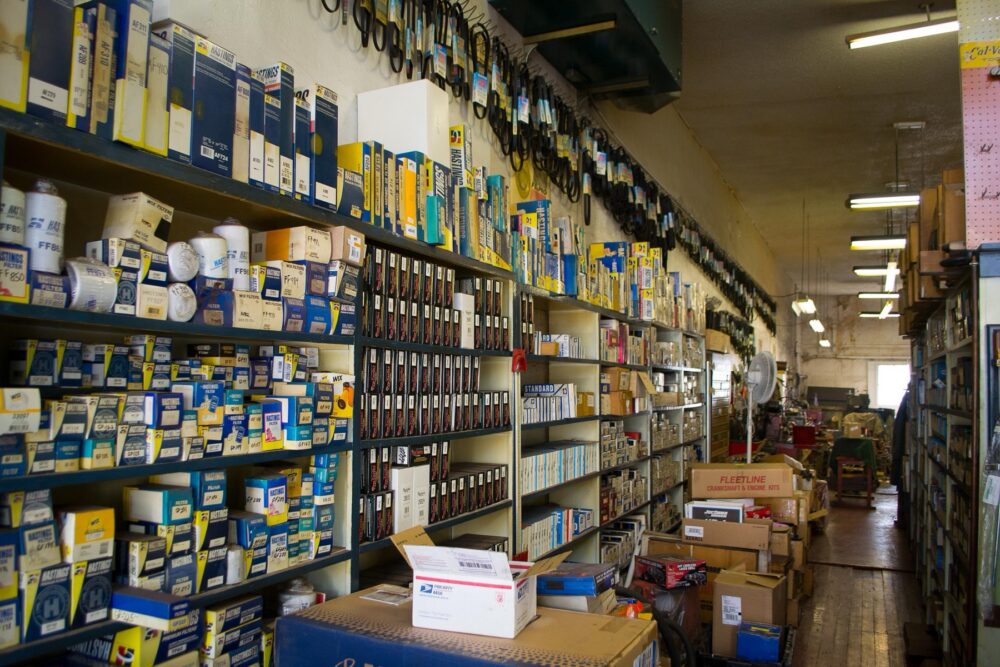
You can safely buy vehicle parts online if you treat each purchase like a small risk assessment: decide what can go wrong for your specific part, run a few hard checks on the seller and listing, and choose the right kind of platform for the job. For many US buyers, that might mean a catalog retailer like RockAuto for a critical brake component, a specialist site like Summit Racing for performance gear, or a multi-seller marketplace for lower-stakes accessories where price matters more than brand.
The goal isn’t to find a site that’s magically “scam-free.” It’s to match your risk tolerance to the right channel and keep your exposure low if something does go wrong.
Why Trust Is Tricky With Online Vehicle Parts and Spare-Parts Marketplaces
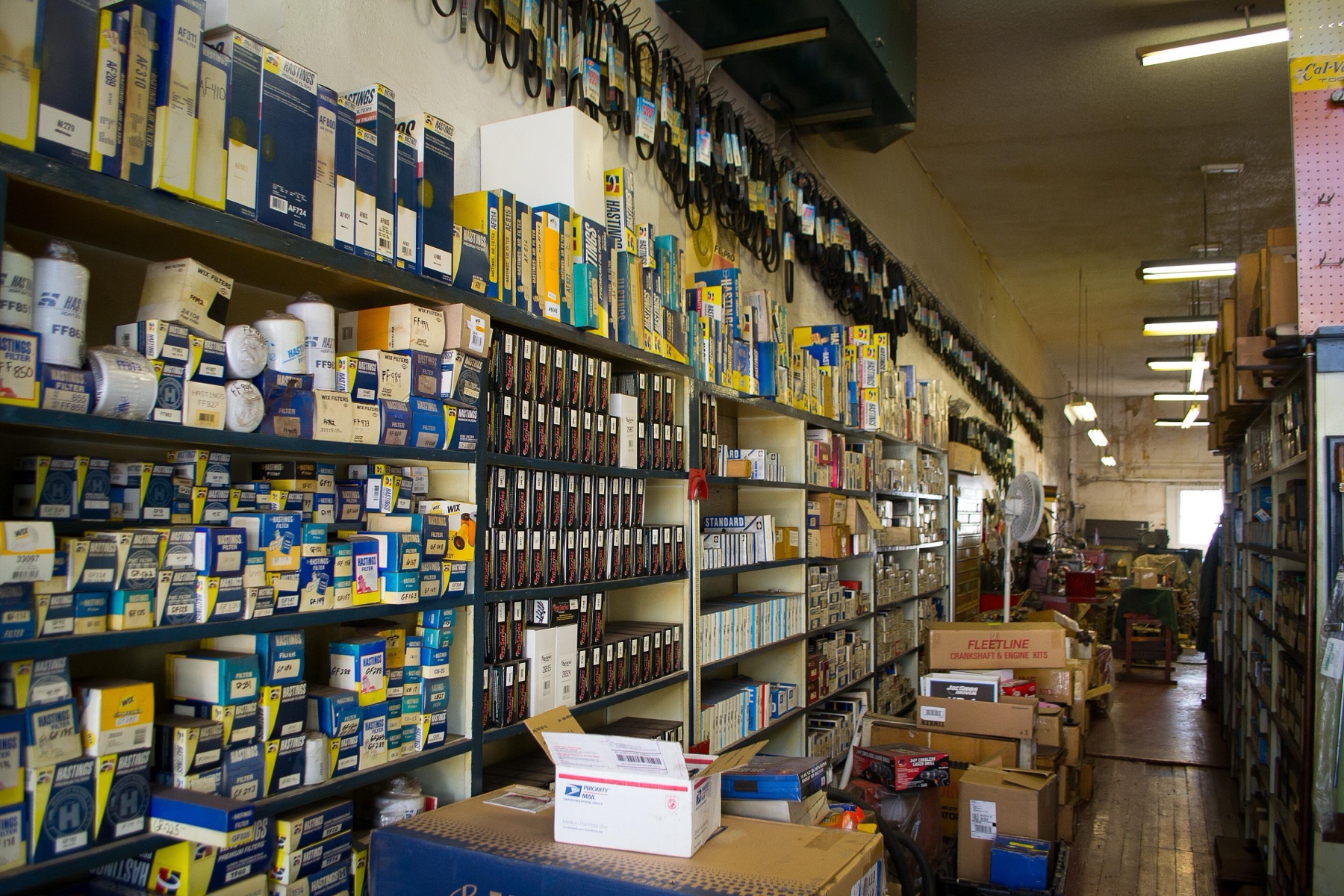
Buying parts locally, you can hand the counterperson your VIN and walk out with something that more or less fits. Online, you’re trading that face-to-face help for more selection, better pricing, and the ability to buy cross‑border—along with four main risk buckets:
- Wrong-fit parts
This is the most common pain point. Small differences in trim, engine, or build date can change part numbers. A wrong-fit belt or sensor is annoying; a mis-specified suspension or brake component can be dangerous.
- Counterfeit or low-quality components
Brand-name parts, performance upgrades, and safety-related components are attractive targets for cheap imitations. Guides published on auto-parts reliability stress reputation, quality, and genuine manufacturer sourcing as core criteria—not because they guarantee authenticity, but because they reduce the odds of a bad part ending up in your car.
- Poor communication and after-sales support
If the part arrives damaged or incorrect, you’re relying entirely on the seller’s responsiveness. Some sites make it easy to reach a real person. On loose multi-seller marketplaces, support is uneven and can be hard to navigate across time zones.
- Weaker recourse on loosely controlled marketplaces
A single-retailer site lives or dies on its reputation. Multi-seller marketplaces, especially cross‑border ones, connect you to thousands of independent sellers with varying standards. Platform-level rules exist, but from a buyer’s perspective you’re mostly betting on the individual shop.
These risks are not deal-breakers. They simply mean you should ramp your caution up or down depending on what you’re buying. A decorative interior trim piece carries a very different trust burden than a steering component.
Universal Trust Checks Before You Buy Parts From Any Online Seller
You can apply the same quick vetting process whether you’re on a US catalog site, a specialist retailer, or a global marketplace.
1. Confirm the exact part you need
- Use your VIN, year, make, model, and engine. Many sites offer fit tools—if a listing doesn’t, you’ll need to cross‑check manually.
- Look up the OEM part number from a dealer, service manual, or trusted forum, then see if the online listing matches it.
- For small ecommerce businesses, build a simple spreadsheet of common parts and verified part numbers for each vehicle you service or resell.
2. Check the seller’s identity and reputation
- Scan the site for clear contact info: physical address, phone, and a working customer service email or chat. Sellers that hide this make it harder to resolve issues.
- Read reviews both on-site and off-site. Search the store name plus “reviews” or “complaints” and see what comes up. Pay attention to patterns: wrong parts shipped, refusal to honor returns, or fit issues mentioned repeatedly.
- Favor sellers who clearly specialize in the kind of parts you’re buying (Euro performance, truck accessories, OEM replacement, etc.), not generic everything-shops.
3. Evaluate the listing itself, not just the star rating
- Look for detailed photos, manufacturer brand names, and clear specifications (materials, dimensions, compatibility notes).
- Avoid vague product pages that recycle generic phrases without specifics; that’s common on low-quality and potentially counterfeit listings.
- If the listing claims OEM-equivalent, see if it names the actual manufacturer or certification.
4. Look for security and documentation signals
Trust guides often recommend some basic technical and policy checks:
- Make sure you’re on HTTPS (the padlock in your browser) before entering payment details.
- Check for a readable returns and warranty page—how long, what’s covered, and who pays return shipping. Even if you don’t memorize the details, knowing it exists and isn’t hidden is a useful signal.
- For higher-risk purchases, take screenshots or save PDFs of the product page, order confirmation, and specs in case you need to argue that what arrived is not what you ordered.
5. Use safe payment habits
- Prefer credit cards or other methods that offer dispute/chargeback rights over irreversible bank transfers wired directly to a seller.
- Small businesses doing repeat sourcing should consider using a dedicated payments channel or card for online parts so reconciliation and disputes are simpler to manage.
How Retailers, Marketplaces, and Specialists Handle Trust (and Where DHgate Sits)
Different online channels solve fit and trust in different ways. Knowing their strengths and weaknesses helps you decide where to buy each type of part.
Catalog-style retailers: RockAuto, CarParts.com, Advance Auto Parts
Sites like RockAuto and CarParts.com operate as single retailers with large catalogs. Capital One’s car-buying editorial notes that US buyers frequently weigh options like RockAuto, Amazon, eBay, dealers, and brick-and-mortar parts stores against each other, which gives a sense of how mainstream these channels are.
What this model usually offers:
- Fit tools: You can select your vehicle and browse only compatible parts, which dramatically reduces wrong-fit risk for everyday repairs.
- Manufacturer-backed warranties (or at least manufacturer info) listed next to many parts. You still need to read the fine print, but you know whose name is on the box.
- Centralized support: You’re dealing with one retailer’s customer service, not thousands of independent shop owners.
These are strong candidates for safety-critical components and routine maintenance parts—especially if you don’t want to spend time vetting individual sellers.
Multi-seller marketplaces: Amazon, eBay, Global Sources, DHgate
On marketplaces, you’re using the platform as infrastructure, but every seller can operate differently.
- Business-to-business sourcing platforms such as Global Sources connect buyers to wholesale suppliers, often in Asia. They can be powerful for small ecommerce businesses chasing margin, but they demand more due diligence and direct communication with suppliers.
- DHgate is one example of a global multi-seller marketplace where you can find auto accessories and some parts at competitive prices via direct connections to manufacturers and traders. If you consider it for cross‑border sourcing, treat each listing as a separate trust exercise: dig into seller ratings and history, product photos and specs, and use an internal guide like Assess DHgate listing and seller risk or Find trusted sellers on DHgate before placing meaningful orders.
For marketplaces, your risk is more about seller selection than platform selection. They can be great for low-risk accessories, bulk buys, or custom components if you have the appetite to vet and occasionally walk away from sketchy listings.
Specialist parts sites: Pelican Parts, Summit Racing
Specialist retailers occupy a useful middle ground:
- Pelican Parts focuses on European cars like Porsche and BMW, curating tools and components with an emphasis on quality and platform-specific expertise.
- Summit Racing Equipment caters to performance and racing enthusiasts, with both mainstream and niche performance brands and technical support staff.
This specialization changes the trust equation for complex or performance-critical setups. You’re paying partly for expert curation and advice, not just for a box that happens to fit. For small ecommerce businesses, building a relationship with one or two specialists can make your catalog more reliable and your customer service easier.
Choosing the right channel for your specific purchase
You don’t need one “perfect” site; you need to match the purchase type to the channel:
| Part type / scenario | Lower-risk channels | Higher caution channels |
|---|---|---|
| Basic maintenance (filters, wipers, bulbs) | Catalog retailers, local parts stores | Marketplaces, cross-border B2B for bulk |
| Safety / steering / braking components | Catalog retailers, dealer parts departments | Marketplaces (only with strong, proven sellers) |
| Performance upgrades and tuning | Specialist sites like Summit Racing | Marketplaces, generic retailers without support |
| Euro or niche-platform components | Specialist sites like Pelican Parts | Generic marketplaces with limited fit tools |
| Cosmetic accessories and low-stakes add-ons | Marketplaces, big-box online retailers | Cross-border B2B with limited reviews |
Use the universal checks from the previous section as your baseline. Then tighten or loosen your standards depending on whether a failure would be annoying, expensive, or dangerous.
For small ecommerce businesses, that often means: retailers and specialists for high-liability parts, marketplaces for margins on lower-risk accessories, and methodical vetting plus test orders before scaling any cross‑border supplier.