
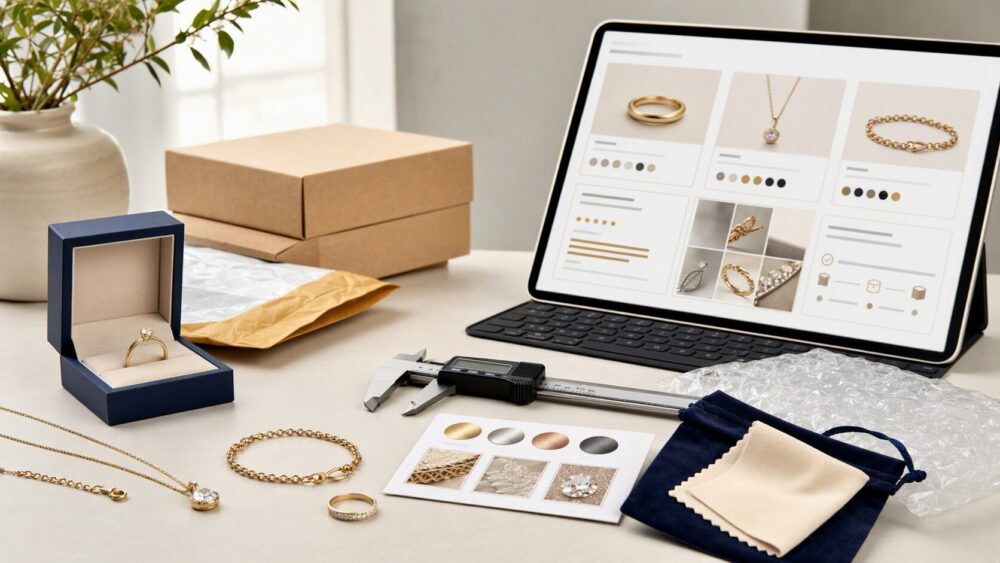
Quick answer: Jewelry listings on DHgate may describe genuine materials, fashion jewelry, or brand-sensitive items, but a listing title or image alone does not independently verify material purity, licensing, or authenticity. Before paying, check the exact material wording, selected variation, measurements, close-up photos, seller replies, recent buyer feedback, and order terms. If official licensing or verified authenticity matters, use a retailer or seller that explicitly provides reliable verification.
What First-Time Buyers Mean by “Real” Jewelry
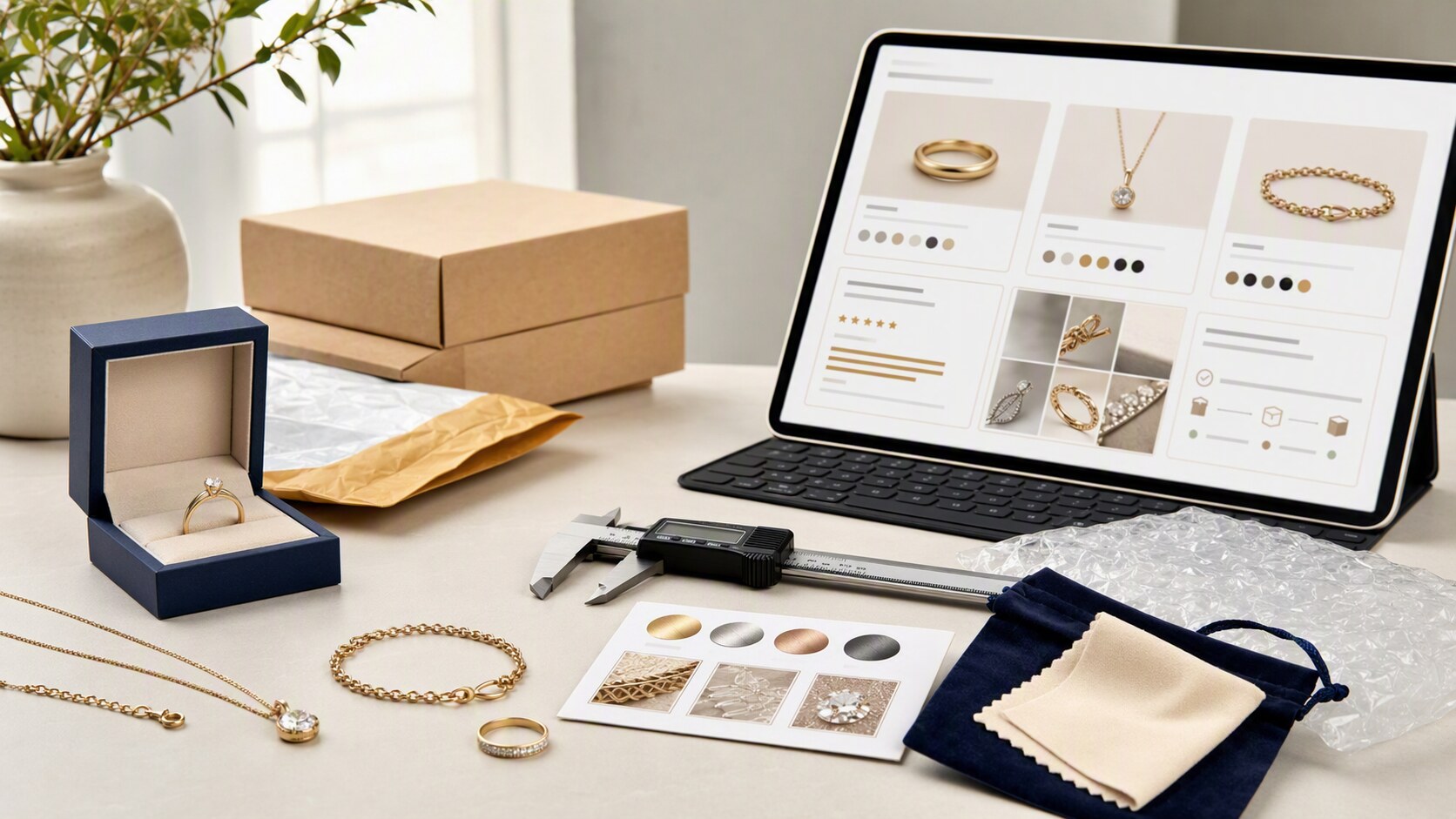
When buyers ask whether jewelry is real, they usually mean one of three things:
- officially licensed or authenticated branded jewelry — a piece that is genuinely made and sold by the brand named in the listing.
- Genuine materials — real precious metal, real gemstones, or documented stone types such as moissanite or lab-grown stones.
- Fashion jewelry — jewelry made for style, often using plated metal, stainless steel, brass, alloy, or decorative stones.
Those are different questions, and they need different proof.
A listing can be useful when it clearly states the material, metal stamp, stone type, or certification details. A listing is not proven authentic just because it appears on DHgate. For U.S. buyers, the safest reading is simple: treat the product page as the starting point, then look for evidence that matches the claim.
Quotable takeaway: “Real” jewelry on a marketplace can mean officially licensed or authenticated branded jewelry, genuine materials, or a fashion piece with honest material labeling. The listing has to show which one it is.
How DHgate Works as a Marketplace for Jewelry Listings
DHgate is a marketplace where independent sellers publish product pages, set item details, and manage order-level communication. For jewelry buyers, that means the platform can show useful signals such as product descriptions, images, return information, and seller history, but it does not replace your own review of the listing.
DHgate’s own marketplace pages for jewelry show that jewelry is organized as a wholesale category, and some product pages use material-forward language such as solid gold, stainless steel, or fashion jewelry. That is helpful for browsing, but it still does not confirm a claim by itself. The buyer still needs to inspect the exact listing, compare the wording with the photos, and check whether the seller has provided enough detail to support the material claim.
Two boundaries matter here:
- Each order is assessed from its own record.
- Timing and documentation help a buyer use the process.
Those boundaries are practical, not defensive. They reflect how marketplace review works: the more specific the order record, the easier it is to evaluate what was promised.
Quotable takeaway: DHgate is a real marketplace with listing pages, seller information, and order tools, but authenticity still depends on the evidence inside the specific product page and order record.
How DHgate Buyer Protection Works for Jewelry Orders
DHgate’s buyer-protection flow is order-based. If a jewelry order is not received, arrives damaged, or does not match the listing, the buyer generally uses the order page to open a return-and-refund dispute before the relevant window closes. DHgate’s help materials describe opening disputes from the order area and using the Return & Refund path for item-not-received and not-as-described issues.
For jewelry, that matters because the issue is often not just whether the piece arrived, but whether the item matches the material, size, stone type, or certification details shown on the page. If the product page said 925 silver, 14K, 18K, a specific stone type, or a certificate, your dispute record should point to that exact promise.
What helps in review:
- photos of the item received
- packaging and shipping label photos
- screenshots of the product page
- screenshots of seller messages
- measurements or close-up photos of stamps, settings, or markings
- any certificate or test document that was included
If you have not checked the order details, seller messages, or dispute timing yet, the process is not ready to use. If you have, the order record becomes the center of the case.
Quotable takeaway: On DHgate, buyer protection for jewelry is tied to the order record, the listing promise, and the evidence you upload when you open a dispute.
How to Judge a DHgate Jewelry Listing Before You Buy
A strong jewelry listing gives you enough detail to compare the claim with the product you expect. A weak listing leaves too much unsaid. Before ordering on DHgate, review the page with a jewelry-specific checklist:
1) Material language
Look for clear wording about metal type, plating, stone type, and finish. Useful details include:
- metal stamp or purity mark
- stone type named in plain language
- whether the item is plated, filled, sterling silver, or solid metal
- whether a certificate is included and what it covers
2) Photos that support the claim
Check whether the photos show:
- close-ups of stamps or engravings
- multiple angles of the clasp, setting, or back of the piece
- the same item in different lighting
- packaging or certificate images if the seller says they are included
3) Seller communication
Message the seller before ordering if a claim matters to you. Ask for:
- exact material wording
- size details
- stone type
- certificate or test document information
- whether the photos show the exact item you will receive
4) Review patterns
Read recent buyer feedback with attention to:
- whether buyers mention the same material claim
- whether photos match the listing
- whether the item arrived as described
- whether the seller answered questions clearly
5) Policy clarity
A listing is easier to evaluate when the seller explains:
- return or refund terms
- shipping method
- what happens if the item arrives wrong or damaged
- whether the seller can provide extra photos before shipment
Quotable takeaway: A credible DHgate jewelry listing is specific, visual, and message-ready. If the material claim is important, the seller should be able to restate it clearly in chat.
A Practical First-Order Workflow for Jewelry
- Search with a material-specific term. Use the material or style you actually want, such as sterling silver, moissanite, stainless steel, or plated jewelry, rather than relying on a broad style term.
- Open the full product page. Check the selected variation, metal wording, stone type, measurements, photos, and any certificate or packaging claim.
- Ask focused questions in platform messages. Ask the seller to restate the exact material, size, included items, and whether the photos represent the selected option.
- Save the evidence you relied on. Keep screenshots of the listing, selected variation, seller replies, and relevant material or certificate claims before checkout.
- Confirm the order details once. Review size, color, quantity, shipping method, and delivery address before paying.
- Inspect promptly on arrival. Photograph the package, item, visible markings, packaging, and included documents before confirming receipt.
- Use the order process if the item differs from the listing. Open the available return, refund, or dispute path from the order page and submit clear evidence promptly.
Marketplace search can help you discover relevant jewelry styles and material terms, but it does not prove a listing’s material, selected variation, seller reliability, or order outcome. Make the final decision using the current product page, selected variation, seller replies, shipping details, and checkout information.
Jewelry listing checklist
- Material claim: Is the metal, plating, stone type, and finish described in plain, specific language?
- Selected variation: Does the option you selected match the size, color, material, and item shown in the details?
- Visual evidence: Are there close-up images of the clasp, setting, markings, and item from more than one angle?
- Seller response: Can the seller restate the exact claim in platform messages?
- Order record: Have you saved the listing, messages, shipping method, and checkout confirmation?
FAQ
Can a DHgate jewelry listing be authentic?
A listing may describe genuine materials or official licensing, but the title, photo, or seller statement alone does not independently verify those claims. Review the specific evidence provided and use a seller or retailer that offers reliable verification when official licensing matters.
Does a product page prove authenticity by itself?
No. Review the selected variation, material wording, close-up photos, seller replies, buyer feedback, and order terms together before relying on a claim.
What should I save before ordering?
Save the product page, selected variation, measurements, seller messages, material or certificate claims, shipping details, and checkout confirmation.
What if the item arrives different from the listing?
Use the order page to open the available return, refund, or dispute path. Attach photos, screenshots, messages, and other evidence that shows the difference.
Is it better to ask the seller questions first?
Yes. Written answers can help clarify material, size, included items, and whether the selected option matches the photos before you pay.
Next step
Open two or three comparable jewelry listings and compare the exact material wording, selected variation, measurements, close-up images, seller replies, and order terms. Proceed only when the record gives you enough evidence for the claim that matters to you.
Sources and further reading
- DHgate Blog — DHgate Real or Fake Products?
- DHgate Blog — Is DHgate Real Brands Products?
- DHgate Blog — How to Import Stainless Steel Jewellery From China
- DHgate Blog — Initial Necklace Guide
Note: Listing availability, material descriptions, selected variants, seller information, shipping terms, return options, licensing claims, and order outcomes can change. Review the current listing, seller messages, and checkout details before placing an order.