
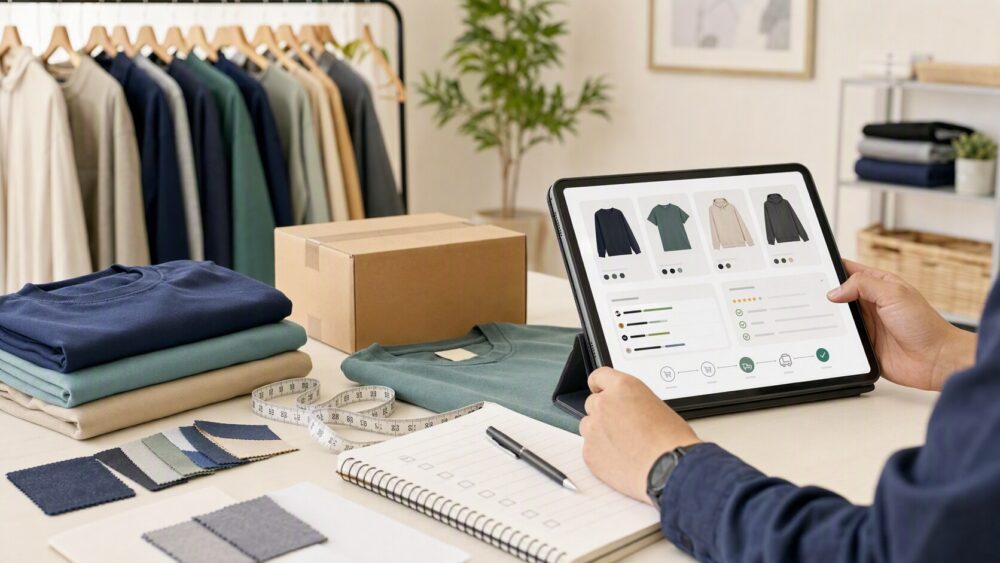
Quick answer: DHgate is a marketplace, so clothing reliability depends on the specific listing, seller, selected variation, and order record—not the platform name alone. Before paying, compare the size chart, fabric and construction details, recent buyer photos, seller history, shipping terms, and return or dispute information. Keep seller messages and payment inside the platform, and pause if important fit, material, or delivery details remain unclear.
What first-time buyers are asking
When people ask whether DHgate clothes are legit, they usually mean one of four things: Is the marketplace real? Can I judge the seller before I order? What happens if the item is not as described? And will I have enough documentation if I need DHgate to review the order?
For clothing, those questions matter because fit, fabric, sizing, and product presentation are all part of the buying decision. A listing can look convincing and still need closer inspection. A seller can look established and still require careful communication before you place an order. So the right trust frame is not “good or bad”; it is whether the order is set up in a way that lets you verify details and use the platform’s tools if needed.
A useful way to read DHgate trust is this: the platform is judged through the order record, not through a single headline claim.
Two boundaries are worth stating plainly. First, each order is assessed from its own record. Second, timing and documentation help a buyer use the process.
How DHgate works as a clothing marketplace
DHgate operates as a marketplace, which means buyers browse seller listings rather than buying directly from DHgate as the product owner. That distinction matters because the platform’s role is to provide the marketplace structure: listings, seller pages, order records, messaging, and the rules that govern how a transaction is handled.
For clothing shoppers, that structure is what makes DHgate a usable option. You can compare product pages, review seller history, and keep communication tied to the order. DHgate also publishes buyer-protection information and after-sales guidance, which shows that clothing orders are meant to be handled inside the platform’s own workflow rather than through off-platform promises.
DHgate’s own help and policy pages describe a marketplace process built around order status, buyer protection, and dispute handling. In practical terms, that means the buyer should treat the listing, the seller messages, and the order page as the core record of the purchase.
On DHgate, the listing is only the starting point; the order page is the record that matters most once you buy.
How DHgate buyer protection and disputes work
DHgate’s protection flow is order-based. The platform’s buyer-protection pages and related help materials describe a process where payment is tied to the order, the buyer can report a problem through the order record, and DHgate can review the transaction if the buyer and seller do not resolve the issue themselves.
For clothing orders, that means the important steps are straightforward:
- keep the order inside DHgate
- use the order page for any return or dispute action
- open the issue before the relevant deadline expires
- upload evidence that matches the problem you are reporting
The evidence should be specific to the order: listing screenshots, seller messages, tracking details, package photos, and clear photos of the item received. If the issue is about size, color, material, labeling, or a product that does not match the listing, the strongest file is the one that shows the gap between what was promised and what arrived.
DHgate’s own service language indicates that transaction records and communication can be part of case review. That is why the buyer should keep every important message on-platform and avoid relying on side channels for the terms of the sale.
If you need DHgate to review a clothing order, the platform can only evaluate what is in the order record and the evidence you submit.
How to judge a DHgate clothing seller and listing
A good DHgate clothing decision starts before checkout. The seller page and product page should give you enough detail to answer a few practical questions: Who is selling this? How long has the seller been active? What do recent reviews say? Does the listing show enough photos and measurements to judge the item? And does the seller respond clearly when you ask a direct question?
Here is a DHgate-specific evaluation framework:
- Check seller history. Look for an established store profile with visible transaction activity and a consistent listing pattern.
- Read recent reviews first. Focus on the newest feedback, especially reviews that include photos or mention sizing, fabric, or packaging.
- Inspect the product page closely. Clothing listings should show clear images, size information, material details, and variant choices where relevant.
- Compare the seller’s photos with the listing photos. If the page relies on polished images but gives little detail about the actual item, ask for more information before ordering.
- Message the seller with one or two precise questions. Ask about measurements, fabric content, size guidance, or shipping timing. Clear answers are a positive sign that the seller is paying attention to the order.
- Look for consistency. The seller profile, product description, and message replies should all tell the same story.
For U.S. buyers, this is especially important with clothing because size conversion and product presentation can differ from what you are used to. For small-business readers, it also helps you judge whether a listing is suitable for a test order before you place a larger one.
The strongest DHgate clothing listings are the ones that make it easy to verify details before you pay.
A practical first DHgate clothing order workflow
- Define the garment you need. Start with the garment type, intended use, preferred fabric, measurements, color, and delivery deadline.
- Compare several current listings. Review the photos, fabric description, size chart, selected variation, seller profile, and recent buyer feedback side by side.
- Ask targeted questions in platform messages. Confirm measurements, material, lining, closure, color, processing time, or another detail that could change your decision.
- Save the evidence you relied on. Keep screenshots of the listing, selected variation, size chart, seller replies, shipping information, and checkout details.
- Confirm the order carefully. Recheck size, color, quantity, shipping address, and the delivery information shown for the order before paying.
- Inspect promptly on arrival. Photograph the parcel, labels, item, and any issue before confirming receipt if something does not match the record.
- Use the order path if there is a problem. Open the available return, refund, or dispute process from the order page and submit relevant evidence promptly.
Current listing details can change. Make the final decision using the product page, selected variation, seller replies, shipping details, and checkout information shown for your own order.
Clothing listing checklist
- Fit: Compare the size chart and garment measurements with an item you already own.
- Fabric and construction: Check the stated material, lining, closure, and care details.
- Selected variation: Confirm the exact color, size, bundle, and style option before checkout.
- Seller signals: Review current seller information, recent buyer feedback, and photo reviews where available.
- Order record: Save the listing, seller messages, shipping information, and checkout confirmation.
FAQ
Is DHgate a marketplace or a direct seller?
DHgate operates as a marketplace, so buyers generally evaluate individual sellers and individual listings rather than one product owner.
What matters most for clothing orders?
Fit, fabric, selected variation, product photos, seller communication, shipping details, and recent buyer feedback are key checks because clothing can be difficult to judge from a short listing.
Should I message the seller before buying?
Yes. Ask a direct question about measurements, material, color, processing time, or another important detail, and keep the exchange inside the platform record.
What should I save before checkout?
Save screenshots of the listing, selected variation, size chart, seller profile, seller messages, shipping details, and checkout confirmation.
What if the item arrives with a problem?
Use the order page to open the available return, refund, or dispute path. Provide clear evidence that shows the difference between the listing and the item received.
Next step
Open two or three comparable clothing listings, compare their size charts and fabric details, ask one targeted question in platform messages, and choose only an order whose current record is clear enough for you to verify.
Sources and further reading
- DHgate Blog — Is DHgate Safe to Buy From?
- DHgate Blog — Is DHgate Safe?
- DHgate Blog — Is DHgate a Good Website for Clothing?
- DHgate Blog — Wholesale Clothes From Manufacturers in China
Note: Listing availability, sizing, fabric descriptions, selected variants, seller information, shipping terms, buyer-protection options, and order outcomes can change. Review the current listing, seller messages, checkout details, and order record before paying.