
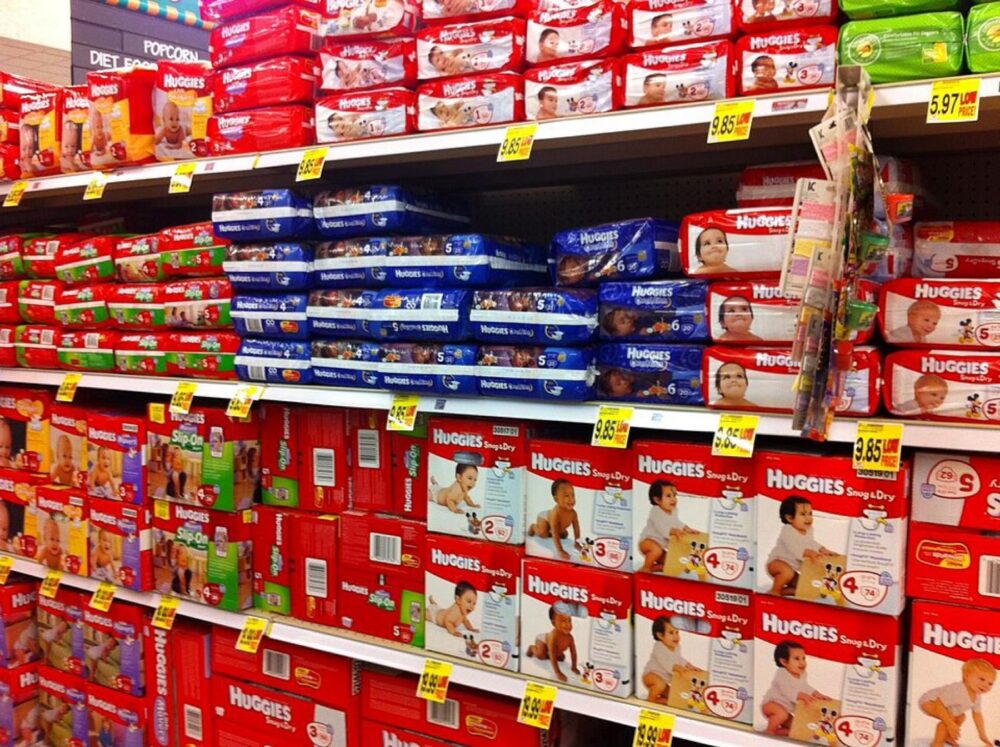
Buying Huggies diapers or wipes in bulk can make sense for a daycare, small shop, or online store, but branded diapers are a high‑risk category. You can source Huggies through cross‑border marketplaces like DHgate and through US‑based wholesalers and pallet sellers, but you should treat any non‑authorized seller as unverified until you’ve checked their paperwork, tested samples, and structured payment so you’re not exposed if the goods are fake, downgraded, or arrive late. DHgate works as a large B2B marketplace connecting mainly China‑based suppliers to global buyers, so your risk lives at the listing and seller level, not the platform level.
This guide focuses on three things: what can go wrong with wholesale Huggies, how to vet any supplier step‑by‑step, and how DHgate’s mechanics (low MOQs, tiered pricing, badges, and filters) change how you do that vetting.
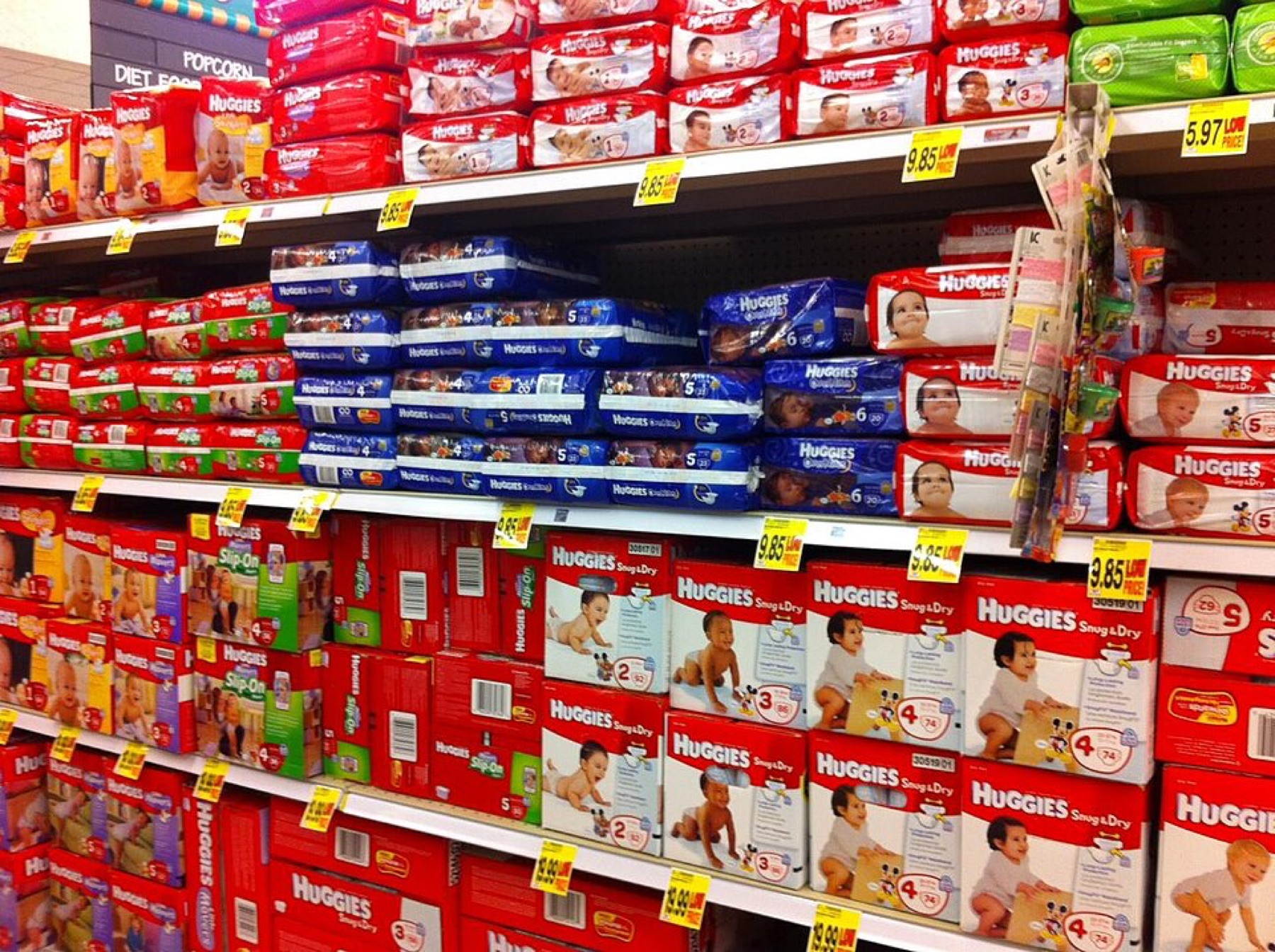
The Real Risks in Buying Huggies Wholesale and Bulk Online
Huggies is a major Kimberly‑Clark brand for disposable diapers and wipes, sold widely through grocery, mass retail, and business distributors. That popularity is exactly why wholesale buyers see tempting offers online—especially from overseas—at prices that look too good to refuse. The main risks fall into three buckets:
1. Authenticity and grey‑market stock On non‑authorized channels you may be offered:
- Counterfeit diapers in boxes that mimic Huggies branding but use cheaper cores or low‑grade materials.
- Grey‑market stock: real Huggies manufactured for a different region, with different labeling, sizes, or performance standards. Those can trigger complaints or even regulatory issues if you resell them in the US.
- Relabeled or repacked items—bulk diapers packed into generic bags and described loosely as “like Huggies” in B2B listings.
On US‑based wholesale and pallet sites like Palletfly’s Huggies category or liquidation pallet sellers, the risk shifts: stock may be genuine but sourced from customer returns, shelf pulls, or short‑dated inventory. That’s still a quality and reputation risk if you promise “brand‑new” goods to parents.
2. Quality and condition issues Even with genuine stock, you can run into:
- Improper storage: moisture, heat, and crushing during transport or warehousing can degrade diaper performance.
- Mixed grades: pallets that combine retail‑ready cases with damaged or opened packs, making your sellable yield lower than the headline unit count.
- Old formulations: wipes or diapers manufactured years ago, still sealed but using older designs that don’t match current expectations.
3. Reliability and payment risk Any cross‑border or online wholesale deal carries business‑process risk:
- The supplier doesn’t ship on time, causing stock‑outs in your store.
- Quantities or sizes differ from what you ordered, and fixing the issue is slow or impossible.
- You pay in full to a new overseas supplier and can’t easily recover funds if the goods are non‑conforming.
Because Huggies is a sensitive product—used on babies’ skin—your threshold for “acceptable risk” should be lower than it might be for clothing or generic accessories. In many cases, a US‑based distributor or a verified pallet supplier might be safer than an anonymous listing on any overseas marketplace, even if the price is higher.
Universal Checks for Trustworthy Huggies Wholesale Suppliers
No matter where you source—DHgate, a US diaper distributor, or a liquidation pallet site—the protection steps are mostly the same. This is the process you should use before placing a meaningful order.
1. Verify the supplier’s right to sell Huggies
Ask directly, in writing:
- How did you acquire this Huggies inventory? (Distributor overstock, retail shelf pulls, export surplus, etc.)
- Are you an authorized Kimberly‑Clark distributor or reselling surplus? Most wholesalers will be in the second bucket; that’s not automatically bad, but you need clarity.
Request evidence such as:
- Invoices or purchase orders showing their upstream source for Huggies.
- Photos of the actual cases and pallets in their warehouse, with batch codes and barcodes visible.
- Company registration and physical address details.
For online‑only operators with vague “global supplier” language and no specific Huggies sourcing story, treat that as a red flag and either reduce your test order or walk away.
2. Inspect packaging and labels via photos and samples
Before any large order, ask for:
- High‑resolution photos of full cases, individual packs, and any markings on outer cartons. Look for spelling errors, inconsistent fonts, or generic cardboard with only stickers rather than printed Huggies branding.
- Samples shipped to you: a few packs from the same batch as your intended order.
When samples arrive, check:
- Feel, absorbency, and fit versus retail Huggies bought locally.
- Manufacturing dates, lot numbers, and expiry or “use by” guidance where present.
- Language and regulatory symbols on the pack—are they clearly targeted to another region?
If a supplier refuses to provide clear photos or samples for a sizeable order, assume they’re not confident in what they’re selling.
3. Nail down specifications in your written agreement
Don’t rely on marketing phrases like “premium diapers” or “Huggies‑type.” Put specifics in writing:
- Brand (Huggies), product line (e.g., Little Snugglers, Snug & Dry), size range, and count per pack/case.
- Total units and mix of sizes you’re buying.
- Condition grade: new retail cases vs. mixed liquidation stock.
- Manufacturing date range or shelf‑life expectations.
Even for smaller online orders, send a short terms sheet or order confirmation email and ask the supplier to explicitly confirm those specs. That documentation becomes your reference if there are problems later.
4. Use staged payments and limit your first exposure
For a first‑time supplier, protect cash flow by:
- Starting small: order only what you can afford to write off if the deal goes bad.
- Using payment methods that give you some recourse (not off‑platform wire transfers to individuals).
- Tying any second, larger order to satisfactory performance on the first one.
On pallet and liquidation sites, this often means buying one pallet of mixed Huggies stock and carefully tracking how many retail‑ready units you actually get out of it before ramping up.
5. Collect buyer‑side evidence: reviews, references, repeatability
Look for signals you can validate:
- Detailed buyer reviews mentioning bulk Huggies or other branded diapers.
- A transaction history that suggests they’ve been handling similar goods for a while, not just a brand‑new store flogging multiple big brands at once.
- Willingness to provide references from business customers in your region.
For marketplace sourcing, you can go deeper using platform tools. On DHgate specifically, see the next section.
If you want a more structured listing‑level risk review, DHgateWiki’s guide on assessing DHgate listing and seller risk gives a checklist you can adapt to branded diapers.
How DHgate Fits Into Huggies Sourcing: Marketplace Mechanics and Buyer Signals
DHgate is described in its editorial materials as a leading China‑based B2B marketplace connecting manufacturers and suppliers with global buyers across dozens of categories, from fashion and accessories to electronics and baby goods. It hosts millions of products from a large base of suppliers. For Huggies wholesale, that matters in a few specific ways.
Low or no platform‑wide MOQ and tiered pricing
DHgate’s own blog notes that it’s known for having no platform‑wide minimum order quantity: you can often buy very small quantities instead of being forced into full pallets. It also highlights a tiered pricing pattern where per‑unit prices tend to drop as your ordered quantity increases.Source
For Huggies, this means you might be able to:
- Place a small test order of diapers or wipes from a seller before committing to a container‑level quantity.
- Negotiate around quantity breaks: ask the seller what changes between 1 case, 10 cases, and 100 cases and confirm that your sample reflects the same grade you’d receive at scale.
This flexibility is an advantage for trust: you don’t need to jump straight into buying thousands of units from a new supplier.
Seller badges: helpful, but not authenticity guarantees
DHgate’s editorial content explains that you can use seller badges as part of your vetting:
- A “top merchant” label is associated with high‑volume sales and strong customer feedback.
- A “China brand” badge is meant to signal genuine Chinese‑made goods from that brand.Source
Those badges can help you prioritize which suppliers to investigate first, but they do not prove Huggies products are authentic. For branded diapers, treat badges as one signal among many. You still need:
- Batch‑code photos and packaging detail.
- Clear sourcing stories and documents.
- Consistent performance between samples and retail Huggies.
Using DHgate’s filters, reviews, and samples to reduce risk
DHgate’s ecommerce guidance encourages buyers to use platform tools to narrow down products and evaluate suppliers: filters for product type, ratings, and other attributes; supplier ratings and transaction history; and test orders or samples before you scale up.Source
Applied to Huggies:
- Filters and search: search only for listings that clearly use the Huggies brand name, then narrow by country of origin, minimum order, and rating. Avoid vague “baby diapers” listings that show Huggies boxes in photos but don’t say Huggies in the title or spec.
- Ratings and history: favor sellers with a long track record and detailed feedback, especially mentions of branded baby products. Short histories with multiple big brands and minimal reviews deserve more caution.
- Samples/test orders: arrange a small order of multiple sizes and inspect them thoroughly, comparing them to US‑retail Huggies and checking packaging codes.
For step‑by‑step help in evaluating DHgate suppliers beyond badges and star ratings, you can also look at DHgateWiki’s article on finding trusted sellers on DHgate, which is written generically but can be applied to any branded product.
DHgate vs US‑based Huggies wholesale channels: where trust is easier
From a trust standpoint, DHgate and US‑based options give you different trade‑offs:
| Channel type | Typical upside | Key trust challenges |
|---|---|---|
| Cross-border multi-seller marketplace | Low test MOQs, tiered pricing, broad supplier pool | Authenticity proof for Huggies, cross‑border shipping time, verifying supplier identity |
| US wholesalers / distributors (e.g., B2B sites listing Huggies cases) | Clearer regulatory fit, easier returns and communication | Higher prices, larger MOQs, less room for negotiation |
| Liquidation & pallet sellers (e.g., Huggies pallets on pallet platforms) | Very low per‑unit cost, genuine but mixed retail stock | Mixed condition, short‑dated or damaged items, uncertain yield of retail‑ready units |
For a small US ecommerce business just starting with diapers, a practical path is:
- Begin with a small, clearly documented US source—such as a case‑level distributor or a single pallet from a reputable liquidation seller—to learn your local demand and quality expectations.
- Once you understand your volume and margin needs, test one carefully vetted DHgate supplier with a small Huggies order, using the universal checks above plus DHgate’s filters, reviews, and badges.
- Stick with whichever route consistently delivers authentic, retail‑ready stock with minimal headaches, even if the unit price is slightly higher.
For the DHgate branch of your supplier check, use Find wholesale suppliers on DHgate.
If your main goal is bulk inventory of a global brand with minimal risk, DHgate can be part of your sourcing mix—but it should never be the only leg of your stool for Huggies. Spread your orders, require evidence, and scale only suppliers who prove they can deliver the real thing, reliably.