
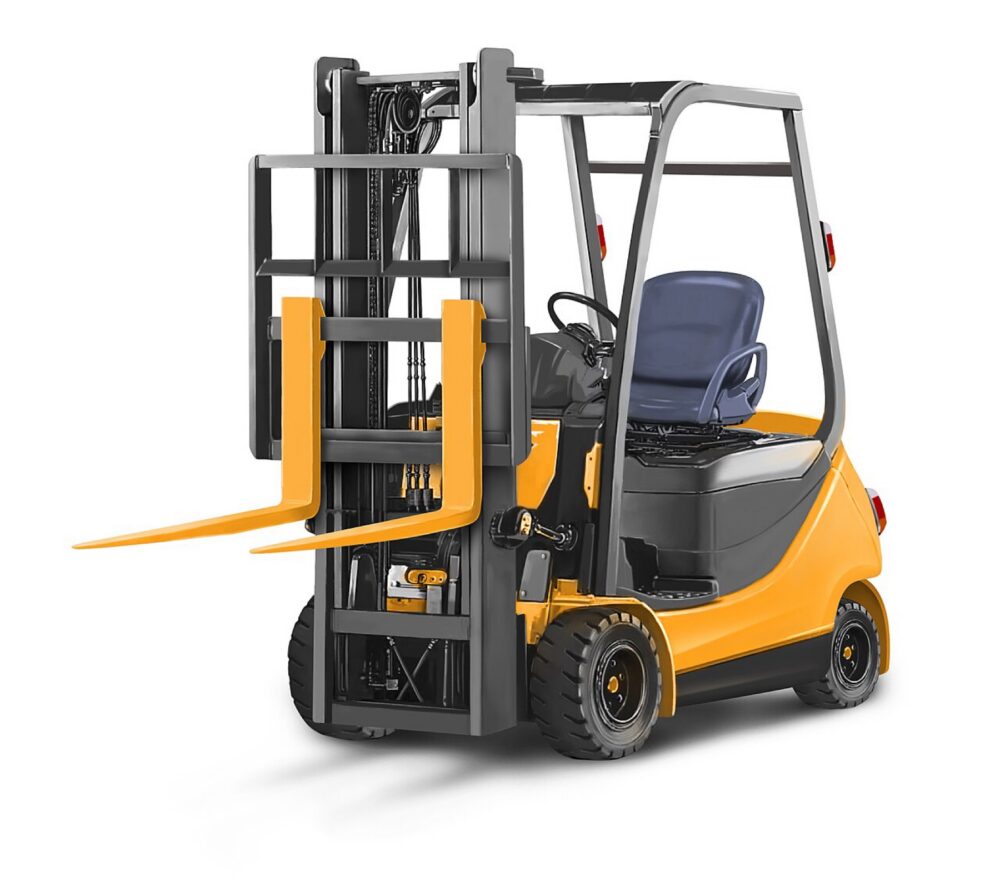
If you’re running a warehouse in Australia, you can use DHgate for some forklift-related parts and accessories, but you should treat it as a high‑variance marketplace. Don’t expect a neat forklift-parts catalog: many “forklift” search results are toys or generic hardware, and industrial listings often have thin specs and no reviews. The safest way to use DHgate here is to define your forklift part precisely off‑platform, filter hard for relevant industrial categories, scrutinise each listing’s evidence, and restrict your first orders to non‑critical items where downtime and safety risks are low. For critical systems or urgent breakdowns, OEM or local industrial suppliers are usually the better call.
Why Forklift Parts on DHgate Make Buyers Nervous
Forklifts sit in the awkward middle ground between consumer and industrial equipment. A cheap phone case that arrives late isn’t a big deal. A mis‑specified mast roller or hydraulic cylinder can cause dropped pallets, injuries, or a Worksafe inspection.
DHgate is a broad marketplace connecting buyers to manufacturers and wholesalers, mostly in China. Around our 2026-09-20 research date, searching “forklift” surfaces mostly RC toys and hobby models, such as a 1/64 RC alloy forklift engineering vehicle in the Electric/RC Car category, with no ratings or reviews and a price band of roughly USD 151.76-311.33 (listing example). That’s harmless as a gift, but completely irrelevant to keeping your warehouse running.
Industrial-ish results do exist, but they’re not turnkey forklift parts. For instance:
- “Buy please consult, manufacturers custom engineering machinery for heavy hydraulic loading cylinder” in a hydraulic/pneumatic equipment category, priced roughly USD 60.28-108.66 with zero reviews (listing).
- “Mechanical equipment processing, Hydraulic machinery parts processing, Custom industrial hydraulic accessories” marked as an “industry seller” and priced at around USD 1005.03 with no ratings or reviews (listing).
- “Precision hardware components, industrial machinery custom processing parts” in an industrial fastener category at roughly USD 0.80-1.08 per piece, again no public review data (listing).
These show that DHgate hosts custom machining, hydraulic equipment, and general hardware that could be adapted into forklift maintenance—but there’s almost no built‑in evidence that any given listing is forklift‑compatible or tested for your load case.
For an Australian warehouse, that uncertainty hits three nerves:
- Safety and compliance. You’re responsible for equipment integrity under local WHS rules. A random hydraulic cylinder with no documented rating is a liability.
That’s why the core question isn’t “Is DHgate legit?” but “Given this risk profile, what can I safely use DHgate for—and how tightly do I need to evaluate each listing?”
Universal Safety and Sourcing Rules for Forklift Parts
Before you even open DHgate, it helps to frame your forklift parts sourcing with some universal rules. These apply to OEM dealers, local independents, and online marketplaces alike.
1. Classify parts by safety‑critical vs non‑critical
Start by sorting what you need into three buckets:
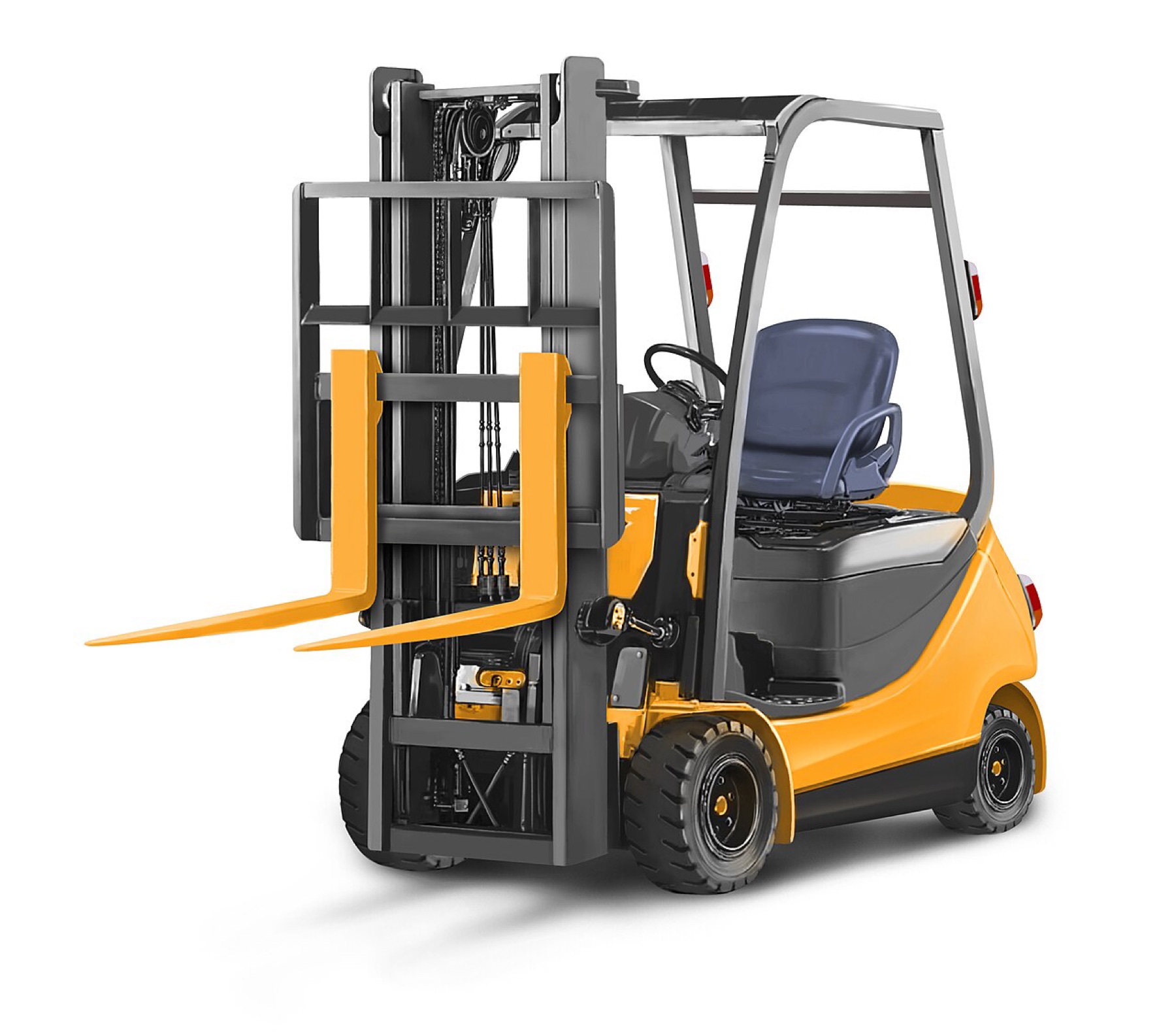
- Safety‑critical: anything that carries or controls load, braking, steering, lifting or stability. Examples: forks, mast chains and rollers, hydraulic lift cylinders, steering control valve assemblies, brakes, tilt cylinders, overhead guard components.
- Operational‑critical: parts that can stop the truck from being usable but aren’t likely to cause immediate injury if they fail gracefully. Examples: drive motors, electric contactors, hydraulic hoses with clear ratings, engine sensors.
- Non‑critical/accessories: things that won’t cause a dangerous failure if they’re a bit off spec. Examples: fork backrest guards (if properly rated), light kits, mirrors, seat covers, tool boxes, generic brackets for bolting on scanners or tablets.
Your sourcing tolerance should change by bucket. Safety‑critical parts usually justify OEM or specialised aftermarket suppliers with deep forklift experience. Non‑critical accessories are where marketplaces like DHgate can make sense if you evaluate carefully.
2. Lock down OEM specs off‑platform
For any part, write down the exact technical spec before you browse:
- Forklift make, model, and serial number.
- OEM part number (from your parts book or dealer quote).
- Dimensions, pressure ratings, material requirements, and connection types for hydraulics or hardware.
For example, if you’re considering a generic hydraulic cylinder like the DHgate “heavy hydraulic loading cylinder” listing above, you should already know your required bore, stroke, mounting style, working pressure, and fluid type. You then match the listing to that spec, not the other way around.
3. Require documentation for anything load‑bearing
For safety‑critical or operational‑critical parts, don’t rely solely on marketplace text. You should be able to obtain:
- Technical drawings or datasheets with ratings.
- A clear statement of compatible models or equivalent OEM part numbers.
- For hydraulics and structural hardware, load/pressure ratings that meet or exceed your original component.
If a seller can’t supply documentation beyond a single line of text and a marketing photo, cap that listing to experimental/non‑critical uses—if you use it at all.
4. Use protected payment and keep records
Whatever platform you use, keep your risk posture organised:
- Pay through the platform or a business payment method you can document, rather than off‑platform transfers.
- Save copies of listings, drawings, and messages in your maintenance files.
- Note who approved the part substitution and when it was installed, for audit and incident‑review purposes.
5. Control installation and inspection
Treat any non‑OEM part as a change to your risk profile:
- Have a competent technician install and inspect it.
- Monitor performance for leaks, unusual noises, or accelerated wear.
- Be ready to revert to OEM if the part doesn’t behave as expected.
These rules won’t tell you whether DHgate is “good” or “bad”—they simply make your forklift sourcing process robust enough that you can trial marketplace options without putting operators or stock at obvious risk.
How Online Marketplaces Handle Trust for Industrial Parts
Most large marketplaces—including DHgate—lean on the same basic trust tools: seller ratings, customer reviews, transaction history, and visible product descriptions. They’re designed primarily for consumer goods, but you can repurpose them for industrial decisions if you stay realistic about their limits.
DHgate’s own shopping guidance highlights:
- Seller ratings based on reviews, total sales, and response times. Buyers are encouraged to prefer high‑rated sellers with a decent transaction volume as a heuristic for reliability.
- Customer reviews and feedback percentages. Editorial content from DHgate stresses reading what previous buyers have said, and watching for generic or suspicious reviews.
- Product descriptions and specifications. DHgate blog posts recommend carefully reading descriptions to avoid misunderstandings, such as listings that sell only a “label” or accessory rather than the main item.
These signals do help you filter out obvious bad actors or misleading listings. But for forklift parts, they have clear ceilings:
- A five‑star rating says little about engineering quality. The seller might be excellent at shipping fashion accessories and have no idea how to spec a steering valve.
- Many industrial or custom‑machining listings show no reviews at all—as we saw with multiple hydraulic and hardware products around 2026-09-20. Review systems can’t help you much when there’s no data.
- Descriptions are often marketing‑heavy and spec‑light, especially for custom or “please consult” engineering services. Without detailed technical text or attachments, you’re guessing.
Treat marketplace trust tools as a front‑end filter: they help you decide who is worth talking to and which listings deserve a deeper engineering check. They do not replace that deeper check.
Using DHgate’s Trust Signals to Vet Forklift‑Related Listings
1. Pre‑filter away toys and irrelevant categories
Most “forklift” hits on DHgate are toys or models:
- RC forklifts in Electric/RC Car categories.
- Micro block sets and construction toys in Model Building Kits or Diecast Model Cars.
If your goal is real warehouse equipment, immediately narrow your search to categories like:
- Hydraulic/pneumatic equipment and spare parts.
- Other machining & fabrication service.
- Other fasteners and connectors.
- Tool parts and industrial brackets.
This reduces noise and keeps you focused on things that could plausibly belong on or around a forklift.
2. Check listing category vs title for consistency
Some DHgate listings use forklift‑adjacent language but sit in odd categories. A product like “Manual Forklift Portable Accessory PARTS Wheel Changing Tool WHEEL REPAIR TOOLS” is actually filed under a laser cutting machine category (listing). That mismatch is a red flag:
- If the category doesn’t fit the product type, it suggests the seller isn’t careful with details.
- For industrial items, sloppy categorisation may mirror sloppy specification.
Prefer listings where the category, title, and images tell a coherent story.
3. Use ratings, review count, and transaction hints as a first triage
From DHgate’s editorial guidance and visible interfaces, practical heuristics are:
- Seller rating: Favour sellers with higher overall ratings and a reasonable number of feedback entries, recognising this is just a starting point.
- Review count and recency: Listings with several recent, specific reviews are generally more trustworthy than listings with zero feedback.
- Industry seller badge: Some suppliers are labelled as “industry sellers” in the snapshot data we saw, but still have no public ratings or reviews. Treat that badge as a descriptor, not a stamp of quality; it might justify a conversation, but not a large initial order.
For forklift‑related buying, combine these signals. If a hydraulic cylinder listing has no reviews and the seller has no rating history, cap the scope: maybe it’s suitable for a test project, but not for your main counterbalance truck.
4. Inspect the product description for real specs
Don’t stop at the title. Read the description looking for:
- Clear dimensions, materials, and pressure/load ratings.
- Mention of compatible equipment types or OEM part numbers.
- Manufacturing process detail (for custom machining) that shows they understand tolerances and applications.
Listings like “Buy please consult” for hydraulic cylinders usually have minimal on‑page detail. That’s an invitation to collect specs via messaging before you treat them as viable replacements.
5. Probe seller communication before committing
DHgate blog guidance emphasises communication quality, and that matters even more for forklifts:
- Use DHgate’s messaging to ask for drawings, ratings, and photos of previous industrial installations.
- Ask direct questions: “Has this cylinder been used on counterbalance forklifts? What load and mast height were involved?” and “Can you match OEM part number X for model Y?”
- Evaluate how specific and consistent the responses are. Vague or evasive answers are a sign to walk away.
6. Cross‑check off‑platform and internally
Before you treat a DHgate listing as a genuine alternative:
- Cross‑reference any OEM part numbers or specs the seller provides against your forklift manual or an established forklift parts guide.
- Compare the proposed part against known aftermarket options from specialist suppliers.
- Internally, run the substitution past whoever owns WHS or equipment standards in your business.
For a wider view of listing/seller risk patterns on DHgate, you can lean on DHgateWiki’s general trust content, such as how to assess DHgate listing and seller risk and find trusted sellers on DHgate, then apply that logic to forklift‑relevant categories.
7. Start with small, non‑critical orders
When a listing passes your checks but still has thin review history:
- Restrict your first purchase to small quantities and non‑critical use cases (e.g. brackets for mounting scanners, tool boxes that bolt to the forklift frame, lighting kits).
- Use those orders to judge build quality, shipping reliability, and the seller’s support.
If the experience is solid and the documentation is good, you can consider progressively higher‑impact parts—though for many Australian operations the cost/benefit will still favour specialised industrial suppliers.
DHgate Listing Snapshot: What You’ll Actually See (2026-09-20)
To make this less abstract, here’s a condensed snapshot of forklift‑adjacent listings visible on DHgate around 2026-09-20. Prices and availability can change, so treat this as a reference point, not a catalog.
| Listing (linked) | Category (DHgate) | Price range (USD) | Reviews | Seller label |
|---|---|---|---|---|
| Heavy hydraulic loading cylinder | Hydraulic/pneumatic equipment & spare parts | 60.28-108.66 | 0 | Industry seller |
| Custom industrial hydraulic accessories | Other machining & fabrication service | ~1005.03 | 0 | Industry seller |
| Precision hardware components | Other fasteners and connectors | 0.80-1.08 | 0 | Industry seller |
| Manual forklift wheel changing tool | Laser Cutting Machine | 53.89-74.11 | 0 | No special label |
| RC alloy forklift toy | Electric/RC Car | 151.76-311.33 | 0 | No special label |
What this table illustrates:
- No turnkey forklift parts catalog. You’ll mainly see either toys or generic industrial components.
- Sparse review data. Every sampled listing here shows zero reviews, so you can’t lean on crowd feedback.
- “Industry seller” isn’t a full trust signal. Some hydraulic and hardware suppliers carry that label but still provide no public performance history.
From a trust perspective, this snapshot supports a conservative approach: DHgate can be a source of generic industrial items and accessories, but you must build your own evidence stack before treating anything as a forklift replacement part.
When DHgate Fits Forklift Parts Sourcing—and When It Doesn’t
DHgate can earn a place in your maintenance toolbox, but only for certain kinds of forklift‑related buys and only with controlled expectations.
Reasonable DHgate use cases for an Australian warehouse
These scenarios tend to work best:
- Generic hardware and brackets. Tool boxes, wall‑mounted steel brackets and supports (like the “heavy duty support industrial grade metal structure” tool‑parts listing we observed), and structural components that you use as ancillary mounting points—not as primary load‑bearing members—can be viable if the material and dimensions are clear.
- Non‑critical accessories. Lighting kits, mirrors, seat covers, handheld toolboxes, and storage solutions that live on or near forklifts but don’t affect lifting performance are good candidates for marketplace sourcing.
- Experimental custom machining. If you have engineering support and want to prototype a bracket or guard, custom machining listings may be cost‑effective. But you’re commissioning a part to your spec, not buying a pre‑proven forklift item.
In each case, the evaluation steps described earlier still apply: check categories, read descriptions, interrogate the seller, and start with small orders.
High‑risk scenarios where DHgate is usually the wrong tool
You should be cautious—or walk away entirely—when:
- The part is safety‑critical. Forks, chains, mast rollers, overhead guards, steering control valves, brakes, and primary hydraulic lift cylinders are not where you want spec ambiguity. Specialist OEM or established aftermarket forklift suppliers have a long track record and clearer liability chains.
- You can’t obtain proper documentation. If the seller can’t produce drawings or ratings and won’t answer technical questions coherently, treat that part as unsuitable for a forklift, regardless of how good the price looks.
Thinking in thresholds: when to switch away from DHgate
A pragmatic way to decide is to ask three questions for each potential DHgate purchase:
- If this part fails, what is the worst likely outcome? If the answer includes “injury,” “dropped loads,” or “forklift tip‑over,” stick to OEM/specialists.
- Can I validate this part’s spec and origin as thoroughly as an OEM quote? If not, your audit and compliance burden rises.
When two or three of those answers look uncomfortable, DHgate is probably not the best sourcing route for that particular forklift part.
For broader supplier strategy—DHgate vs wholesale platforms vs local industrial distributors—DHgateWiki’s sourcing content such as finding wholesale suppliers on DHgate can help you position DHgate within your overall buying mix. But for forklift parts specifically, the safest way to think about DHgate is as a selective tool for accessories and generic hardware, not as your primary maintenance backbone.