
Bulk SD and microSD cards can be a smart buy for US resellers, bundlers, and IT teams, but the trust risk is unusually high. On cross-border marketplaces like DHgate, Amazon’s third-party marketplace, and Alibaba, counterfeit or misrepresented capacity cards are common enough that you should never place a large order without brand verification, seller vetting, and sample testing. DHgate can be part of your sourcing mix, but it works best if you treat every SD-card listing as unproven until you’ve done your own checks.
Why Bulk SD and Micro SD Cards Are Risky If You Don’t Vet Sellers
SD and microSD cards are easy to fake because most buyers only see the printed label and what their device reports. A counterfeit card might claim 256 GB but actually contain 16 GB of usable NAND; the firmware simply loops or corrupts data above the real capacity. In bulk orders, a single bad batch can quietly ruin cameras, POS systems, or customer bundles.
Several things tend to go wrong on poorly vetted bulk orders:
- Fake or inflated capacity: The card reports a high capacity but starts corrupting data once you cross a much lower real limit.
- Brand impersonation: Logos and packaging imitate SanDisk or Samsung, but the controller and flash are from an unknown source.
- Grade and speed misrepresentation: Cards labeled as high-speed (U3, V30, etc.) that behave more like the slowest class when you benchmark them.
- High early failure rates: A batch works for a few writes, then individual cards become read-only or disappear from the host device.
- No usable warranty: Even if the brand is real, bulk gray-market stock may not be eligible for US warranty support.
These risks are magnified online, where you’re judging a listing thumbnail instead of a sealed retail pack. Specialist suppliers like BulkMemoryCards explicitly sell SD/microSD cards in bulk, which shows how common this buying pattern is, but it doesn’t remove the need for your own verification.
Safer Ways to Buy Bulk SD Cards: Brand, Seller, Listing, and Sample Checks
Wherever you buy—DHgate, Amazon, Alibaba, or a specialist wholesaler—you need a concrete workflow. Memory cards fail in specific ways, so your process should catch those failure modes before you scale an order.
Step 1: Decide Your Brand and Spec Target
For business use or resale, start by deciding which brands and specs you will accept.
Widely regarded memory card makers include SanDisk, Samsung, Kingston, and Lexar. DHgate’s own editorial microSD guide names these as established brands; they’re not perfect, but they set a clear baseline for capacity, speed, and warranty expectations. If you consider lesser-known brands, plan extra research: check their site, independent reviews, and any long-term reliability commentary.
Define, in writing:
- Minimum capacity (e.g., 32 GB, 128 GB)
- Minimum speed rating (e.g., Class 10, U1, U3)
- Form factor (SD vs microSD; need for adapters)
- Target use (video cameras, phones, embedded systems)
This lets you reject listings that are vague about speed class or overpromise on capacity for their price.
Step 2: Screen Listings Before You Talk to Sellers
When you search for bulk SD cards on any marketplace:
- Demand clear spec fields: Capacity, speed class, form factor, and any application label (“for 4K video”), not just marketing buzzwords.
- Look for brand consistency: Logo on the card, packaging, and title should match; “SanDisk-style” or “compatible with Samsung” is a red flag.
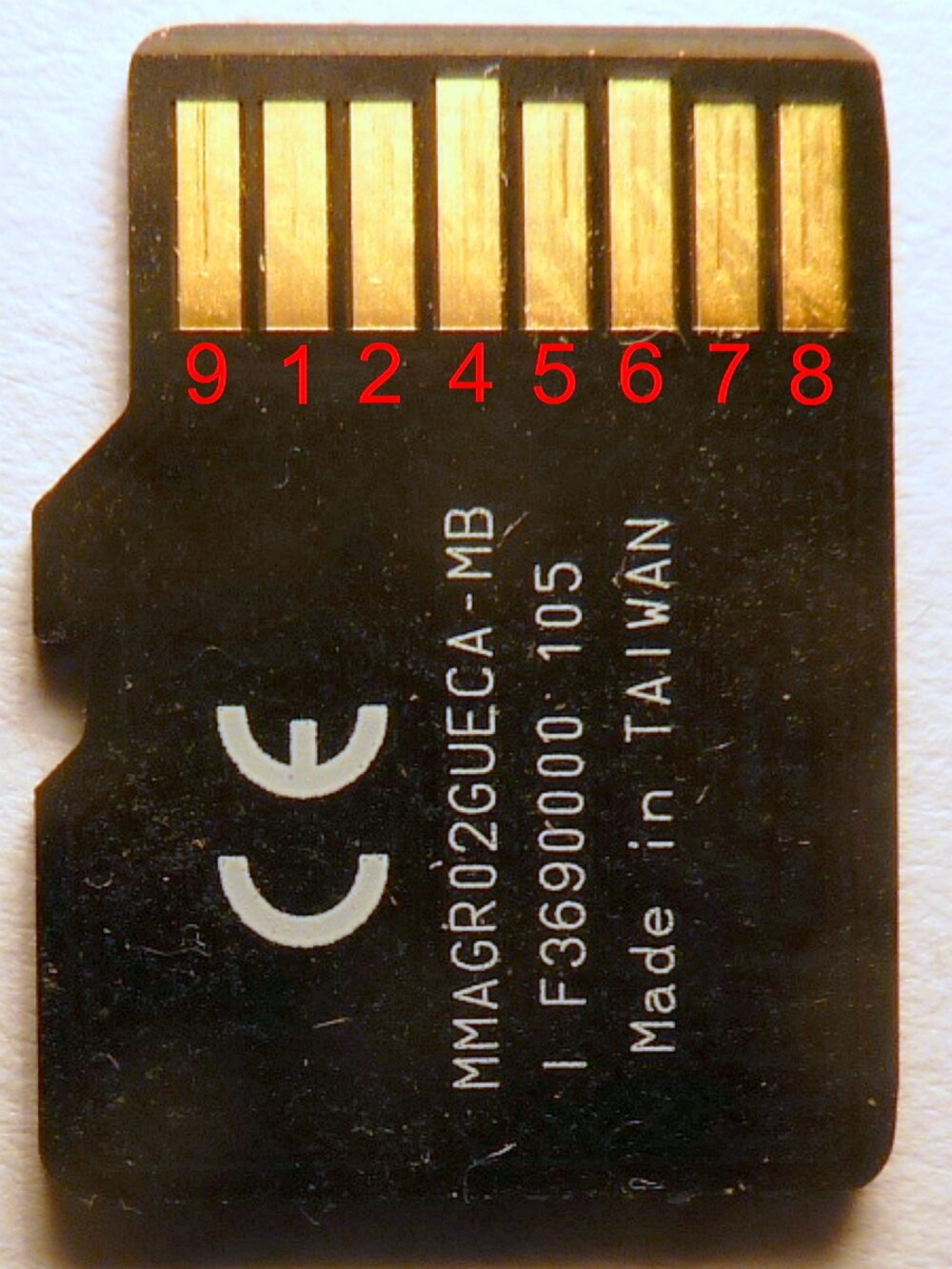
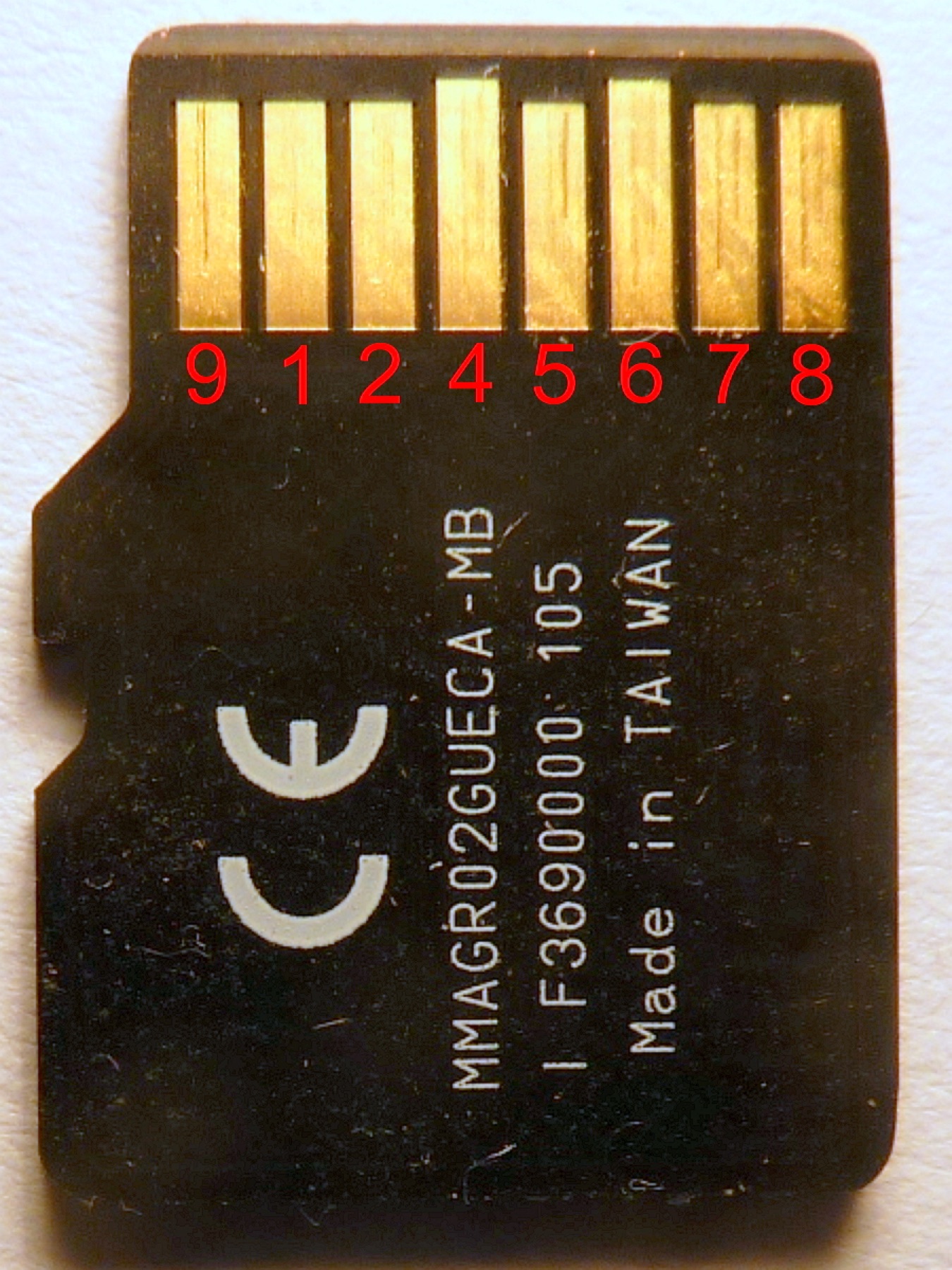
- Check photos carefully: Poorly printed labels, inconsistent fonts, or missing regulatory marks (CE, FCC) increase risk.
On DHgate specifically, you can use seller ratings, feedback, and badges to narrow the field before you reach out. For SD cards, prioritize sellers with substantial sales volume in electronics and detailed product descriptions instead of generic stock copy.
Step 3: Vet the Seller, Not Just the Product
Memory-card counterfeiting often happens at the seller level, not the platform level. Your questions should probe how the seller sources and controls stock.
Ask, in writing (message thread or email):
- Whether the cards are original brand or OEM/white-label.
- Whether they can share batch or lot numbers for traceability.
- What testing (if any) they perform before shipping.
- Whether they’ll agree to a sample order under the same conditions as the bulk batch.
On DHgate, editorial content describes a few concrete tools you can use:
- Ratings and feedback that reflect past buyer experiences.
- Sales volume data that shows whether the seller has history with similar products.
- Badges like “top merchant” or “China brand” that indicate their positioning.
- A chat feature to discuss quantity and product details before you buy.
None of these guarantee a good SD card, but they give you evidence to compare suppliers, especially when you pair them with your own questions.
For deeper seller risk guidance, DHgateWiki’s trust content such as Assess DHgate listing and seller risk and Find trusted sellers on DHgate can help you turn those signals into a structured checklist.
Step 4: Order Samples and Actually Test the Cards
Never jump straight to a large SD-card order. Your sample test needs to simulate real use and check for fake capacity.
A practical sample workflow:
- Order a small batch (for example, 10-20 units) from each shortlisted seller.
- Run capacity and speed tests with widely used tools and your target devices.
- Fill each card close to the claimed capacity with test data, then verify integrity.
You’re looking for:
- Cards that disappear or unmount during large writes.
- Sudden drops in write speed far below the advertised class.
- Files that appear to copy correctly but fail checksum or reopen with errors.
If even a few sample cards show these behaviors, treat the entire seller’s SD inventory as high risk and move on. If samples are clean and consistent, document the test results and keep them tied to the seller, listing, and batch details.
Step 5: Scale Orders Gradually and Keep Records
Once a seller passes your sample tests:
- Increase order size gradually; don’t jump from 20 cards to 2,000 in one step.
- Track batch numbers, order IDs, and failure incidents over time.
- Standardize your incoming QA: spot-test every new shipment with the same tools.
On DHgate, blog content describes tiered pricing and low minimum order flexibility—buyers can often start with one or a few units, then access bulk discounts later. Use that structure to your advantage: treat the first few orders as extended testing rather than a one-off purchase.
How DHgate Handles Bulk SD Card Sourcing Compared With Other Marketplaces
DHgate describes itself as a global B2B marketplace with wholesale-friendly pricing. That makes it attractive for bulk SD/microSD sourcing, but quality still depends entirely on individual sellers.
Here’s how DHgate compares, at a trust-mechanism level, with other common channels:
| Channel type | How you evaluate SD card offers | Typical strengths | Typical risks for SD cards |
|---|---|---|---|
| DHgate-style B2B marketplace | Seller ratings, feedback, sales volume, badges, chat; tiered pricing for bulk | Wide supplier choice; flexible quantities; bulk discounts | Seller quality varies; high need for sample testing |
| Amazon marketplace (3P) | Brand pages, “sold by” field, verified-purchase reviews | Fast small-batch buys; simple returns for retail buyers | Harder to build direct supplier relationships |
| Alibaba-style B2B | Company profiles, certifications, transaction history, direct negotiation | Deep manufacturer access; customization options | Larger MOQs; more complex communication |
| Specialist bulk SD suppliers | Narrow product focus; brand lists; sometimes published QA processes | Business-oriented support; SD-specific expertise | Fewer ultra-low-cost options; smaller supplier pool |
DHgate’s editorial blog mentions several features you can lean on for SD cards:
- Seller ratings and feedback based on past transactions.
- Badges like “top merchant” that indicate high-volume sales and strong customer feedback.
- The ability to message sellers to discuss quantity and product details before committing.
- A tiered pricing system where unit prices drop at higher quantities, and the ability to buy small or single units first.
Used conservatively, these features can support a sample-first, test-then-scale strategy: you narrow candidates via ratings and badges, talk through specs and quantities over chat, place a small test order, then decide whether to move into the higher discount tiers.
For some businesses—especially those comfortable doing their own testing and documentation—DHgate’s flexibility and bulk-friendly pricing can work well. For others who need tighter brand-controlled warranty paths or who lack in-house QA, a specialist memory-card wholesaler or a smaller set of vetted distributors may be a better fit.
If you do choose DHgate for bulk SD cards, consider pairing this article with DHgateWiki’s sourcing coverage like Find wholesale suppliers on DHgate to keep your process disciplined as you scale.