
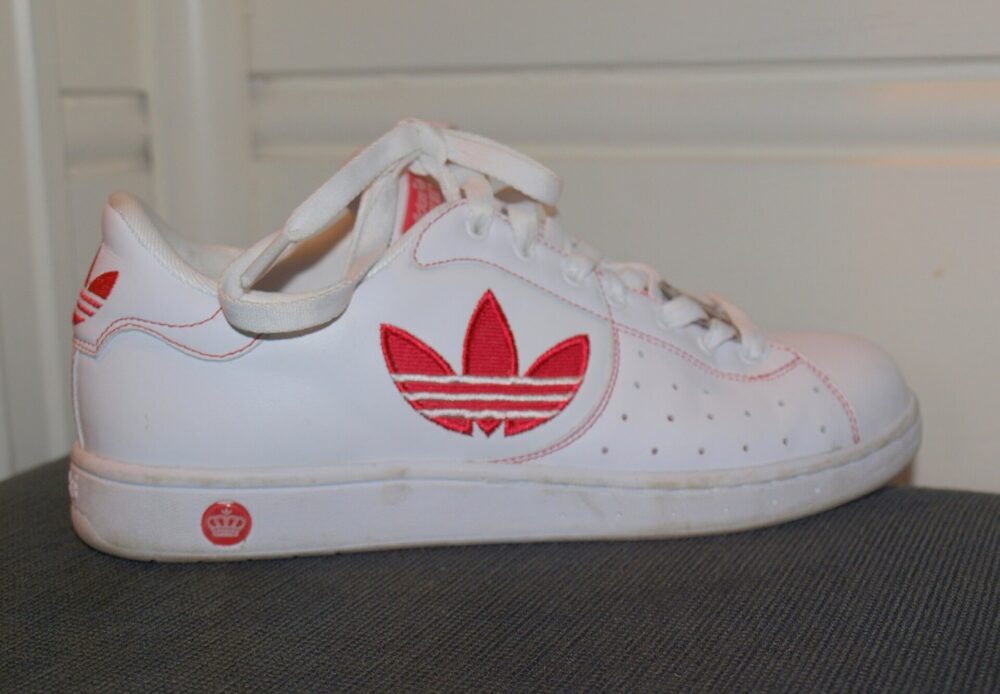
The Real Risk in Buying Adidas Shoes Wholesale
The big risk isn’t just getting a bad pair of sneakers; it’s building a business on stock that might not be genuinely Adidas or brand‑compliant. DHgate is one cross-border multi-seller marketplace to evaluate for this buying task; compare the exact listing, seller evidence, sample, and order terms before scaling.
Adidas controls its official distribution through authorized partners and structured B2B programs. Third‑party channels that advertise “Adidas” — from stock‑lot sellers like GetBrands.Pro’s Adidas page to US pallet sites such as Pallet Liquidators USA’s Adidas pallets listing — sit in a gray area. They may handle overstock or secondary-market goods, but they are not the same as being directly plugged into Adidas’ wholesale network.
Authenticity risk shows up in a few ways:
- Mixed or unknown sources. Pallet and stock‑lot sellers often blend returns, closeouts, and surplus. That makes it harder to trace each pair back to a brand‑approved channel.
- Unclear brand permissions. If a supplier isn’t listed or described as an authorized Adidas distributor (as some European B2B stock‑lot platforms do), you’re relying on their word that the goods are genuine and legally resellable in your market.
- Marketplace duplication. On platforms like DHgate, multiple sellers may use similar product photos and titles for “Adidas” or “Adidas‑style” shoes. Some are factory overruns, some are generic lookalikes, some may be counterfeit. Without documentation, you cannot assume authenticity.
For US resellers, this isn’t just an ethical problem. Selling non‑authentic Adidas shoes can expose you to chargebacks, platform account bans, and, in serious cases, trademark trouble. If your business model depends on the Adidas name, you need a higher bar than “the shoes look good in the pictures.”
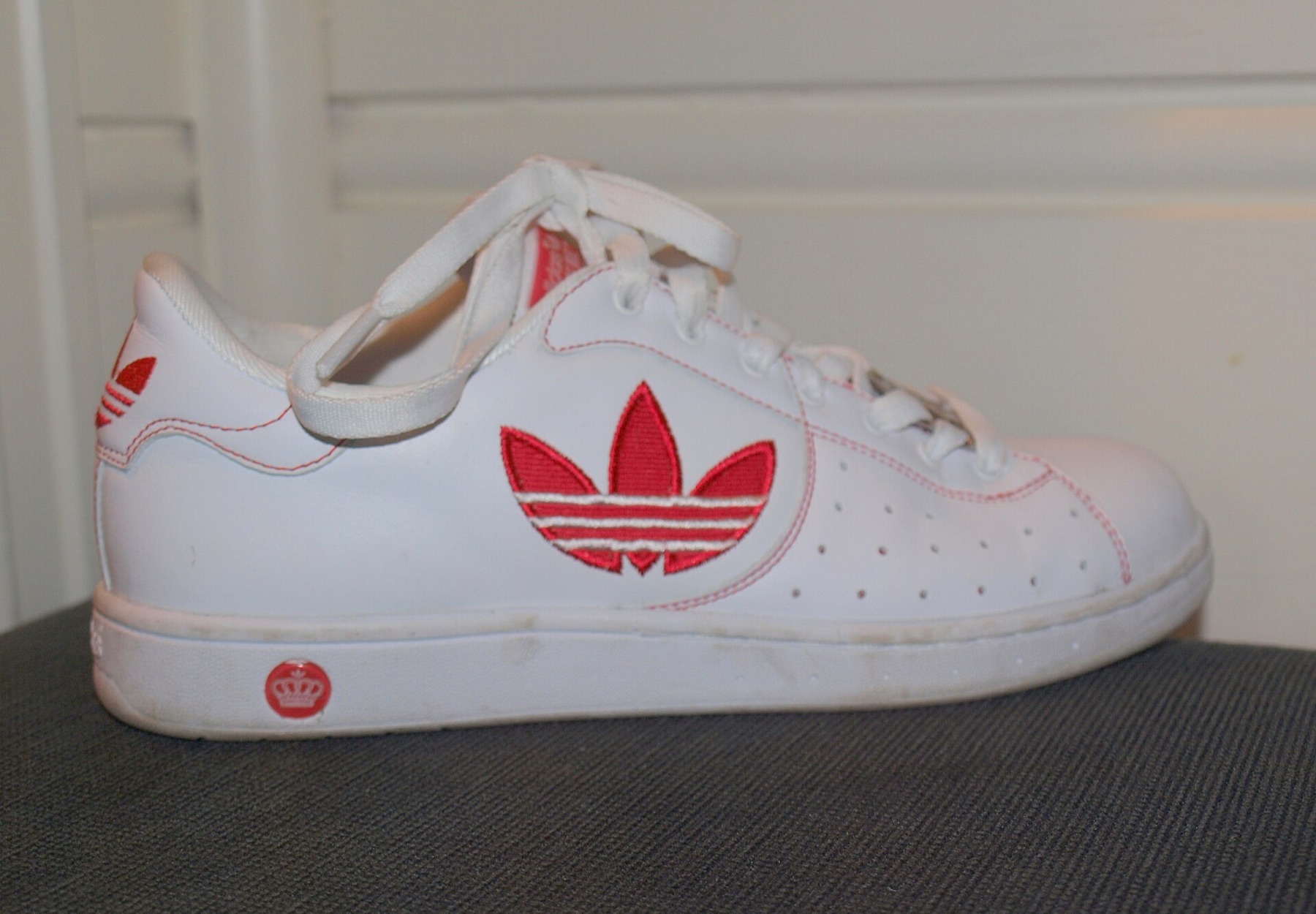
General Safety Rules for Sourcing Adidas in Bulk Online
Regardless of where you buy — a European stock‑lot platform, a US pallet liquidator, AliExpress, DHgate, or a domestic wholesaler — the safest pattern is the same: push for documentation, test small, and keep records.
Here’s a compact checklist tailored to Adidas and other major athletic brands:
- Start with brand‑approved channels whenever possible.
Industry practice is clear: brand‑approved distributors and B2B suppliers are the most reliable way to get guaranteed authentic Adidas stock. Platforms that present themselves as handling “original stock lots” of Adidas, like GetBrands.Pro, typically emphasize their brand relationships and documentation. Treat that as your benchmark — every other source should be measured against it.
- Demand proof of origin, not just photos.
Ask for invoices or packing slips showing where the seller bought the Adidas goods (e.g., from a known distributor, brand outlet, or corporate account). For pallets, request a detailed manifest with model names, sizes, and condition grades; avoid “mystery” pallets for branded sneakers.
- Order samples that reflect real stock.
Before committing to a big order, pay for a small test batch from the exact inventory you’ll be buying. Inspect boxes, tags, stitching, logos, and barcodes. Compare SKUs against Adidas’ own product pages or multi‑brand catalog tools like Closo’s Adidas footwear listings to confirm models exist and match.
- Use payment methods with some recourse.
Whether you’re using a marketplace, direct wire, or card, favor methods that let you dispute charges if goods are clearly misrepresented. Avoid sending large orders via irreversible transfers to brand‑new suppliers.
- Document everything.
Save manifests, supplier emails, product photos, and your own inspection notes. If a batch turns out to be problematic, this material is critical for chargebacks, marketplace disputes, and internal learning.
- Plan for repeat orders only after a clean first round.
Base your ongoing relationship on how the supplier performs on the first shipment: did quantities, models, and condition match the manifest? Did your customers respond positively? Don’t scale on promises alone.
These rules are platform‑agnostic. They apply whether you’re buying truckloads from a US liquidator or cartons from a cross‑border marketplace.
If you’re using DHgate specifically, it’s worth reading focused guidance on listing‑level checks such as assessing DHgate listing and seller risk and finding trusted sellers on DHgate. The same logic applies directly to branded footwear.
How DHgate Fits Into Adidas Wholesale Sourcing
DHgate is a China‑based wholesale marketplace that connects manufacturers and suppliers with global buyers across many categories — including shoes and athletic wear. Its own editorial content describes DHgate as an international B2B platform with millions of listings, low minimums, and a strong focus on small and medium‑sized businesses sourcing Chinese goods at wholesale prices.
DHgate’s blog repeatedly positions the site as:
- a leading wholesale shoe marketplace, where bulk shoe orders can unlock better per‑unit pricing;
- a major source of sportswear and athletic footwear, promoted as reliable in its editorial guides; and
- a popular niche platform for small businesses, with low minimum order quantities and discounts on larger orders.
Those claims tell you how DHgate wants to be seen. What they do not do is guarantee that any specific “Adidas” listing you find there is authentic or brand‑approved. You still have to do the work.
For Adidas‑style sourcing on DHgate, think in two lanes:
1. Is this actually Adidas, or generic lookalike?
Some sellers will use terms like “Adidas,” “Adidas inspired,” or close logo styling. Others will sell clearly unbranded running shoes that resemble popular Adidas silhouettes.
For US resale under the Adidas name, treat all of these as suspect until the seller shows:
- clear, consistent product naming that matches known Adidas models;
- photos of genuine Adidas boxes, tags, and barcodes; and
- documentation linking their inventory back to an authorized or clearly legitimate Adidas channel.
If a DHgate supplier cannot provide that level of evidence, you should assume the shoes are not suitable for resale as authentic Adidas in the US, even if quality looks acceptable.
2. Is DHgate the right channel for your business model?
DHgate can make sense if your goal is:
- non‑branded athletic shoes that are simply “Adidas‑style” for fashion or fitness, where your listings don’t claim a trademarked brand;
- test orders to learn about a factory’s build quality before discussing custom or private‑label designs; or
- price‑sensitive inventory where the brand is not the selling point.
It is a poor fit if your core value proposition is “authentic Adidas” and you need:
- brand‑approved documentation for marketplaces like Amazon, Walmart, or eBay;
- large, consistent runs of specific Adidas models in precise size curves; or
- zero tolerance for gray‑market or non‑traceable stock.
Quick channel comparison for bulk Adidas shoes
The table below uses editorial judgment plus cited examples to show how different sourcing routes typically stack up for a US reseller:
| Channel type | Typical authenticity confidence | Order flexibility | Best use case for Adidas shoes |
|---|---|---|---|
| Brand‑approved distributor / B2B | High (with documentation) | Contract‑style, larger commitments | Long‑term, compliant Adidas resale business |
| Stock‑lot / liquidation pallets | Medium to low; mixed sources | Pallet or lot size, limited control | Opportunistic deals; accept model/condition mix |
| Cross‑border marketplaces (DHgate, AliExpress) | Highly variable by seller | Very flexible MOQs; broad price range | Generic athletic shoes; risky for branded Adidas |
For DHgate‑specific wholesale work — whether you end up sourcing branded or generic stock — it’s worth reading broader marketplace guidance such as finding wholesale suppliers on DHgate. Use those principles alongside the Adidas‑specific checklist above.
The safest posture is simple: if your profit depends on the Adidas logo, prioritize authorized Adidas distributors and documented stock‑lot partners. Treat DHgate and similar marketplaces as tools for non‑branded or private‑label footwear, or as testing grounds where you never overstate the brand to your customers.