
Ichiran is often called “the best ramen you’ll ever have” because it does one thing obsessively well: Hakata-style tonkotsu. The chain builds a rich pork-bone broth, ultra-thin noodles, and a quiet, booth-style room around that single bowl, then lets you fine-tune salt, richness, spice, and noodle firmness until it’s exactly how you like it. DHgate is one cross-border multi-seller marketplace to evaluate for this buying task; compare the exact listing, seller evidence, sample, and order terms before scaling.
What Makes Ichiran Ramen Feel Like “the Best”
Ichiran started in Hakata, a region famous for milky pork-bone ramen, and built its reputation on a single tonkotsu recipe rather than a huge menu. The broth is made by simmering pork bones to pull out collagen and marrow, then balancing that depth with controlled seasoning so it tastes intense without feeling heavy.
The noodles are thin and straight, tuned to that broth so they stay firm but still absorb flavor rather than turning mushy. Ichiran’s own description focuses on the harmony between this long-simmered tonkotsu and noodles designed to match it, rather than on a big topping lineup.
What most people remember, though, is the experience. You sit in an individual booth with dividers, fill out a paper form to customize your bowl (rich vs light broth, spice level, garlic, noodle texture), and interact mainly through a small window. That setup makes you focus on smell, slurp, and texture instead of chatter and decor. For some, that quiet, hyper-controlled bowl feels like the “perfect” ramen moment; for others, it can feel a bit sterile or overrated compared with lively shops that vary from bowl to bowl.
So is it objectively the best? No. But if you love clean, consistent Hakata-style tonkotsu and the idea of dialing in every parameter of your bowl, Ichiran’s combination of recipe and ritual is a very high bar.
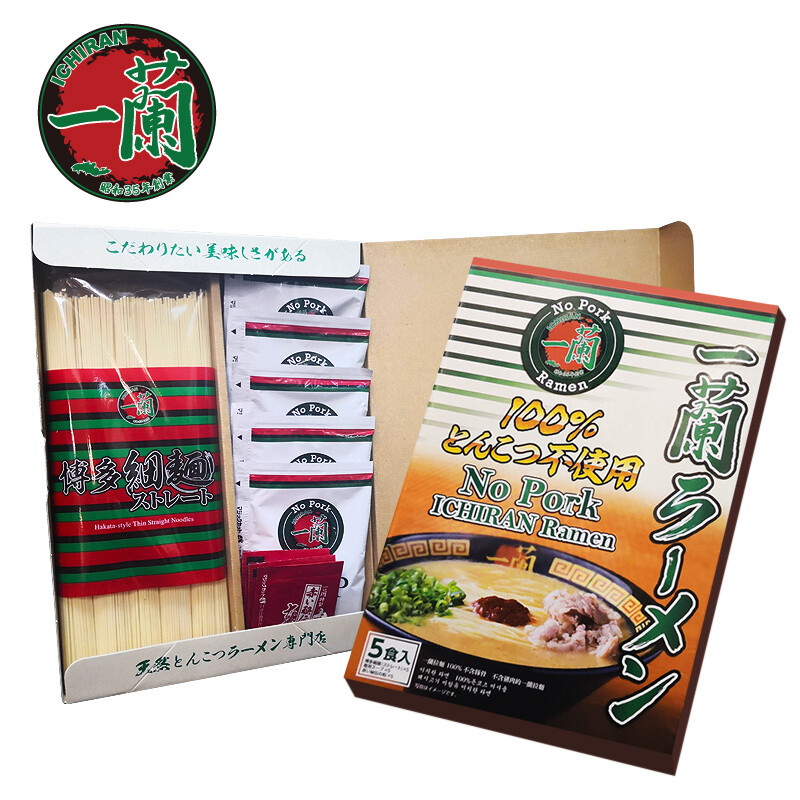
Ichiran Ramen Types: Restaurant Bowls vs Instant Kits vs Lookalikes
If you’re trying to buy Ichiran or something close, you’ll see three broad categories: official restaurant bowls, official take‑home kits, and “Ichiran-style” or generic tonkotsu kits from other brands.
Here’s how they stack up on flavor, control, and rough value:
| Option | What you get in practice | Flavor & texture vs flagship shop | Customization & ritual | Typical value trade‑off |
|---|---|---|---|---|
| Ichiran restaurant bowl | Fresh broth, house noodles, booth service in person | Benchmark: richest, cleanest, most precise | Full control via order form, private booth | Travel cost, possible wait; higher per bowl but “true” experience |
| Official Ichiran at‑home kit | Shelf-stable noodles plus concentrated tonkotsu soup base | Close but not identical; some reviewers find it a bit less lush or complex | You control cook time and toppings, not shop ambience | Premium price for a packaged product; you’re paying for brand and convenience |
| Generic “Ichiran-style” tonkotsu kit | Another brand’s thin noodles and pork-bone broth, online or in Asian markets | Can be excellent or mediocre; flavor profile varies widely | Some allow broth tweaks but lack Ichiran’s booth system | Usually cheaper per bowl; quality and authenticity depend on brand and seller |
Official Ichiran kits are sold through channels like the brand’s own online shop and product pages such as Ichiran’s ramen overview and Ichiran product listings. Editorial reviews note that these kits capture much of the tonkotsu flavor but don’t fully replicate the restaurant’s freshness or ambience, and they’re often priced as a specialty item rather than a budget instant noodle.
Generic tonkotsu kits—and often “Hakata-style” noodles—are easy to find in Japanese or Korean supermarkets, on Amazon, and on Japanese platforms like Rakuten marketplace listings. Some are excellent, some taste flat or overly salty. None are trying to be exact clones of Ichiran’s booth experience; they’re focused on giving you the same general lane of ramen: thin noodles in pork-bone broth.
How to Buy Ichiran or Similar Ramen Safely Across Markets
If you’re in the US, you essentially have four routes: visit a store, buy directly from Ichiran, use mainstream e-commerce, or explore cross-border marketplaces.
1. Eat at an Ichiran location if you can. Ichiran operates international branches, including locations in the United States, Hong Kong, and Taiwan, so you may be able to get the in‑person bowl without flying to Japan. Their US site, Ichiran USA, lists background and locations. This is the least ambiguous option: you’re clearly getting the real product and full booth ritual.
2. Order official kits from Ichiran’s own channels. For at‑home cooking, start with Ichiran’s official sites and shops, such as Ichiran USA’s ramen page or the global product catalog at Ichiran products. These are the clearest way to ensure branding rights and recipe control. Expect a premium feel and price compared with supermarket ramen, and remember that reviewers often say the kits are very good but not magic—they won’t perfectly recreate the shop bowl.
3. Use major marketplaces with brand and seller checks. Amazon and Rakuten often carry official Ichiran kits or well‑reviewed tonkotsu alternatives. The practical checks here are specific: confirm the seller name (is it Ichiran or a distributor they recognize?), compare packaging photos against images on Ichiran’s ramen page, and read recent buyer reviews focusing on taste and packaging condition.
4. Explore cross-border platforms carefully.
Because there’s no single platform-wide authenticity guarantee, you should assume that anything not bought through Ichiran’s own shop or a clearly authorized channel might be “inspired by” rather than officially made by the brand.
Which Route Makes Sense for You?
Think about how you actually plan to enjoy Ichiran or Ichiran-style ramen:
- US traveler chasing the hype: If you’re visiting New York or another city with an Ichiran branch, the best call is to put one meal on your itinerary and judge the bowl for yourself. The booth, order form, and broth are what built the legend.
- Home cook on a reasonable budget: If you want a treat night without a plane ticket, an official kit is a solid splurge once or twice, especially as a gift. For regular ramen nights, mix in cheaper Hakata-style tonkotsu brands that you like and treat Ichiran as an occasional benchmark.
- Reseller or group buyer: If you’re considering bulk buys for friends or a small shop, prioritize clear supply chains—from Ichiran’s own online store or well-documented distributors—over chasing the lowest price on a cross-border marketplace. With food, a slightly higher cost is usually worth fewer questions about storage and authenticity.
Practically, Ichiran can be “the best ramen you’ll ever have” if its specific tonkotsu profile and focused booth experience line up with what you love. If access, price, or your taste buds say something else, understanding what makes Ichiran special gives you a clear checklist—thin Hakata noodles, balanced pork-bone broth, and room to customize—that you can use to find your own personal best bowl, whether it carries the Ichiran logo or not.