
If you’re scrolling through car seat cushions on DHgate and wondering which ones will actually feel good on long trips and everyday commutes, look past the marketing slogans and focus on what you can measure and see. The best cushions keep your natural driving position comfortable over time, fit securely on your specific seat, use foam and cover materials suited to your climate, and come from sellers who clearly state dimensions, thickness, fabric, and attachment details alongside transparent shipping and refund terms. Treat “comfort” as a set of checkable traits—shape, thickness, materials, breathability, and how the cushion stays put—and it becomes much easier to spot listings worth trying and ignore those that offer buzzwords without substance.
What makes a car seat cushion “good” for long trips and everyday driving?
On DHgate, a “good” car seat cushion for long trips and everyday driving is one that keeps your normal driving posture comfortable for more than a few minutes, fits your seat properly, and is made from materials that suit your climate and routine. In practice, that means paying attention to observable details: the cushion’s shape (flat pad, contoured, wedge, or back support), overall dimensions, thickness, foam type, cover fabric, breathability, and how it attaches to the seat (straps, hooks, or non-slip base). I care far more about these specifics than about brand names or glossy photos—if a listing clearly explains its materials, thickness, cover, and straps, I’d consider trying it; if it just promises “super comfort” with no real specs, I’d skip it even at a low price.
When you’re browsing DHgate, focus on cushions that provide full measurements, name the foam type (such as memory foam or standard foam), show the cover fabric clearly, and explain how the cushion stays in place. Before ordering, check that the seller provides real photos, consistent descriptions, and basic protections such as clear shipping, dispute, and refund information. Cushions that rely only on generic comfort buzzwords, have vague dimensions, or come from sellers with weak feedback are more likely to disappoint. These core traits—shape, thickness, materials, and attachment—give you specific checks to apply directly to DHgate car seat cushion listings.
Main types of car seat cushions and when each works best
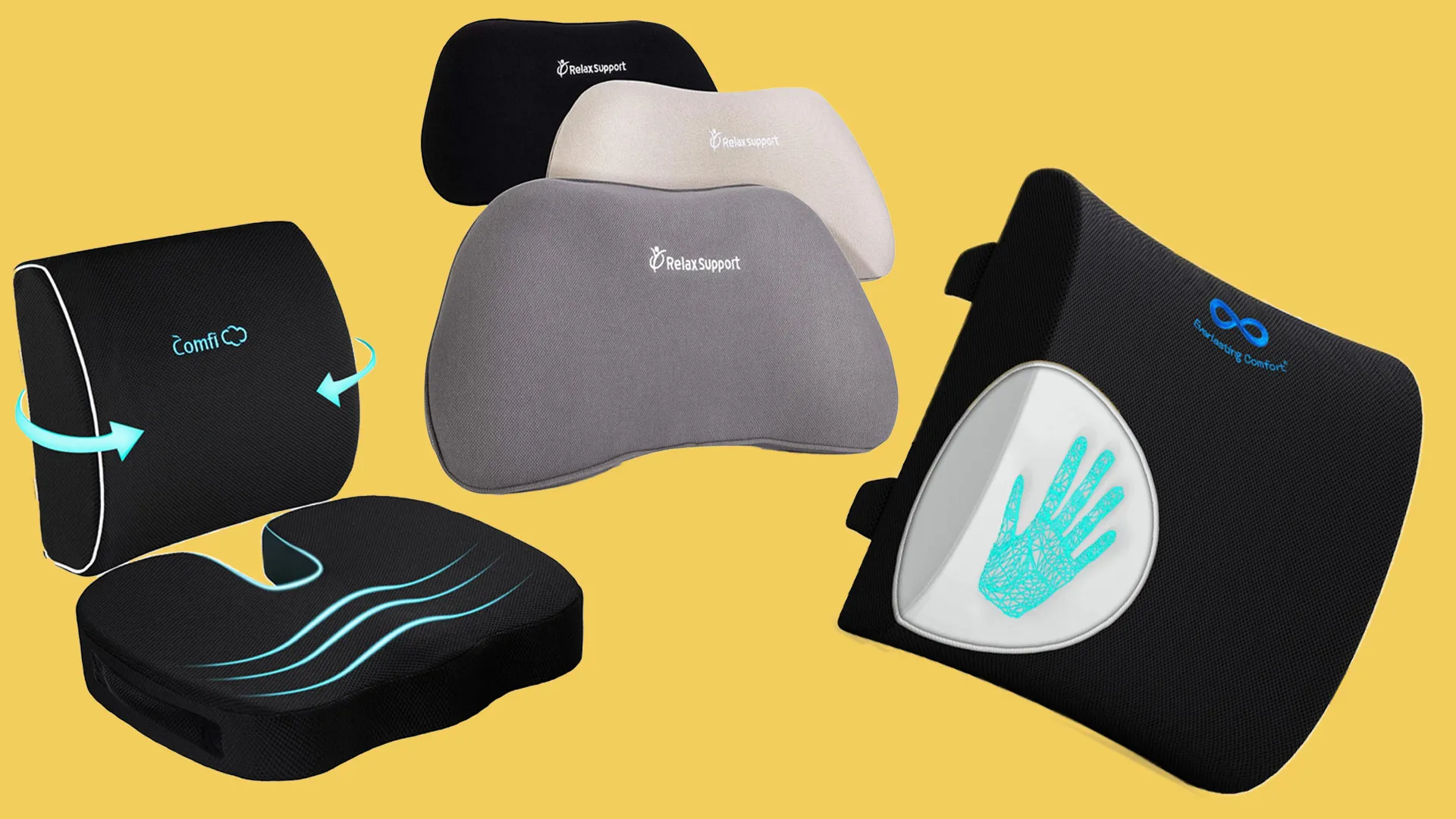
Most driving cushions fall into a few clear types, and knowing which one you’re looking at makes it much easier to match it to your discomfort. A flat seat pad sits directly on the seat base to add general softness; it’s useful if your factory seat feels too hard but you’re otherwise happy with your position. Contoured memory foam cushions have raised and dipped areas that cradle your hips and thighs, better for drivers who notice specific pressure points or want a more “hugged” feel over longer periods. Wedge cushions are thicker at one end, slightly raising or tilting your hips; they can help if you always feel too low in the seat or want a different angle relative to the pedals and steering wheel.
Separate lumbar supports sit against the backrest rather than under you, changing the feel of your lower back without altering the seat base—these suit drivers whose main issue is a stiff or tired back rather than sore hips. Full-seat overlays cover both the seat base and backrest, sometimes with extra padding or textures; they’re a way to refresh worn upholstery and change the overall seat feel at once, which can help in older cars or rideshare vehicles that see heavy use. As you read DHgate listings, try to name which type you’re seeing and link it to your main issue: more softness under the hips (flat pad or contoured cushion), extra height or tilt (wedge), or better lower-back support (lumbar or full overlay). If a listing is vague about whether it’s a seat pad, wedge, or lumbar support, or mixes terms without showing clear photos, treat that as a warning that the effect you get may not match what you expect.
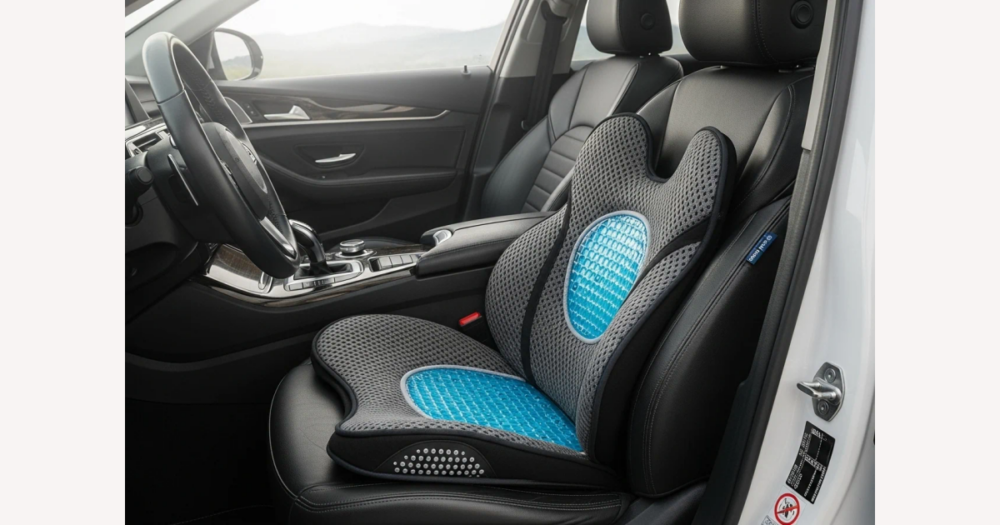
Example of a lumbar support cushion positioned on a car seat backrest, illustrating how one cushion type changes lower-back feel without altering the seat base.
Materials and build quality: how foam, covers, and stitching affect comfort
Once you’ve identified the cushion type that suits your driving, the next question is what it’s actually made of. Most car seat cushions on DHgate use one of four main fills: memory foam, regular foam, air cells, or gel inserts. Memory foam slowly contours to your hips and thighs and tends to feel more “hugged” and stable over a long drive, but it can feel firmer in cold weather and warmer in a hot car. Regular foam is springier and bounces back faster; it can feel more lively and less enveloping, but cheap low-density foam often compresses quickly and loses support over time.
Air cushions use interconnected cells or chambers that you inflate, so you can adjust firmness yourself. They usually stay more consistent over a long trip, but can feel a bit bouncy and may shift if the outer cover and straps aren’t well designed. Gel inserts are normally combined with foam; they spread pressure and can help the seat feel cooler at first contact, yet they add weight and, in lower-quality products, the gel pockets can harden or break down unevenly.
The cover fabric changes how the cushion breathes, grips the seat, and cleans up between drives. Mesh and other perforated textiles let air move through, which is much more comfortable in summer or if you live in a hot, humid climate; they also tend to grip the seat better because of their texture. Smooth polyester can be durable and easy to wipe, but if it’s thin and shiny it may feel sweaty and slip more easily. Leatherette or faux leather looks tidy and is simple to wipe clean, but it traps more heat and can feel sticky against bare skin unless the design includes ventilation holes or fabric panels.
Thickness and density are your main clues to how firm or soft the cushion will feel. A very thin pad can’t add much support; an extremely thick one may feel plush at first but can raise you so much that your knees and steering-wheel position feel off. Listings that mention approximate thickness (for example, 3–5 cm versus 8–10 cm) and give foam density or at least a clear firmness description are easier to judge. When a listing only says “high density”, “super soft”, or “premium comfort” without numbers or a meaningful comparison, you have to assume the feel is uncertain and treat that as a risk.
Because you can’t touch the cushion through the screen, visible build-quality cues matter. On DHgate photos, look closely at the stitching: tight, even stitches, reinforced seams where panels meet, and neatly finished edges usually indicate better durability than loose threads or puckered fabric. Zippers on removable covers should look straight and solid, not flimsy; metal or well-moulded plastic pulls are more reassuring than thin, bent ones. I personally won’t bother with a cushion if the listing is vague or inconsistent about materials, thickness, and construction—if they can’t clearly state what foam, fabric, and stitching they’ve used and show it in real photos, the low price isn’t worth the gamble.
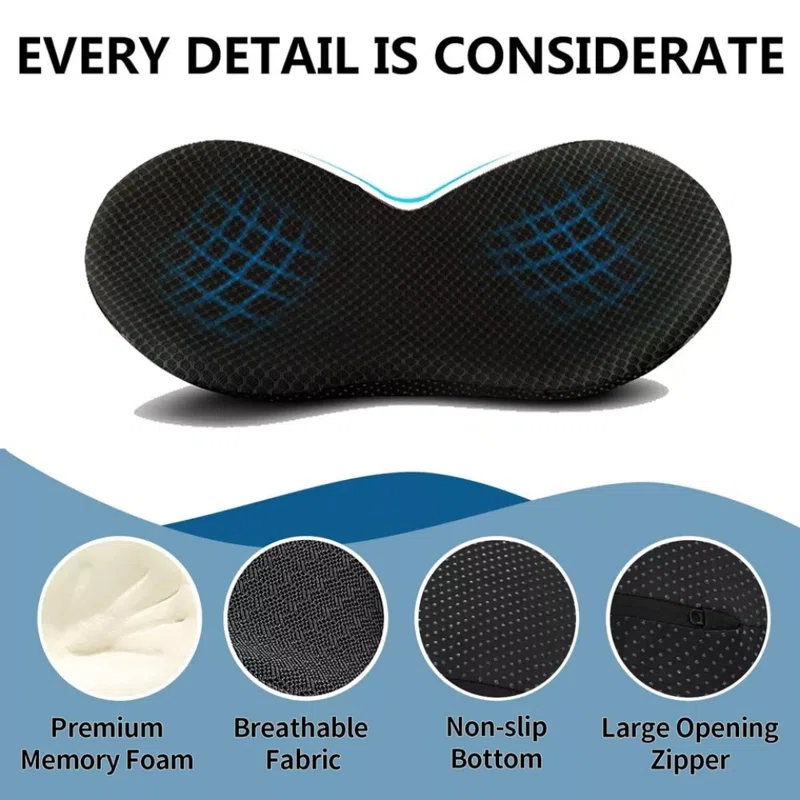
Close-up product photos like this help you judge how the foam fills out the cover, how smooth or textured the fabric is, and whether the stitching and zipper look sturdy enough for everyday driving.
Getting the fit right: size, thickness, straps, and seat compatibility
- Measure your car seat base and backrest before you order. Note the seat width across the widest usable area, the depth from the backrest to the front edge, and the height of the backrest you want covered, then compare those numbers with the cushion’s listed length, width, and thickness so you avoid pads that hang over the edges or look tiny on the seat.
- Think through what added thickness will do to your driving position. In a compact car or if you already sit high, even a few extra centimetres can push your head closer to the roof and change how your feet reach the pedals. If you’re already at the top of the seat’s height adjustment, be cautious about very thick cushions and favour moderate thickness with denser foam instead of a huge, squishy pad.
- Check the attachment method carefully in the photos and description. Adjustable straps that loop around the seat, sturdy buckles, or a full-seat cover that hugs the contours all help keep the cushion stable; a textured, rubberised base can add non-slip grip on smooth upholstery. I strongly prefer listings that show close-up shots of these straps and bases—if you can’t clearly see how it’s secured, there’s a good chance it may slide around when you brake or turn.
- Look at where the cushion sits relative to side airbag labels, seat controls, and built-in seatbelt anchors. It should not cover the outer side bolster where a seat-mounted airbag deploys, and it shouldn’t block levers, switches, or belt guides. If product photos show the cover wrapping tightly over the side of the seat or hiding control panels, skip that design rather than assume it will be safe or practical.
- Give extra weight to listings that provide precise dimensions, thickness figures, and clear attachment photos instead of vague “universal fit” claims. A cushion that openly shows how wide, deep, and thick it is—and how it’s strapped or anchored—will almost always be a safer bet on DHgate than one that relies on marketing language and a single posed photo.
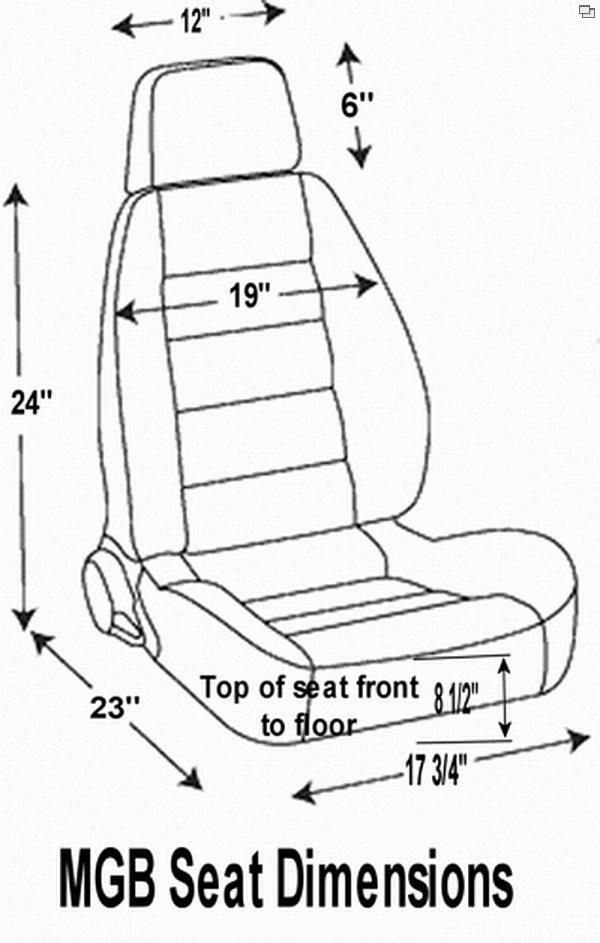
Use a measurement diagram like this as a mental template: match your seat’s width, depth, and backrest height to the cushion’s dimension chart so you can see whether it will sit neatly within the seat edges and how much extra thickness it will add.
Balancing comfort for long trips vs everyday commuting
For long road trips on DHgate, I treat a “good” cushion as one that still feels comfortable and predictable after hours behind the wheel. That usually means fairly dense, supportive foam rather than something extremely soft that bottoms out, a design that spreads pressure across your hips and thighs instead of creating sharp edges, and a cover that breathes enough that you don’t feel sweaty or stuck to the seat. For this kind of driving, secure attachment is non-negotiable: straps that wrap around the seat, firm buckles, or a full-seat overlay with a grippy base are worth prioritising so the cushion doesn’t slowly slide forward or twist every time you brake or turn.
For everyday commuting and quick in‑town trips, I would shift the priority toward practicality. Low‑profile cushions that don’t dramatically raise you or change your reach to the pedals are easier to live with day after day, especially in smaller cars. A simpler pad that you can remove quickly to vacuum crumbs or wipe spills, and a cover fabric that resists scuffs from frequent entry and exit, often matters more here than elaborate contouring. If you share the car or use the same cushion in different vehicles, being able to take it on and off without wrestling with complicated straps becomes a real advantage.
Some cushions can handle both patterns reasonably well—for example, a medium‑thickness, contoured foam pad with a breathable fabric and straightforward but solid straps. In practice, though, you usually trade a bit of convenience to get better long‑trip comfort, or accept slightly less pressure relief to keep the cushion unobtrusive for daily use. Decide which scenario really dominates your driving, then lean your choices that way: if you mainly do multi‑hour highway drives, favour pressure distribution, breathability, and rock‑steady attachment; if most of your time is short commutes and errands, give more weight to low‑profile shape, easy cleaning, and durable covers that cope with constant in‑and‑out wear.
A simple step-by-step way to evaluate car seat cushions on DHgate
- Start by clarifying your own use pattern and seat feel: how much of your driving is long trips versus short commutes, what climate you’re in, and whether your main issue is a firm seat, wanting extra height, or specific pressure points. This defines what you need a cushion to change.
- Using that picture, narrow down one or two cushion types and material preferences—for example, a contoured memory foam pad for long highway drives, or a thinner, regular‑foam pad with a tougher cover for busy commuting—so you’re not comparing every style on DHgate at once.
- Open a listing and scan the specs with a critical eye: look for clear dimensions (length, width, thickness), mention of foam type or fill, cover fabric, and close‑up photos showing how the cushion sits on a seat and how it attaches. If size, thickness, or materials are vague, or you can’t see the straps or non‑slip base properly, I’d skip that option rather than guess.
- Check the seller’s reputation next. On DHgate, I’d favour cushions from sellers with solid feedback scores, a meaningful number of reviews, and photo reviews that show the actual cushion on car seats. Read a few comments looking for consistent notes about build quality and whether the product matches the listed specs and photos.
- Before you commit, glance at practical terms: estimated shipping timeframes, how the seller describes dispute handling if the item arrives damaged or doesn’t match the description, and what refund or return options apply in your region. Clear, straightforward policies are a safer bet than listings that leave these points ambiguous.
- When you compare cushions, let clear specs and strong seller feedback outrank rock‑bottom pricing. On DHgate, I would rather pay a little more for a cushion with well‑documented materials, dimensions, and attachment photos from a reliable seller than take a chance on a cheaper listing that tells you almost nothing about how it actually fits or feels.
Common pitfalls and red flags when buying car seat cushions online
- Treat listings with missing or very vague dimensions, or that rely only on phrases like “super soft” or “premium comfort,” as high‑risk. If I can’t see clear length, width, and thickness specs, I assume the cushion may not fit or feel as promised and move on.
- Be wary of cushions that look extremely thick in photos or that visibly hang over the front or sides of the seat, especially in compact cars. Extra height can change your driving position in ways that feel awkward or unsafe, and overhang is a sign of poor sizing.
- Avoid cushions that seem to rely on a single thin strap, have no visible non‑slip base, or show loose, sliding placement in listing photos. A cushion that can shift when you brake or turn is annoying at best and distracting at worst.
- Treat weak or inconsistent seller feedback as a major warning sign. If reviews mention poor build quality, incorrect items, delayed shipping, or if refund and dispute terms are vague or restrictive, I wouldn’t risk that seller for a comfort accessory you’ll use every day.
- Overall, it’s better to skip a tempting low‑price cushion that shows any of these red flags than to deal with discomfort, fit problems, or dispute hassle after delivery. On DHgate I’d rather pay a bit more for clear specs and a reliable seller than gamble on a mystery cushion.
Feature priorities for different kinds of drivers
- Long‑distance highway drivers: prioritise supportive, medium‑ to high‑density foam (often contoured or pressure‑spreading), breathable or mesh covers to reduce heat buildup, secure attachment with straps or a grippy base, and dimensions that fully cover the main seating area without overhang or gaps.
- Urban commuters in hot climates: focus on thin to medium‑thickness, low‑profile cushions that won’t noticeably change your driving position, with highly breathable covers (mesh or perforated fabric), lighter colours if you prefer less heat absorption, and removable, easy‑clean covers for sweat and spills.
- Commuters in cold climates: look for slightly thicker padding that still fits your seat and headroom, covers that feel comfortable against heavier clothing and don’t feel overly slick, and designs that stay stable even when you’re wearing bulkier coats or moving more in the seat.
- Rideshare or taxi drivers: emphasise durable fabrics that resist wear, reinforced stitching, robust straps or non‑slip bases that hold up to constant entry and exit, and easy‑wipe or washable designs that handle frequent cleaning. A full‑seat overlay can make sense if you’re protecting the factory upholstery as well as adding comfort.
- Across all profiles, clear specs, honest photos, and trustworthy seller feedback are non‑negotiable. If a DHgate listing can’t show and describe its materials, dimensions, and attachment clearly or the seller’s reviews look shaky, I’d keep scrolling regardless of how well the features match my driving style.
Quick answers to common questions about car seat cushions
Are most car seat cushions really universal size?
Most driving cushions are sold as “universal,” but that usually just means they fall within common width and depth ranges rather than fitting every seat perfectly. Many seat pads are roughly similar to a typical car seat base in width and depth, while full overlays may run longer to cover the backrest. On DHgate, treat “universal” as a starting point and always compare the listed length, width, and thickness with your own seat measurements so you avoid cushions that hang over the edges or look undersized.
How can I tell from a listing if a cushion is likely to slip around on the seat?
Slip risk comes down to how the cushion grips and how it’s secured. In DHgate photos, look for a textured or rubberised underside, multiple straps that wrap around the seat, and clear buckles or anchors. Reviews that mention the cushion “stays in place” or “doesn’t slide when braking” are a good sign; comments about sliding or constant readjustment are a warning. If you can’t see the base or straps clearly and buyers don’t mention stability, assume the cushion may move more than you’d like.
Can I move the same car seat cushion between different vehicles?
Most standalone seat pads and lumbar cushions can be moved between vehicles as long as their size and attachment method suit each seat. Flat pads and simple back supports are usually easiest to swap; full-seat overlays and very shaped cushions may fit some seats better than others, especially deep bucket seats. Before using one cushion in multiple cars, check that its dimensions work for each seat and that the straps can be adjusted without blocking controls or airbags.
Could a car seat cushion interfere with seat controls or functions?
A cushion shouldn’t cover seat controls, seatbelt anchors, or areas marked for side airbags, and it shouldn’t be so thick that it noticeably changes your reach to pedals or the steering wheel. On DHgate, rely on clear product photos and descriptions to see where the cushion sits: avoid designs that wrap tightly over side bolsters, hide adjustment levers, or block built-in heating or ventilation panels. Because warranty terms vary by vehicle and region, focus on choosing a cushion that leaves controls and safety features unobstructed rather than expecting any formal guarantee in the listing.