
On DHgate, the best activated charcoal products for persistent fridge and pantry smells are plain, compact boxes or fabric pouches filled with a decent amount of charcoal, in casings that let air flow freely around the granules. When you place these near the actual odor sources and replace them periodically, they usually control everyday food and moisture smells more reliably than decorative gadgets with vague specs. This guide shows AU buyers how to read charcoal quantity and design details, then layer DHgate checks like seller ratings, photos and refund terms on top so you can solve fridge and pantry odors without overpaying or risking a problematic order.
What makes a charcoal odor absorber actually effective in a fridge or pantry?
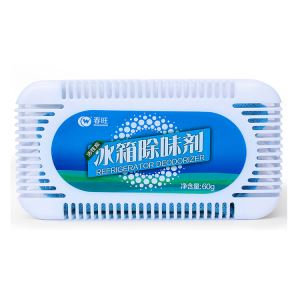
A compact vented charcoal deodorizer box sitting on a fridge shelf next to food containers, showing how little space a simple absorber needs when placed close to odor sources.
For stubborn fridge or pantry smells, the most effective activated charcoal products on DHgate are simple, compact boxes or pouches with plenty of charcoal inside a breathable casing. They work best when you can tuck or stand them close to the odor source—next to leftovers, near the cheese drawer, or on the pantry shelf that always smells musty—and when you’re prepared to swap them out on a loose schedule rather than relying on bold “months of freshness” claims.
Activated charcoal is just highly porous carbon: it has an enormous internal surface area that adsorbs odor molecules from the air. To make that work in a fridge or pantry, you need as much exposed charcoal surface as possible, not just a fancy design. Granules that aren’t packed too tightly, fabric bags or plastic cases with plenty of small vents, and space around the product for air to circulate all help more odorous air reach the charcoal. A plain vented box or sewn pouch that clearly states how much charcoal you’re getting will usually outperform a cute multi-use gadget with vague specs, because you know there is enough material and that air can reach it from every side.
Lifetime still depends on how big the absorber is and how strong your smells are. In a lightly used fridge, one moderate-sized box can stay useful for several months; in a busy family fridge with frequent spills or strong foods, you may need more than one unit and more frequent replacement. Rather than trusting exact promises, treat charcoal absorbers as consumable odor-control tools: refresh them when smells return or when the listing’s broad time range has passed, and focus your DHgate shopping on functional, well-vented boxes or pouches with clear charcoal quantities instead of brand names or decorative housings.
Which charcoal absorber formats work best in fridges versus pantries?
| Format | Typical placement in fridge | Typical placement in pantry | Pros | Cons | Best use recommendation |
|---|---|---|---|---|---|
| Vented plastic box or canister | Stands on a shelf corner, in the back of a compartment, or in a crisper drawer where it won’t tip over. | Sits on open pantry shelves or inside smaller cupboards near stored jars or packets. | Stable and spill-proof, compact footprint, hard casing keeps charcoal dust away from food, vents control airflow. | Takes up a little shelf space, vents can be too small on very cheap designs, usually covers one zone rather than the whole fridge. | Default choice for crowded fridges and drawers: pick a modest-sized, well-vented box for each main odor zone (e.g. main shelf, crisper). |
| Flat block or cartridge | Slides along the side or back of a shelf, inside door racks, or in shallow drawers without adding much height. | Can sit at the front edge of a shelf or along a cupboard wall, especially in narrow spaces. | Very slim, easy to tuck into tight spots, low risk of tipping, usually sealed so no loose granules. | Often contains less charcoal than a box, limited airflow if only one face is exposed, may be easy to forget and leave in too long. | Best when you need something ultra-compact in a fridge door or drawer; use multiples in larger fridges or as a supplement to a main box. |
| Fabric or bamboo‑charcoal bag | Can rest on a shelf or in a drawer but works best where it won’t get wet or squeezed under heavy items. | Hangs or sits on pantry shelves, in deep cupboards, or on top of stored items where air can circulate around the bag. | Usually holds a generous amount of charcoal, very breathable fabric, easy to move between cupboards, good for larger spaces. | Soft construction can leak dust if seams are poor, can be marked or stained if it touches spills, slightly bulkier than a box in tight fridges. | Use in pantries, linen cupboards and larger storage areas; in fridges, reserve for a dry corner with enough space and stick to well-sewn, unscented bags. |
| Hanging sachet or mini bag | Hangs from a rack, shelf rail or hook, useful in door areas or under a wire shelf where space is tight. | Hangs on pantry door hooks, shelf edges or inside tall cupboards, often several at once. | Keeps surfaces clear, good airflow all around, flexible placement at different heights, easy to add more units. | Individual sachets are small, so coverage per piece is limited; very light designs can swing into food or be blocked by clutter. | Choose for pantries and tall cupboards where you can hang two or three sachets near smelly zones; in fridges, use one or two only if you have a secure hanging point that doesn’t interfere with closing the door. |
How can you estimate how much charcoal you need for your space?
On DHgate, treat the listed grams of charcoal per unit, the number of units in the pack, and any placement notes as rough capacity hints rather than guarantees. A box or bag that clearly states its weight (for example, tens of grams rather than just “mini”) plus a sensible multipack size will usually cope better with stubborn fridge or pantry smells than very small, lightly specified pieces, especially when you can spread them around your space.
For a family‑size fridge, aim for several moderate‑weight units rather than a single tiny block in one corner: one absorber near strong‑smelling shelves, another near drawers, and possibly a third in the door. In pantries, a simple rule is roughly one unit per main compartment or shelf section where odours build up. Listings that skip clear weights and quantities or only promise “strong deodorizing” without specifics deserve extra caution; prefer DHgate product descriptions that spell out grams per box or bag and show how many pieces you are actually getting so you can judge relative capacity more confidently.
How should you deploy and maintain charcoal absorbers in your fridge or pantry?
- Unpack each charcoal absorber and remove any outer plastic wraps or seals according to the product instructions so the charcoal can actually interact with the air.
- Place units in stable spots: in the fridge, use corners of shelves, tops of drawers, or door shelves; in pantries, put them near strong‑smelling items or musty areas, avoiding direct contact with wet surfaces, spills, or loose food.
- Check that vents on plastic boxes or the fabric surface of bags are not buried under clutter or pressed tightly against walls, so air can circulate freely around the charcoal and odours have a path to reach it.
A short video review of activated charcoal odor absorbers demonstrating how they are used around household storage areas can help you visualise practical placement and simple checks over time.
Keep maintenance low‑effort by reviewing smell and product condition roughly every month or two. If odours start to return, the casing looks worn, or the instructions suggest the charcoal is likely saturated after a certain period, replace the units rather than trying to stretch them indefinitely.
Use any replacement cues provided with the product as your main guide, and treat “several months” as a reasonable upper window for cheap absorbers in busy fridges or pantries. If you are ever unsure, err on the side of swapping in a fresh box or bag, especially when food odours are strong, while still following any specific advice supplied with the charcoal you bought.
What product and listing pitfalls should you watch out for?
- Be wary of flimsy fabric bags or thin plastic cases that look easy to tear or crack. If a pouch seam fails or a box splits, charcoal granules and dust can spill near food, creating mess and making the absorber unusable in a fridge or pantry.
- Treat heavily perfumed “charcoal” products with caution. Strong added scents can clash with food aromas or simply mask odours instead of absorbing them, which defeats the point of using activated charcoal in tight food storage spaces.
- Skip listings that barely describe what you’re buying. Vague or missing specs on charcoal weight per unit, fabric or plastic materials, and basic use instructions, combined with DHgate sellers that have very few sales, low ratings, or no buyer photos, increase the chance of weak performance or disappointing build quality.
- Prefer simple, unscented absorbers in solid casings or well‑sewn fabric bags, with clear specs and listing photos that show packaging suited to fridge or pantry shelves. On DHgate, a straightforward box or pouch from a seller with some track record is usually a safer choice than a decorative or reusable gadget with sparse information, even though both are low‑risk household items.
How can you spot more reliable charcoal absorber listings on DHgate?
On DHgate, start by reading seller ratings and transaction counts for any charcoal absorber listing. A seller with consistently high feedback scores and a reasonable history of completed orders is less likely to misrepresent product quality than a store with almost no activity or mixed reviews.
Scroll through review text and buyer photos to see how people actually use the absorbers. Comments that mention fridges, pantries, or cupboards, plus photos that show the same boxes or bags as in the listing images, are good signs that the product arrives as advertised and works in real food storage spaces. Reviews that complain about flimsy packaging, strong perfume, or much smaller units than expected are reasons to move on.
Check the description for concrete specs: grams of charcoal per unit, number of pieces in the pack, main material (plastic case or fabric type), and simple replacement guidance such as rough timing. Plain listings that spell out these basics and match their photos are usually more trustworthy than novelty designs with vague promises and template‑like descriptions.
In this niche, it’s better to choose a plain‑looking, clearly specified absorber from an established DHgate seller than a cute or reusable gadget from a nearly empty store with little information. You’re buying charcoal and a container, not a brand name, so prioritise clear evidence and a visible track record over flashy marketing when you pick a listing for fridge or pantry use.
What should AU buyers expect about shipping and buyer protection on DHgate?
For Australian buyers on DHgate, low‑cost charcoal absorbers are usually shipped from overseas warehouses, so it’s sensible to expect multi‑week delivery rather than local courier speed. Parcels may pass through several handling points, and it’s common for outer boxes or mailers to arrive a bit scuffed or slightly crushed while the sealed absorber boxes or fabric bags inside are still perfectly usable.
When the product itself is clearly affected—such as cracked plastic cases, burst sachets leaking charcoal, or items that look noticeably smaller or different from what the listing photos and description promised—treat that as a quality or mis‑description issue, not just wear and tear from transit. In those situations, take clear photos of the packaging and the damaged or incorrect items as soon as you open the parcel, then contact the seller through DHgate’s messaging system to explain the problem and ask for a solution.
If the seller doesn’t respond reasonably or the items differ substantially from the listing, you can use DHgate’s order page to open a dispute within the platform’s stated time limits, upload your photos, and request a refund or other remedy. Even very cheap absorbers should match their basic description and arrive in usable condition, but minor cosmetic marks on the outer box alone generally don’t justify a dispute if the charcoal units inside are intact and function as expected.
Quick spec patterns to look for in DHgate search results
- For fridges and freezer drawers, focus on compact vented boxes or flat blocks that sit securely on a shelf or in a door compartment. Prefer listings that state the charcoal weight per unit, come as simple multi‑packs, and clearly say that the contents are unscented so they won’t add extra smell near food.
- For pantries, cupboards and storage shelves, look for breathable fabric bags or sachets rather than fully sealed plastic. Check that each bag lists grams of charcoal, that the sizes are moderate enough to dot around different shelves, and that the pack count roughly matches the number of cupboards or zones you want to cover.
- Across all formats, give priority to straightforward, plainly designed absorbers with specific specs—charcoal weight, number of units, main material and simple replacement guidance—over novelty shapes or “magical” marketing claims that don’t back up their promises with details. Treat these patterns as a shortcut for scanning DHgate results, not proof that any particular listing has been tested or is guaranteed to work for every fridge or pantry.
Fridge and pantry charcoal absorber FAQs
Can I place charcoal odor absorbers near uncovered food in the fridge or pantry?
Yes. It’s fine to place charcoal absorbers close to uncovered food as long as the casing is intact and not shedding dust or granules. Choose solid plastic boxes or well‑sewn fabric bags, keep them upright and dry, and don’t let loose charcoal touch the food itself.
How close should charcoal absorbers be to strong odor sources like onions or leftovers?
They work best when they’re close to the smell, not hidden at the opposite end of the fridge or pantry. Put a unit on the same shelf as strong foods, near onion containers, or beside musty corners, while still leaving a little space around it so air can flow across the vents or fabric surface.
Are charcoal absorbers tidier or easier than baking soda or coffee grounds?
Usually yes. A sealed box or fabric‑packed charcoal bag keeps the material contained, so there’s no loose powder or grounds to spill or replace frequently. Baking soda and coffee grounds can help with odours, but they’re messier if knocked over and need more regular checking and topping up.
Will charcoal absorbers affect the taste or safety of my food?
Used correctly, they shouldn’t change food taste or safety. The charcoal sits in its own casing and adsorbs odours from the surrounding air rather than touching the food. If any bag or box is damaged and leaks dust or granules near food, discard that unit and clean the area before replacing it.
Can I use charcoal absorbers alongside other simple odor‑control methods?
Yes. You can combine charcoal absorbers with methods like covered containers, basic cleaning, or a small tray of baking soda in another spot. Just keep each material in its own container, avoid crowding them so air can circulate, and follow the same replacement and cleanliness rules for all of them.