
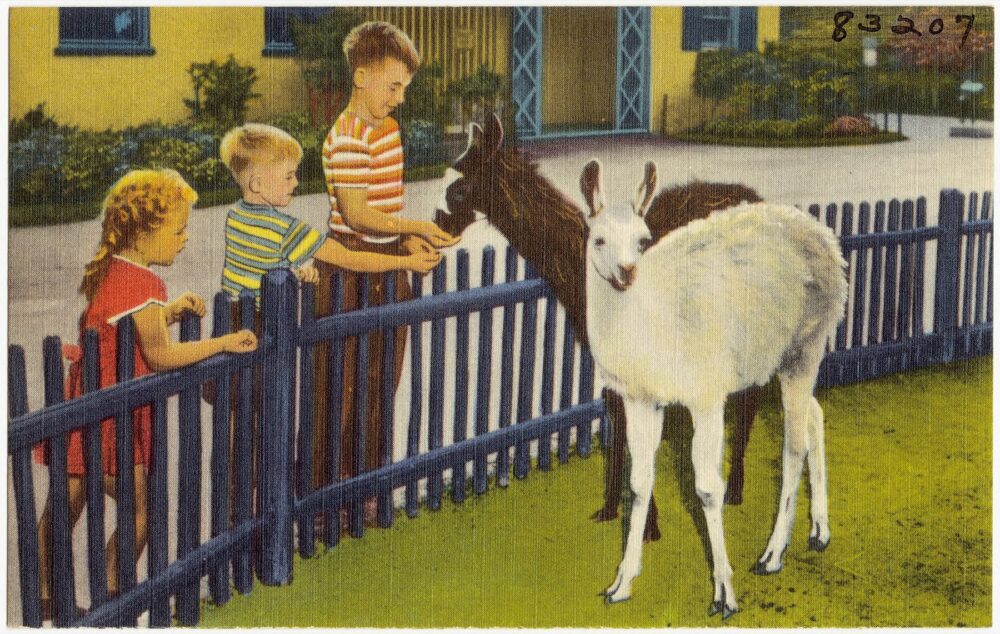
Zoo fence art is easiest to find on general marketplaces and fence‑art specialists; artisan platforms are best for unique pieces, while cross‑border B2B sites suit bulk buyers. DHgate, a China‑based wholesale marketplace, can work if you’re sourcing zoo‑themed decor in volume, but it’s a niche route here and you’ll need to vet each listing carefully because dedicated “zoo fence art” categories are limited.
If you’re decorating a home, daycare, or petting zoo, you’ll usually get better results starting with artisan platforms, fence‑art brands, or big‑box retailers, then treating cross‑border marketplaces as a secondary option for generic animal prints or panels.
What Counts as Zoo Art and Fence Art for Outdoor Spaces?
“Zoo art” generally means artwork that depicts animals or zoo scenes—sculptures, prints, or panels showing lions, llamas, parrots, and so on, often inspired by exhibits or wildlife conservation themes. Specialist suppliers like Metal Zoo highlight how animal sculptures and mesh can be used around animal environments, but you’re mostly looking at decorative, not structural, pieces.
“Fence art” is different: it refers to decorative elements that mount onto, cut into, or replace sections of a fence. For example, Roma Fence sells metal fence art panels designed to be inserted between fence posts as a visual accent for residential or commercial properties.
For most readers, “zoo fence art” means zoo‑themed decorative pieces on a fence—think animal silhouettes on a school playground fence or a row of cartoon zoo animals along a daycare yard. It does not mean zoo‑grade containment fencing for live animals. Those chain‑link or heavy mesh systems are engineered for safety and are usually sourced through specialized industrial suppliers, not decor channels.
Use cases where decorative zoo fence art fits:
- Home backyards with animal‑themed play areas
- Schools and daycares wanting a kid‑friendly “mini zoo” fence line
- Small petting zoos, farm parks, or animal rescues looking for visual storytelling on public‑facing fences
If you’re working on a public zoo or safety‑critical project, you’ll typically separate structural fencing (specified by engineers and regulators) from decorative art, and public procurement rules may limit which vendors you can use.
Types of Zoo Fence Art: Materials, Formats, and Durability
You’ll see a few clear sub‑types when you start browsing zoo‑themed fence decor. They differ in how they mount and how well they survive weather.
1. Metal fence art panels
Companies like Roma Fence offer powder‑coated metal panels that drop into a fence frame. These usually feature cut‑out designs—trees, birds, animals—and are meant as long‑term architectural accents.
Pros:
- Strong visual impact; cut‑outs cast interesting shadows
- Generally good long‑term durability if properly coated
- Integrated look with the fence structure
Cons:
- Higher cost than light decor pieces
- Installation might require modifying or rebuilding sections of fence
- Heavy; not ideal for temporary or rental situations
2. Decorative barrier sets with animal themes
Retail sets like the tall garden animal barrier fence on Shein combine function and decor. That product is a 32‑inch‑tall, two‑panel barrier with a small gate, marketed for gardens and outdoor dog spaces, and it incorporates decorative design into the metal frame.
Pros:
- Ready‑made sets with posts, panels, and sometimes gates
- Suitable for small pet or garden containment where only light duty is needed
- Visual theme built into the structure (often scrollwork or animal shapes)
Cons:
- Limited height and strength compared with true livestock or zoo fencing
- Fixed panel sizes; you design your space around the kit
- Styles skew to generic garden motifs; strictly “zoo” themes can be rare
3. Mounted animal decor (resin, vinyl, or wood)
On artisan platforms, you’ll find zoo animal fence decor sold as separate pieces—flat metal silhouettes, resin plaques, or vinyl signs that screw or zip‑tie to an existing fence. Many Etsy zoo animal fence listings are handmade or custom, letting you specify animals, names, or colors.
Pros:
- Easy to add to an existing fence with minimal tools
- Highly customizable; often made to order
- Simple to replace or remove if themes change
Cons:
- Durability varies widely by material and finish
- Vinyl or unsealed wood can fade, warp, or peel outdoors
- Many pieces are decorative only and not child‑proof for climbing
4. Art hung along fences
In Honolulu, Art on the Zoo Fence is an outdoor gallery where local artists hang paintings and prints along the Honolulu Zoo fence on designated days. While that’s an in‑person event rather than a product line, it shows another format: standard art (canvas, framed prints) temporarily mounted to a fence.
That approach works for pop‑up events, seasonal displays, or school art shows, but if you’re planning year‑round outdoor art, you’ll need weather‑resistant materials and hardware.
Quick material comparisons
Here’s a compact way to think about materials and formats:
| Type | Typical material | Best for | Durability judgement* |
|---|---|---|---|
| Integrated fence art panel | Powder‑coated metal | Permanent home/venue fences | Strong if coating holds up |
| Garden barrier fence set | Metal or coated steel | Small pet/garden areas with decor | Moderate; depends on coating |
| Mounted animal plaques/signs | Resin, vinyl, wood | Playful themes on existing fences | Variable; check outdoor rating |
| Hung artwork on fence (events) | Canvas, framed prints | Short‑term displays and art fairs | Low outdoors; plan for removal |
*Editorial judgement based on typical materials; individual products vary.
Where to Buy Zoo Fence Art Online (Including DHgate) and How to Match Channels to Your Needs
Online, you’ll be picking from four main channel types: artisan platforms, big‑box/general marketplaces, fence specialists, and cross‑border marketplaces.
Artisan and independent‑seller platforms
If you want unique zoo animals or custom names on your fence, artisan platforms are usually the best starting point.
- Etsy: Searching for “zoo animal fence” surfaces handmade decor such as animal silhouettes, themed signs, and custom panels from independent makers. Many sellers offer personalization (child’s name with animals, specific species) and are open to small‑batch orders, which is ideal for daycares or small e‑commerce brands wanting a signature look.
- Local artist networks: Events like Art on the Zoo Fence show how local artists adapt zoo themes. Even though that particular gallery sells in person, browsing its artist list or similar community events can help you commission work, then mount it as fence art using outdoor‑grade substrates.
Choose this channel if: aesthetics and uniqueness matter more than standardized hardware and you’re okay with talking directly to an artist about sizing and outdoor finishing.
Big‑box retail and general marketplaces
Large retailers and general marketplaces (Walmart, Home Depot, Amazon, Shein) tend to stock ready‑made decorative fence panels, garden barriers, and animal‑themed yard decor.
The Shein garden animal barrier fence is a good example: it’s a 32‑inch high, 4.4‑foot total length barrier with a gate, marketed as both functional dog fencing and decorative garden edging.
This type of listing is useful if you:
- Need something you can assemble quickly without custom fabrication
- Prefer standardized sets with clear dimensions
- Are comfortable with broadly appealing designs (animals, scrollwork, flora) rather than highly specific zoo scenes
For US buyers, these channels are also practical for returns and shipping, though policies vary by retailer.
Fence‑specialist brands
If you’re already planning or upgrading a fence, decorative panels from specialist fence manufacturers can give you a more integrated look. Roma Fence markets metal fence art panels as add‑ons to residential and commercial fences, with designs intended to sit between posts or within existing frameworks.
This route works best when:
- You’re building or replacing a fence and want art baked into the design
- Durability and structural compatibility matter more than vivid zoo imagery
- You have access to installers who can handle metal panels and framing
You can still create a zoo theme here by choosing nature or animal motifs, but options are more stylized than literal cartoon zoos.
Cross‑border marketplaces (where DHgate fits)
Cross‑border marketplaces connect you directly with overseas manufacturers and wholesalers. DHgate is one such China‑based B2B platform, described in its own editorial content as connecting global buyers with suppliers across categories like home decor and art prints.
For zoo fence art, these marketplaces are most relevant when:
- You’re a small e‑commerce business or venue sourcing in bulk (e.g., repeated animal motifs for multiple locations)
- Your theme can be built from generic animal prints, silhouettes, or garden decor rather than very specific “zoo fence” products
Limitations:
- There’s no evidence of a deep, dedicated “zoo fence art” category; you’ll likely search more broadly (animal wall art, garden decor, fence panels) and adapt what you find.
- Listing quality, materials, and true outdoor suitability vary, so you’ll need to ask suppliers detailed questions about coatings, thickness, and hardware.
If you decide cross‑border sourcing might be worth exploring, it’s sensible to first understand what DHgate is and how the marketplace works and how to find trusted sellers on DHgate, then run through the DHgate order‑readiness checklist before placing bulk or resale orders.
Matching channels to your scenario
For most US readers:
- Home or small daycare decor: Start with Etsy or similar artisan platforms for playful zoo animals, then supplement with big‑box decorative fence sets if you need light containment.
- Small venue or farm park: Blend fence‑specialist panels (for durability and structure) with mounted animal plaques from artisans to get both longevity and theme.
- Resale or multi‑site branding: Consider commissioning a digital design from an artist, then having it reproduced at scale via a cross‑border marketplace or local print/fabrication shop, so you control both the art and the production quality.
Thinking in terms of use case—rather than chasing a single “zoo fence art” product—will help you choose the right mix of channels and avoid buying decorative items for jobs that really require engineered fencing.