
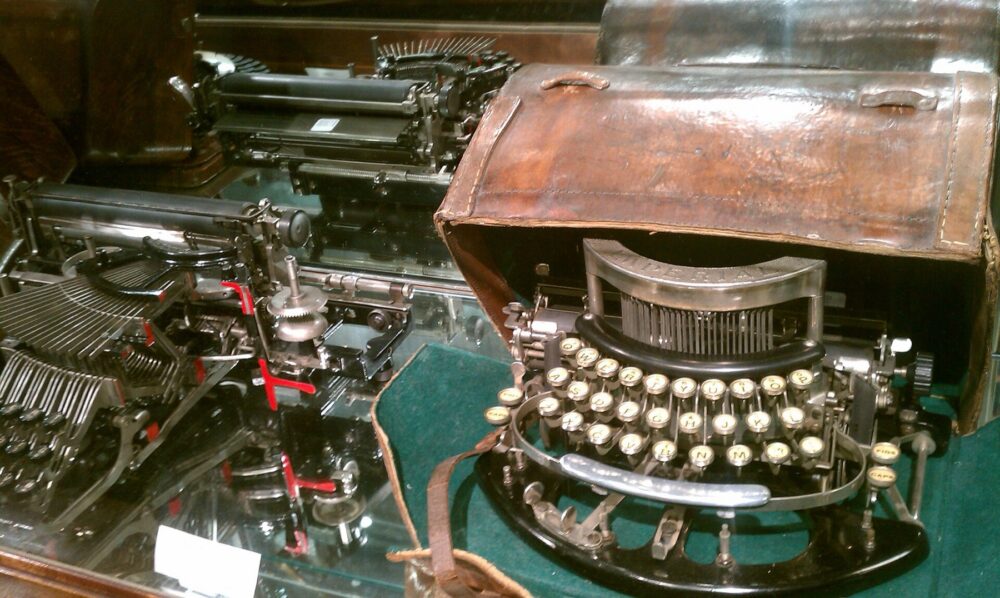
True traveling typewriters today are mostly traded through vintage and collector channels, not mass‑market sites. You’ll find mechanical portables like Hermes 3000 or Olympia SM series through specialist dealers, eBay, Etsy shops, and enthusiast forums. Cross‑border marketplaces such as DHgate can be useful if you’re sourcing modern retro‑styled machines or accessories in bulk, but they rarely offer authentic mid‑century travel typewriters and you’ll need to treat any listing as unverified until you’ve done your own checks.
If you’re a US buyer or small ecommerce seller, that split matters. Collectors usually want specific models and original parts; resellers often care more about portable typing experiences or “typewriter aesthetic” products they can stock consistently. The best channel for you depends on whether you’re chasing a particular vintage machine or building inventory around the broader travel‑typewriter look and use case.
What Counts as a Traveling Typewriter Today?
Historically, a “traveling typewriter” meant a compact mechanical typewriter designed to be carried on trains, planes, or in a car. Editorial buyer guides often point to portable models like the Hermes 3000 or Olympia SM series as classic examples: fully mechanical machines, smaller than office desktops, sold with hard cases for mobility.
You’ll also see the Olympia Traveller line described as a lightweight portable typewriter for travel, highlighting the same idea: reduced weight and footprint so you can pack it without sacrificing basic typing performance.
Today, people use “traveling typewriter” to describe three overlapping things:
- True vintage portables – mid‑20th‑century mechanical machines that were marketed for portability.
- Later analog portables – models from the 1970s–80s that are still mechanical but may use more plastic and feel less collectible.
- Retro‑styled modern devices – USB or Bluetooth keyboards or hybrid typewriters built to look vintage but not necessarily use ribbons and mechanical linkages.
Collectors and writers who care about feel and history generally mean the first group. Ecommerce sellers often blur the line, selling both genuine portables and modern “typewriter‑style” keyboards as travel‑friendly writing tools.
Key Types and Specs Buyers Should Know Before Sourcing
Before you decide where to shop, it helps to be clear which category you’re actually sourcing and what specs matter.
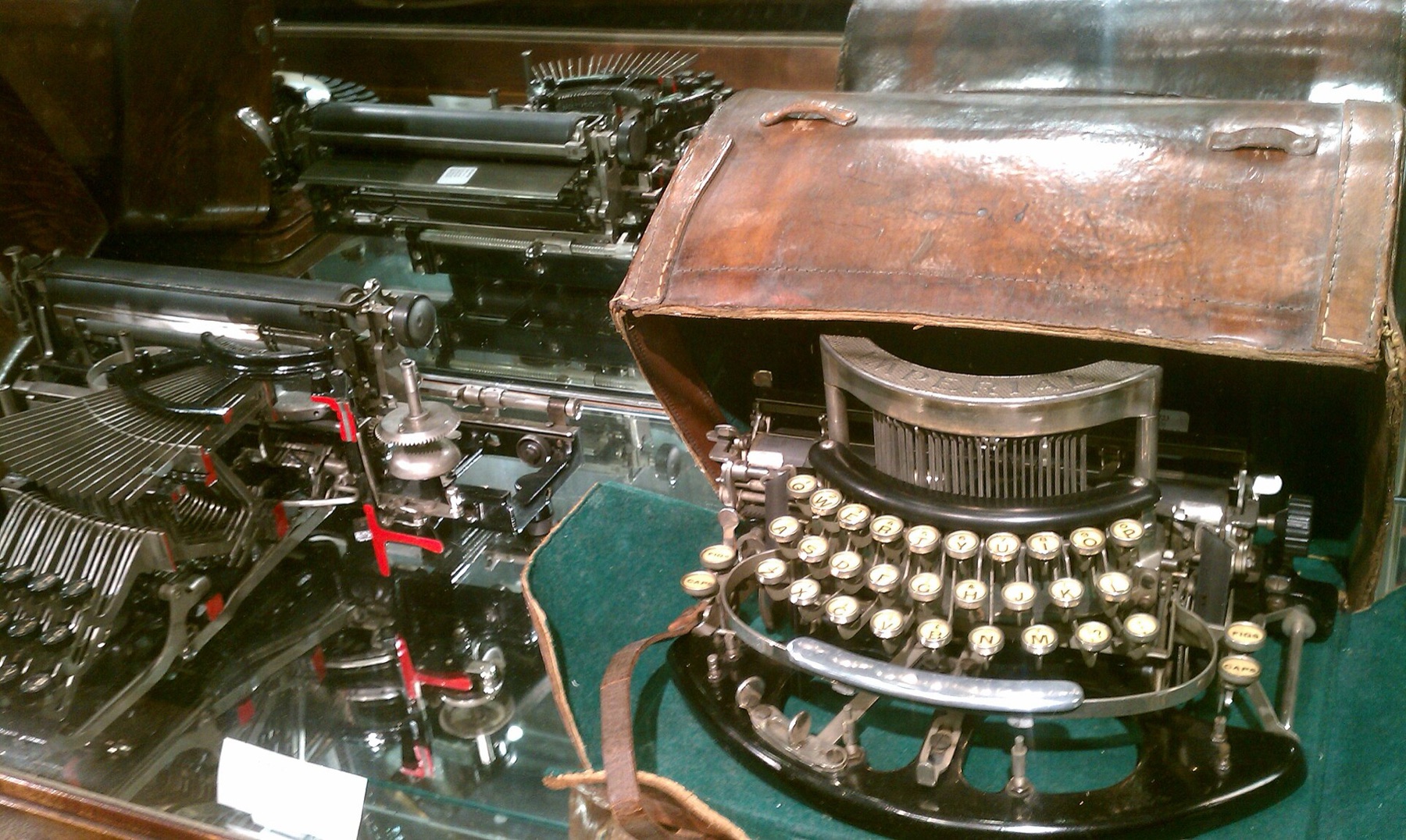
1. Mechanical portable typewriters
These are the classic traveling typewriters.
Typical traits:
- Compact body and case – smaller footprint and latching lid for travel.
- Manual mechanism – no electronics; key action and carriage feel vary by brand.
- Standard ribbon sizes – often compatible with generic ribbon spools, which matters if you’re reselling.
Examples often cited in editorial guides include Hermes 3000 and Olympia SM‑series portables, plus dedicated travel models like Olympia Traveller. If your buyers care about authenticity or specific brands, you’re primarily shopping in the vintage/collector ecosystem, not bulk wholesale.
2. Retro‑styled modern machines and keyboards
This bucket includes:
- New mechanical or electronic typewriters styled to look vintage.
- USB/Bluetooth “typewriter keyboards” meant for laptops and tablets.
Specs that matter:
- Form factor – whether it’s truly stand‑alone (prints to paper) or just a keyboard.
- Connectivity – modern keyboards may add wireless support.
- Build quality – plastic vs metal housings; keycap quality.
These are more likely to show up on general consumer marketplaces and cross‑border wholesale sites. For resellers, the advantage is repeatable supply and consistent packaging, even if the tactile experience differs from a Hermes or Olympia.
3. Accessories and compatible parts
Whether you’re buying one machine for personal use or stocking a small shop, accessories are often easier to source in bulk than the typewriters themselves:
- Ribbons and spools – generic black or bichrome ribbons that fit common portable mechanisms.
- Cases and covers – soft travel sleeves or replacement hard cases.
- Cleaning and maintenance tools – brushes, compressed air alternatives, small screwdrivers.
This is where cross‑border marketplaces and wholesale platforms claim strength: DHgate’s own editorial positions the site as a leading online wholesale marketplace offering direct‑from‑manufacturer pricing across diverse categories. That makes it more plausible to source ribbon spools or travel cases than specific vintage Olympia or Hermes machines.
Quick channel fit by product type
| Product type | Best primary channels | Typical buyer use case |
|---|---|---|
| Vintage mechanical portables | Specialist dealers, eBay, Etsy, collector forums | Collectors, serious writers, niche retail |
| Retro‑styled modern typewriters | Amazon, general marketplaces, some wholesalers | Giftable items, decor, casual typing |
| Typewriter‑style keyboards | Amazon, cross‑border sites, dropship suppliers | Digital nomads, aesthetic workstations |
| Ribbons, cases, accessories | Office‑supply sites, wholesale platforms, cross‑border marketplaces | Ongoing stock for shops, maintenance kits |
Best Online Channels to Find Traveling Typewriters, Including DHgate
You’re choosing not just a product, but a sourcing ecosystem. Here’s how the main online routes stack up for US buyers and small ecommerce sellers.
Vintage and collector marketplaces
If you want a specific model—say an early Hermes 3000 or Olympia SM portable—your best bets are:
- Specialist dealers and shops – independent typewriter dealers often list machines on their own sites and through curated online storefronts.
- eBay and Etsy – lots of individual listings, with a mix of serviced and “attic find” machines.
- Collector communities – forums and social groups where members trade and sell machines directly.
Pros:
- Access to authentic machines, often with detailed descriptions and photos.
- Chance to buy from sellers who know how to service typewriters.
Limits:
- Inventory is one‑off; you can’t count on repeatable stock for a retail range.
- Quality and refurbishment level vary widely; each purchase requires close scrutiny.
Mainstream consumer marketplaces
Large consumer platforms (like Amazon or big‑box online stores) lean more toward:
- New retro‑styled typewriters.
- Typewriter‑like USB/Bluetooth keyboards.
- Basic accessories such as ribbons.
For a small ecommerce business, these channels are useful if you’re testing demand for “typewriter aesthetic” products without committing to servicing vintage hardware. You’re buying modern, repeatable items that most customers treat as decor or casual writing tools.
Cross‑border wholesale and B2B marketplaces
Cross‑border marketplaces connect you directly to manufacturers and wholesalers, typically in China. DHgate is described in independent references (including Wikipedia and DHgateWiki platform guides) as a Chinese cross‑border marketplace linking global buyers with manufacturers and wholesalers across many categories.
For traveling typewriters, that kind of platform usually plays a supporting role:
- Realistic fits – retro‑styled machines, typewriter keyboards, ribbons, travel cases, and packaging you can buy in volume.
- Weak fits – genuine mid‑century Hermes, Olympia, or similar portables; those rarely surface in bulk on wholesale marketplaces.
DHgate’s own editorial comparisons with consumer sites like Amazon highlight wholesale pricing and niche product access as key differentiators, which aligns with using it for accessories or modern lookalikes rather than authentic vintage stock.
If you do explore DHgate or similar sites, treat each listing as its own project:
- Check seller history and item photos in detail.
- Prioritize generic accessories over branded “vintage” claims.
- Use independent tools that focus on DHgate legitimacy and risk, such as the DHgate‑specific reviews on Hard.fyi or the spreadsheet‑style filters at DHgateSheetFinds, to get a sense of how other buyers evaluate sellers.
How to pick channels based on your scenario
- You’re a collector or writer chasing a specific machine. Focus on vintage dealers, eBay/Etsy, and enthusiast forums. Expect to buy one at a time, possibly across borders, and budget for servicing.
- You’re a small retailer curating a shelf of analog travel typewriters. Mix: use vintage channels for a few hero pieces (Hermes, Olympia, etc.), but build the rest of your assortment around modern retro‑styled machines and accessories sourced from mainstream or wholesale platforms. Your inventory needs repeatability.
- You’re an online seller targeting “typewriter aesthetic” buyers. Treat authentic traveling typewriters as occasional limited releases. For day‑to‑day sales, lean into typewriter‑style keyboards, themed stationery, and travel cases that are easier to replenish via standard or cross‑border marketplaces.