
You can find sunflower seeds and sunflower‑themed products across mainstream marketplaces, handmade‑craft platforms, print‑on‑demand tools, and social/digital content sites. DHgate is one option if you want low‑cost cross‑border seeds or decor in bulk, but it works best when you’re prepared to vet individual sellers and listings carefully rather than assuming uniform quality.
For US buyers and small ecommerce businesses, the decision is less “where is anything available?” and more “which channel fits my specific sunflower idea—plants, home decor, apparel, party supplies, or digital art?” This guide maps those product types to realistic online sources so you can pick channels, test demand, and only add cross‑border platforms like DHgate when they genuinely help your margin or assortment.
What Counts as Sunflower and Sunflower‑Themed Content Online?
Sunflowers themselves are pretty clear: the plant, its seeds, and realistic floral imagery. Online, though, “sunflower‑themed” stretches into a whole aesthetic. Because sunflowers are broadly associated with warmth, happiness, and positivity, they show up everywhere from kitchen towels to Instagram story templates.
Think in two buckets:
- Physical sunflower goods – anything you can ship:
- Seeds for gardening or bird feed
- Artificial or dried sunflower stems
- Tableware and linens with sunflower prints
- Apparel and accessories (t‑shirts, hoodies, earrings, tote bags)
- Party supplies and event decor (banners, balloons, centerpieces)
- Digital sunflower content – files you download or reuse:
- Printable wall art and invitation templates
- Social media post/story designs with sunflower motifs
- AI‑generated sunflower images or video backdrops
- Clipart, icons, and pattern packs for designers
If you’re a small ecommerce seller, both buckets matter. You might run a summer “sunflower kitchen” line using physical goods, while your marketing relies on sunflower‑based templates for Instagram and email banners.
Key Sunflower Product Types and How They Differ
Before you choose channels, break your idea into specific product types. Each type has different specs, risks, and sourcing fits.
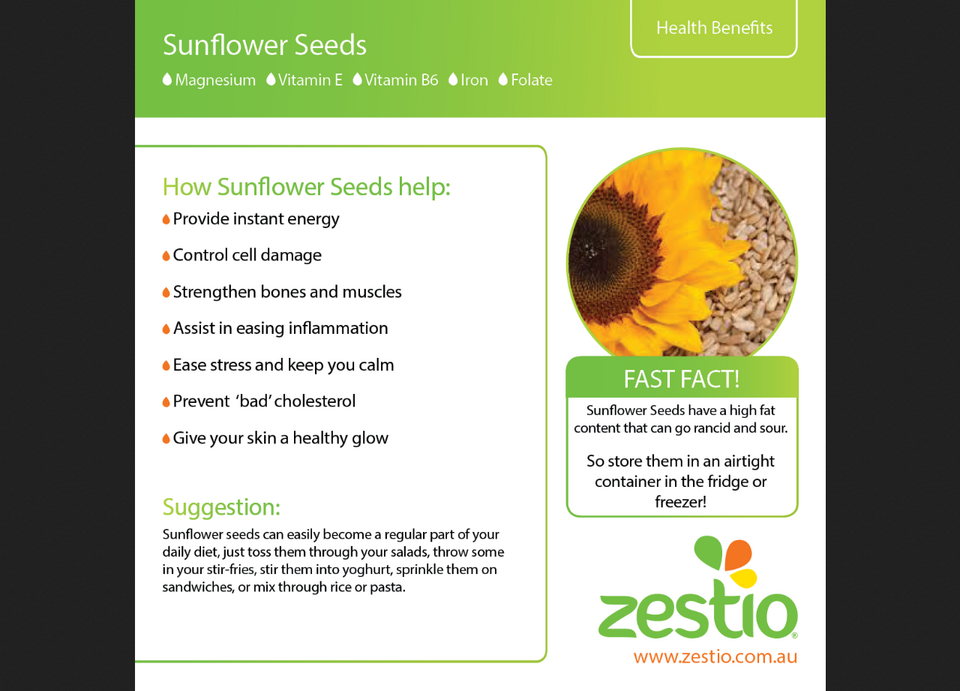
1. Sunflower Seeds
Sunflower seeds online can mean:
- Gardening seeds – packets labeled by variety (e.g., tall decorative, dwarf, multi‑branching). Specs that matter:
- Variety name and height spread
- Growing zone compatibility and days to maturity
- Intended use (ornamental vs. edible seeds)
- Bird feed or edible seeds – often sold as bulk food rather than plant seeds. Specs that matter:
- Raw vs. roasted, salted vs. unsalted
- Grade/cleanliness and origin
Cross‑border platforms including DHgate host flower and vegetable seeds among broader gardening supplies. That makes seeds accessible and often inexpensive, but you don’t get a local nursery’s oversight. For anything beyond casual home gardening or decor use, treat variety claims and germination expectations cautiously and consider domestic suppliers.
2. Sunflower Decor and Florals
This category covers artificial stems, wreaths, centerpieces, wall art, and seasonal displays.
Key differences:
- Material – silk vs. plastic flowers, wood vs. MDF wall art, fabric vs. vinyl banners.
- Finish level – hand‑painted or artisan pieces vs. mass‑printed decor packs.
- Intended setting – indoor home decor, outdoor festivals, retail window displays.
Mass‑produced decor packs (garlands, backdrops, inflatable sunflower props) are widely available on large marketplaces and cross‑border platforms. More unique, rustic, or farmhouse‑style sunflower decor tends to live on artisan marketplaces and niche craft shops.
3. Apparel and Accessories
Sunflower motifs show up on clothing and everyday carry items:
- Printed or embroidered t‑shirts, hoodies, pajama sets
- Jewelry (pendants, studs, bracelets)
- Bags, hats, scarves
Decisions here revolve around:
- Print method – screen print, DTG, sublimation, embroidery.
- Fabric quality – cotton vs. blends, weight, and feel.
- Originality – generic sunflower clipart vs. distinctive art your store can own.
If you’re reselling, avoid generic designs that are on every marketplace; look for original art or use your own digital sunflower content with print‑on‑demand.
4. Party Supplies and Event Sets
Sunflower themes work well for summer birthdays, rustic weddings, and harvest events. Products include:
- Coordinated packs (plates, cups, napkins, banners)
- Photo backdrops and balloon arches
- Favor bags and small gifts (stickers, pins, keychains)
Here you’re balancing quantity, visual impact, and storage. Large multi‑item packs from cross‑border sellers may be cost‑effective for a party‑supply business, while domestic marketplaces can ship smaller quantities faster for one‑off events.
5. Digital Sunflower Assets
Digital sunflower content is a fast way to test an aesthetic or support physical products.
Examples:
- Printable art bundles and nursery decor themes
- Instagram story/post sets with sunflower framing
- AI templates for generating sunflower photos or animations
Platforms like AI‑art/template sites (for instance, sunflower templates on a1.art) and design marketplaces give you ready‑to‑use assets. Pay attention to licensing: personal use, commercial use, or resale of printed goods all have different rules.
Best Online Channels for Sunflower Products (and When to Include DHgate)
You don’t need every platform; you need the right mix for your use‑case. Here’s a high‑level map.
Channel Comparison by Use‑Case
| Use‑case / product need | Strong channels | Where DHgate can fit |
|---|---|---|
| Home gardening sunflower seeds | Local garden centers; large US marketplaces | Bulk decorative seeds if you verify each listing |
| Handmade or rustic sunflower decor | Artisan marketplaces (Etsy‑style), small craft shops | Some cross‑border artisan pieces; vet craftsmanship |
| Apparel & accessories with sunflower | Print‑on‑demand platforms; fashion marketplaces | Low‑cost bulk accessories; check materials & photos |
| Party supplies & event packs | Party‑supply sites; big marketplaces seasonal sections | Bulk decor/balloon sets for recurring events |
| Digital sunflower art & templates | Design/template marketplaces; AI‑art platforms like a1.art | Not relevant (DHgate is product‑focused) |
This table is deliberately simple; the real work is picking channels based on seasonality, risk tolerance, and whether you’re buying for yourself or for customers.
How Major Channel Types Work for Sunflower Products
1. Big multi‑category marketplaces (Amazon‑style, Walmart.com, etc.) Useful for: fast delivery, clear returns, and mainstream sunflower goods—party packs, kitchen decor, some apparel. These are your safest testbed for basic demand before chasing margin elsewhere.
2. Handmade and craft marketplaces Useful for: unique sunflower aesthetics—felt florals, farmhouse wall art, nursery sets, custom invitations. Prices are higher, but you get distinct designs and smaller maker stories that can matter for brand positioning.
3. Print‑on‑demand and apparel platforms Useful for: turning your own sunflower art into physical goods without holding inventory. Upload sunflower graphics or licensed templates, then list products on your store.
4. Digital design and AI‑template platforms Useful for: marketing and low‑risk experimentation. You can buy a sunflower‑themed social pack from a design marketplace, or generate fresh sunflower imagery from template sites like a1.art to keep your feed feeling seasonal.
5. Cross‑border marketplaces (including DHgate) Useful for: bulk, cost‑sensitive buys—decor packs, accessories, and gardening items—when you’re prepared for longer lead times and more hands‑on verification.
DHgate is one of the larger global marketplaces connecting mainly Chinese sellers with buyers worldwide across many categories. Editorial material from its own blog highlights wholesale‑style pricing and a wide catalog, including gardening and flower seeds such as sunflowers. That can suit a small ecommerce operation experimenting with sunflower gift packs or decor bundles, but only if you:
- Treat each listing as a separate bet: read product descriptions closely, compare photos, and look for detailed specs on materials and sizing.
- Check seller‑level evidence: ratings, review content, and transaction history are your only real window into past buyer experience.
For deeper DHgate‑specific checks, you can use DHgateWiki’s trust resources like what DHgate is and how the marketplace works, find trusted sellers on DHgate, and the DHgate order‑readiness checklist.
Practical Bundles for Small Ecommerce Testing
To make this concrete, here are a few sunflower concepts and channel mixes that often work:
- “Sunflower Kitchen Refresh” bundle – tea towels, oven mitts, and a small wall print. Source towels and mitts from mainstream or artisan marketplaces, then pair with digital art you print in‑house.
- “Summer Sunflower Party Kit” – banner, paper goods, balloon arch. Test the concept with domestic party‑supply sites first. If it sells, evaluate bulk cross‑border decor packs for margin improvement.
- “Sunflower Comfort Set” – hoodie, mug, sticker sheet. Use print‑on‑demand for apparel and mugs, plus digital sunflower sticker sheets from design marketplaces you can print or have manufactured.
For both personal buyers and small shops, the simplest workflow is: validate your sunflower idea on channels with clearer policies and faster shipping, then layer in lower‑cost cross‑border sourcing only where it adds real value and you can afford the risk. Sunflowers are a cheerful, high‑demand motif; your job is picking the channels that keep that theme profitable and manageable, not just cheap.