
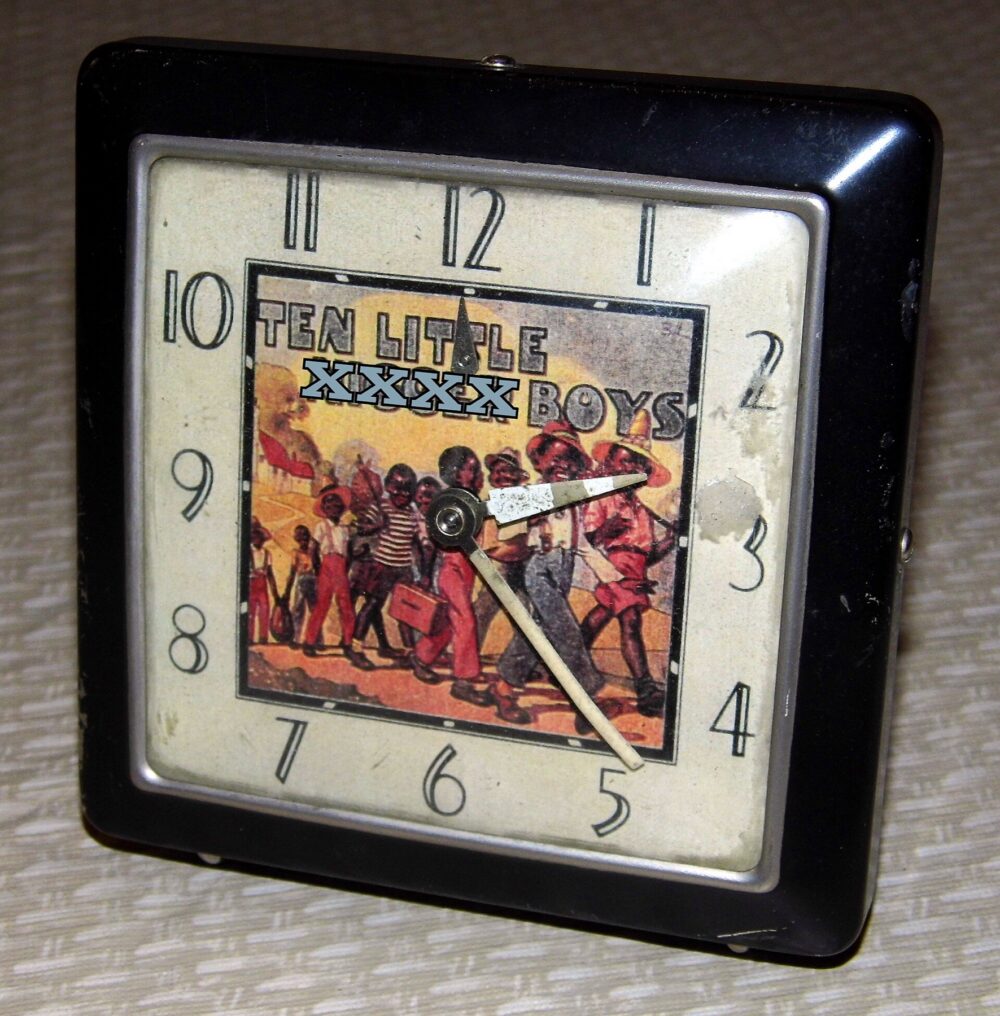
You’ll get the best mix of novelty clocks and alarm clocks by splitting your search across several channels: big US retailers for easy, reliable basics; niche and secondhand marketplaces for unique or vintage pieces; and cross-border platforms such as DHgate if you want low-priced designs or small wholesale batches. DHgate connects global buyers to mainly Chinese wholesalers and manufacturers, but selection and quality are listing-by-listing, so it’s better for experimental sourcing than for a single dependable bedside alarm.
Once you’re clear on what type of clock you want and how many you need, you can match that to the right channel: a single kawaii cat alarm for your nightstand is a different decision than 30 retro-style clocks for your Etsy shop or discount store.
What Counts as a Novelty Clock or Alarm Clock (and Why People Buy Them)
Novelty clocks and alarm clocks are regular timepieces that are dressed up with creative or themed designs. They still tell time or wake you up, but the look is what makes them interesting.
Common reasons people buy them:
- Home décor: A quirky wall clock in the kitchen or a retro alarm clock on a nightstand becomes a visual focal point.
- Gifts: Themed clocks (animals, cartoons, hobbies, retro ads) work well as personal gifts.
- Small ecommerce resale: Low-ticket, visually distinctive items are popular for online boutiques or booth-style sellers.
Novelty clocks can be wall-mounted, tabletop, or desk-sized. Alarm clocks add wake-up functions: a buzzer, tone, or sound effects. Some clocks combine both: for example, a themed tabletop piece with a loud mechanical bell.
Key Types and Features to Compare Before You Pick a Design
Before you decide where to buy, it helps to pin down what kind of clock you actually want. That makes searching and filtering far faster.
Form factor and style
- Wall clocks: Better for décor statements in living rooms, kitchens, offices.
- Table/desk/mantle clocks: Good for nightstands, shelves, and workspaces.
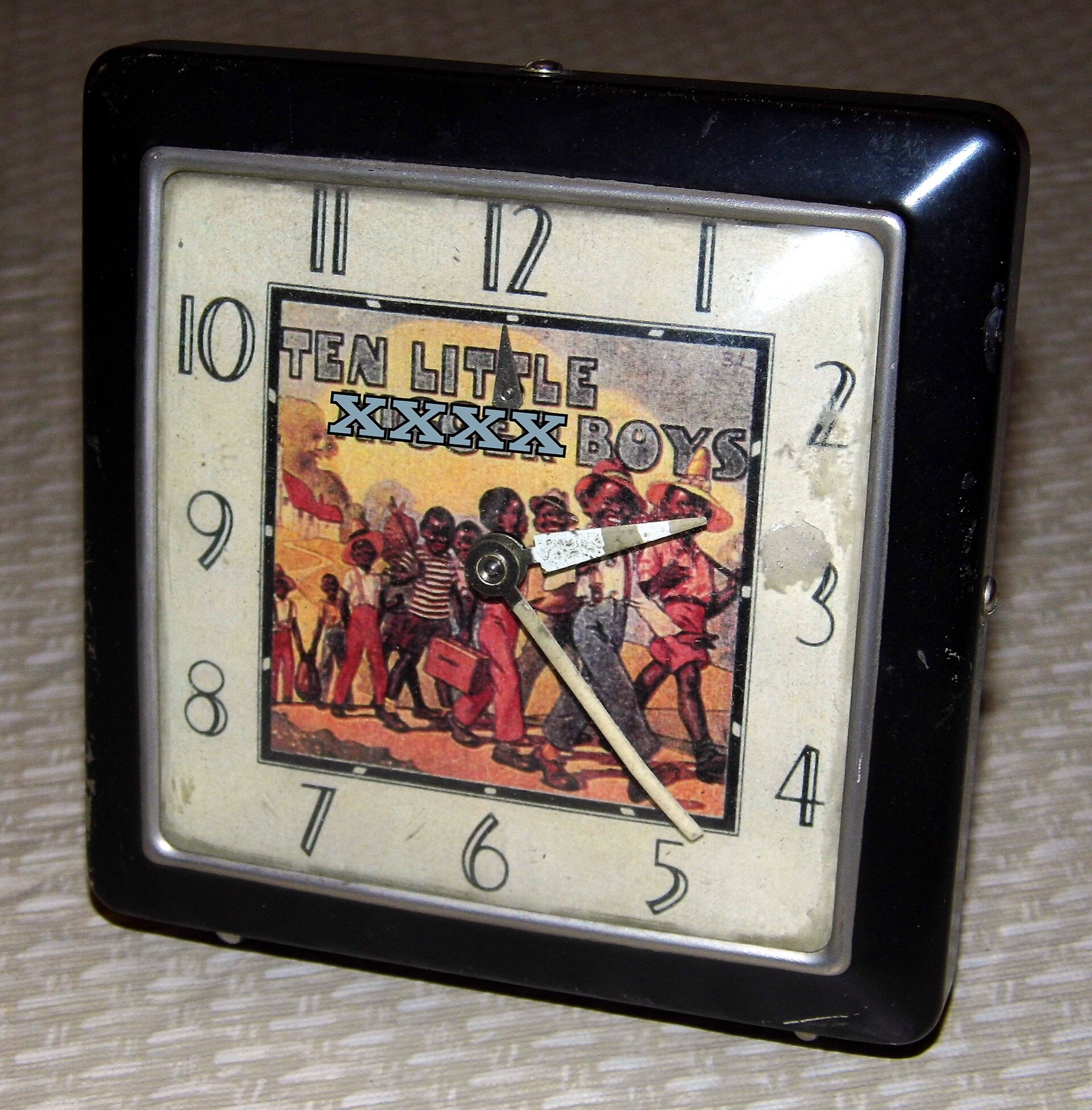
- Themes: Animals, vintage advertising, pop culture, retro travel, minimalist shapes. On marketplaces like Etsy’s novelty alarm clock section, you’ll see handmade and vintage themes that are much more specific than mass retail (e.g., 1960s-style typography, character art).
Display and movement
- Analog: Hands and dial; often used for retro or classic looks.
- Digital: LED or LCD display; easier to read at night and common at big-box stores.
- Silent vs ticking: For bedrooms or offices, many buyers prefer quieter movements.
Alarm behavior
Ask yourself:
- How loud? A decorative desk clock with a soft chime is different from a loud, mechanical bell meant for heavy sleepers.
- Single vs multiple alarms: Useful for people who want separate weekday/weekend times.
- Extra functions: Snooze button, backlight, talking time, or themed sound effects.
Power and practicality
- Battery-powered: Easy to place anywhere; very common for novelty designs.
- Plug-in / USB: Typical for larger digital alarm clocks with bright displays.
- Size and weight: Matters for wall mounting and for small ecommerce sellers thinking about shipping costs.
Spending a few minutes to list your must-haves (theme, size range, analog/digital, alarm loudness, power type) will make marketplace filters actually useful, instead of scrolling endlessly.
Best Places to Buy or Source Novelty and Alarm Clocks Online
Here’s how the main channels stack up for US buyers and small ecommerce sellers.
Quick channel overview
| Channel / platform | What it’s best for | Typical trade-offs |
|---|---|---|
| Etsy | Handmade, vintage, highly themed novelty and alarm clocks | Higher per-piece price; unique but less predictable restock |
| Target / Walmart | Mass-market novelty and digital alarm clocks | Good availability; designs more generic, limited deep niche themes |
| Mercari | Secondhand and vintage clocks, out-of-production designs | Condition varies; one-off finds, not scalable for bulk |
| DHgate | Low-priced, cross-border small wholesale or experimental imports | Listing-level quality checks needed; not ideal for a single “must-arrive” alarm |
| Comparison tools (e.g., Wikishopline) | Seeing options from multiple marketplaces at once | Good for scanning styles; still need to click through to check details |
Etsy: Handmade and themed clocks
Etsy is a marketplace geared toward handmade, custom, and vintage goods. Search within categories like “novelty alarm clock” or “novelty alarm clocks” and you’ll find:
- Handmade clocks with specific art styles or typography.
- Vintage mechanical alarm clocks with character illustrations or retro branding.
- Upcycled or customized pieces.
For home buyers, Etsy is a strong choice when you care more about uniqueness than price. For small sellers, it can also be a source of inspiration, but stock is often one-off, so it’s not ideal if you need 20 identical pieces.
Target and Walmart: Everyday novelty and digital alarms
US big-box retailers carry a wide set of practical alarm clocks plus some novelty designs under home décor.
- Target maintains a category for novelty alarm and digital clocks and also novelty mantle/table clocks.
- Walmart’s alarm clocks section includes basic digital alarms, loud alarms, and some novelty styles.
These channels work well if you want:
- A reliable bedside alarm or kids’ clock without hunting for hours.
- Moderate novelty (colors, simple motifs) rather than deep niche themes.
- Easy repeat purchases for a small local shop that resells mainstream brands.
Mercari: Secondhand and vintage novelty clocks
Mercari is a consumer-to-consumer marketplace where people list used and vintage items. In categories like novelty clocks and novelty vintage clocks, you’ll see:
- Discontinued designs from past decades.
- Branded promotional clocks (e.g., old advertising pieces).
- Mixed-condition mechanical alarm clocks and wall clocks.
Mercari is a good fit if you:
- Want a specific vintage look or brand that’s no longer made.
- Don’t mind inspecting photos closely and accepting signs of age.
For ecommerce sellers, Mercari can be useful for one-off flips, but it’s not a predictable source of multiple identical units.
DHgate: Cross-border, low-priced small wholesale
DHgate is a cross-border marketplace that links buyers with mainly Chinese wholesalers and manufacturers, offering low-priced goods with a focus on small wholesale rather than single local-store retail.
For novelty and alarm clocks, DHgate is most relevant when:
- You’re testing imported designs for a shop and want to buy in small batches.
- You’re comfortable doing extra due diligence on individual listings and sellers.
Because DHgate is a marketplace, not a single store, you’ll want to:
- Compare multiple listings with similar designs instead of trusting the first one you see.
- Read product descriptions carefully for size, power type (battery vs plug-in), and materials.
- Check seller ratings and buyer photos where available.
If you’re new to cross-border sourcing, it’s worth reading context like What DHgate is and how the marketplace works and practical pieces such as how to find trusted sellers on DHgate and the DHgate order-readiness checklist before committing to a bulk clock order.
Meta-comparison tools: Scan designs across marketplaces
If you don’t care where you buy yet and just want to see the range of alarm clock styles, comparison tools can help. For example, Wikishopline’s alarm clock comparison page aggregates listings from multiple marketplaces (including DHgate items) in one view.
That sort of page is handy to:
- Spot broad style patterns—minimalist digital blocks vs retro bells vs themed cartoon designs.
- Open individual marketplace listings in new tabs to check details like power source, size, and seller feedback.
Use these tools as a scouting step, then do your serious verification directly on the marketplace once you’ve short-listed a few designs.
For most US home buyers, starting with Target or Walmart for practical alarms, then browsing Etsy for a standout novelty piece, covers 90% of real needs. If you’re a small ecommerce seller experimenting with themed inventory or low-cost imports, layering in Mercari for occasional vintage finds and DHgate for small wholesale batches gives you a wider toolbox—but also adds more homework per listing.