
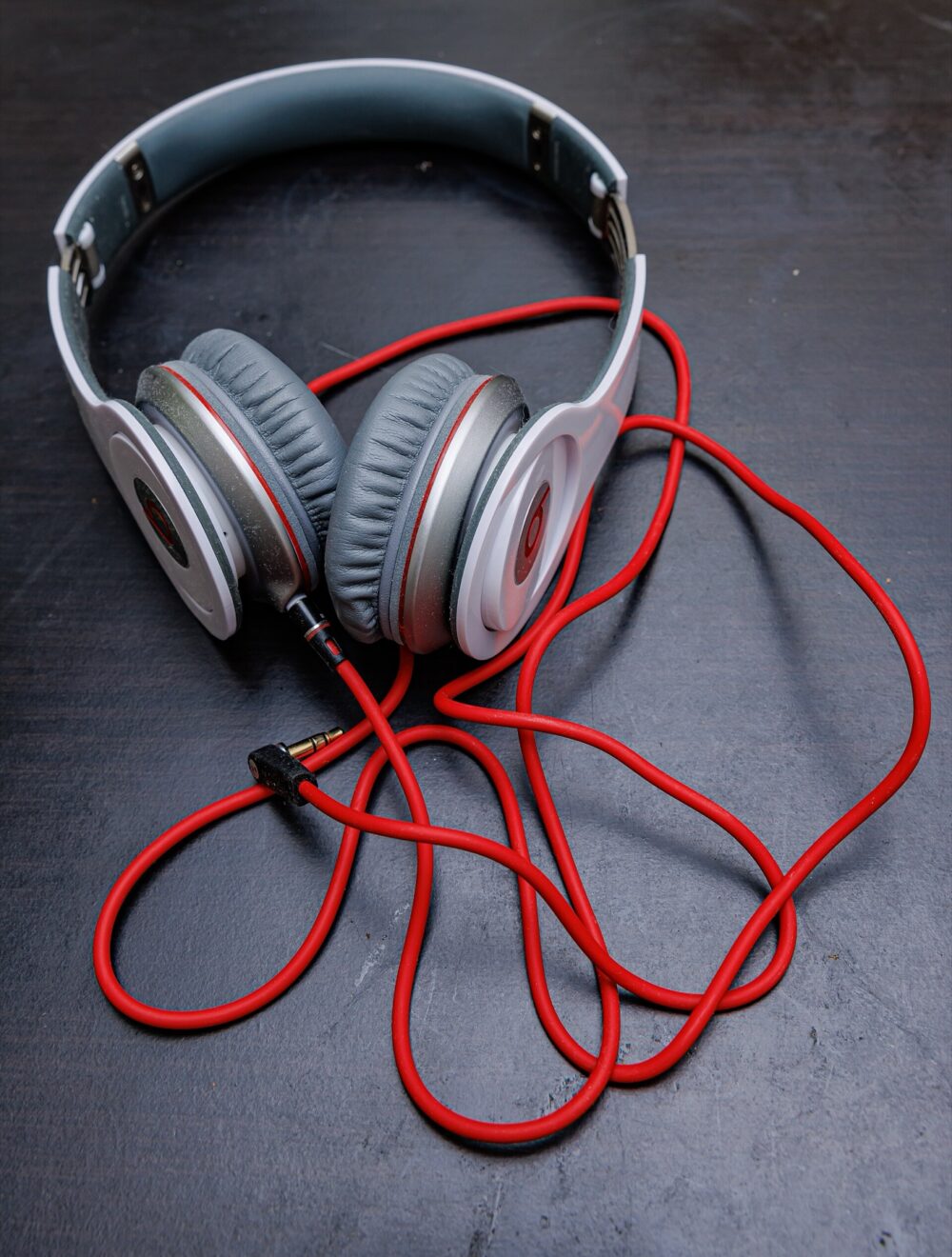
If you’re chasing an authentic Monster-produced Beats model, treat it as a legacy, mostly second-hand purchase. Focus on listings with clear photos, honest condition notes, and enough detail to judge whether the headphones match known Monster-era designs. DHgate is one large cross-border marketplace you might check for Beats-style headphones, but you should approach any “Beats” listing there as unverified until you’ve examined the seller, photos, and description at the same level of scrutiny you’d use on other platforms.
What Monster-era Beats by Dre Headphones Are and Why They’re Hard to Buy New
Monster was the engineering, production, and distribution partner behind the original Beats by Dr. Dre headphones. Early models like the first Beats Studio and Solo lines were effectively Monster-produced, even though the product branding focused on Beats and Dr. Dre rather than Monster.
That collaboration ended years ago. Beats is now owned by Apple, and the current retail lineup is made up of Apple-era designs. For Canadian buyers and small resellers, that history has a direct impact:
- Monster-era Beats are legacy hardware. They’re no longer produced as current retail models.
- New stock is rare. Instead of finding sealed Monster-produced units in big-box stores, you mostly encounter used or new-old-stock pieces from individual sellers or small shops.
On Canadian-facing resale platforms you can still see real examples. A listing for Monster Beats Solo Headphones on Poshmark Canada shows wired on-ear headphones where the photos and description highlight Monster-era styling and branding (Monster Beats Solo listing). On music-focused marketplace Reverb, a Beats by Dre Monster wired over-ear headphones (2010s) listing presents another pair as used gear from that earlier production run, leaning into its appeal for collectors and enthusiasts (Beats by Dre Monster wired listing).
If you’re trying to stock a store, this means you’re not building a catalogue around fresh Monster-era inventory. You’re selectively acquiring individual units when they appear.
Types of Monster-era Beats and What Matters in Listings
Monster-era Beats covered several headphone types, and sellers describe them in slightly different ways. Common patterns include:
- Over-ear, Studio-style models – full-size headphones with padded earcups and the signature “b” logo. Listings often emphasize the iconic look more than modern wireless features.
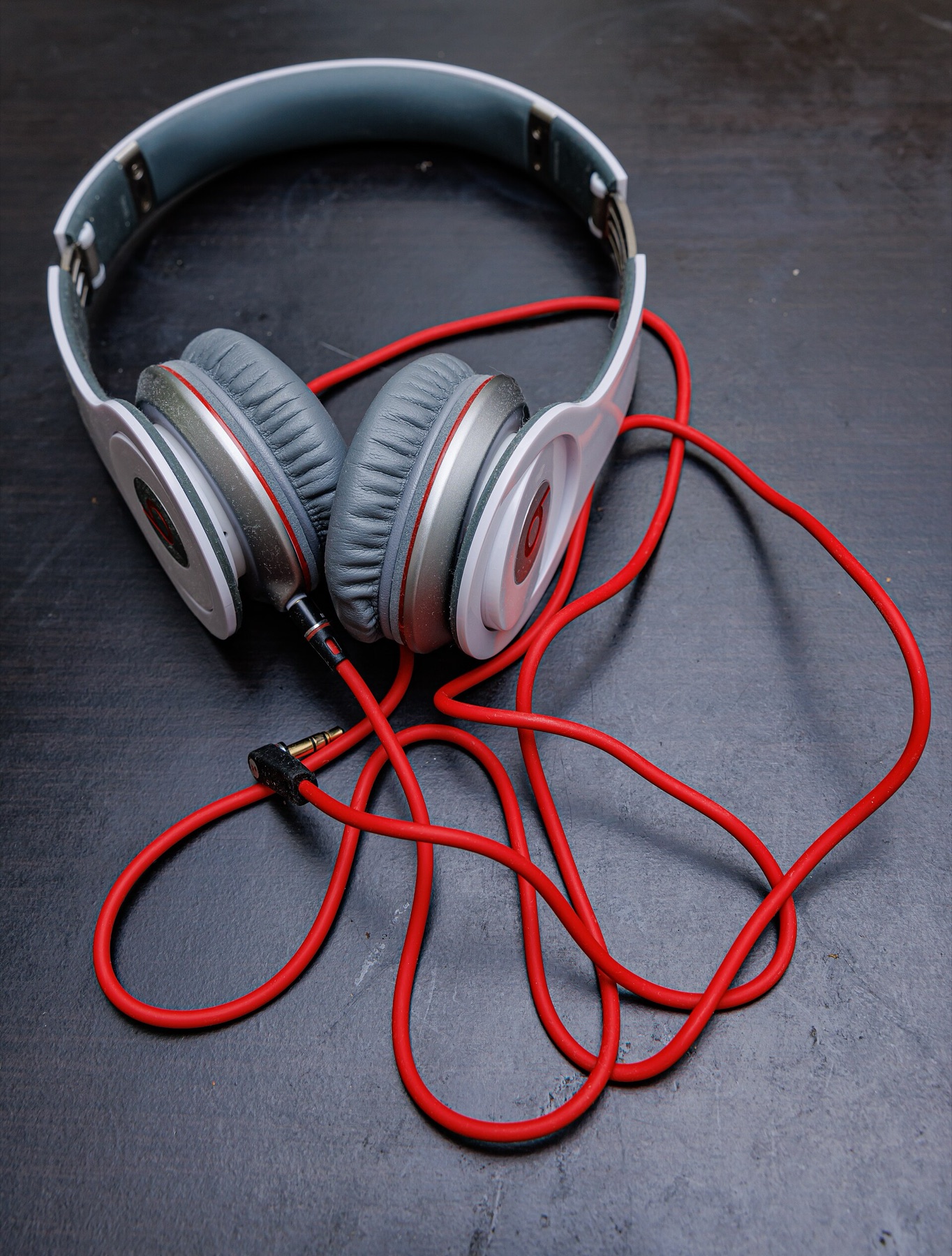
- On-ear Solo / Solo HD – lighter, more portable headphones like the red BEATS BY DR.DRE SOLO HD MONSTER pair shown above and in many resale posts. These are typically wired and clearly branded on the headband.
- In-ear and special collaborations – early Beats earbuds and co-branded releases where Monster appears on packaging or in the technical specs.
When you browse listings, the specific details that actually change risk and value are much more granular than the model name.
Listing details that matter
- Exact-item photos: On Poshmark’s BEATS BY DR DRE MONSTER SOLO HD WIRED HEADPHONES listing, the seller includes multiple angles of the headband, ear cushions, and cable, so you can see logo quality and wear instead of relying on stock shots (Monster Solo HD wired listing). That level of detail is useful whether you’re buying to use or to resell.
- Packaging and accessories: Original boxes, manuals, and cables from the Monster era add collector appeal and give you more reference points to compare against known authentic designs.
- Fine design cues: Counterfeit discussions on the MoneySavingExpert forum describe how fake “Monster Beats” and Turbine earphones can mimic the overall shape but show differences in logo print quality, packaging, and build feel (MoneySavingExpert counterfeit thread). Small cues like these are often what separate a good find from a bad one.
- Condition transparency: Scratches, worn pads, or frayed cables are expected on decade-old gear. Listings that admit this and show it clearly are usually safer than ones claiming “brand new” with minimal photos.
If you’re buying to flip, it also helps to think about refurbishability. Worn earpads and tired cables are easy to replace; cracked hinges or damaged drivers often turn a pair into parts rather than resale-ready stock.
Where to Find Monster-era Beats Online (Resale Markets, DHgate, and Other Channels)
Channel snapshots
Below is a concise view of some realistic options for Canadian buyers and small resellers:
| Channel | Typical Monster-era or Beats-style stock | How you judge listings | Best fit for |
|---|---|---|---|
| Poshmark (CA/US) | Individual Monster-era Beats, often lightly used | Multiple photos, condition notes, seller feedback history | One-off buyers; side-hustle resellers |
| Reverb | Audio-focused listings of Monster-era Beats and similar gear | Detailed gear descriptions, era info, and seller track records | Enthusiasts; boutique audio shops |
| eBay | Mix of original Monster-era units, later Beats, replicas, and parts-only | Careful photo comparison, model identification, per-seller terms | Experienced deal hunters and resellers |
| Cross-border marketplaces | Beats-inspired and generic headphones alongside other brands | Listing-level inspection only; branding and authenticity vary | Buyers willing to consider budget lookalikes |
On Poshmark, the Canadian Monster Beats Solo listing mentioned earlier illustrates how Monster-era gear typically appears: close-up photos of earcups and cables, a short condition summary, and a visible seller profile. That combination helps you judge both the physical state of the headphones and whether the seller seems used to handling branded products.
On Reverb, the 2010s Beats by Dre Monster wired over-ear listing leans into more technical detail—model, era, cosmetic notes—because the marketplace is built around music gear. That style tends to be helpful if your audience is audio-focused and cares about provenance.
On eBay, a search for “Beats by Dre Monster” tends to surface a wide range of outcomes: clearly used originals, newer Apple-era models, replica products, and parts-only listings. Sorting that mix is where experience counts. You’ll often need to compare logo shapes, headband text, and box artwork against known Monster-era images before deciding what’s worth pursuing.
Counterfeit and fraud risk across channels
Counterfeit Monster Beats and Beats by Dre in general are a documented issue rather than a rare exception. In the MoneySavingExpert thread on fake Monster Dr. Dre Beats and Turbine earphones, buyers explain how they received products that looked roughly correct but had mismatched packaging and poor audio quality compared with authentic units (MoneySavingExpert counterfeit thread). A CBS News report on a Texas business accused of selling fake Beats by Dre shows how entire operations have focused on this niche, reinforcing that fraud around Beats-branded products has been profitable enough to attract organized scams.
That doesn’t mean every seller or marketplace is suspect, but it does justify a cautious approach:
- Expect counterfeits to appear in your search results. Treat obviously underpriced, “brand new” Monster-era units with extra skepticism.
- Use known design references. Compare logos, text, and packaging against Monster-era examples when possible.
- Align price with story. A used but well-photographed pair at a realistic price with a clear history usually makes more sense than a large batch of supposed “new” Monster Beats with minimal detail.
Buyers vs resellers: making channel choices
For a Canadian buyer chasing one nostalgic pair:
- Start with structured resale platforms like Poshmark and Reverb, where listing formats encourage multiple photos and condition notes.
- Be willing to pay a bit more for clarity. Shipping and duties from US sellers add cost, but a well-documented listing lowers authenticity and disappointment risk.
For a small ecommerce reseller exploring Monster-era Beats as a niche:
- Treat Monster-era units as specialty stock you acquire one by one from resale platforms or auctions, not as items you can reliably source in bulk.
- Build your product pages around transparency: show all angles, describe wear accurately, and explain that these are legacy Monster-era Beats distinct from current Apple-era models.
- If you test Beats-style budget headphones from cross-border marketplaces like DHgate, market them honestly as lookalike or generic headphones rather than implying a Monster collaboration.