
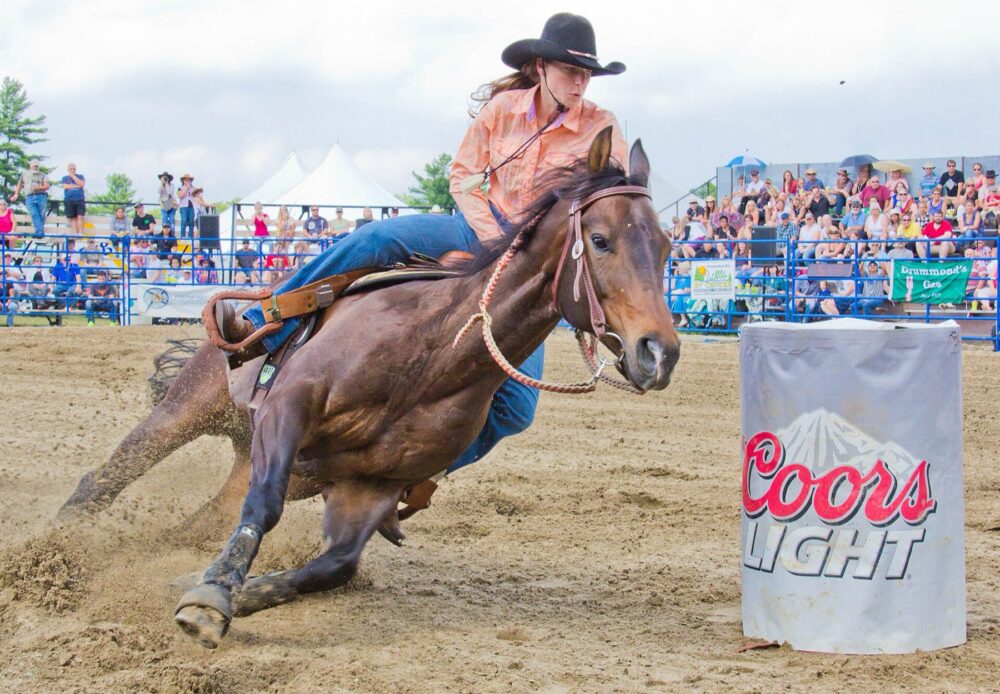
You’ll get the best barrel racing saddle deals online by starting with specialist tack retailers and reputable used channels, then only treating global marketplaces like DHgate as a cautious, low-information option. Dedicated sites such as Hilason’s barrel racing collection, BarrelRacingSaddles.com, and HorseSaddleShop’s barrel saddles spell out tree type, seat size, skirt length, and rigging in detail. General marketplaces (eBay, Facebook groups) can be cheaper but require more homework. DHgate may occasionally surface budget-friendly saddles through overseas manufacturers, yet listings often lack tack-specific detail, so you should only consider it if you’re prepared to verify specs and accept higher uncertainty.
What Makes a Barrel Racing Saddle Different (and Why That Matters Online)
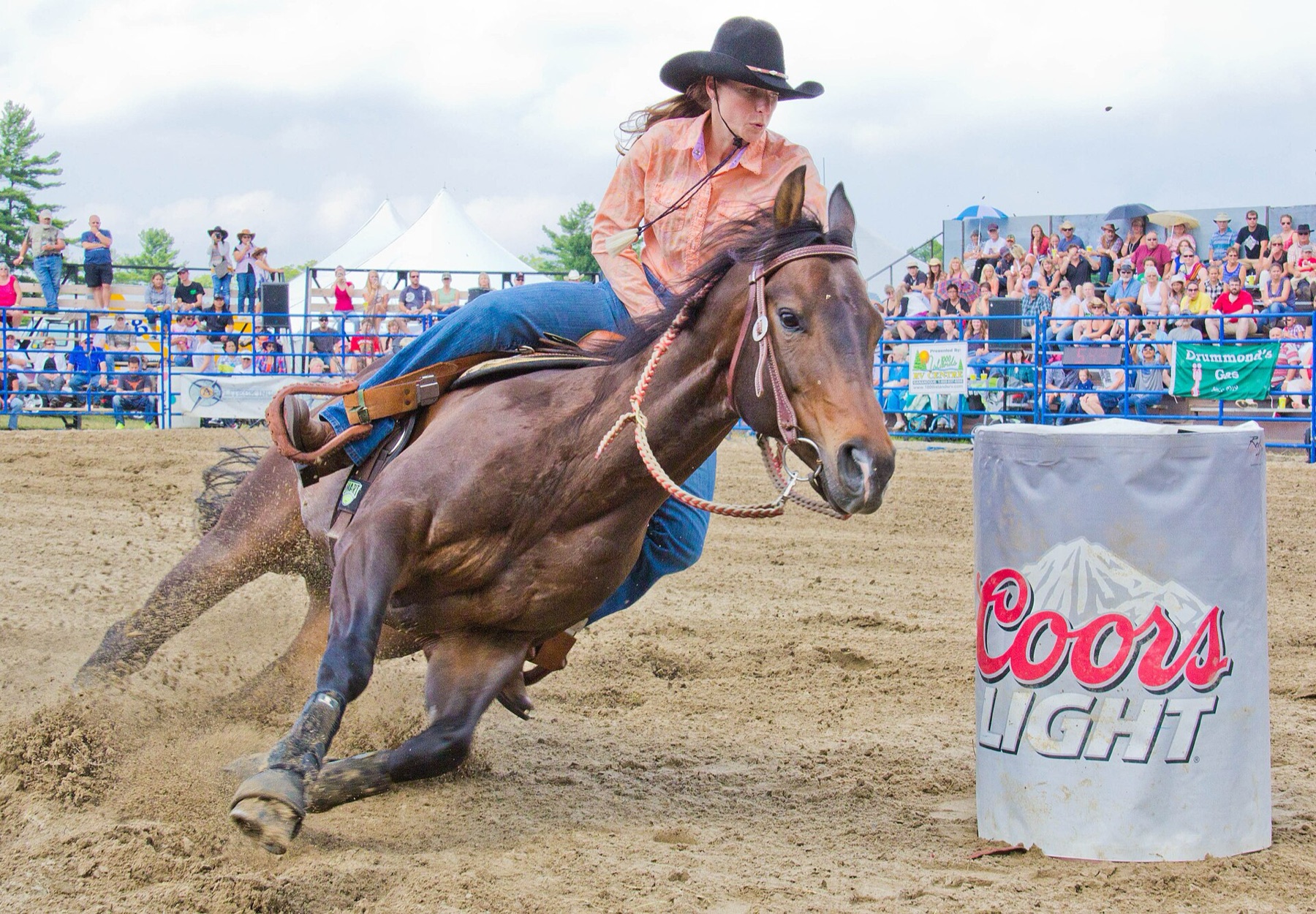
A barrel racing saddle is a specialized Western saddle built for fast, tight turns around three barrels. Compared with a general-purpose Western saddle, it usually has a deep, secure seat, a relatively high cantle, a short skirt, and relatively lightweight construction to help you stay centered while your horse accelerates and pivots.
Those design choices matter when you shop online because you can’t throw the saddle on your horse before paying. You need listings that clearly show:
- Seat size and shape: typically a deep seat that holds you through the turn.
- Cantle height and horn: a higher cantle and barrel-style horn for security without getting in your way.
- Skirt length: shorter skirts help the saddle clear your horse’s hip and shoulder during tight turns.
- Tree type: traditional wood/rawhide trees vs. flex trees that may conform a bit more, often highlighted by brands like Hilason.
- Weight and construction: lighter builds are common, but the tree and rigging must still be strong.
If a listing doesn’t give you tree type, seat size, gullet info, and clear photos from multiple angles, you’re guessing about fit and balance. That’s the key divide between specialist tack sites and loosely described marketplace listings.
Types of Barrel Racing Saddles and Where They Tend to Be Sold
Barrel saddles break into a few practical categories. Different online channels tend to emphasize different ones.
1. Entry-level and budget barrel saddles These are often stock models from mid-tier makers: basic tooling, synthetic or lower-cost leather, and standard trees. Sites such as Farm and Ranch Depot’s barrel saddles and some models on BarrelRacingSaddles.com focus here. They usually give enough spec detail for casual riders or those upgrading from a generic Western saddle.
2. Mid-range performance saddles These target serious local and regional competitors. Listings at places like HorseSaddleShop’s barrel section and HorseSaddleCorral’s barrel racing collection typically call out tree brands, specific fits, and rigging types (e.g., 7/8 or full rigging). You’ll often see more discussion of how the saddle keeps the rider balanced around the barrel.
3. Custom and high-end pro saddles Custom shops such as Dead Broke Saddlery or named barrel makers build saddles to spec: tree fit, seat size, fenders, and cosmetic details. Online, these sellers lean heavily on consultation rather than add-to-cart impulse buys. If you’re running hard and have a tricky-to-fit horse, this is where you’ll be spending your research time.
4. Youth and pony barrel saddles Many specialist sites carve out smaller-seat, shorter-skirt saddles aimed at youth riders or smaller horses. These are more than just scaled-down trail saddles; they still carry the deep seat/high-cantle design but in sizes that match smaller legs and shorter backs.
5. Flex-tree and “comfort” barrel saddles Brands advertising flex trees or hybrid constructions show up on sites like Hilason’s flex tree barrel line. These listings usually highlight tree flexibility and horse comfort as key selling points. They can appeal to resellers looking for a distinctive feature to market, but buyers should still treat “flex” claims as marketing and focus on actual fit data.
Here’s how those types often map to online channels:
| Saddle type | Most common online channels | Typical buyer fit |
|---|---|---|
| Budget/entry-level | Mid-tier tack sites, general marketplaces | New barrel racers, tight budgets |
| Mid-range performance | Specialist tack retailers | Regular competitors, lesson barns |
| Custom/high-end | Custom maker websites, direct consultations | Serious competitors with specific horses |
| Youth/pony | Specialist retailers’ youth sections, some marketplaces | Youth riders, small horses/ponies |
| Flex-tree/comfort | Branded collections on tack sites, some import-focused sellers | Riders prioritizing comfort/marketing edge |
Where to Buy Barrel Racing Saddles Online: Retailers, Marketplaces, DHgate, and Alternatives
Most US buyers start with specialist tack retailers because they combine product range with reasonably reliable specs.
Specialist tack retailers (new saddles) Sites like Hilason, BarrelRacingSaddles.com, HorseSaddleShop, and HorseSaddleCorral are built around saddles. They typically show tree size, gullet measurements, bar angle or intended horse type, seat size, and several clear photos. For a first barrel saddle, that level of detail is hard to beat.
Used and consignment (value-focused riders) Used barrel saddles trade heavily in consignment shops and online communities: Chronicle of the Horse forum threads about saddle consignment, Facebook groups like “Barrel Saddles Buy Sell Trade,” and regional tack consignment sites. You’ll often get more saddle for the money, but you must rely on user photos and measurements. Serious buyers commonly request extra photos of the underside, tree, and serial numbers and, where possible, arrange an in-person trial.
General marketplaces (eBay, etc.) Marketplaces such as eBay carry a mix of new, closeout, and used barrel saddles. Selection can be wide, but listing quality varies sharply. Some sellers copy full spec sheets; others post a couple of photos with little detail. Before bidding or buying, look closely at photo clarity, any mention of tree type or brand, and whether the seller appears to specialize in saddles versus selling assorted gear.
Social groups and local networks Barrel racing and general Western riding Facebook groups are active buy/sell/trade hubs. These informal channels can surface bargains and regional brands, but there’s no standard listing format. You’ll need to ask other members about fit, share photos of your horse’s back, and be comfortable walking away if the seller can’t answer measurement questions.
Cross-border marketplaces, including DHgate (experimental sourcing) Global marketplaces link you directly with overseas sellers and manufacturers. DHgate, for example, is a large online marketplace that connects buyers with sellers across many product categories. For barrel saddles, you may see low-priced listings from factories that primarily export, but tack is not a highlighted category and listings often lag behind specialist sites on saddle-specific detail.
If you explore DHgate as a buyer or a small reseller:
- Treat every listing as an individual offer and scrutinize photos, material descriptions, and any mention of the tree.
- Prefer sellers who show multiple angles and can answer specific questions about seat size, intended horse type, and construction.
- Use the sort and filter tools to focus on better-rated sellers, then cross-check with your own questions.
For more structured DHgate due diligence, it’s worth reading what DHgate is and how the marketplace works, then applying the guidance in how to find trusted sellers on DHgate and the DHgate order-readiness checklist before checkout.
Quick scenarios: rider vs. small reseller
- You’re a rider upgrading from a generic Western saddle. Start with mid-range barrel models on specialist sites, using tree and gullet specs plus clear photos to narrow choices. Only dip into used or eBay listings once you know exactly which brands and fits work for your horse.
- You run a small tack storefront or online shop. Consider sourcing a core range from US-based retailers that offer dealer or bulk pricing on mid-tier saddles, then experiment cautiously with a few lower-cost imported barrels from marketplaces (including DHgate) once you have a reliable way to assess construction and fit. Test on a limited set of horses and be prepared to reject stock that doesn’t ride as advertised.
If a channel can’t show you the deep seat, high cantle, tree fit, and skirt length clearly, it’s usually not the right place to buy a saddle that will go full speed around the barrels.