
You can buy snorkel gear for scuba diving in four main places: local dive shops, specialist scuba/snorkel websites, big marketplaces like Amazon, and cross‑border marketplaces such as DHgate. Dive shops and dedicated gear sites are usually the most straightforward for getting a mask, snorkel and fins that truly fit your face and kick style. Large marketplaces and DHgate can be useful if you want budget multi‑piece sets and are comfortable doing more homework on specs, reviews, and seller reliability before you click buy.
The trick is knowing what gear you actually need for scuba‑adjacent snorkeling, then matching that to the channel that gives you enough fit help and quality confidence for your risk tolerance and budget.
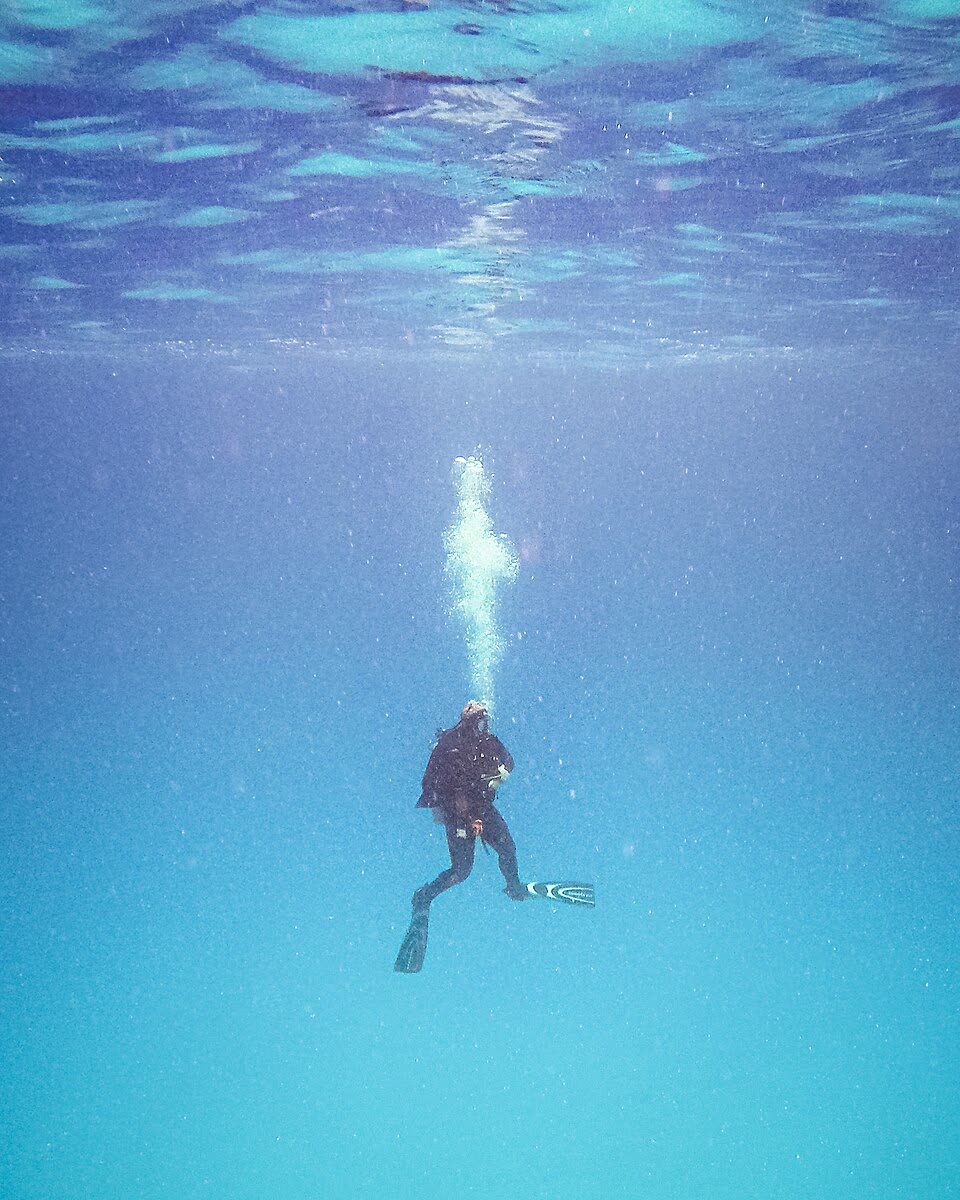
What Snorkel Gear You Actually Need When You’re Scuba Diving
“Snorkel gear” covers a wide range, from cheap vacation sets at a beach kiosk to gear that works alongside a scuba rig. For scuba‑related use, you’re usually talking about three pieces of basic professional snorkel gear:
- Mask – creates an air space in front of your eyes so you can see clearly underwater.
- Snorkel – a breathing tube that lets you breathe at the surface without lifting your face.
- Fins – flippers that help you move efficiently through the water.
This overlaps heavily with what certified divers use for surface swims and casual snorkeling between dives. Where it differs from a pool toy set is material quality, fit, and how well the gear behaves when you’re wearing a tank, weights, and other scuba equipment.
If you’re:
- Taking an intro scuba course – your instructor may ask you to bring your own mask, snorkel and fins. These should be dive‑shop grade, not big‑box vacation sets.
- Snorkeling from a dive boat – you can often use the same mask and fins you dive with, paired with a snorkel chosen for comfort and splash protection.
- Only snorkeling, not doing full scuba – you still benefit from the same basic trio, but you can choose more beginner‑oriented designs and shorter fins tailored to shallow water.
A lot of bundled “snorkel sets” you’ll see on Amazon or marketplaces include exactly this three‑piece combo, but not all are suitable for scuba training. That’s why understanding fit and features matters before you pick where to shop.
Fit and Safety Factors Before You Pick a Shop or Marketplace
Before you decide where to buy, you need a rough checklist for what acceptable gear looks like. That way, you’re judging listings or store shelves against something concrete.
Mask: skirt material and seal
For most beginners, it’s common to choose a silicone‑skirt mask. Silicone tends to be softer and more durable than cheaper plastics or PVC, and it usually seals better against different face shapes.
Online, look for:
- The phrase “silicone skirt” in the description.
- Multiple mask sizes (often S–XL) rather than “one size fits all.”
- Reviewer comments about leaks or pressure points.
In a local shop, you can do the classic “no‑strap” fit test and feel the skirt on your skin—something marketplaces can’t replicate.
Snorkel: basic, semi‑dry and dry styles
Snorkels come in three broad styles:
- Basic/open tube – simplest, but lets water enter easily.
- Semi‑dry – often has a splash guard at the top and a purge valve near the mouthpiece, helping keep out some water and making clearing easier.
- Dry – uses a valve at the top that closes when submerged to minimize water entry.
Beginners are commonly steered toward a semi‑dry snorkel as a balance of simplicity and reduced water intake. Treat this as general guidance, not a rule; always follow your instructor or local dive pro’s advice for your training environment.
When evaluating an online listing or DHgate product page, look for words like “semi‑dry,” “splash guard,” or “purge valve” and check reviews for mentions of ease of breathing and clearing.
Fins: length, stiffness, and control
Fins vary widely. For shallow water and new snorkelers, shorter fins are often recommended because they are easier to control, especially near the surface or around other swimmers. Long, stiff fins can be powerful but may tire your legs quickly and are better suited to more experienced divers and deeper swims.
Signals to check:
- Product photos and dimensions that show overall fin length.
- Review language like “good for travel” (often shorter) vs “lots of power” (often longer/stiffer).
- Sizing charts that match your shoe size.
Using specs and reviews to reduce risk
Wherever you shop, make a habit of:
- Matching specs to your needs – silicone skirt, semi‑dry snorkel, short fins for beginner shallow use.
- Reading reviews for specific complaints – leaks, uncomfortable mouthpieces, fins breaking or straps snapping.
- Checking clear sizing information – vague sizing is a red flag when you can’t try gear on.
Local shops give you fit confidence through hands‑on testing. Marketplaces and cross‑border platforms rely more on you interpreting specs and other buyers’ feedback.
Where to Buy Snorkel Gear: Dive Shops, Specialist Sites, Marketplaces and DHgate
You have several realistic channels for buying snorkel gear that fits a scuba context. Each has a different mix of price, fit help, and risk.
Comparison of major buying channels
| Channel type | Typical strengths for snorkel gear | Snorkel‑specific trade‑offs |
|---|---|---|
| Local dive shop | Hands‑on mask and fin fitting, instructor input on snorkel type | Best fit help, but higher prices and fewer brands in one place |
| Specialist online retailer | Catalog focused on snorkel/scuba sets, detailed gear descriptions | No in‑person try‑on, you must rely on size charts and reviews |
| Big marketplace (e.g., Amazon) | Many mask/snorkel/fins bundles, wide price range | Fit testing is impossible; quality and suitability vary widely |
| Cross‑border marketplace (e.g., Cross-border multi-seller) | Budget‑friendly sets with spec details from multiple sellers | Longer shipping and more homework on seller reliability and gear fit |
Local dive shops and some sporting goods stores
Many dedicated dive shops in the U.S. stock professional‑grade snorkel masks, snorkels and fins suitable for scuba courses and boat diving. You’ll also find some gear in larger sporting goods chains, though their selection may lean more toward general watersports.
Pros:
- You can try on multiple masks in person and get help with fit.
- Staff or instructors can suggest the right snorkel style and fin length for your training.
Cons:
- Prices may be higher than online discounters.
- You’re limited to whatever brands and models that shop chooses to carry.
If you’re committing to a scuba certification, this is often a sensible place to start your first mask/snorkel/fins set.
Specialist scuba and snorkeling websites
Several online retailers focus on dive and snorkel gear. For example:
- U.S. Divers lists a range of complete snorkel sets, masks, snorkels and fins on its All Snorkeling Gear page.
- Divers Supply offers both scuba diving gear and snorkeling equipment through its catalog at Divers-Supply.com.
These sites are built around water‑sports equipment, so their product filters and descriptions tend to be more detailed than general sporting goods sites.
Pros:
- Catalogs dedicated to snorkeling and scuba, not mixed with unrelated products.
- Often carry recognized dive brands across price levels.
Cons:
- You still can’t physically test fit; you rely on size charts and reviews.
- Shipping and returns add friction if a mask doesn’t fit.
This channel works well if you want more choice than your local shop, but still prefer gear curated by a dive‑focused retailer.
Large marketplaces like Amazon
Big marketplaces list a large number of snorkel packages, including mask, snorkel and fins bundles. Amazon, for instance, has a section for popular snorkel sets under “Best Snorkeling Packages” where many listings include bundled gear (Amazon snorkeling packages).
Pros:
- Wide range of prices and feature combinations.
- Bundled sets can be cost‑effective for occasional snorkelers.
Cons:
- Quality varies; some sets are closer to vacation toys than dive‑ready gear.
- It takes time to sort through reviews and Q&A to be sure a set is suitable for your use.
If you go this route, apply the fit criteria above—silicone skirt masks, semi‑dry snorkels, appropriate fin length—and look for reviewers who mention using the set for dive trips or training, not just pool play.
DHgate as a cross‑border option
DHgate is an e‑commerce marketplace connecting buyers with sellers, many based overseas. It hosts snorkel gear listings and, like other marketplaces, product pages usually include information about features and specifications so you can compare options.
Typical DHgate use for this category:
- Budget multi‑piece sets – mask/snorkel/fins bundles that may be more affordable than some branded kits.
Trade‑offs to consider:
- Seller quality and product consistency can vary; you’ll need to lean heavily on detailed specs, photos, and buyer feedback in each listing.
If you’re a U.S. beginner buying your first personal set to use in a scuba class, a local dive shop or specialist site is usually more straightforward. DHgate can make sense if you already understand gear basics, are price‑sensitive, or need multiple sets and are prepared to vet each seller and product carefully.
Practical next step: match your scenario to a channel
To turn this into a decision:
- New scuba student, nervous about fit → Start at a local dive shop. Use online marketplaces later for backup or travel sets once you know your preferred mask and fin style.
- Occasional snorkeler joining a dive trip → Consider specialist sites or well‑reviewed Amazon packages that match the silicone‑skirt/semi‑dry/short‑fin profile.
- Budget‑conscious buyer or group organizer → Explore both big marketplaces and DHgate, but filter hard on specs, clear photos, and substantive reviews before buying.
Choosing where to buy is less about brand loyalty and more about how much fit help and quality certainty you need. Get the mask, snorkel and fins right once, and you can enjoy both snorkeling and scuba dives without fighting your gear.