
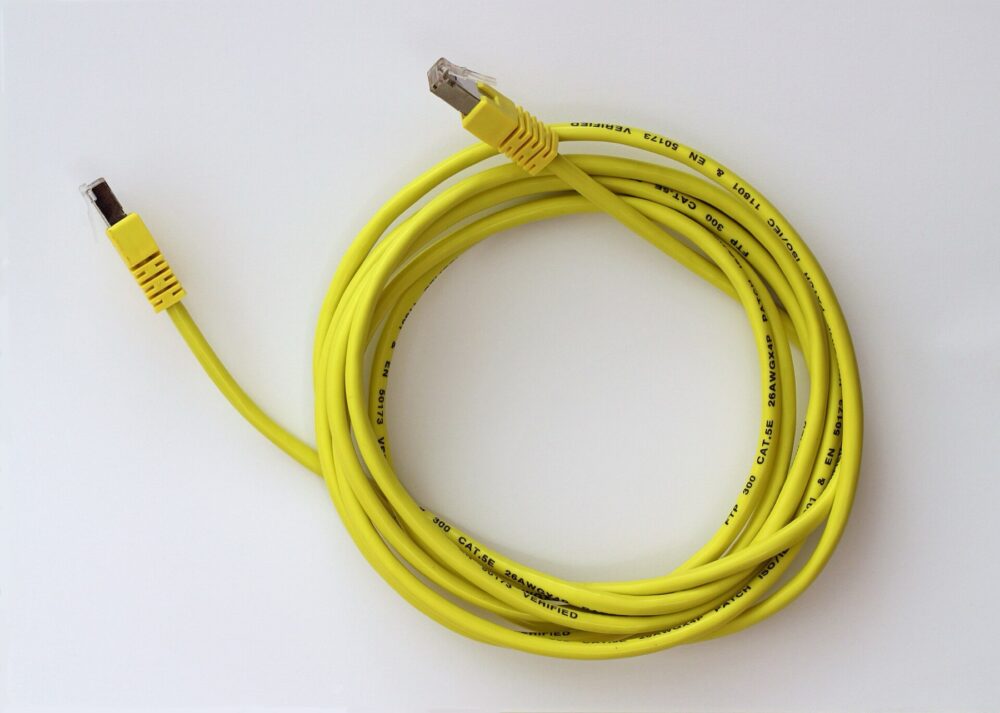
Slim Ethernet and patch cables are easy to find online from cabling specialists, pro electronics retailers, installer-focused wholesalers, and global marketplaces. DHgate does carry Ethernet cable listings, including slim Cat6 patch cables, but quality and specs vary by seller, so you need to check each listing carefully rather than assume it matches its description. For most home and small-office networks in the US, a brand-name slim cable from a specialist or pro retailer will be the most straightforward choice; marketplaces can make sense when you need unusual lengths, colors, or very aggressive pricing and are willing to do more verification.
What Slim Ethernet and Patch Cables Are and Who They’re For
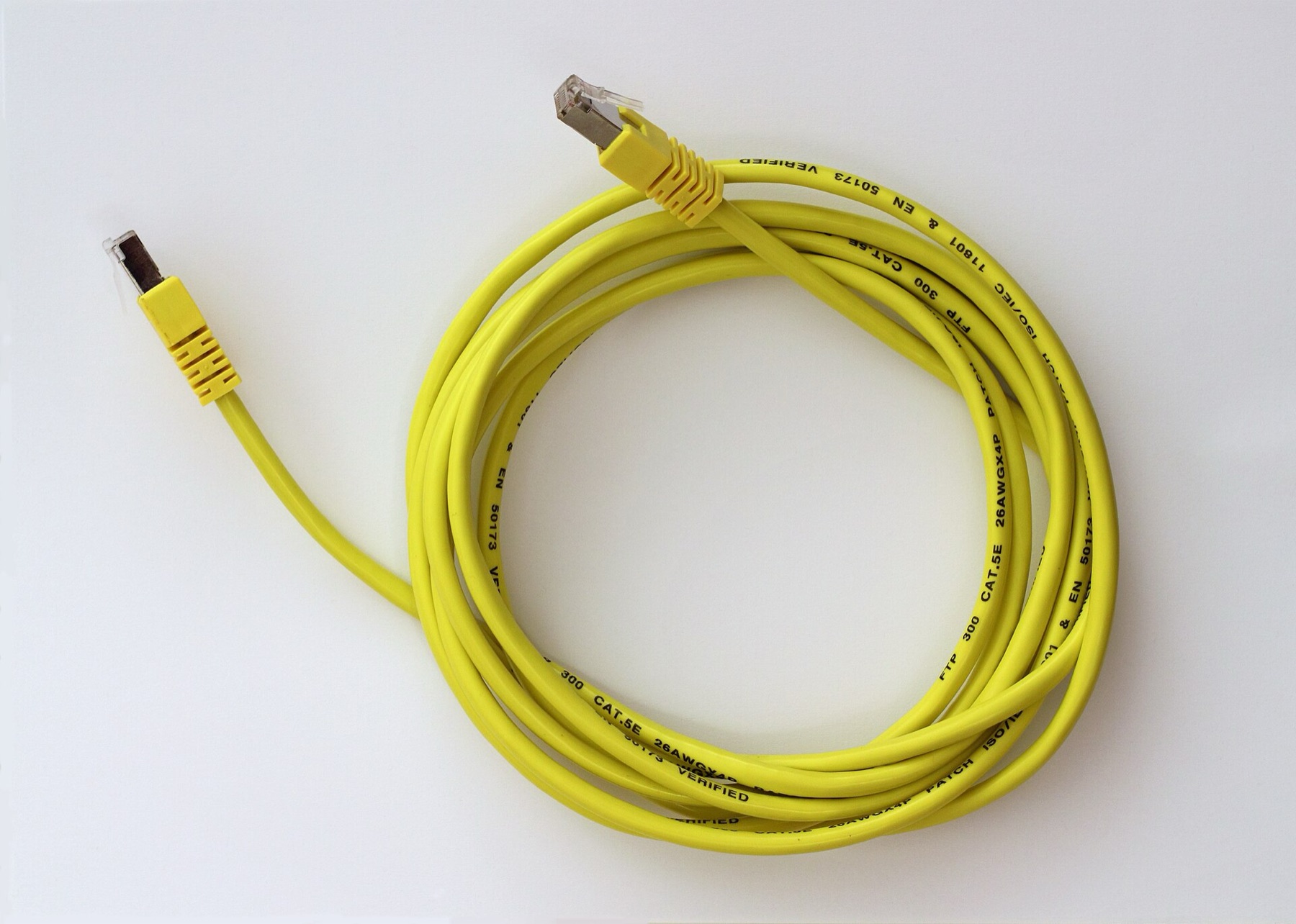
A patch cable is the short Ethernet lead that runs from a wall jack or patch panel to your router, switch, PC, access point, or IP phone. “Slim” Ethernet or patch cables use thinner conductors—often around 28-30 AWG—so the overall cable diameter is smaller than standard 23-24 AWG patch leads. That slimmer profile lets you pack more cables into tight spaces and improves airflow in dense racks.
Cabling brands such as StarTech market slim Cat6 cables specifically for high-density environments where space and cooling are tight, like server racks and structured wiring panels. But they’re also handy in more ordinary setups: behind a living-room router that’s crammed against a wall, in a small office switch mounted under a desk, or inside a network cabinet where you’re trying to keep things tidy.
You generally don’t need slim cables for long in-wall runs; those should be standard bulk cable. Slim patch cables are about cleaning up the mess at the edges of the network—short links between equipment—where flexibility, space, and neat routing matter as much as raw performance.
Key Types and Specs: Choosing the Right Slim Cable
Before you pick a channel to buy from, it helps to narrow down the type of cable you actually need. Online listings can look similar, but a few details are crucial.
Categories, bandwidth, and common use cases
Most slim patch cables you’ll see are Cat6, with Cat5e and higher-spec Cat7 variants also available.
Here’s a quick way to map category to typical home/office needs:
| Cable type | Typical use case (editorial judgment) | Common spec pattern |
|---|---|---|
| Cat5e slim patch | Basic broadband, 1 Gbps ports, short runs | Unshielded (UTP), up to 100 MHz–1000BASE-T |
| Cat6 slim patch | Gigabit and some 10 Gbps short links, modern switches | UTP, often marketed around 250-550 MHz bandwidth |
| Cat7 slim patch | Niche, high-spec gear, heavy interference areas | Shielded (STP), higher bandwidth, often with more robust connectors |
Specialists like CableWholesale focus heavily on slim Cat6 patch cords because they’re a sweet spot for today’s gigabit switches and routers. Their assortment illustrates the usual patterns: multiple lengths from short jumpers to long leads, a wide range of colors (for port labeling), and slim 30 AWG conductors targeting dense panels.
AWG, flat vs round, and shielding
Three design choices shape how a slim cable behaves in your setup:
- AWG (thickness): Slim cables are commonly 28-30 AWG, versus 23-24 AWG for standard patch cords. Thinner wire is more flexible and compact but can have more signal loss over long distances. For typical patch lengths (1-15 feet), that’s usually fine.
- Flat vs round: Flat “slim” cables, like the GearIT-style flat Cat6 patch cords seen on various retailers, are easier to hide under carpets or along baseboards. Round slim cables behave more like conventional patch leads but pack tighter in cable management trays.
- Shielded (STP) vs unshielded (UTP): Many slim Cat6 patch cables from brands such as Tripp Lite and those stocked at CDW are UTP—unshielded twisted pair—because that’s adequate for most office racks and gives more flexibility. Shielded slim patch cables start to matter if you’re routing near strong sources of electrical noise.
Lengths, colors, and multi-packs
Online you’ll see three buying patterns:
- Single cables in specific lengths: Pro retailers like CDW and B&H carry individual slim patch cords from branded lines in lengths like 1, 3, 7, or 15 feet. These are good when you’re wiring one rack or swapping a few cables.
- Multi-packs of short patch leads: B&H lists slim Cat6 10-packs (for example, Hosa slim Cat6 packs) aimed at studios and small offices that want consistent color and length across a switch row.
- Installer/reseller assortments: Sites like BridgeWholesale focus on slim Cat6 UTP cables in multiple lengths and colors, geared toward installers and small resellers who need a compact, consistent supply.
For home use, you’re often choosing between a couple of individual cables or one multi-pack. For a small office rack or ecommerce resale, those installer-style assortments and 10-packs can simplify both deployment and inventory.
Best Online Channels to Buy Slim Patch Cables (Including DHgate)
Once you know the category (Cat6 vs Cat5e/Cat7), length, and style (flat vs round, UTP vs STP), you can pick the channel that best fits your job and risk tolerance.
1. Specialist cabling stores
Dedicated cabling sites such as CableWholesale’s slim Cat6 section and DataPro’s slim-jacket cables focus narrowly on network wiring. Their pros:
- Clear, spec-heavy product pages (AWG, category, bandwidth, wiring type).
- Large assortments of lengths and colors, often with consistent construction across the line.
- Options for both single cables and small bulk quantities.
These channels are well suited if you’re the “network person” for a home or small office and want predictable, spec-documented cables without digging through marketplace listings.
2. Professional electronics retailers
Pro retailers like CDW and B&H Photo carry branded slim Cat6 patch cables—Tripp Lite, Hosa, C2G and similar. These are typically marketed for:
- High-density racks and patch panels where you still need stable gigabit networking.
- AV and studio setups that benefit from specific colors/lengths for labeling.
The trade-off is price versus marketplace options, but if you value brand consistency and clearer spec language, this route is often attractive for office racks and mission-critical links.
3. Installer-leaning wholesale assortments
Installer-focused wholesalers like BridgeWholesale stock slim Cat6 UTP Ethernet cables in bulk-friendly assortments. Their value is in:
- Consistent product families (same jacket style and performance across sizes).
- Multi-length, multi-color options that make on-site labeling and troubleshooting easier.
If you’re a small ecommerce business stocking cables for resale or an IT contractor building multiple small racks, these assortments can simplify both procurement and deployment.
4. Global marketplaces, including DHgate
Global marketplaces give you the widest range of styles, colors, and bundle options, often at very aggressive pricing. DHgate, for example, has Ethernet cable listings that include Cat6 patch cables and long-run leads. The catch is that specs and build quality can vary significantly between sellers.
If you go this route, treat each listing as a small sourcing decision:
- Check that the category (Cat6, Cat7, etc.), AWG, and length are stated clearly—not just “high-speed” marketing language.
- Look for real photos of the cable and connectors, not only renderings.
- Review buyer feedback for comments on fit, length accuracy, and performance.
For readers who want a deeper look at how DHgate works as a marketplace, you can read what DHgate is and how the marketplace works and then consider how to find trusted sellers on DHgate before placing a network cabling order.
Matching Channels to Real-World Scenarios
To make the decision practical, map your situation to a channel type:
- Home office cleanup (2-6 cables): A few slim Cat6 patch cords from a specialist or pro retailer give you reliable specs and easy returns through familiar channels. Flat slim cables are handy if you’re routing under rugs or along door frames.
- Small business rack (one or two switches, patch panel): A 10-pack of slim Cat6 cables from a pro retailer, or a color-coded assortment from an installer-focused wholesaler, makes the rack neater and easier to service later.
- Ecommerce resale or repeated small installs: Bulk assortments of slim Cat6 from an installer-focused wholesaler help you standardize what you sell or deploy. Marketplaces like DHgate can be explored for lower landed cost, but only after you’ve defined non-negotiable specs and are prepared to vet each seller closely.
If a listing doesn’t clearly state whether it’s Cat6 or Cat5e, doesn’t mention AWG or shielding, or looks generic compared with the spec-rich pages from cabling specialists, treat that as a red flag. Slim cables are a simple product, and the most reliable sources are the ones that are willing to be very specific about what they’re selling.