Australian buyers usually get the best melon baller by shopping local kitchenware retailers, while pre-made melon balls come from specialist food suppliers rather than general marketplaces. For tools, big-box chains and kitchen stores in Australia carry stainless-steel single and double melon ballers that are perfectly adequate for home and café use. DHgate can sit in the background as a secondary option for very low-cost tools sourced from overseas sellers, but only if you’re willing to spend time checking the listing photos, dimensions, and seller ratings instead of assuming everything will match local standards.
Before you choose a channel, you need to be clear on what you’re actually buying: the utensil or the food.
What melon ballers and melon balls are, and who actually needs them
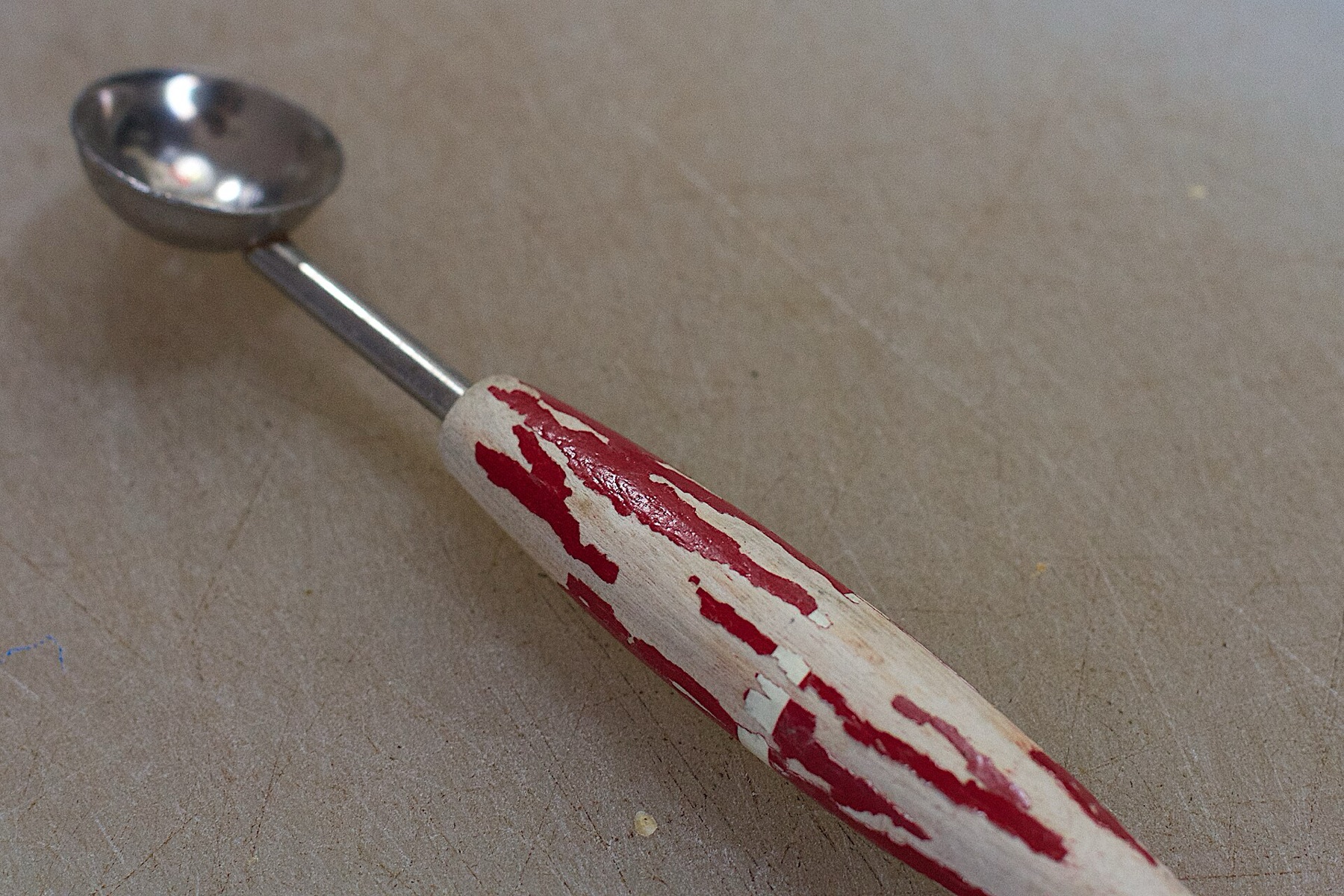
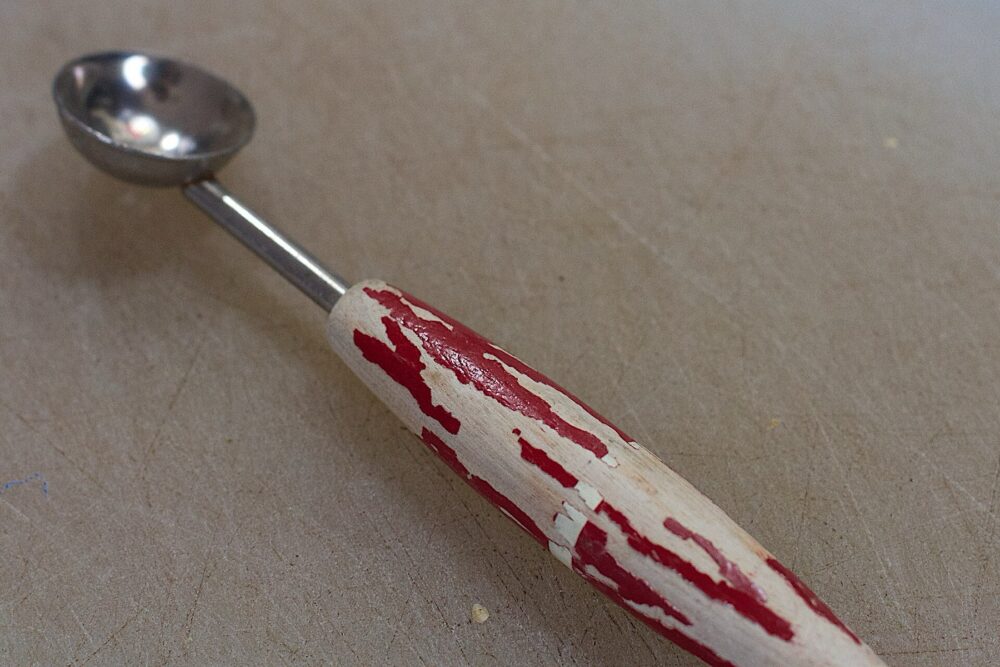
A melon baller is a small kitchen utensil with a rounded scoop that cuts out neat balls of flesh from melons. Typical diameters are roughly 1-3 cm, which is what you see in fruit salads, buffet garnishes, and cocktail skewers. Many tools have a scoop at each end so you can swap sizes without changing tools.
That gives you two separate buying tasks:
- Buying a melon baller (utensil) – relevant for home cooks, caterers, bars, and small cafés who prep fresh watermelon, rockmelon, or honeydew. It’s closer to buying a peeler or zester: you’re choosing material, handle, and scoop size.
- Buying melon balls (food product) – usually frozen or IQF (individually quick frozen) melon balls sold to food-service or manufacturing buyers as an ingredient for desserts, drinks, or ready meals. For an Australian small business, this is more like sourcing frozen fruit or purée than kitchenware.
Most home buyers and small e‑commerce resellers only ever need the tool. Frozen melon balls are niche and more likely to suit gelato makers, beverage manufacturers, or large-scale caterers.
Key types and quality signals: choosing the right baller or melon balls
For tools, a few details matter far more than brand hype.
Melon baller types and materials
Australian retailers such as Big W and Kmart list stainless-steel melon ballers in both single-ended and double-ended formats with different diameters. You can see examples in their product ranges like the Matfer Bourgeat double melon baller and Appetito-branded double ballers, which pair scoops in two sizes on one handle.
Common choices:
- Single-ended baller – one scoop size, simpler and slightly easier to clean.
- Double-ended baller – two scoop sizes, useful for mixed-fruit platters or when you want tighter control over portion size.
- Stainless-steel head – better cutting edge and durability, especially for commercial use.
- Soft-grip or polypropylene handle – easier to hold in a busy prep environment.
Kitchen-focused sites such as Kitchen Warehouse and global suppliers like WebstaurantStore and TigerChef showcase the typical construction of commercial-grade models: stainless-steel scoops, molded plastic or rubber handles, and clear diameter markings.
Picking sizes for your use case
Size drives how your finished dish looks:
- Around 20 mm – compact balls, good for cocktails, canapés, or skewers.
- Around 25-30 mm – standard fruit-salad size; this is what many double-ended ballers from Australian chains deliver.
- Smaller specialty sizes (≈15 mm) – more of a pro or patisserie choice, often found through chef suppliers.
If you’re buying online, check that the listing clearly states the diameter in millimetres, not just “small” or “large.” Australian kitchenware listings generally show these measurements; some cross-border marketplace listings do not.
Frozen or ready-made melon balls
On the food side, there are specialist suppliers offering frozen honeydew melon balls and similar products aimed at food-service or manufacturing buyers. For example, one producer of frozen fruits and vegetables lists IQF honeydew balls specifically for bulk buyers, and sites like Sinofrost or similar exporters target industrial customers rather than home shoppers.
Key quality signals here are:
- Product described as melon balls (not flavored confectionery or popping boba).
- Intended audience: food-service, manufacturing, or wholesale buyers.
- Stated melon type (honeydew, cantaloupe, etc.).
You still need to perform your own safety and import checks; online descriptions alone aren’t a guarantee that a product is suitable or compliant for sale in Australia.
Best places to buy online from Australia, including when DHgate is worth checking
Once you know whether you need a utensil or frozen fruit, you can pick channels more confidently.
1. Local Australian retail and kitchenware sites (best default for most buyers)
For home use and small cafés, the easiest path is local retail:
| Channel type | Typical products | Why it’s a good fit from Australia |
|---|---|---|
| Big-box chains (Big W, Kmart) | Basic single and double stainless-steel melon ballers | Simple, low-cost tools; specs shown in millimetres |
| Kitchenware specialists (Kitchen Warehouse, Matchbox, Wheel&Barrow) | Wider range of ballers, sometimes premium brands | Better handle designs; more size and material choice |
| Chef/restaurant suppliers (Chefs Warehouse, Kitchenly) | Commercial-grade ballers, often European pro brands | Suited to regular service and heavy prep |
This route keeps:
- Shipping simple – domestic delivery, no customs involvement.
- Specs clear – Australian sites usually show scoop diameters and material.
- Returns straightforward – you’re dealing with retailers used to serving consumers.
For most home cooks, Big W or Kmart-level tools are enough. If you’re plating hundreds of portions per day, look at chef suppliers who carry pro-grade stainless-steel ballers similar to those listed on WebstaurantStore.
2. Pro frozen fruit and ingredient suppliers (for true melon balls as food)
If you genuinely need pre-formed melon balls as an ingredient – for example a dessert manufacturer or beverage brand – you’re into specialist territory.
Suppliers that list frozen honeydew melon balls generally:
- Target food-service or manufacturing buyers.
- Sell in bulk units rather than retail-sized bags.
Examples on the web include exporters that specialise in frozen fruits and vegetables or IQF honeydew melon balls. These are signals that you’re looking at an industrial ingredient, not a snack for home use.
From Australia, you need to consider your own due diligence on:
- Import and biosecurity rules.
- Food safety documentation and certifications.
- Cold-chain logistics.
That’s beyond what general marketplaces or consumer kitchenware stores usually support, so most small businesses either work with a local food-service distributor or a specialist importer, not a marketplace listing.
3. Global marketplaces for low-cost tools (including DHgate)
Global marketplaces connect buyers to mainly Chinese wholesalers and factories across many categories, including low-cost kitchen tools. DHgate is one of these marketplaces: it lists millions of products and acts as a bridge between international buyers and largely Chinese sellers.
For melon ballers specifically, this kind of platform only makes sense when:
- You want very low unit prices on simple stainless-steel tools.
- You’re buying tools, not food.
If you decide to look at DHgate for melon ballers:
- Check scoop measurements, handle material, and close-up photos against what you’d accept from an Australian retailer.
- Compare multiple sellers rather than relying on the first listing you see.
Because DHgate is a marketplace, quality and reliability vary by seller. For broader context on how the marketplace works, you can read What DHgate is and how the marketplace works, and if you ever move beyond melon ballers into larger orders, Find trusted sellers on DHgate and the DHgate order-readiness checklist outline sensible listing-level checks.
4. How to match your channel to your scenario
If you’re shopping from Australia, a simple rule of thumb keeps things efficient:
- Home cook or café, 1-3 tools needed → start with Big W, Kmart, or Kitchen Warehouse; move to chef suppliers if you dislike the entry-level ergonomics.
- Small food-service business needing durable tools → favour professional kitchen suppliers that explicitly describe stainless-steel scoops and polypropylene or soft-grip handles, as seen on sites like WebstaurantStore or TigerChef.
- Manufacturer or large caterer needing frozen melon balls → work with established food-service distributors or specialist frozen-fruit exporters who clearly label honeydew or other melon balls as an ingredient.
- Price-sensitive buyer experimenting with bulk tools → consider DHgate or similar marketplaces, but only after you’re confident you can interpret listing specs and assess sellers individually.
That way you use DHgate as an optional cost lever for simple utensils, while keeping anything you serve or sell as food within channels built around safety, traceability, and local expectations.