
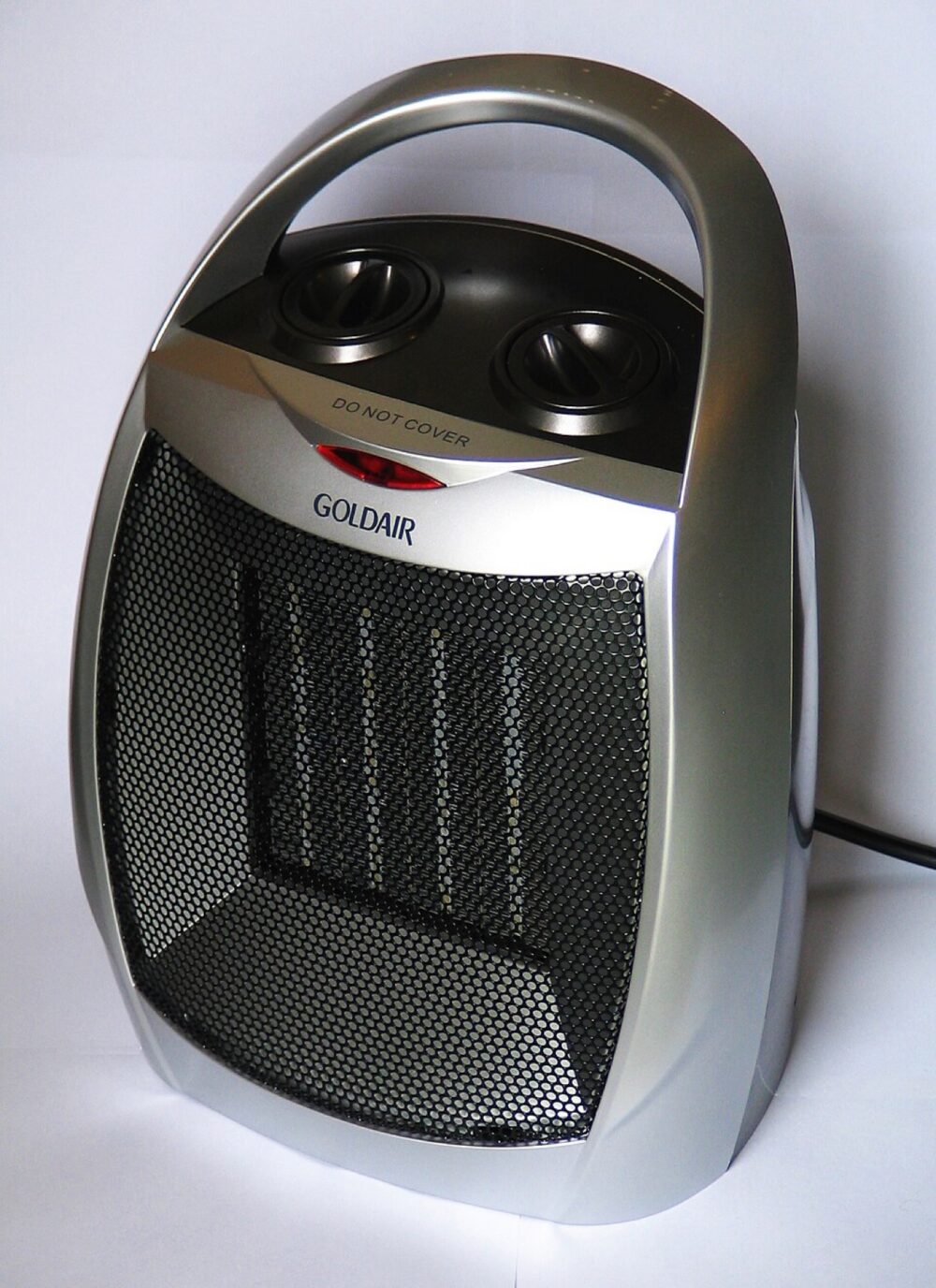
If you want a genuine Goldair fan or heater for Australian use, your best options are Goldair’s own site and major local retailers like BIG W, The Good Guys, Harvey Norman and Home Hardware. They list specific Goldair models with wattages and features tailored to AU households. DHgate can be useful only if you’re open to generic or OEM heaters and accessories that mimic Goldair-style specs — it typically doesn’t carry official Goldair units, so you’d be changing brand rather than finding the same product online.
For most buyers and small ecommerce sellers, that means: buy Goldair-branded heaters and fans through Australian channels when you care about the exact model and local standards, and treat DHgate as a separate route for non‑branded alternatives.
What Goldair Home Fans & Heaters Are and Why People Look Online
Goldair is an established Australian brand focused on home heating and cooling appliances. Its official site lists multiple collections covering heaters, fans, and multi‑season units that combine both functions in one body.Goldair AU organizes these into collections, so you can browse by product family rather than wading through mixed results.
Typical buyers are looking for:
- Affordable electric heating for bedrooms, lounges, or home offices.
- Compact fan heaters as a plug‑in backup to fixed heating.
- Simple pedestal or tower fans for summer, sometimes with a heater mode for winter.
Because these are mains‑powered appliances, many Australian buyers prefer a known brand like Goldair over an unbranded import. The appeal is less about marketing and more about matching a familiar form factor, wattage and feature set they’ve already used, including straightforward controls and clear manuals.
Key Goldair Types and Specs to Match Before You Shop
To compare listings across different sites, you’ll want to anchor on the main Goldair formats and example specs. That makes it much easier to spot the same or equivalent unit.
Goldair’s range (as seen on its site and major retailers) includes at least these types:
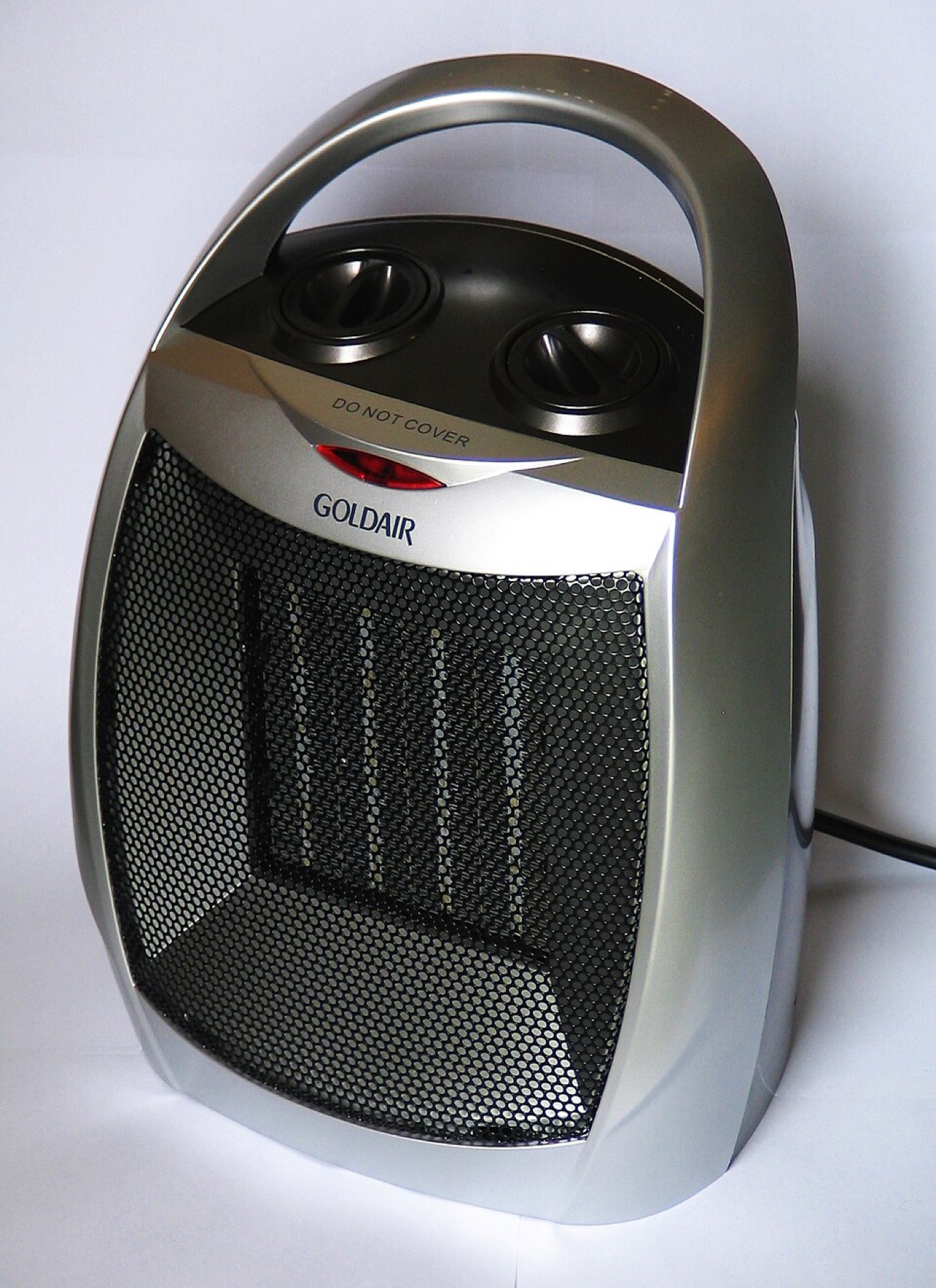
- Upright fan heaters around 2000W – compact, portable units aimed at small rooms. BIG W lists a “Goldair Select 2000W Upright Fan Heater” as one example.Goldair 2000W upright heater – BIG W
- Higher‑output upright fan heaters with oscillation around 2400W – still portable, but with oscillating airflow for a wider area. BIG W carries a 2400W Goldair fan heater with oscillation.Goldair 2400W oscillating heater – BIG W
- Oscillating designs in different housings – several retailer listings show upright oscillating Goldair heaters in white/black finishes and slightly different dimensions.Goldair 2400W upright oscillating – BIG W
- Multi‑season hot/cold tower units – Goldair’s own site shows tower heater/fan combos, like its 107cm multi‑season hot/cold tower heater fan, meant to stay out all year.107cm multi‑season tower heater fan – Goldair AU
Goldair also publishes heating user manuals and support documents online.Goldair heating manuals If you already own a unit, pulling its manual lets you confirm the model number, wattage, safety features and dimensions — details that help you match or replace it accurately.
Here’s a compact way to think about the specs you should match across listings:
| Goldair type example | Typical wattage range | Key feature to match | Best use case in AU homes |
|---|---|---|---|
| 2000W upright fan heater (e.g., GFH220/Select) | ~2000W | Manual controls, compact size | Small bedrooms, home offices |
| 2400W upright oscillating fan heater | ~2400W | Oscillation + safety cut‑off | Medium lounges needing wider spread |
| Electronic oscillating ceramic fan heater | ~1800-2000W | Ceramic element, electronic panel | More precise temperature control |
| Multi‑season hot/cold tower heater fan | Varies (heater + fan) | Combined heating + cooling | Year‑round use in living spaces |
Matching these basics — format, wattage, oscillation, and whether it’s heat‑only or hot/cold — keeps you from accidentally buying a weaker unit or the wrong style when you switch between sites.
Best Online Channels for Goldair in Australia (and Where DHgate Only Half Fits)
Once you know the type of Goldair unit you want, you can narrow the online search to a small, reliable set of channels.
1. Goldair’s official AU site
The official site lists current collections and individual product pages with specs and photos.Goldair products This is the clearest place to:
- Confirm whether a model is still in the range.
- See how Goldair positions multi‑season towers versus simple fan heaters.
- Download manuals or support docs if you’re matching or replacing.
For small ecommerce buyers, the site is also useful as a spec reference even if you plan to source elsewhere.
2. Major Australian retailers
A handful of chains carry identifiable Goldair fan heaters and sometimes fans:
- BIG W has a brand page for Goldair with multiple heaters, including 2000W upright and 2400W oscillating fan heaters.Goldair at BIG W
- The Good Guys lists Goldair heaters in its heating and cooling category, including 2000W upright and 2400W radiant models.Goldair heaters – The Good Guys
- Harvey Norman groups Goldair fan heaters under its heating section.Goldair fan heaters – Harvey Norman
- Home Hardware shows specific electronic oscillating ceramic fan heaters, such as an 1800W Goldair model.Goldair electronic oscillating ceramic 1800W – Home Hardware
These sites are where Australian household buyers will typically find stocked Goldair units with AU‑appropriate plugs and local marketing. For ecommerce sellers, they give a realistic sense of which models actually move in the local market, which can guide what you try to stock or substitute.
3. Other marketplaces and cross‑border sourcing
If you’re a small ecommerce business looking at cross‑border sourcing, you might treat Goldair models as a specification benchmark rather than the product you’ll import.
DHgate’s editorial content describes a wide variety of small heaters and home‑use appliances sold by manufacturers, emphasizing OEM options and variety rather than specific brands.Small heaters on DHgate blog In practice, that makes DHgate more suited to sourcing generic or OEM heaters that roughly match Goldair’s format and wattage (for example, a 2000W upright ceramic heater with oscillation) than to buying official Goldair units.
If you go this route:
- Use a Goldair model page or manual as your spec sheet (wattage, dimensions, element type, oscillation, safety features).
- Search on DHgate and other cross‑border marketplaces using those specs rather than the Goldair brand name.
- Treat each listing as its own product: check the description and images carefully and ask the seller about plug type and suitability for Australian voltage.
This approach can make sense if you’re building your own private‑label line of heaters or selling generic alternatives. It’s less suitable if your requirement is “this exact Goldair model” — for that, the Australian channels above are the practical answer.
A Quick Safety and Fit Reminder
Goldair’s Australian products and manuals are structured around local expectations for household electrical appliances. Whatever channel you choose:
- Match wattage and type (fan vs radiant vs ceramic) to the room size and how long you plan to run it.
- Check that any substitute heater you source cross‑border is specified for Australian voltage and plug type and that you understand how it should be used safely.
For most household buyers, sticking with Goldair from Australian retailers is the least ambiguous option. For small ecommerce businesses, Goldair is a useful design and spec reference even when you eventually buy non‑Goldair units through OEM‑heavy marketplaces.