
If you’re replacing cabinet feet or legs, you’ll usually get the smoothest experience by buying from mainstream hardware sites or specialist furniture hardware retailers. Marketplaces like Etsy work well for style upgrades, while cross‑border platforms such as DHgate or Made‑in‑China mainly make sense when you need bulk quantities or niche designs. DHgate has carried examples like ABS plastic adjustable cabinet feet sets and bulk metal cabinet legs, but availability and specs vary by seller, so you have to match measurements and mounting style carefully before relying on any listing.
Below, we’ll walk through what cabinet feet and legs actually do, the key types you’ll see online, and which channels fit common buyer scenarios in the US.
What Cabinet Feet and Legs Do, and Why You’d Replace Them
Cabinet feet and legs are the visible supports that lift a cabinet or vanity off the floor. Instead of a recessed toe‑kick, the box sits on distinct supports, which makes built‑ins look more like standalone furniture and exposes the floor underneath for cleaning or visual contrast.
You might shop for replacement feet or legs when:
- A kitchen or bathroom remodel removed a toe‑kick and you want a furniture‑style look.
- Existing plastic feet cracked or metal legs bent, and you need a like‑for‑like swap.
- You’re refacing cabinets and want a different style—say, turning a plain vanity into a more traditional piece with bun feet.
Retailers like Knobs.co position cabinet feet and legs as both support hardware and design elements. Keeping your original cabinet boxes and swapping the supports can be far cheaper than purchasing new cabinetry, as long as the replacement parts match height, expected load, and mounting points.
Key Types of Cabinet Feet and Legs to Match Online
Before you dive into listings, decide which broad type you need. That determines which sites are likely to have a compatible part.
1. Plastic adjustable cabinet feet
These are common under modern kitchen and vanity boxes, especially European‑style frameless cabinets. They’re usually hidden behind a toe‑kick or base trim.
Typical traits:
- Material: ABS or other rigid plastic
- Height: adjustable over a small range
- Use case: leveling cabinets on slightly uneven floors; supporting standard box cabinets
Listings such as multi‑piece plastic cupboard feet sets often follow this pattern: several identical plastic legs with threaded height adjustment, marketed for kitchen or bathroom cabinets. If your cabinets are already on plastic feet, measure the existing height and diameter and look for similar specs.
2. Metal levelers and support legs
Metal legs and levelers are used when you want visible supports, higher strength, or a more industrial look.
- Materials: steel, stainless, aluminum
- Features: screw‑adjustable levelers, sometimes with rubber pads
- Applications: TV stands, dressers, tables, and cabinets
Sites like HardwareDirect sell adjustable levelers aimed specifically at precise height and leveling for furniture and cabinets. Mass‑market listings such as a 4‑piece adjustable furniture leg set on Walmart’s business site show how the same leg can be sold for sofas, cabinets, dressers, and tables.
3. Decorative bun feet and furniture‑style legs
If you’re turning a basic box into a statement piece—think a bathroom vanity that looks like a dresser—you’ll be in the decorative category.
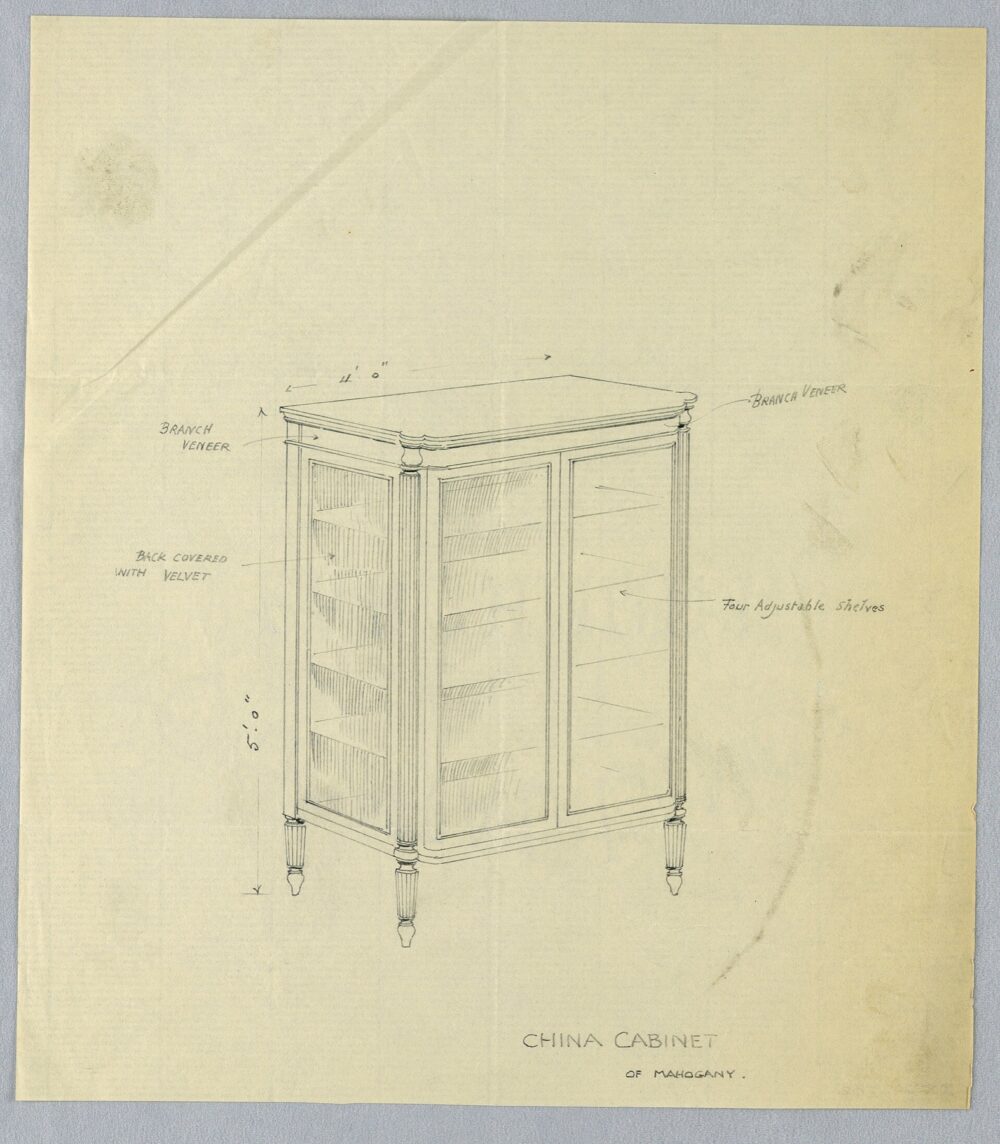
- Shape: turned wood bun feet, fluted or tapered legs, carved designs
- Materials: wood, resin, sometimes metal
- Visibility: fully exposed, so finish and style matter
Specialist sites such as Knobs.co and other architectural or furniture hardware suppliers carry many of these styles. Here it’s less about subtle leveling and more about matching a design language (traditional, mid‑century, farmhouse).
4. Quick matching cheat sheet
Use this table to connect your existing setup to the right type and search terms:
| Your current cabinet base | Likely replacement type | Useful search phrases |
|---|---|---|
| Hidden plastic feet behind toe‑kick | Plastic adjustable cabinet feet | “adjustable cabinet feet”, “plastic cupboard feet” |
| Visible short metal posts or tubes | Metal support legs / levelers | “metal cabinet legs”, “adjustable furniture legs” |
| Vanity on chunky, turned wood pieces | Decorative bun feet | “cabinet bun feet”, “dresser feet” |
| Freestanding cabinet with tall furniture legs | Furniture‑style legs (wood or metal) | “cabinet furniture legs”, “table legs” |
Match the type first, then refine by height (inches or cm), color/finish, and mounting style (screw‑on plate, dowel, or insert).
Best Online Channels for Cabinet Feet and Legs, Including DHgate
Once you know the type, you can pick a channel that matches your budget, volume, and style needs. Here’s how the main options line up for US buyers and small ecommerce sellers.
1. Domestic hardware and furniture‑feet retailers
For straightforward replacements, this is usually the most reliable first stop.
- Examples: Knobs.co, HardwareDirect, and other architectural or furniture hardware suppliers.
- Strengths: clear specs, parts designed for cabinets and vanities, and familiar shipping and returns for US buyers.
- Best for: matching standard heights, getting adjustable levelers, and buying small quantities.
If you’re a small ecommerce business reselling hardware, these suppliers can also work as upstream sources when you want predictable quality and don’t need factory‑level pricing.
2. Mass‑market retailers and general furniture legs
Retailers such as Walmart list general‑purpose furniture legs sold for sofas, cabinets, dressers, chairs, and tables. The WHAMVOX 4‑piece leg set on Walmart Business is an example: one SKU marketed for several furniture types.
These can be a cost‑effective option if:
- You’re comfortable with a more generic leg that isn’t strictly labeled “cabinet.”
- Your main concern is height and basic support, not an exact match to an existing brand system.
3. Artisan marketplaces (Etsy and similar)
If you’re chasing a very specific look—hand‑carved feet, unusual brass legs, or vintage reproductions—artisan marketplaces like Etsy come into play.
- Strengths: unique styles, small makers willing to customize dimensions or finishes.
- Limits: higher per‑piece cost, and parts may be designed more for aesthetics than cabinet engineering.
This route suits one‑off renovations and boutique projects where visual impact justifies price and lead time.
4. DHgate and similar cross‑border marketplaces
DHgate is a cross‑border marketplace with suppliers that list cabinet feet and legs among many other hardware items. Examples in past search results include:
- ABS plastic adjustable cabinet feet marketed for cabinets, closets, TV stands, sofas, and couches.
- Bulk metal furniture legs and cabinet support feet, sometimes targeted at regional buyers such as Australia.
For US buyers or small ecommerce businesses, DHgate can be relevant when:
- You need dozens or hundreds of identical feet or legs for a product line.
- You’re comfortable ordering cross‑border to pursue lower per‑unit costs or niche designs not stocked domestically.
Because listing quality and specs vary by seller, treat each product page as its own decision. Before treating a DHgate listing as equivalent to a domestic hardware part, you’ll want to:
- Check dimensions against your existing cabinets, including mounting plate size and adjustment range.
- Ask the seller for drawings or detailed photos if the listing is vague.
If you decide DHgate is relevant for your broader sourcing, it can help to first understand how the marketplace works in general via what DHgate is and how the marketplace works and to read guidance on finding trusted sellers on DHgate. Those resources stay at the platform level, so you still have to vet each cabinet‑leg listing individually.
5. Wholesale platforms like Made‑in‑China and SourcingAI
If your goal is true wholesale sourcing rather than marketplace buying, factory‑oriented platforms become more relevant.
- Made‑in‑China lists multiple factories producing furniture legs, kitchen feet, and plastic cabinet feet for wholesale orders.
- SourcingAI aggregates cabinet leg products and suppliers, using a smart category page for this hardware.
These platforms fit best when:
- You’re a small ecommerce brand ready to engage factories directly, possibly with custom tooling.
- You care more about long‑term supply and unit cost than about one‑time convenience.
You’ll typically spend more time on RFQs, spec sheets, and sample evaluation, but you gain greater control over design and continuity.
For a quick, one‑room refresh, most US homeowners will be best served by starting with domestic hardware or specialist furniture‑feet retailers and only moving outward if they can’t find the size or style they need. Small ecommerce buyers can lean on those same channels for predictable small runs, then reserve DHgate, Made‑in‑China, and SourcingAI for moments when bulk quantity, specific plastic adjustable feet, or metal support legs justify the extra spec‑checking work and cross‑border complexity.