
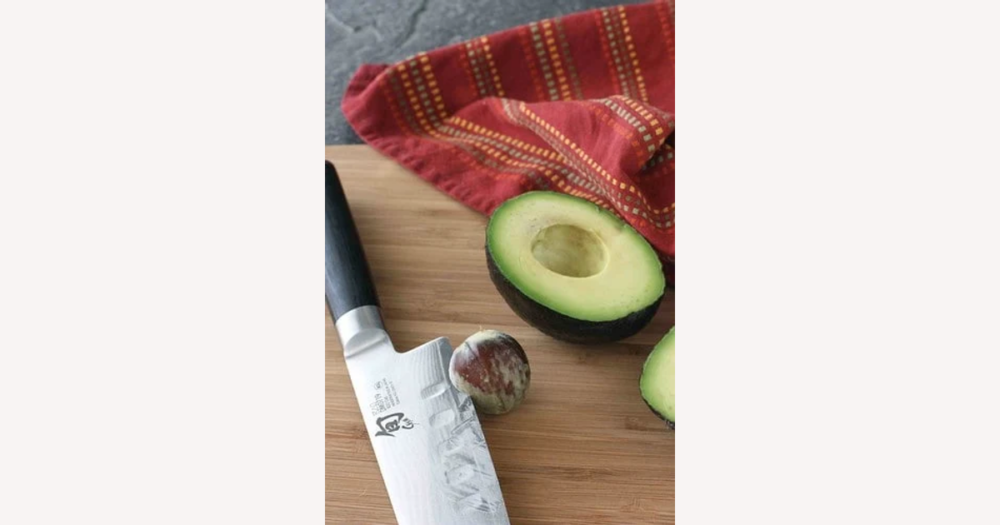
For most DHgate buyers, the most practical setup for slicing and chopping avocados is the one they already own: a sharp, comfortable kitchen knife and a regular spoon. That basic pair can halve, pit, slice, and scoop avocados cleanly, so dedicated avocado gadgets are optional extras—useful mainly if you prep avocados often or feel nervous working a knife around the pit. When you do browse avocado tools on DHgate, it’s still worth checking materials, construction, and seller reliability rather than assuming any gadget will automatically be safer or faster.
Start with a knife and spoon: the basic avocado toolkit
On DHgate and in most home kitchens, the default avocado toolkit is simple: a sharp, medium-sized kitchen knife—usually a chef’s or paring knife—and an ordinary spoon. With sensible technique, this pair can handle every core job: halving the avocado around the pit, loosening and removing the pit, slicing or chopping the flesh, and scooping it cleanly from the skin.
Because these tools work for many ingredients, not just avocados, they usually make more sense than adding a single-purpose gadget. If you already have a comfortable knife with a secure grip and keep it reasonably sharp, you can prep avocados neatly and safely without buying anything special. On DHgate, that often means focusing more on overall kitchen tools and the seller’s reliability than on dedicated avocado gadgets.
Specialized avocado tools are optional helpers, not requirements. They can be worth considering if you prepare avocados very frequently or feel genuinely uneasy about pitting with a knife; in that case, a sturdy multi-function tool with a safe pitting mechanism and easy cleaning may add reassurance. The rest of this guide maps out the main tool types and the material and safety details to check in DHgate-style listings so you can decide whether an extra avocado-specific tool belongs in your kitchen drawer.
How different avocado tools handle cutting, pitting, slicing, and scooping
| Tool type | Main use for halving | Main use for pitting | Main use for slicing/dicing | Main use for scooping | Typical notes |
|---|---|---|---|---|---|
| Chef’s knife | Cuts cleanly around the avocado to split it in half on a board | Twists or levers the pit out once the halves are separated; requires controlled hand position | Slices or dices avocado on a cutting board with good precision | Not usually used for scooping; slices are lifted off the board | Versatile for many foods; works well if the blade is sharp and the handle gives a secure grip. Needs careful technique to avoid hand injuries when pitting. |
| Paring knife | Halves smaller or softer avocados; some users prefer its lighter feel | Can loosen the pit with small cuts or gentle levering; may struggle with very firm pits | Scores the flesh in the skin or makes small, controlled cuts | Doesn’t scoop; used mainly for scoring before scooping with a spoon | Compact and nimble, good for fine cuts. Some cooks find it safer than a large knife; others feel it lacks power for tough pits and thicker skins. |
| Spoon | Doesn’t halve; used after the avocado is already cut | Can lift out the pit once it’s loosened or partially popped out by a knife | Not used for precise slicing; can roughly divide soft flesh | Scoops flesh cleanly from the skin with very low risk | Simple and gentle. Ideal for removing flesh and for lifting the pit after loosening. Almost no cutting injury risk because there’s no sharp edge. |
| Multi-function avocado tool (often 3-in-1) | Small built-in blade or cutter line is used to halve the avocado | Has a dedicated pitting section that grips and pops out the stone with a guided motion | Fan-style slicer at one end creates multiple even slices in one pass | Some designs scoop and slice at the same time as they pass under the flesh | Combines several tasks in one tool. Can feel safer for nervous knife users and frequent avocado prep, but adds a unitasker to your drawer and may not match a good knife’s overall versatility. |
| Standalone slicer (fan-shaped tines) | Doesn’t halve; used after the avocado has been cut and pitted | No pitting function; relies on another tool to remove the stone | Creates several uniform slices at once as you pull it through the flesh | Often scoops the slices out of the skin as it passes underneath | Useful when you care about quick, even slices (for salads or toast), but still depends on a knife or other tool for halving and pitting. Limited use beyond soft fruits. |
| Standalone pitter | Doesn’t halve; only works once the avocado is cut open | Grips or punches the pit to pull it out with a controlled motion | Doesn’t slice; you still need a knife or slicer for that step | Doesn’t scoop; scooping is done separately with a spoon | Designed mainly to make pit removal feel safer and more predictable. Helpful for knife-shy users but adds a tool that only does one job, and you still need a knife and spoon for other tasks. |
Across these categories, the tools mostly perform the same basic avocado tasks—halving, pitting, slicing, and scooping—in different ways. A simple knife-and-spoon setup can cover all of those jobs for typical DHgate buyers, which is why it remains the baseline recommendation; gadgets are alternatives to that familiar method, not replacements for the underlying steps.
Some home cooks feel more comfortable with a smaller paring knife or with guided multi-function gadgets, especially for pitting, while confident knife users tend to prefer the control and flexibility of a good chef’s knife. The key is to notice which tasks matter most to you—safer pitting, perfectly even slices, or overall versatility—and then treat any avocado-specific tool as a targeted solution rather than something you must have to prepare an avocado properly.
Safe, neat avocado prep with just a knife and spoon
- Make sure the avocado is just ripe—slightly soft when gently pressed—so you don’t have to force the blade. Set it on a stable cutting board rather than holding it in your hand.
- Using a chef’s or paring knife that feels balanced in your hand, cut lengthwise around the pit in a smooth motion, rotating the avocado while keeping your fingers tucked well away from the blade.
- Twist the halves gently in opposite directions to separate them, keeping the avocado resting on the board instead of cradled in your palm.
- Remove the pit either by carefully tapping the knife into the pit and twisting while the avocado stays on the board, or by loosening the pit with the knife and then lifting it out with a spoon as a lower-risk option.
- With each half still in its skin, score the flesh into slices or cubes using controlled, shallow cuts and keeping your non-knife hand clear of the knife’s path.
- Slide the spoon between the scored flesh and the skin to scoop out the slices or chunks, then repeat the scoring and scooping on the second half as needed.
This simple sequence works best with a sharp blade, a size that feels stable in your hand, and a handle that doesn’t get slippery. A well-sharpened chef’s or paring knife glides through the skin and flesh without needing extra force, which keeps the cut more controlled. A comfortable, non-slip handle helps you guide the knife smoothly around the pit and make small scoring cuts without your grip shifting.
Keeping the avocado on a cutting board and your fingers out of the knife’s path turns each step into a predictable motion rather than a balancing act in your palm. If you’re especially nervous about the pitting step, a dedicated pitter or fan-style slicer can swap in for that part of the process and give more guided pit removal or quick, even slices—but those tools still follow the same basic flow of halving, pitting, slicing, and scooping that a knife and spoon already cover.
Video demonstration of safe avocado halving, pitting, and slicing on a cutting board with a kitchen knife, followed by scooping with a spoon.
Knives vs avocado gadgets: safety, speed, and versatility
| Factor | Knife + spoon | Multi-function avocado gadget | Key trade-off |
|---|---|---|---|
| Safety | Depends on good technique, a sharp blade, and keeping the avocado on a board with fingers clear of the knife. | Guided pitting heads and covered blades can keep hands farther from the cutting edge but still require careful alignment and pressure. | Knives are safe when used well; gadgets may feel safer to nervous users but can encourage overconfidence if treated as foolproof. |
| Slice precision and appearance | A sharp knife can produce very neat, clean slices or cubes once you’re comfortable controlling thickness. | Fan-style slicers create multiple even slices quickly but may mash very soft avocados or snag in very firm ones. | Knife offers maximum control; gadgets trade fine-tuned precision for fast, uniform slices within a narrower range of avocado textures. |
| Speed and convenience | Experienced knife users can halve, pit, slice, and scoop as fast as most gadgets using tools they already have out. | Beginners may find a gadget quicker for repetitive slicing or large batches once they learn its motion. | Speed advantages skew toward beginners and heavy avocado use; for confident knife users, gadgets rarely save much time. |
| Learning curve and confidence | Requires learning safe grips and motions, but those skills carry over to many other kitchen tasks. | Reduces the need for fine knife control and offers simple, repeated motions, though each design has its own quirks to learn. | Knives reward skill that stays useful beyond avocados; gadgets lower the barrier for uneasy knife users but only for a narrow set of tasks. |
| Storage and cleanup | Knife and spoon are standard tools that store flat and are easy to rinse or put in the dishwasher. | Gadgets add bulk to drawers and may have more joints or crevices that need careful cleaning. | Basic tools minimize clutter; gadgets add space and cleaning overhead in exchange for specialized convenience. |
| Versatility | Works for countless foods and prep jobs, from chopping vegetables to slicing fruit and herbs. | Mostly limited to halving, pitting, and slicing avocados, even when marketed as 3-in-1 tools. | For most people, a good knife remains the core tool; frequent avocado eaters or very knife-shy cooks might reasonably add a sturdy gadget as a complement, not a replacement. |
Key material and build features that matter for avocado tools
- Prefer sturdy, corrosion-resistant metals for blades and tines—such as stainless steel—so they stay stiff under pressure, resist rust, and keep a clean cutting edge on slippery avocado flesh.
- Consider whether slicer tines are metal or plastic: metal tines usually stay sharper and more rigid for cleaner cuts, while plastic can feel gentler on non-stick pans but is more likely to flex, warp, or snap.
- Check that the handle is non-slip and ergonomic. Rubberized or textured handles that fit your hand help you control the tool when avocado oil makes surfaces slick, reducing the chance of the blade skidding.
- Look for simple, solid constructions with few seams, ferrules, or moving parts. Straightforward designs are less likely to loosen unexpectedly, are easier to rinse clean, and give more predictable feedback when you apply pressure.
- Think about cleaning and dishwasher use: smooth, open shapes without deep crevices rinse quickly, and even if a knife or gadget is labeled dishwasher safe, hand-washing often better preserves edges, coatings, and plastics over time.
Avoiding common avocado-cutting injuries
Which avocado tool setup fits your cooking style?
- Minimalist or small-kitchen cook: If you use avocados occasionally and hate clutter, rely on one sharp, comfortable chef’s or paring knife plus a sturdy spoon. Prioritize a knife that feels secure in your hand, with a non-slip handle and a blade you’re willing to keep sharpened, instead of adding extra avocado gadgets to the drawer.
- Frequent avocado fan: If you slice or mash avocados several times a week, build on the same knife-and-spoon base, then consider adding a solid multi-function avocado tool if you value faster, more uniform slices or guided pitting. Look for a gadget that still feels sturdy in daily use, doesn’t flex when you press it into the fruit, and is easy to clean between uses.
- Knife-nervous beginner: If you worry about pitting injuries or feel shaky with knife skills, start with a decent general-purpose knife but seriously consider a gadget that offers a protected pitting mechanism and a grippy, comfortable handle. The goal is to reduce direct contact with exposed blades while you practice safe habits like working on a board and keeping fingers away from the cutting path.
- Listing checks for any profile on DHgate: When you review avocado-related tools, look for stainless-steel blades or tines anywhere cutting or slicing is involved, robust construction without wobbly or loose joints, and clear mention of non-slip or ergonomic handles. Check product photos for close-ups of edges and joints, and scan seller cues such as ratings and buyer feedback to gauge reliability and basic quality control.
- Keep at least one good general-purpose knife: Even if you add an avocado gadget, maintain a sharp, comfortable kitchen knife as your everyday tool. Gadgets can make pitting or slicing feel safer or quicker, but they complement rather than replace a versatile knife you can use for many foods and for avocado tasks when the gadget isn’t ideal.
What this guide is based on—and what’s still uncertain
Can an avocado slicer replace a good knife?
Can an avocado slicer or multi-function gadget fully replace a good kitchen knife?
No. Avocado slicers and multi-function gadgets are best seen as additions to, not replacements for, a good knife. They tend to work well within a narrow design range—usually medium-ripe avocados and specific motions for halving, pitting, and making even slices. When the fruit is very firm or very soft, unusually large or small, or when you need to trim blemishes, dice on a board, or make other precise cuts, a regular kitchen knife still does the job better.
A decent chef’s or paring knife also remains essential for almost everything else you cook, from vegetables to other fruits, so skipping a quality knife isn’t realistic even if you use a gadget for most of your avocado prep. Some people may rely on a slicer or 3‑in‑1 tool for everyday avocado tasks once they own one, but they still depend on knives elsewhere in the kitchen. In practice, avocado tools complement a good knife rather than replace it.