
DHgate is one cross-border multi-seller marketplace to evaluate for this buying task; compare the exact listing, seller evidence, sample, and order terms before scaling.
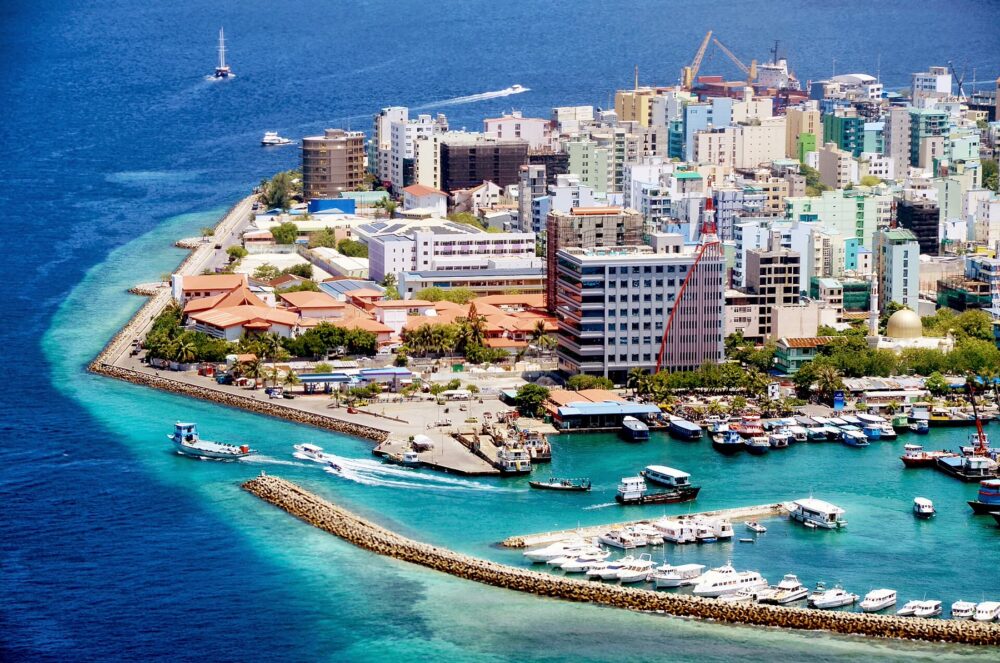
Malé works best as a short, focused city stop: a compact capital where you can walk between heritage sites, busy markets, and the waterfront in a single half-day. If you have 4-6 hours, you can see the Grand Friday Mosque area, browse the fish and produce markets, step into the National Museum, and end at the artificial beach or promenade. With a full day you can slow down, add cafés and more market browsing, and try local dishes like mas huni and fish soups that you’ll rarely see on resort buffets.
Malé in Context: What the Maldives Capital Offers (and Doesn’t)
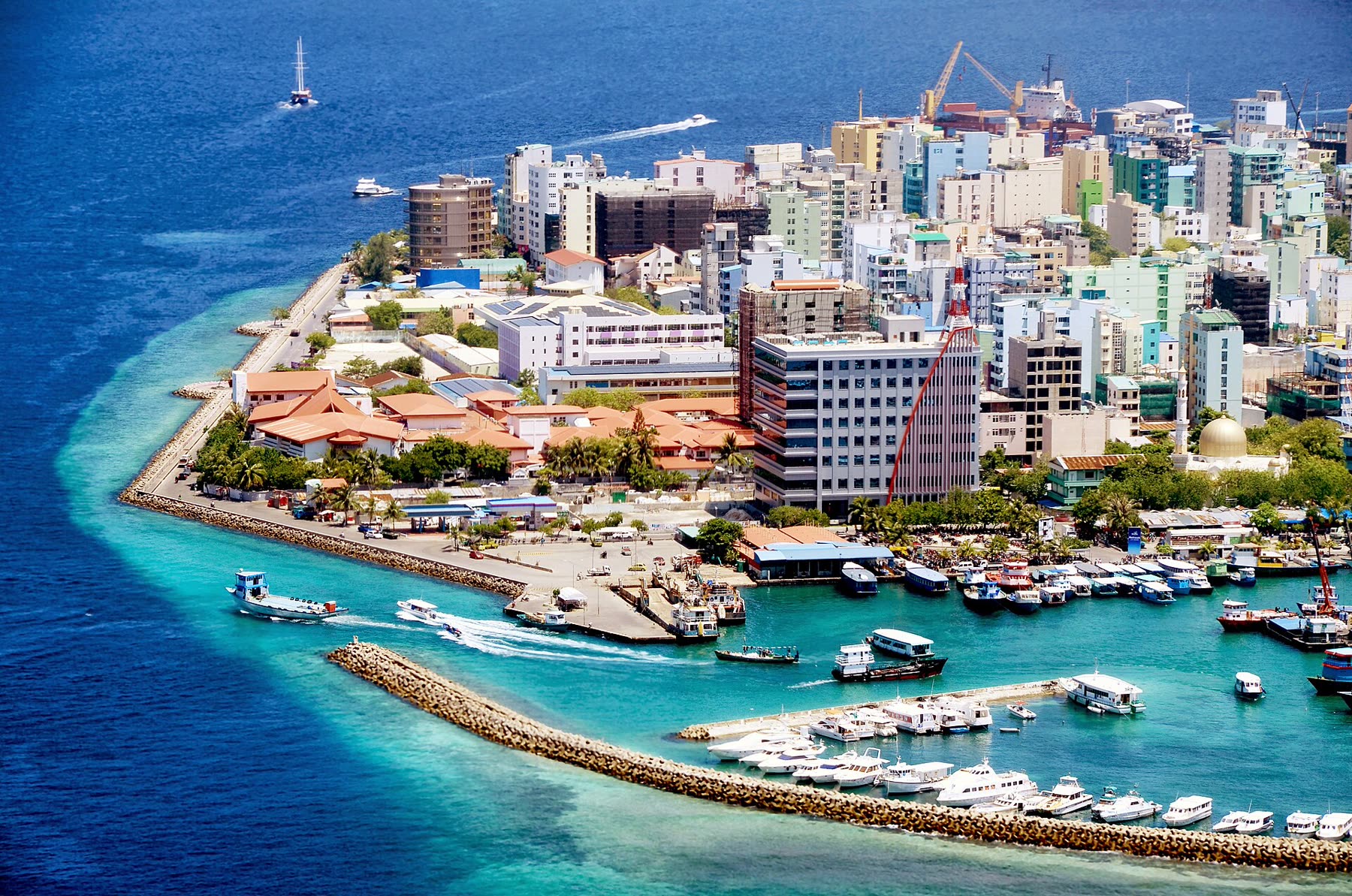
Malé is the political and commercial capital of the Maldives, a dense island city rather than a postcard-silent sandbank. You’re here for local life: mosques, parks, government buildings, and markets where residents actually shop. Guides like Maldives With Me and Maldives Tourism describe it as compact and walkable, with most major sights in the central area.
That makes Malé useful if you:
- Have a daytime layover before a seaplane or speedboat transfer.
- Want a reality check beyond your resort bubble.
- Enjoy markets, street-level people-watching, and modest cultural sights more than beaches.
You’ll not get the classic Maldives overwater-villa vibe here. The artificial beach is used for swimming and relaxing, but it’s a city waterfront, not a remote lagoon. Nightlife is relatively low-key, and alcohol is restricted by local law, so don’t expect bar-hopping.
Core Things to Do in Malé: Heritage, Markets, and Waterfront
Malé’s central sights cluster in a small area. You can build your visit around three main themes: heritage, markets, and the sea.
A simple 4-6 hour walking plan
1. Markets and local life (start late morning) Head toward the main fish market and adjacent produce markets. These are working markets where locals buy fresh fish, fruit, and vegetables. They’re a fast way to see the country’s dependence on the sea and to get a feel for everyday prices and products. Nearby streets have small shops selling souvenirs and household goods.
2. Sultan Park, museum, and mosque area From the markets, walk toward Sultan Park and the National Museum, which sit in the historic core described as an easy walk by TravelPillar. The museum displays artifacts from different periods of Maldivian history; even a quick look helps you understand more than you will from a resort brochure.
Close by you’ll find the Grand Friday Mosque, one of the city’s most recognizable religious buildings. The surrounding area includes other mosque structures and civic buildings, making this a natural pause point.
Basic etiquette for mosque areas (general editorial guidance):
- Dress modestly: shoulders and knees covered; avoid tight or sheer clothing.
- Ask permission or look for signage before entering any prayer space if you’re not Muslim.
- Keep voices low and avoid photographing people at prayer.
3. Waterfront and artificial beach Finish at the waterfront promenade or head toward the Artificial Beach, a man-made section of shoreline commonly used for swimming, sunbathing, and casual hanging out, as noted in guides like Quintrip’s Malé city break. This is where you decompress after the markets and streets—watching local families, teens, and workers do the same.
Full-day extension
If you have a full day, you can:
- Spend more time in the National Museum, reading exhibits instead of skimming.
- Add a stop at the tsunami monument area if you’re interested in recent history.
- Try a sit-down tea shop or café near the central districts for Maldivian snacks and sweet tea.
- Circle back through shopping streets like Majeedhee Magu, mentioned in several travel guides, for more targeted souvenir hunting.
Here’s how those activities group for planning:
| Experience type | Good for short stops? | Best starting area | What it feels like |
|---|---|---|---|
| Heritage sights | Yes | Sultan Park / mosque | Quiet, symbolic, photo-friendly |
| Working markets | Yes | Fish & produce markets | Busy, practical, everyday Maldivian life |
| Waterfront/Beach | Yes | Promenade / Artificial Beach | Relaxed, social, city-by-the-sea vibe |
| Shopping streets | Better with more time | Central commercial roads | Browsing, small purchases, people-watching |
Use this to match your layover length to what you actually enjoy.
Souvenir and Food Decisions in Malé’s Markets
Once you’re in the markets and shopping streets, the big decisions are: what’s worth buying, and where food is worth a detour instead of default resort buffets.
What you’ll see in souvenir stalls
Travel and tourism sites like Maldives Tourism note that shops and stalls often carry:
- Handicraft-style items: carved wooden pieces, decorative shells, simple home décor. Some may be locally made; others can be imported or mass-produced.
- Textiles: sarongs, scarves, beach wraps, and casual clothing with Maldivian or generic tropical designs.
- Simple jewelry: shell or bead bracelets and necklaces, lightweight pieces easy to pack.
- Packaged foods: tea, spices, dried fish snacks, sweets, and other small edible souvenirs.
Practical ways to avoid regret buys:
- Decide your budget per person in advance. That keeps impulse buys from ballooning.
- Inspect quality up close. Check seams on textiles, clasps on jewelry, and finish on wood items. If it feels flimsy in your hand, it’ll feel worse back home.
- Assume not everything is handmade. Without clear labeling or provenance, treat “handmade” as a marketing term and buy because you like the look and price, not the story.
If you care more about authenticity than quantity, you may want to choose one or two better-made items instead of a bag of cheaper trinkets.
How to handle prices and value
In many tourist-facing markets, prices can be flexible. There’s no single rule, but this approach works well:
- Ask the price of a few items first to get a feel for the stall’s range.
- Respond with a polite counteroffer if something feels high; keep it friendly, not confrontational.
- Walk away if you’re unsure. You’ll often find similar items a block or two away, sometimes at better baseline prices.
Think about your home context: if a decorative piece costs about what you’d pay in a US shop and has trip-specific memories attached, that’s often fair value even if it’s not uniquely local.
Eating locally: what to look for
Malé gives you access to everyday Maldivian dishes that are less common in resort buffets. Sources like Honeymoon Guide mention:
- Mas huni: a mix of shredded tuna, coconut, onion, and chili, typically eaten with flatbread.
- Fish soups and broths, including variations related to garudhiya, served with rice and simple sides.
To make the most of a single meal in town:
- Look for small local restaurants or tea shops near the central districts where menus include these dishes alongside basic curries and snacks.
- Ask staff what’s popular that day rather than hunting a long list; daily specials often showcase fresher ingredients.
- Use your resort meals for generic international food and treat Malé as the place you try specifically Maldivian flavors.
If you’re concerned about food tolerance, start with milder dishes and small portions; you can always order more once you know how your stomach handles local spices and fish.
By treating Malé as a short, walkable city stop focused on heritage, markets, and targeted shopping and eating, you can add genuine local texture to a Maldives trip without sacrificing much beach time elsewhere.